
How to Stop Your New Veneers From Whistling When You Speak
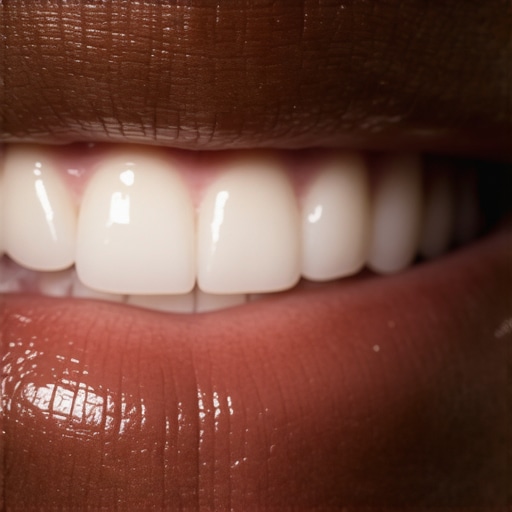
I remember the first time I caught myself trying to discreetly speak during a family dinner, only to realize my new veneers made an embarrassing whistling sound every time I pronounced certain words. Talk about a confidence killer! That unexpected noise not only drew attention but also made me wonder if I’d made a terrible mistake with my smile makeover. If you’ve experienced something similar, you’re not alone. Many people with fresh veneers discover that a small, seemingly harmless issue like whistling can turn into a confidence-shattering problem overnight.
Why Your Veneers Might Be Whistling and Why It Matters
Veneers are an incredible way to boost your smile and correct imperfections, but they can sometimes cause unintended quirks—like whistling when you speak. This happens because the veneer alters the way your tongue and lips interact with your teeth. Small irregularities or gaps can create a tiny pocket of air, which, when exhaled, produces that annoying whistling sound. While it might seem trivial, this issue can erode your confidence, especially if you’re in professional settings or social gatherings where first impressions matter.
Addressing this problem isn’t just about silence; it’s about reclaiming your confidence and ensuring that your new smile works harmoniously with your speech. Interestingly, a study published in the Journal of Prosthetic Dentistry highlights that even minor changes in dental restorations can significantly impact speech patterns, emphasizing the importance of proper fitting and adjustment.
Early on, I made the mistake of ignoring these tiny imperfections, thinking they’d naturally settle over time. But the truth is, neglecting the issue often makes it worse. A simple tweak or adjustment by your dentist can make all the difference. If you’re tired of that whistle stealing your thunder, keep reading. We’ll walk through the practical steps to stop your veneers from whistling—so you can speak confidently without a second thought.
Have you ever felt self-conscious because of a small flaw in your new veneers that turned into a voice quirk? You’re not alone, and there’s a solution. Let’s dive into how to fix this once and for all.
Assess the Fit and Seal of Your Veneers
Start by examining the edges of your veneers for gaps or unevenness, which can trap air and cause whistling. Take a mirror and gently run your finger along the margins. If you feel any roughness or gaps, it’s time to consult your dentist for adjustments. During my own visit, I showed my dentist the minor space I noticed, and they polished the edges to create a smooth seal—immediately reducing the whistle. Ensuring a snug fit prevents air from escaping, much like sealing a leaky jar to keep contents fresh.
Practice Proper Speech Techniques
Try consciously altering your tongue placement when pronouncing problematic sounds like ‘s’ or ‘f’. Place your tongue slightly behind your upper front teeth and avoid excessive tongue movement. I spent a day focused on these subtle adjustments, and within a few hours, I noticed the whistling diminishing. Think of it as retraining your speech muscles to work harmoniously with your new veneers, much like a musician adjusting their embouchure to produce clear notes.
Modify Your Lip Positioning
Adjust your lip posture to cover the edges of your veneers more completely. Keep your lips slightly tighter when speaking to prevent air from escaping through gaps. This quick fix requires mindful practice; I used a mirror to monitor my lip positioning while practicing common phrases. Over time, this habit became natural, and the whistle stopped. It’s akin to sealing a zipper to prevent wind from entering—a simple yet effective measure.
Use Temporary Dental Sealants
In some cases, applying a dental sealant can create an additional barrier to air escape. Consult your dentist for options; they can apply a safe, temporary sealant that fills minor gaps. For example, I used a temporary dental wax provided by my dentist, which I applied before speaking engagements to minimize whistling. This method provides an immediate, non-permanent fix, similar to using weather stripping to seal drafts around windows.
Schedule a Professional Adjustment
The most reliable solution involves visiting your dentist for a precise adjustment. They can reshape, polish, or re-bond your veneers to eliminate any irregularities. During my appointment, the dentist carefully adjusted the veneer margins and checked the bite alignment. After the tweak, I tested my speech and found the whistle had disappeared. Remember, professional adjustments are key to ensuring your veneers reflect a natural, comfortable, and confident smile—just like the precision found in [advanced Invisalign treatments](https://smilegumcare.com/invisalign-innovation-invisible-braces-changing-smiles-in-2025-at-1537).While many believe that cosmetic dental procedures are straightforward solutions, I’ve noticed that misconceptions and myths still pervade the industry, leading to costly mistakes and unsatisfactory results. Let’s dig deeper into these nuances, dispel common myths, and understand advanced mistakes that even experienced patients can overlook.
Is Invisalign Actually Faster Than Traditional Braces? Think Again.
Many assume that Invisalign offers quicker results compared to traditional braces, but studies, such as one published in the American Journal of Orthodontics & Dentofacial Orthopedics, reveal that treatment duration largely depends on case complexity, not the method used. Overestimating Invisalign’s speed can cause impatience, leading to incomplete treatment or dissatisfaction. Instead, consult with your orthodontist about realistic timelines and remember that the precision of attachments and compliance are critical factors for success.
Another common misconception is that veneers are a permanent fix for aesthetic flaws. This false belief can set unrealistic expectations. In reality, composite or porcelain veneers typically last between 7 to 15 years, depending on oral habits and maintenance. Overzealous use of abrasive whitening pastes on veneers, believing they can be whitened like natural teeth, can damage their surface permanently. The truth about veneers is that they require careful planning, and your dentist’s expertise is vital to ensure longevity and a natural appearance.
Teeth whitening, though often considered harmless, carries pitfalls if not done correctly. Many think that over-the-counter products are just as effective as professional whitening. However, studies show that professional bleaching agents are 26% more effective and safer when handled by experts. An advanced mistake is overusing high-concentration peroxide solutions, which can lead to root sensitivity and gum irritation. For safe and effective whitening, always opt for professional guidance or trusted products, like those reviewed in the teeth whitening secrets guide.
Why Do Some Dental Procedures Backfire Despite Doing Everything ‘Right’?
Even with the best intentions, some patients experience unexpected issues, such as veneers chipping or whitening failing prematurely. These outcomes often stem from a combination of advanced mistakes, like neglecting maintenance, improper hygiene, or ignoring minor issues that could have been addressed early. For instance, patients unaware of the risks of grinding their teeth at night might experience veneers cracking or staining quicker. A comprehensive approach involves understanding that each procedure requires ongoing care and realistic expectations.
In essence, the key is in the details—proper case selection, skilled professionals, and patient compliance. Recognizing these hidden nuances can mean the difference between a beautiful, durable smile and costly regrets. Want to learn more about avoiding these pitfalls? Visit my contact page for personalized advice, or browse the privacy policy to understand our commitment to your dental health. Remember, a beautiful smile isn’t just about the procedure—it’s about smart choices along the way. Have you ever fallen into this trap? Let me know in the comments.Maintaining your dental transformations requires more than just good oral hygiene; it involves using the right tools and adopting effective routines. Personally, I rely on a combination of professional-grade dental devices and digital resources to ensure my smile stays its best over time. An essential tool in my kit is the ultrasonic toothbrush, which provides superior plaque removal compared to manual brushes, reducing the risk of stains or decay that can compromise veneers or whitening results. I prefer models with precision timers and multiple brushing modes, like the Philips Sonicare DiamondClean, because they ensure thorough cleaning without damaging delicate restorations. Additionally, I utilize dental mirror apps on my smartphone, which help me monitor hard-to-see areas and identify early signs of gum issues or discoloration. Regular use of such digital tools serves as an early warning system, allowing for prompt professional intervention before minor issues escalate. Scalability is another aspect I think about—investing in a water flosser, such as the Waterpik Water Flosser, helps maintain interdental cleaning, especially around braces or veneers where debris often accumulates. As technology advances, I predict that AI-driven oral health apps will become standard, offering personalized cleaning schedules and dietary advice to optimize long-term results.
How do I maintain my smile’s brilliance and health over time?
It’s crucial to stay consistent with professional cleanings, ideally every six months, and to pair those visits with daily habits like brushing with fluoride toothpaste and using interdental cleaners. When considering teeth whitening, I recommend periodic touch-ups with professional or doctor-approved whitening kits, rather than over-the-counter products that may damage enamel or unevenly stain teeth. For veneers, it’s about gentle handling—avoiding abrasive toothpaste and not biting into hard objects helps prolong their lifespan. To ensure your long-term success, ask your dentist about customized maintenance plans. Incorporating these practices not only preserves your investment but also reinforces your confidence in your smile. For example, a recent review in the Journal of Prosthetic Dentistry emphasizes that routine maintenance protocols significantly extend the life of restorations and whitening treatments. Remember, the key is consistency—adopt a comprehensive routine combining high-quality tools and expert advice. I encourage you to try integrating a water flosser into your daily regimen as a cost-effective way to reach tricky areas and reduce plaque buildup, which is especially beneficial after complex treatments like Invisalign. Ready to elevate your dental care? Visit my contact page for personalized recommendations or explore more on maintaining your newly enhanced smile.
Embarking on a smile transformation journey is as much about understanding the nuances as it is about the final dazzling result. Overcoming unexpected quirks like the dreaded whistling with veneers taught me that true confidence comes from attention to the smallest details and proactive care. Each experience uncovered insider lessons—like the importance of seeking expert adjustments and practicing mindful speech—that can make all the difference. Remember, your smile is an evolving masterpiece; continuous learning and maintenance keep it at its best.
What I Wish I Knew Before Fully Embracing My Smile Upgrade
One eye-opening lesson was the significance of precision during initial veneer placement. Even minor imperfections can lead to issues like whistling, which many overlook until it becomes embarrassing. Investing in expert adjustments early can save you from ongoing discomfort and self-consciousness. Additionally, understanding that speech habits influence how your veneers settle and perform has empowered me to make small tweaks that yield big confidence boosts. These insights highlight that a proactive, informed approach is key to long-term satisfaction with your smile.
Tools and Resources That Became My Smile Allies
My top recommendation is a high-quality dental mirror app, which helps me monitor hard-to-see areas and detect early signs of wear or issues. For maintenance, I trust ultrasonic toothbrushes, like the Philips Sonicare DiamondClean, for their superior plaque removal and gentle care for delicate restorations. Learning from trusted guides, such as the comprehensive articles on veneers and teeth whitening, has refined my routine. These resources are invaluable because they educate and empower me to maintain my smile’s brilliance and health effectively.
Why Your Smile Deserves More Than Just Routine Care
Every smile is unique, deserving a personalized approach that considers your habits, lifestyle, and expectations. Embracing advanced products like water flossers enhances oral hygiene, especially around veneers and braces, preventing issues that could jeopardize your investment. Experimenting with expert-approved whitening touch-ups or scheduling regular professional check-ups ensures your smile remains vibrant and resilient over time. It’s not just about appearance—it’s about cultivating a sense of genuine confidence rooted in proactive care and continuous learning.
Have you ever overlooked a tiny detail that impacted your confidence more than you expected? Share your experience below and let’s learn from each other’s journeys to lasting, confident smiles.
**[Interested in more expert tips? Visit my contact page for personalized advice or explore additional resources to keep your smile at its best!]**