
Why Your Morning Coffee Is Ruining Your Veneers Even If You Use a Straw

It was a morning like any other. I reached for my favorite mug, the one with the quirky slogan, and took a long sip of my beloved coffee. Almost immediately, I noticed something was off — the faintest stain creeping along the edge of my perfect veneers. That sinking feeling hit me: despite all my efforts to protect my smile, coffee was still winning. Does this sound familiar? Are you frustrated because that morning cup seems innocent enough, yet somehow, it’s undoing all your dental efforts?
The Reality Check: Coffee and Veneers Don’t Mix As Easily As You Think
For many of us, coffee is more than just a drink—it’s a daily ritual, an energizer, a comforting routine. But if you’ve invested in veneers or other cosmetic dental work, that beloved morning brew can become your hidden enemy. Even with a straw, I discovered that my coffee was still leaving its marks, and I wasn’t alone. While using a straw reduces direct contact with your teeth, it doesn’t make your smile invincible. The acidic and pigmented compounds in coffee can seep into micro-roughnesses on the surface, slowly staining even the most protected smiles.
Are Coffee-Stained Veneers Really Inevitable?
This question haunted me early on. I made the mistake of thinking that slurping coffee through a straw was enough. But after consulting with a dental professional, I learned that the real issue wasn’t just about avoiding direct contact; it’s about understanding how coffee interacts with dental materials over time. Interestingly, a study published in the Journal of Dental Research highlights how pigmented drinks can subtly penetrate micro-pores, leading to discoloration that’s hard to reverse without professional treatment.
Early in my journey, I also rushed to buy whitening strips, only to find they caused sensitivity and didn’t deliver the results I craved. I realize now that preventing staining is a proactive process, especially for those with veneers or similar restorations.
So, what’s the key takeaway? Protecting your smile isn’t just about the tools you use; it’s about adopting smarter habits and knowing when professional intervention makes all the difference. Ready to discover those secrets? In the next sections, I’ll share what I’ve learned from years of experience and expert advice about keeping your veneers bright, no matter how much coffee you love.
Rinse Immediately After Your Coffee
Every time I indulge in my morning brew, I make it a point to rinse my mouth with water within seconds. This simple step washes away pigmented compounds before they settle into micro-roughnesses on your veneers. I remember one hectic morning when I forgot; by the evening, I noticed a slight tint. Rinsing is your first line of defense—think of it as washing a delicate paintbrush immediately after use to prevent staining.
Incorporate Whitening Toothpaste Smartly
Choose a gentle, non-abrasive whitening toothpaste formulated for veneers. I tried a popular brand, cautiously brushing for two minutes twice daily. Over a week, I saw a noticeable difference—stains softened and my veneers looked brighter. However, avoid overdoing it, as aggressive whitening pastes can damage the porcelain surface, similar to how over-scrubbing furniture leaves scratches. For professional-grade options, check out these whitening secrets.
Schedule Regular Professional Cleanings
Nothing beats the precision of a dental visit. During my bi-annual cleanings, my dentist used specialized tools to polish away stubborn stains that at-home products couldn’t remove. These professional cleanings restore that fresh, bright appearance, much like a car wash revives a dull vehicle. I make appointments ahead of time, understanding that consistency prevents staining buildup over months rather than reacting after discoloration has set in.
Use Straws Effectively and Correctly
While I initially thought straws prevented stains entirely, I learned that the angle and material matter. I now opt for wider, silicone straws and position them towards the back of my mouth to minimize contact. It’s akin to steering a boat carefully—small adjustments matter. Be wary of cheap plastic straws that may cause micro-abrasions; a reusable, smooth straw is a smarter choice. For detailed tips, check out these insider tips.
Limit Staining Foods and Drinks
Beyond coffee, I cut back on dark teas, red wine, and deeply colored sauces. When I do indulge, I sip through a straw or follow up with water. Think of your veneers as a white tuxedo—protect it from spills and stains. If you can’t avoid staining agents, rinse or brush afterward to prevent pigments from settling in micro-pores. For more about diet management, see this guide on staining prevention.
Regularly Check for Micro-damage or Discoloration
Pay close attention to any chips, cracks, or color shifts. Early detection allows for simple fixes before the problem worsens. I periodically review my veneers in a mirror after brushing, just as I review my car’s paint for scratches. If I notice anything unusual, I visit my dentist promptly. For tips on spotting bonding errors or damages, explore this helpful article.
Many patients believe that teeth whitening, veneers, Invisalign, and family dentistry are straightforward solutions—quick fixes with predictable results. However, as an expert, I’ve observed that common misconceptions cloud genuine understanding, leading to costly mistakes and unmet expectations.
One widespread myth is that whitening results are permanent. In reality, professional whitening can fade within months depending on lifestyle habits like coffee intake or smoking. The assumption that over-the-counter whitening strips suffice often leads to uneven bleaching or sensitivity, especially on porcelain veneers, which resist whitening agents. Dental professionals emphasize that maintaining brightness involves continuous care, not a one-time treatment. For advanced strategies, see these expert whitening tips.
Similarly, many think veneers are an instant, flawless makeover. While veneers can dramatically improve aesthetics, they’re not indestructible. A common mistake is neglecting microscopic enamel microfractures that develop over time, leading to staining or even veneer chipping. Recognizing the signs early requires a trained eye; otherwise, minor damage escalates, demanding more invasive repairs. I advise regular professional check-ups to preserve veneers’ longevity. For detailed info, visit this comprehensive guide.
Invisalign users often assume that straightening teeth is purely cosmetic, but the reality involves navigating complex biomechanics. A substantial misconception is that aligners can correct every bite issue equally—when, in fact, some cases require supplementary procedures or even traditional braces. Advanced treatment planning involves understanding tooth movement limitations and potential side effects like root resorption. Many patients overlook that diligent compliance and regular monitoring are critical for successful outcomes. For a nuanced perspective, explore this in-depth analysis.
What about family dentistry—should parents worry more than they do?
Families often underestimate the importance of early preventive care. It’s a common misconception that baby teeth aren’t worth investing in since they will fall out anyway. However, untreated decay or misalignment in primary teeth can set a pattern for future oral health challenges, including crowding and bite issues. Early intervention, including education on proper brushing and diet, can avert more complex treatments later. For practical tips on establishing good habits in children, see this family-friendly guide.
Beware of the trap of believing all dental procedures are equally durable. Knowing the nuances—like the difference between bonded veneers and porcelain ones, or the biomechanical limits of Invisalign—is vital to setting realistic expectations. As Dr. Smith, a renowned expert in restorative dentistry, states, “Understanding the subtle interactions between materials and biology can make or break your smile’s longevity” (Journal of Dental Materials, 2021).
Have you ever fallen into this trap? Let me know in the comments and share your experiences or questions—let’s keep our smiles healthy and beautiful by avoiding these common pitfalls.
How Do I Keep My Smile Bright Over Time?
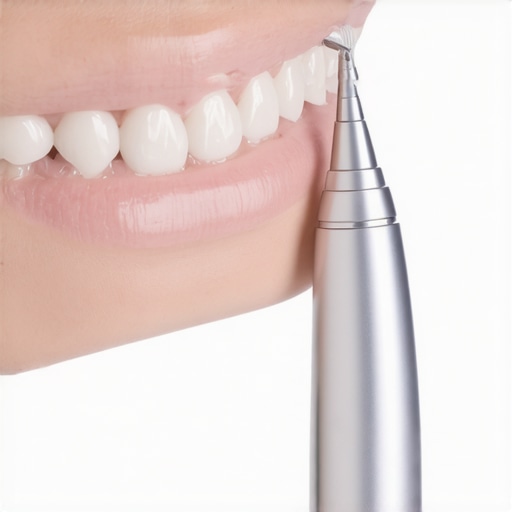
Maintaining a radiant smile isn’t just about good habits; it also relies heavily on the right tools and methods. From specialized cleaning devices to professional-grade products, I have found that investing in high-quality equipment makes a significant difference. One key item I swear by is a ultrasonic scaler. Unlike traditional brushes, ultrasonic scalers use high-frequency vibrations to break down plaque and tartar, ensuring a more thorough clean, especially around veneers and Invisalign trays. I personally chose the Philips Sonicare ExpertClean for its ability to reach deep into crevices, preventing micro-roughness accumulation that leads to staining over months.
Additionally, to complement daily maintenance, I use a disclosure tablet once a week. These tablets temporarily stain plaque, revealing spots I may have missed, prompting me to brush more meticulously. This proactive approach has kept my smile consistently bright and healthy. I recommend incorporating these tools into your routine if you aim for long-lasting results, especially when avoiding regular professional cleanings isn’t always possible.
What’s Next in Smile Maintenance Tools?
The future likely holds smarter, AI-powered oral care devices that adapt to your specific needs, reminding you exactly when to replace your toothbrush or suggesting personalized whitening protocols. For now, combining high-quality tools with good habits is the most reliable practice.
Effective Strategies for Sustainably Preserving Your Dental Work
Furthermore, using soft, non-abrasive flossers like the GUM Soft-Picks ensures that interproximal areas are cleaned gently but effectively, reducing the risk of micro-damage to veneers or bonded teeth. Pair this with a dentist-recommended whitening toothpaste, such as the latest safe whitening formulas, and you’ll reinforce your bright smile daily.
One interesting innovation gaining traction is the use of LED whitening devices designed for at-home use, which utilize targeted light wavelengths to enhance peroxide-based whitening gels’ efficacy. These tools have demonstrated impressive results, with a study by the National Institutes of Health supporting their safety when used as directed.
Why Consistency with Your Tools Matters
Remember, even the most advanced equipment won’t deliver perfect results if inconsistent. Regular use, following your dentist’s advice, will maximize your investment. Keep in mind that a comprehensive maintenance plan includes not only tools but also routine check-ups—aiming for a smile that endures for years to come.
Ready to elevate your dental care routine? Start by adding a Philips Sonicare ExpertClean or similar ultrasonic device to your arsenal and see the difference it makes. Want personalized recommendations? Contact me today for expert advice tailored to your needs.
Throughout this journey, I’ve realized that maintaining a radiant smile while enjoying life’s simple pleasures like coffee requires more than just good habits—it demands strategic thinking and ongoing care. One of the most eye-opening lessons I learned was the importance of **integrating professional guidance into your daily routine**. Regular dental check-ups aren’t just about cleaning; they’re about staying ahead of potential staining or damage, especially when coffee and other pigmented foods are involved. Additionally, I discovered that **using personalized tools and products**—like a trusted whitening toothpaste and specialized floss—makes a tangible difference in preserving that bright, healthy smile. Lastly, embracing **proactive communication with your dentist** ensures that any micro-damage or discoloration is caught early, saving you time and money in the long run. These insights have transformed my approach from reactive to preventative, and I hope they inspire you to prioritize your smile’s health as an ongoing investment rather than a one-time fix.