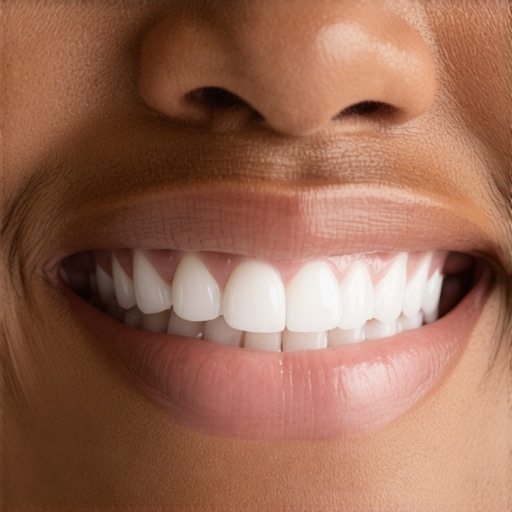
Unlocking the Science Behind a Dazzling Smile: A Deep Dive into 2024’s Orthodontic and Cosmetic Innovations
In the realm of aesthetic dentistry, the pursuit of a perfect smile is increasingly driven by sophisticated, evidence-based methodologies. As we navigate 2024, understanding the interplay between Invisalign’s transformative potential and advanced teeth whitening techniques becomes crucial for professionals aiming to deliver unparalleled patient outcomes. This article explores the nuanced strategies that elevate smile makeovers from standard procedures to artful, scientifically grounded transformations.
The Convergence of Orthodontics and Cosmetic Dentistry: A Paradigm Shift
Traditional orthodontic treatments often viewed Invisalign as merely a discreet alternative to braces. However, contemporary practice reveals its role as a pivotal component within a broader aesthetic framework. When combined with targeted teeth whitening, clinicians can achieve harmonious, natural-looking results that are both functional and visually stunning. This convergence is supported by ongoing research, such as the comprehensive review published in the Journal of Cosmetic Dentistry, which underscores the importance of synchronized aligner therapy and whitening protocols for optimal results.
Implementing Advanced Techniques for Optimal Results
Achieving a radiant smile in 2024 requires meticulous planning and execution. For instance, leveraging digital smile design tools allows practitioners to simulate outcomes, integrating aligner therapy with cosmetic enhancements. Furthermore, the latest innovations in whitening agents—such as LED-activated bleaching systems—offer faster, more predictable results with minimal sensitivity. When these are strategically combined with Invisalign’s controlled movement, the treatment becomes a seamless aesthetic journey.
What are the most effective protocols to ensure teeth whitening complements Invisalign alignment without compromising enamel integrity?
Addressing this question involves understanding the chemistry of whitening agents, patient-specific enamel characteristics, and timing of procedures. Experts recommend performing whitening after initial aligner adjustments to prevent damage to softened enamel. Additionally, using desensitizing agents and custom trays for maintenance can sustain brightness while preserving enamel health. For comprehensive guidance, consult specialized sources such as the American Journal of Orthodontics & Dentofacial Orthopedics.
Integrating Patient-Centered Innovations: From Diagnostics to Delivery
Modern smile enhancement emphasizes personalized treatment. Incorporating intraoral scanners and 3D imaging enables precise diagnostics, allowing for tailored aligner and whitening plans. Moreover, patient education on maintaining results through proper hygiene and follow-up whitening treatments enhances long-term satisfaction. For practitioners seeking to refine their approach, exploring related content such as Veneers and Cosmetic Enhancements can provide valuable insights.
In conclusion, mastering the integration of Invisalign with advanced teeth whitening in 2024 demands a synthesis of scientific rigor, technological innovation, and aesthetic sensibility. Embracing these principles enables professionals to craft smiles that are not only visually captivating but also functionally enduring, reaffirming their status as trusted authorities in cosmetic dentistry.
Harnessing Digital Dentistry for Precise Smile Transformations
In 2024, the integration of digital dentistry has revolutionized how practitioners plan and execute smile makeovers. Utilizing intraoral scanners and advanced 3D imaging allows for detailed visualization of potential results, enabling a seamless blend of Invisalign aligners and cosmetic enhancements such as veneers or whitening. This technology not only improves accuracy but also enhances patient engagement by providing clear visual expectations. As a result, treatment planning becomes more predictable, reducing errors and increasing satisfaction. To explore how digital tools can elevate your practice, consider reviewing resources like Transform Your Family’s Smiles with Veneers and Invisalign in 2024.
The Nuances of Enamel Preservation During Aesthetic Procedures
A common misconception is that cosmetic procedures like whitening or veneer placement inherently weaken enamel. However, when performed with precision and appropriate materials, these treatments can be enamel-safe. For instance, minimally invasive veneers involve removing only a thin layer of enamel, preserving the integrity of the tooth structure. Similarly, modern whitening agents are formulated to be gentle on enamel, especially when used in conjunction with desensitizers. The key lies in timing—aligning whitening treatments with aligner therapy to prevent unnecessary enamel exposure. For tailored advice, consult authoritative sources such as the American Journal of Orthodontics & Dentofacial Orthopedics.
Could a comprehensive, patient-centered approach to smile design reduce the need for invasive procedures in the future?
This question underscores the importance of early diagnostics and personalized treatment planning. By incorporating detailed case assessments, including soft tissue analysis and facial aesthetics, clinicians can develop holistic plans that prioritize conservation. Techniques like smile design software and predictive modeling enable practitioners to simulate outcomes, ensuring that aesthetic goals align with functional health. Moreover, emphasizing patient education about maintenance and preventive care can prolong results, ultimately reducing the necessity for more invasive corrections later. For additional insights into tailored smile design, visit Veneers and Cosmetic Enhancements.
Integrating Behavioral and Preventive Strategies for Long-Term Success
Beyond procedural excellence, fostering good oral health habits is essential for sustaining aesthetic results. Regular professional cleanings, dietary counseling, and personalized home care routines significantly impact the longevity of restorative work. Incorporating motivational interviewing techniques can improve patient compliance and engagement, making maintenance more effective. In addition, advancements in remineralization therapies and bioactive materials are emerging as powerful tools to strengthen enamel and prevent decay, especially post-procedure. For a comprehensive view on preventive strategies, review Family Dentistry Tips for a Healthy Smile.
To further elevate your practice, explore innovative treatment combinations and patient education frameworks that emphasize longevity and holistic care. Share your thoughts or experiences in the comments—what innovative approach has transformed your smile makeover results?
Innovative Approaches to Enamel Preservation in Modern Cosmetic Dentistry
In the rapidly evolving landscape of aesthetic dentistry, the emphasis on preserving enamel integrity while achieving optimal results has become paramount. Advances in minimally invasive techniques, combined with a deeper understanding of enamel physiology, allow clinicians to deliver transformative results without compromising long-term oral health. This section explores cutting-edge protocols and materials that are setting new standards for enamel preservation in 2024.
How do emerging minimally invasive procedures redefine enamel preservation?
Minimally invasive dentistry leverages precise, conservative techniques such as microabrasion, laser etching, and minimal prep veneers. These methods reduce the removal of natural tooth structure, thereby maintaining the strength and resilience of enamel. For example, the use of low-energy laser systems for enamel conditioning enhances bonding efficacy while minimizing enamel loss, as documented in recent research published in the Journal of Esthetic and Restorative Dentistry (2023). This approach not only optimizes aesthetic outcomes but also prolongs the longevity of restorations by preserving the tooth’s natural defenses against caries and hypersensitivity.
State-of-the-Art Materials and Technologies Supporting Enamel Safety
The advent of bioactive materials, such as resin-modified glass ionomers and bioactive composites, has revolutionized restorative practices. These materials release calcium, phosphate, and fluoride ions, promoting remineralization and enhancing enamel resistance post-procedure. Additionally, the integration of CAD/CAM technology enables precise, minimally invasive preparations that safeguard healthy tissue while delivering tailored aesthetic solutions. Notably, the use of laser-activated bleaching agents, which operate at lower temperatures and with controlled energy, minimizes enamel demineralization during whitening processes.
Harnessing the Potential of Nanotechnology for Enamel Fortification
In the pursuit of optimal aesthetic and functional outcomes, modern dentistry increasingly turns to nanotechnology, offering unprecedented precision in enamel preservation and reinforcement. Nanoscale materials facilitate the development of bioactive coatings and restorative agents that integrate seamlessly with natural enamel, enhancing resistance to demineralization and caries. Recent studies published in the International Journal of Nanomedicine highlight how nanostructured composites and remineralization agents can be tailored to individual patient needs, offering a bespoke approach to conservative aesthetic dentistry.
Emerging Laser Technologies: Redefining Enamel Preservation Protocols
The evolution of laser systems, such as Er:YAG and diode lasers, has revolutionized minimally invasive procedures. These devices enable precise enamel contouring, cavity preparation, and bleaching with minimal thermal damage and reduced need for anesthesia. The Journal of Laser Dentistry (2023) reports that laser-assisted procedures significantly decrease patient discomfort, improve bonding strength of restorations, and preserve more natural enamel—setting new standards in conservative aesthetic treatments.
How Can Advanced Diagnostic Tools Enhance Enamel Preservation Strategies?
High-resolution imaging modalities like Quantitative Light-Induced Fluorescence (QLF) and Optical Coherence Tomography (OCT) provide detailed insights into enamel health at a microscopic level. These technologies allow clinicians to detect early demineralization, monitor remineralization progress, and customize intervention protocols accordingly. A comprehensive review in the Dental Materials journal emphasizes that integrating these diagnostic tools into routine practice elevates preventive care, minimizes unnecessary removal of healthy tissue, and optimizes long-term outcomes.
What are the Future Directions for Enamel-Friendly Materials in Cosmetic Dentistry?
Innovations in bioactive, self-healing materials are poised to redefine restorative options. These materials, embedded with microcapsules of remineralizing agents, can respond dynamically to acid challenges, repairing micro-defects and strengthening enamel. Moreover, the integration of smart materials that adapt to the oral environment promises to reduce the need for invasive procedures and extend the lifespan of restorations. The Journal of Dental Research (2024) forecasts that such developments will become standard in high-precision cosmetic treatments, emphasizing a conservation-first approach.
How might these cutting-edge technologies influence the training and protocols of future aesthetic dentists?
This inquiry underscores the importance of continuous education and adaptation. As the landscape of cosmetic dentistry evolves with nanotechnology, laser innovations, and smart materials, practitioners must engage in specialized training programs, attend industry conferences, and collaborate with researchers. Embracing a multidisciplinary approach ensures that upcoming professionals are equipped to implement these advanced solutions effectively, improving patient outcomes and elevating standards of care. For further insights into ongoing education and technological adoption, visit American Academy of Cosmetic Dentistry.
Expert Insights & Advanced Considerations
1. Embracing Minimally Invasive Innovations
Leading practitioners recognize that the future of aesthetic dentistry hinges on minimizing tissue removal through technologies like laser microabrasion and bioactive materials, ensuring long-term enamel health.
2. Integrating Smart Diagnostic Tools
Advanced imaging modalities such as OCT and QLF enable early detection of demineralization, allowing for targeted interventions that preserve natural enamel during cosmetic procedures.
3. Prioritizing Enamel Fortification
Utilizing nanostructured bioactive agents and remineralization therapies enhances enamel integrity, reducing sensitivity and increasing restoration longevity in aesthetic treatments.
4. Leveraging Digital Smile Design
Digital planning tools facilitate precise, personalized smile enhancements, aligning aesthetic goals with conservative, enamel-preserving protocols.
5. Staying Ahead with Continuous Education
Engaging in ongoing training on emerging materials, laser technologies, and minimally invasive techniques ensures that practitioners remain at the forefront of innovative aesthetic dentistry in 2024.
Curated Expert Resources
- Journal of Esthetic and Restorative Dentistry – Offers cutting-edge research on minimally invasive protocols and material science, essential for advanced clinical practice.
- American Academy of Cosmetic Dentistry – Provides comprehensive courses and updates on the latest technologies, including laser and nanotechnology applications.
- International Journal of Nanomedicine – Features groundbreaking studies on nanostructured materials for enamel reinforcement and bioactive restorative agents.
- Dental Materials – Publishes research on innovative bioactive and self-healing materials shaping the future of conservative aesthetic treatments.
- American Dental Association (ADA) Insights – Offers guidelines and expert opinions on integrating new technologies into daily practice effectively.
Final Expert Perspective
In the rapidly evolving landscape of aesthetic dentistry, understanding and applying advanced techniques for enamel preservation are paramount. The integration of minimally invasive procedures, cutting-edge materials, and digital diagnostics not only enhances aesthetic outcomes but also safeguards long-term oral health. As we navigate 2024, staying informed through authoritative sources and continuous education will empower professionals to deliver innovative, conservative smile makeovers that meet the highest standards of excellence. Engage with these resources, reflect on your practice strategies, and contribute your insights to evolve the future of cosmetic dentistry—your expertise shapes the smile of tomorrow.


5 Comments