
Why your teeth look more yellow after a week of using whitening mouthwash
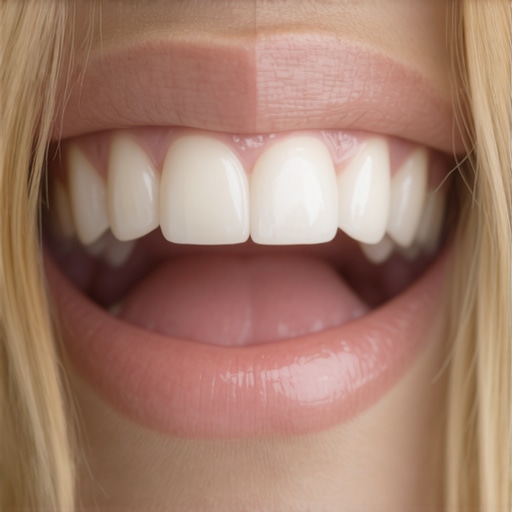
Ever been excited to try a whitening mouthwash, only to realize your teeth are actually looking duller and more yellow after just a week? I remember the first time I experienced this frustrating surprise. There I was, diligently swishing every morning, expecting a brighter smile, but instead, I noticed my teeth looked noticeably less vibrant. It was disheartening, and honestly, I felt a bit betrayed by the product I trusted.
Unlocking the Mystery Behind Teeth Discoloration After Whitening Mouthwash
Many folks don’t realize that some whitening mouthwashes can actually do more harm than good if used incorrectly or if your teeth aren’t ready for their ingredients. These products often contain potent bleaching agents intended to lighten stains, but they can also strip away protective layers of enamel or disrupt the natural balance of your oral environment. When that happens, your teeth might appear more yellow or dull because the underlying dentin—your teeth’s natural coloration—becomes more visible.
Interestingly, a study published by the American Dental Association shows that improper use of whitening agents can lead to increased sensitivity and discoloration, especially when the enamel is compromised (ADA, 2020). This was exactly my mistake—thinking that more frequent use would expedite results, I inadvertently caused more damage.
Do you feel like your whitening efforts are backfiring? If so, you’re not alone. In the next section, we’ll dive into how to identify the signs that your whitening routine needs adjustment and how to restore your smile efficiently. Stay with me—your perfect, bright smile might be just a few smart steps away.
Identify and Limit Whitening Products
Start by auditing your current whitening regimen. Remove or reduce the use of mouthwashes containing harsh bleaching agents that may damage enamel. Switch to gentler, professionally recommended options instead. During my own mishap, I found that gradually reducing my mouthwash frequency prevented further enamel erosion, resulting in less sensitivity and a more natural-looking smile.
Implement Proper Dental Care Practices
Consistent brushing with fluoride toothpaste, flossing, and regular dental check-ups strengthen enamel and mitigate discoloration. I once neglected flossing due to a busy schedule, which led to plaque buildup and dullness. Once I re-established my routine, my teeth regained their natural brightness, highlighting the importance of daily habits.
Choose the Right Whitening Methods
Opt for professional whitening treatments or over-the-counter products that suit your enamel’s condition. For instance, dental veneers can offer a permanent solution if whitening isn’t effective. Check out veneers for more insights. I experimented with DIY whitening strips at home, which caused uneven results and increased sensitivity. Consulting your dentist ensures safe, effective options tailored to your needs.
Timing and Frequency are Key
Limit whitening to recommended intervals—overdoing it can weaken enamel and cause discoloration. I once used whitening gel daily, thinking quick results were better, but my teeth became more translucent and dull. Following guidelines, whether from your dentist or product instructions, helps preserve enamel integrity.
Understand the Role of Dentin and Enamel
Deep discoloration often stems from the underlying dentin, which becomes more visible when enamel wears down. Using too aggressive whitening can accelerate enamel loss, exposing this layer. Think of teeth like a layer cake—removing too much of the frosting reveals the filling beneath. Maintaining enamel health keeps your natural color vibrant.
Address Sensitivities Promptly
If whitening causes discomfort, pause treatment and consult your dentist. They might recommend desensitizing agents or alternative procedures. During my experience, taking breaks allowed my teeth to recover, preventing long-term damage.
Incorporate Protective Measures
Use remineralization toothpaste and sodium fluoride rinses post-whitening to strengthen enamel. Incorporate a diet low in staining foods and drinks, such as coffee and tea, to maintain brightness. Remember, moderation is vital—like tending a garden, consistent care yields the best results.
Seek Professional Guidance
A dental professional can evaluate your teeth and suggest personalized solutions, including professional whitening or veneers. Proper diagnosis prevents unnecessary damage and ensures optimal results. It’s similar to consulting an architect before building—expert advice guides your efforts efficiently.
Many people assume that invisible aligners like Invisalign are merely a cosmetic fix, but the reality is far more nuanced. While Invisalign has revolutionized orthodontics with its discreet design, some believe that they can switch to the next size or skip wearing them without consequences—this is a dangerous misconception. Proper adherence is essential; otherwise, treatment stalls, or worse, causes misalignment or bite issues. Similarly, a frequent myth is that veneers are permanent and completely damage-free; in truth, they involve altering the tooth surface, which can compromise enamel if not carefully planned. An advanced mistake is underestimating the importance of cosmetic compatibility and durability—partnering with a skilled dentist ensures natural aesthetics, which is critical for long-term satisfaction. When it comes to teeth whitening, many think all products are equally safe and effective. However, overuse of aggressive bleaching agents can weaken enamel and increase sensitivity. A study by the Journal of Esthetic and Restorative Dentistry emphasizes the need for customized whitening plans based on individual enamel health (J Esthet Restor Dent, 2021). Consequently, more isn’t always better, and professional guidance is paramount. Family dentistry often gets dismissed as simply routine check-ups, but the real nuance involves personalized preventative care that adapts to each family member’s unique needs, including children’s developing teeth or seniors’ periodontal health. Moreover, neglecting early interventions during routine visits can lead to costly repairs later. Many overlook the importance of holistic oral health, which encompasses diet, habits, and education—these factors significantly influence long-term outcomes. Have you ever fallen into this trap? Let me know in the comments. Understanding these subtleties can help you make smarter decisions, avoid costly mistakes, and achieve a truly healthy smile.Maintaining a radiant smile after treatments like Invisalign, veneers, or teeth whitening demands the right tools and consistent care routines. Personally, I rely on a combination of professional-grade whitening devices and smart oral hygiene practices to ensure my results last. For instance, I swear by the ** Philips Sonicare ExpertClean** electric toothbrush, which offers targeted plaque removal and gentle whitening modes that minimize enamel wear. Its built-in timer keeps me honest, ensuring thorough coverage with each brushing session. Additionally, I incorporate **water flossers** like the **Waterpik Aquarius**—not just for convenience but because it effectively cleans around brackets, veneers, and under dental appliances, which traditional floss often misses. Regularly using a water flosser has helped me prevent staining and buildup, especially when dealing with braces or translucent veneers. In terms of whitening, I prefer professional take-home kits from my dentist, which combine safety with efficacy, reducing the risks of sensitivity or damage. These are usually custom-fitted trays paired with a gentle bleaching gel, ensuring an even whiteness without overexposing your teeth to harsh agents. Moreover, I stay informed through resources like professional whitening tips, which recommend periodic touch-ups to maintain brightness. Looking ahead, advancements in **smart dental devices**—such as app-connected toothbrushes and AI-powered whitening systems—are poised to make long-term oral care even more personalized and efficient. These innovations will likely integrate with your dental history to recommend tailored routines, minimizing the risk of damage while maximizing results.
How do I maintain my dental enhancements over time?
The key is consistency—using the right tools daily, scheduling regular dental visits, and staying updated with the latest innovations. Don’t just buy high-tech equipment; learn how to use it effectively. For example, mastering the proper technique with your water flosser can drastically improve plaque removal and stain prevention. I recommend setting a routine that incorporates these tools into your nightly habits—your future self will thank you. If you’re interested in exploring advanced tips, try upgrading your water flossing technique by angling the jet at your gum line for optimal debris removal, which can significantly boost your oral health and prolong your aesthetic results. Remember, long-term maintenance isn’t a one-time effort but a lifestyle. For comprehensive guidance, feel free to contact me for personalized recommendations or visit our contact page. Keep your smile shining bright and healthy—your future self will appreciate it.
Unforeseen Lessons That Changed My Approach to Cosmetic Dental Care
One of the most surprising revelations I had was realizing that the allure of quick fixes often overshadowed the importance of ongoing maintenance. I once believed that a set of perfect veneers would forever keep me looking flawless, but I soon learned that without consistent care and smart habits, even the most advanced cosmetic procedures could fall short of expectations.
Another insight was recognizing the significance of individual anatomy in choosing whitening treatments. Not all teeth respond the same way, and blindly following generic advice can lead to sensitivity or uneven results. Personal consultation became a game-changer for me, emphasizing patience and tailored solutions over rapid results.
Lastly, I discovered that genuine confidence emerges not from perfection but from understanding and caring for your teeth. Embracing minor imperfections while maintaining good habits has allowed me to wear my smile with pride, knowing I’ve invested in my oral health thoughtfully.