
How to get the stubborn stains out of your Invisalign chews
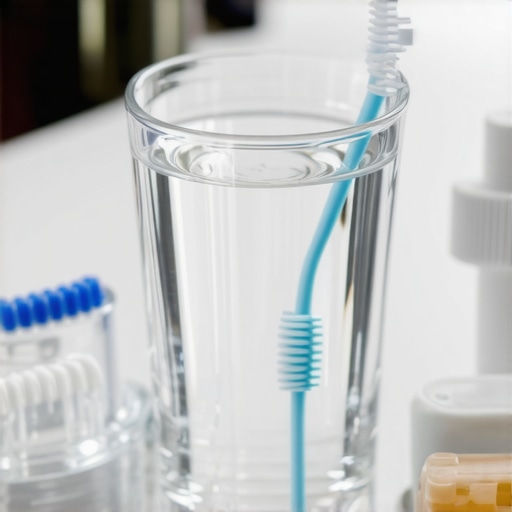
I’ll never forget the moment I glanced at my reflection and noticed those embarrassing, stubborn stains lingering on my Invisalign chews. I had diligently followed my dental routine, yet every time I reached for my chewy, the same dark marks stared back at me. It felt like a personal battle that I couldn’t win, and honestly, it made me wonder if I was doing something wrong.
Why Do Stains Persist on Invisalign Chews?
Stubborn stains on Invisalign chews aren’t just unsightly; they can signal plaque buildup or residue that standard cleaning methods often overlook. These marks aren’t always created equal—often, they result from sugar, coffee, or other staining foods interacting with the materials of the chew. Early on, I made the mistake of soaking my chews in plain water, thinking it was enough. Spoiler: It wasn’t. Learning how to properly remove these stains became essential in my journey to maintain a healthy, clean smile.
Is It Really Worth the Effort to Remove These Stains?
This was the skeptic in me speaking. I wondered if all the fuss was necessary or just cosmetic. But research shows that neglecting proper cleaning routines can lead to plaque accumulation, cavities, and gum issues. Trust me, I learned this the hard way when I noticed my gums becoming irritated after ignoring my chews’ cleanliness for too long. So, yes—removing those stains isn’t just about aesthetic appeal; it’s about preserving your oral health.
If you’ve ever faced the frustration of trying to get stubborn stains off your Invisalign accessories, you’re not alone. I was in the same boat—until I discovered some surprisingly simple yet effective techniques that transformed my cleaning routine. Ready to see these transformational tips? Let’s dive into the practical steps that helped me reclaim my bright, stain-free smile and can do the same for you!
Master Proper Cleaning Techniques
Begin by rinsing your Invisalign chews immediately after use with warm water to loosen food particles and residue. I remember a time when I neglected this step and found my chews noticeably darker after a few days. To combat this, I started rinsing them thoroughly right after every meal, which significantly reduced stain buildup.
Use Appropriate Cleaning Solutions
Choosing the Right Cleaner
Opt for specialized Invisalign cleaner tablets or a mixture of equal parts hydrogen peroxide and water. During my second attempt at cleaning, I soaked a stained chew in hydrogen peroxide for about 15 minutes, observing the stains fade. Avoid harsh chemicals like bleach, which can damage the material.
Effective Soaking Practices
Fill a small bowl with your chosen cleaning solution and fully submerge the chews. Let them soak for at least 10-15 minutes. I learned this the hard way when hurriedly rinsing my chews led to persistent stains. Regular soaking keeps the material clean and bright.
Gently Scrub Away Stains
Use a soft-bristled toothbrush to gently scrub the chews, focusing on stained areas. I once tried scrubbing vigorously, which caused small tears. Now, I soften the brush and use circular motions, which lifts stubborn stains without damaging the material.
Prevent Future Stains with Routine Maintenance
Incorporate daily cleaning into your routine to prevent buildup. After each cleaning, dry the chews thoroughly with a soft cloth to inhibit bacterial growth. During my routine overhaul, I set reminders, and within days, my chews looked clearer and felt fresher.
Incorporate Dietary Changes
Limit consumption of staining foods like coffee, tea, and red wine when using Invisalign chews. I noticed fewer stains when I minimized these in my diet. Regularly rinsing and cleaning after consuming such items also helps maintain clarity.
Consider Professional Advice
If stains persist despite your efforts, consult your dentist or orthodontist. They can recommend specialized cleaning procedures or assess if there’s underlying plaque buildup. I found that visiting my dentist for professional cleaning once in a while kept my Invisalign accessories in optimal condition and supported my overall oral health.
Many people believe they understand the basics of cosmetic and restorative dentistry, but in reality, there are several misconceptions and overlooked details that can impact long-term results. As an expert in dental aesthetics and health, I want to shed light on some common myths and nuanced pitfalls in areas like Invisalign, teeth whitening, family dentistry, and veneers, so you can make better-informed decisions. Let’s start by challenging the notion that all teeth whitening methods are equally safe and effective. Everyone says whitening strips or over-the-counter products are sufficient, but not all are created equal. Research indicates that some over-the-counter options can cause increased tooth sensitivity or enamel erosion if misused, especially those with high peroxide concentrations. Proper professional whitening supervised by your dentist reduces risks like uneven results or damage, making it a more prudent choice.
Now, moving to Invisalign—many assume that if aligners feel tight, the treatment is progressing perfectly. However, over-tightening or attempting to force aligners can actually harm your teeth or gums. Regular check-ins ensure that the movement occurs safely and predictably. Additionally, some patients think that Invisalign is only for mild cases, but advancements have expanded its scope. For complex malocclusions, clear aligners can be just as effective as traditional braces when used correctly.
Regarding family dentistry, a common misconception is to wait until a child’s teeth cause obvious issues before seeking dental care. However, preventive visits and early assessments can detect problems like misalignments or decay long before they become noticeable. Starting early can save you money and discomfort later, and helps your children develop positive oral health habits. You can read more about creating a healthy routine for kids at Family Dentistry Tips.
When it comes to veneers, many think of them solely as a cosmetic fix, but poorly fitted or incorrectly bonded veneers can cause bite issues or gum irritation. The secret is choosing an experienced, knowledgeable cosmetic dentist who considers the individual anatomy and functional dynamics, not just aesthetics. For advanced tips, see Veneers Made Simple.
Here’s a critical nuance: a common trap for many is to believe that whitening or veneers are permanent solutions without maintenance. In reality, the effects can diminish over time, and neglecting routine checkups or touch-ups can lead to uneven discoloration or veneer failure. Hence, continuous care and personalized advice from your dentist are essential. For deeper insights, review Invisalign Maintenance.
**Make sure you don’t fall prey to these oversights. Ask your dentist about a comprehensive treatment plan tailored to your needs, and be wary of shortcuts promising quick fixes.** Have you ever fallen into this trap? Let me know in the comments!
Keeping Your Dental Enhancements in Top Shape
Maintaining the results of treatments like Invisalign, teeth whitening, family dentistry, or veneers requires more than just daily brushing. Investing in the right tools can make all the difference in ensuring long-term success. Over the years, I have relied on specific equipment and techniques that have proven reliable and effective. Here’s what I personally recommend to keep your smile in pristine condition.
The Power of a Sonic Toothbrush
I swear by my Philips Sonicare ProtectiveClean. Its high-frequency vibrations help dislodge plaque more efficiently than manual brushes, especially around veneers and orthodontic attachments. Using it twice daily ensures that there’s no room for stubborn bacteria to take hold, which is crucial for long-term durability of cosmetic work. The gentle yet effective cleaning also reduces gum inflammation, maintaining healthy tissue around your restored teeth. For tailored advice, consult your dentist about the best brush type for your specific needs.
Advanced Flossing Made Easy
Traditional floss can’t always reach those tight spaces around veneers or under braces. I prefer the Water Flossers like the Waterpik Aquarius
because they use gentle water pressure to clean between teeth and along the gumline. Regular use has significantly minimized plaque buildup, preventing stains and decay that could compromise your treatments. Remember, flossing isn’t just about removal; it’s about stimulating your gums and preventing long-term periodontal issues. For a step-by-step guide on how to maximize its benefits, check the detailed tips at this resource.
Investing in Professional-Grade Whitening
While over-the-counter products are tempting, professionally supervised whitening kits provide consistent, safe, and effective results. I use custom trays with high-quality gel provided after my dental consultation. They ensure even application, reducing the risk of sensitivity while maintaining the brightness of my veneers and natural teeth. Coupled with periodic touch-ups, this method preserves a luminous smile for years to come.
Managing Long-Term Results and Scaling Up
As treatments like Invisalign and veneers age, maintaining their appearance becomes even more critical. Regular checkups allow your dentist to evaluate and refresh your routine. Additionally, incorporating tools such as digital monitoring apps—like the one integrated into my dental practice—helps track daily habits and reminds me when it’s time for re-evaluation or touch-ups. As technology evolves, expect even smarter tools to emerge, making at-home care more effective than ever. I predict that future innovations will include AI-driven devices capable of analyzing your oral health in real-time, notifying you of issues before they become visible.
How Do I Maintain Invisalign, Teeth Whitening, and Veneers Over Time?
The key to long-lasting results is consistency and strategic use of advanced tools. Combining professional advice with your personal efforts keeps your smile bright, healthy, and beautiful. To discover more about scalable options tailored for your needs, consider consulting your dentist or visiting our contact page.
Throughout my journey with Invisalign, teeth whitening, family dentistry, and veneers, I’ve uncovered invaluable lessons that often go beyond standard advice. These insights turned my routine from mundane to transformative, ensuring my smile stayed radiant and healthy for years.
The Hard-Knock Lessons Only Insiders Know
- Don’t Underestimate the Power of Consistency: Regular, thorough cleaning—not just once in a while—really makes a difference. Skipping routine maintenance can secretly undermine your efforts, leading to stubborn stains and compromised longevity of treatments.
- Beware of Quick Fix Myths: Believing that cheap whitening products or DIY shortcuts will save you time and money might cost you more in the long run. Proper professional guidance ensures safety and lasting results.
- Timing Is Everything with Veneers: Trying to rush your cosmetic upgrades or delay regular checkups can result in costly repairs or adjustments later. Patience and routine visits uphold your smile’s integrity.
- Early Prevention Beats Emergency Repairs: Addressing minor issues early—such as gum irritation or slight discomfort—can prevent major setbacks. Preventive care is a wise investment that pays dividends.
Tools That Elevated My Dental Care Routine
- Sonic Toothbrushes: My Philips Sonicare has become indispensable, effectively targeting plaque around veneers and aligners, saving me trips to the dentist and maintaining my fresh smile.
- Water Flossers: Using a Waterpik transformed my gum health, reaching tight spaces where traditional floss faltered. It’s gentle yet thorough, ideal for maintaining Invisalign and veneer surfaces.
- Professional-Grade Whitening Kits: Partnering with my dentist for custom whitening trays keeps my teeth bright without sensitivity or uneven results, unlike over-the-counter options.
- Regular Dental Check-ins: Establishing a routine schedule for professional evaluations helped me catch small issues before they became big problems, preserving my treatments’ lifespan.
Embrace Your Smile Journey Today
Remember, caring for your Invisalign, whitened teeth, family dental health, and veneers isn’t just about appearance—it’s a lifelong commitment to confidence and well-being. Whether you’re just starting or maintaining, every effort you invest brings you closer to a radiant, healthy smile that lasts. Ready to take the next step? Reach out for a consultation and start your smile transformation today. Curious about customizing your routine? Share your questions below—I’d love to hear your story and help you succeed on your dental journey.