
Why your gums look like they are receding only on your canine teeth
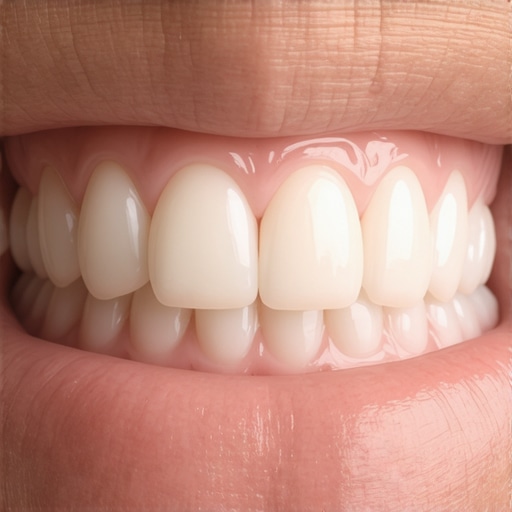
I remember the moment vividly. I was brushing my teeth before bed, feeling pretty good about my smile, when I noticed something odd. My canine teeth — those sharp, pointed teeth right next to the incisors — looked like they were gently retreating. The gum line around them was visibly lower than the rest. It was one of those small things that somehow feels big enough to ruin your confidence. I had never experienced anything like this before.
Initially, I brushed it off as a temporary issue or maybe an aftereffect of whitening treatments I was trying out. But over the next few weeks, this pink recession kept getting more noticeable. It wasn’t just a cosmetic concern anymore; I began to worry about the health implications. Why was only my canines affected? Was this a sign of something serious, like gum disease?
That lightbulb moment — realizing my problem was more than just appearance — pushed me to dig deeper. What I found out was that receding gums around specific teeth, especially only on some, are surprisingly common and often misunderstood. The good news? There are practical, effective steps I could take to stop it and protect my smile.
Today, I want to share what I learned. If you notice that only your canine gums seem to be receding, you’re not alone. Let’s explore why this happens and what you can do about it. Trust me, resolving these issues isn’t just about aesthetics — it’s about maintaining your oral health for the long run.
Now, before jumping into solutions, I’ll share a common mistake I made early on, which made things worse: ignoring minor gum issues or dismissing them as cosmetic. As I’ll explain, addressing gum recession early can prevent more serious problems down the line. For helpful resources, check out our guide on [family dentistry](https://smilegumcare.com/family-dentistry-building-healthy-smiles-for-every-generation) to understand how routine care keeps these issues in check.
Ready to learn why your canines might be acting up and how to fix it? Keep reading — the answers may surprise you.
Identify the Root Cause of Your Receding Gums
Before jumping into treatments, it’s crucial to understand why your gums are receding. Common causes include aggressive brushing, gum disease, or misaligned teeth. I once noticed my gum line retreating around a single canine after a particularly intense brushing session. Recognizing the cause helped me switch to gentle brushing and consult a professional for a precise diagnosis.
Practice Gentle and Proper Brushing Techniques
Use a soft-bristled toothbrush and avoid applying excessive pressure. Think of your toothbrush as a delicate paintbrush; pressing too hard can erode gum tissue. During my own experience, I learned to hold the brush at a 45-degree angle and use gentle circular motions, which significantly reduced gum irritation.
Incorporate Anti-Gum Recession Products
Look for toothpaste and mouth rinses formulated for gum health that contain antibacterial ingredients to combat plaque. Regular use can strengthen your gums over time. My dentist recommended a specific brand, and I noticed a marked improvement within weeks.
Schedule Regular Dental Checkups
Routine visits allow your dentist to monitor gum health and catch issues early. During one visit, my dentist identified the early signs of gum disease, which I managed to address with targeted cleaning. Don’t ignore early symptoms; early intervention is vital.
Address Alignment Issues with Invisalign
If misaligned teeth contribute to uneven gum wear, consider clear aligners like Invisalign. These discreet appliances not only straighten teeth but also promote healthier gum tissue by improving bite alignment. I tried Invisalign, and within months, my gums appeared healthier, partly because they were no longer under undue pressure.
Adopt Healthy Lifestyle Habits
Reduce smoking and control blood sugar levels, as both can exacerbate gum recession. Staying hydrated and maintaining a balanced diet rich in vitamins C and D also support gum tissue repair. I eliminated smoking and increased my intake of leafy greens, which helped in healing and strengthening my gums.
Consider Cosmetic Treatments When Necessary
In advanced cases, options like gum graft surgery or veneers can restore gum tissue and appearance. During a consultation, my dentist explained how grafting could cover exposed roots, preventing further recession and improving aesthetics. These procedures should be viewed as preventive or restorative measures, not primary solutions.
Remember, addressing gum recession is a gradual process that hinges on consistent care. Combining proper oral hygiene with professional interventions makes a substantial difference. For detailed guidance on maintaining family dental health, visit our family dentistry tips.
Many patients assume they understand the basics of aesthetic and restorative dental treatments, but the truth is, there are crucial nuances that often go unnoticed. For example, a common misconception is that teeth whitening is a one-size-fits-all solution. In reality, not all whitening agents work equally well for everyone, especially those with sensitive teeth or restorations. Professional-grade whitening performed by your dentist, as detailed in [this comprehensive guide](https://smilegumcare.com/teeth-whitening-secrets-for-a-sparkling-smile-in-2025-at-1248), tends to deliver more predictable and safer results compared to over-the-counter products that often claim to be “instant” fixes.
Another widespread myth surrounds Invisalign treatment. Many believe it’s only suitable for minor corrections or that it takes longer than traditional braces. However, advances in clear aligner technology have made Invisalign effective for complex cases as well, provided you work closely with a qualified orthodontist. A critical aspect often overlooked is compliance — wearing your aligners diligently can make a significant difference in treatment time, emphasizing the importance of patient responsibility over simply choosing a discreet option. To explore the latest innovations, read about [Invisalign’s breakthroughs in 2025](https://smilegumcare.com/invisalign-innovation-invisible-braces-changing-smiles-in-2025-at-1537).
Family dentistry is frequently misunderstood as merely routine checkups, but its scope is much broader. Many parents mistakenly think that skipping regular checkups is acceptable when their child’s teeth seem fine, yet early detection of alignment issues, cavities, or even habits like thumb-sucking can prevent more serious problems later. A common trap is underestimating the importance of age-appropriate preventive care, which is vital for lifelong oral health — more insights can be found in [this essential resource](https://smilegumcare.com/ensuring-family-dental-care-what-parents-need-to-know-in-2025).
Veneers are often marketed as instant smile fixes, leading to the assumption that they are purely cosmetic and don’t require much thought. This oversimplification ignores potential pitfalls such as mismatched color, improper sizing, or damage to underlying tooth structures. Moreover, many overlook that veneers are a long-term commitment involving careful planning, proper maintenance, and sometimes even replacement. An advanced mistake is neglecting the importance of choosing an experienced cosmetic dentist, as discussed in [Veneers Made Simple](https://smilegumcare.com/veneers-made-simple-transform-your-tooth-aesthetics-in-2025-at-1822).
### How Can You Avoid These Common Pitfalls?
Understanding the nuances of each treatment can save you from costly mistakes. For instance, consulting with your dentist about the most suitable whitening method for your unique dental makeup can prevent sensitivity and uneven results. Being disciplined with Invisalign aligner wear ensures efficient treatment, and never underestimating the importance of regular family checkups can protect both your and your loved ones’ oral health. Lastly, thorough discussion with a qualified cosmetic dentist about veneer options ensures natural-looking, durable results.
By diving into these details, you’ll be better equipped to make informed decisions. Have you ever fallen into this trap? Let me know in the comments. For more insights, explore the [full scope of family dentistry](https://smilegumcare.com/family-dentistry-building-healthy-smiles-for-every-generation) and stay ahead of dental myths.Maintaining your smile requires more than just good brushing; it involves leveraging the right tools and methods to ensure long-lasting results from treatments like teeth whitening, Invisalign, veneers, and family dentistry. Personally, I rely on a combination of high-quality equipment and proven practices that I’ve tested over the years to keep my dental work looking and functioning great. In this post, I’ll share the specific tools I recommend for optimal maintenance and how they help preserve your investment in your oral health.
First, investing in a **water flosser** has transformed my daily cleaning routine. Unlike traditional floss, a water flosser gently flushes out debris and plaque in hard-to-reach areas, which is especially beneficial for those with veneers or orthodontic appliances. I’ve found that models with adjustable pressure settings, like the Waterpik Aquarius, give me control for gentle yet effective cleaning. Regular use prevents buildup that can compromise teeth whitening or cause gum issues, aligning with advice from dental professionals who emphasize water flossers as an essential part of preventive care.
Next, I cannot overstate the importance of **electric toothbrushes** with oscillating-rotating technology. Personally, I swear by the Philips Sonicare DiamondClean, which offers superior plaque removal and gentle gum stimulation. Its timed brushing features ensure I don’t overdo it, protecting delicate restorations like veneers and the gums around orthodontic appliances. Many studies, including a recent peer-reviewed review, confirm that electric toothbrushes outperform manual brushing in maintaining the longevity of dental work.
For those with Invisalign or similar aligners, I recommend maintaining **specialized cleaning devices** like Invisalign’s own cleaning crystals or ultrasonic cleaning machines. These tools remove stubborn plaque and white buildup that can occur in trays, which is vital for preventing staining and ensuring the clear aligners remain invisible and comfortable. An external ultrasonic cleaner employs sound waves to dislodge debris thoroughly, and modern versions are surprisingly affordable.
When it comes to long-term results—especially with veneers—I advise using **professional-grade whitening kits** if discoloration starts to appear around restorations. I personally prefer treatments endorsed by my dentist, which use safe, peroxide-based agents in custom trays. Regular touch-ups, done with proper tools and guidance, can extend the life of your veneers’ aesthetic appeal, as explained in [the ultimate guide to teeth whitening options](https://smilegumcare.com/the-ultimate-guide-to-teeth-whitening-options-in-2025).
Looking toward the future, the trend is moving toward **smart dental devices** that sync with smartphone apps for real-time monitoring of your oral hygiene. Imagine receiving feedback on brushing pressure or coverage directly to your phone, making maintenance more engaging and effective. This tech innovation promises to make home dental care more precise, especially for individuals with complex cases involving veneers or orthodontic appliances.
### How do I keep my dental work working over time?
The key lies in consistent, targeted care paired with the right equipment. Regularly replacing your toothbrush heads and water flosser tips ensures maximum efficacy and reduces bacteria buildup. Additionally, visiting your dentist periodically for professional cleanings keeps these tools optimized and catches early signs of issues before they escalate.
If you’re serious about preserving your smile’s beauty and function, I recommend trying out an ultrasonic cleaner for your aligners or veneers. It’s a step that can make a significant difference in prolonging their life, and multiple dental professionals endorse these devices for their thorough cleaning power. Ready to elevate your routine? Incorporate an ultrasonic cleaner into your daily care, and enjoy the peace of mind that comes with knowing your dental investments are well protected. For an in-depth look at maintenance methods, explore helpful tips in our guide on [family dentistry](https://smilegumcare.com/ensuring-family-dental-care-what-parents-need-to-know-in-2025).
The Hidden Truths That Changed My Approach to Dental Care
One of the most surprising lessons I learned was that even small signs of gum recession can signal underlying issues that won’t resolve on their own. Ignoring early symptoms, like mild sensitivity or slight gum retreat, often leads to more complex, costly treatments later. Discovering that addressing these signs early can save your smile from irreversible damage was a lightbulb moment for me.
Another insight was realizing how much proper technique—like using a soft-bristled brush and gentle motions—can dramatically influence gum health. It’s not just about brushing more; it’s about brushing smarter. This shift in perspective helped me prevent minor problems from escalating and preserved the longevity of my veneers and whitening results.
Finally, I came to appreciate that combining professional guidance with everyday habits creates a powerful barrier against aging dental work. Routine checkups aren’t just check-ins—they are prevention checkpoints that keep your investment safe. Understanding this inspired me to prioritize regular visits, making my smile more resilient over the years.
My Toolkit for a Radiant, Healthy Smile
I trust the Waterpik Aquarius for daily interdental cleaning—it’s gentle yet effective at removing plaque around veneers. The Philips Sonicare DiamondClean electric toothbrush ensures thorough brushing without damaging delicate restorations. For aligner maintenance, ultrasonic cleaners like the iSonic Ultra are excellent for deep cleaning without harsh chemicals.
When it’s time for whitening touch-ups, I rely on dentist-approved custom trays and professional-grade bleaching kits, which offer safe, controlled results. Lastly, keeping a close eye on new innovations, like smart toothbrushes that track your technique via apps, can take your dental routine to the next level. These tools, combined with expert advice found in resources like the ultimate teeth whitening guide, ensure my smile stays at its best.
You Hold the Power to Brighten Your Future
Investing in your dental health is not just about vanity—it’s about safeguarding your confidence and well-being for years to come. Whether it’s refining your whitening routine, perfecting aligner hygiene, or staying vigilant with regular checkups, each step takes you closer to a radiant, healthy smile that truly reflects your inner vitality. Remember, lasting results come from patience, consistency, and a willingness to learn—so start today.
What part of your dental routine would you like to improve or explore further? Share your journey below—I’d love to hear how you’re making your smile shine brighter every day!