Unveiling the Future of Dental Aesthetics: Expert Insights into Teeth Whitening and Invisalign Innovations for 2024
As dental technology advances at a rapid pace, clinicians and enthusiasts alike are seeking evidence-based, innovative approaches for enhancing smiles. The convergence of teeth whitening and Invisalign treatments offers a synergistic pathway to achieving optimal aesthetic and functional outcomes. In this analysis, we explore the nuanced strategies that define the 2024 landscape, emphasizing clinical efficacy, patient-centered care, and emerging scientific insights.
The Scientific Basis of Advanced Teeth Whitening Techniques
Modern teeth whitening relies on peroxide-based compounds, with recent innovations emphasizing lower concentration gels combined with personalized application protocols. Experts advocate for in-office bleaching with enhanced light activation systems, which accelerate oxidation reactions without compromising enamel integrity. These protocols leverage the latest research published in the Journal of Dental Research, underscoring the importance of pH stabilization to prevent sensitivity while maximizing whitening efficacy.
Invisalign’s Cutting-Edge Innovations for 2024
Invisalign’s evolution incorporates AI-driven treatment planning, enabling precise movement prediction and customization. Recent developments include SmartTrack aligners that deliver consistent force distribution, reducing treatment duration and discomfort. For practitioners, integrating 3D imaging and digital smile design enhances aesthetics, ensuring alignment with patient expectations. The combination of these technological advances reflects a paradigm shift towards minimally invasive, highly predictable orthodontic solutions.
Integrating Whitening and Invisalign: Synergistic Strategies for Optimal Results
Optimal aesthetic outcomes often require a strategic sequencing of whitening and orthodontic interventions. Contemporary protocols recommend initial whitening to assess baseline shade, followed by Invisalign treatment, culminating in a final whitening touch-up. This sequence ensures that aligner margins do not interfere with bleaching agents, and cosmetic results are maximized. Evidence from clinical case studies indicates that synchronized treatment planning enhances patient satisfaction and reduces overall treatment time.
What are the latest debates regarding enamel preservation during combined whitening and orthodontic treatments?
One ongoing debate centers around the risk of enamel demineralization when whitening agents are used in conjunction with orthodontic appliances. While some studies suggest that fluoride remineralization agents can mitigate this risk, the consensus emphasizes vigilant monitoring and tailored protocols. Staying informed through leading publications such as the PubMed database is essential for clinicians committed to evidence-based practice.
For professionals seeking to refine their approach, exploring comprehensive resources on integrated smile enhancement strategies can provide valuable insights. Engaging with peer communities and sharing case experiences further fosters a culture of continuous improvement and innovation.
By embracing these advanced, science-backed methodologies, practitioners can elevate their standards of care and deliver smiles that are both radiant and functionally robust in 2024 and beyond.
Revolutionizing Smile Makeovers: Integrating Science and Technology for 2024
As the field of cosmetic dentistry continues to evolve, practitioners are increasingly adopting sophisticated methods that blend scientific innovation with personalized care. The integration of cutting-edge teeth whitening and Invisalign techniques exemplifies this trend, offering patients tailored solutions that maximize both aesthetics and function. In 2024, the focus shifts toward minimally invasive procedures that deliver rapid, durable results rooted in the latest research.
The Role of Enamel Preservation in Modern Cosmetic Dentistry
One of the most pressing concerns among dental professionals is how to safeguard enamel during aesthetic treatments. The debate centers on whether combined whitening and orthodontic procedures pose risks of demineralization. Recent studies published in the PubMed database highlight that with proper protocols—such as the application of fluoride remineralization agents and controlled bleaching concentrations—enamel integrity can be maintained effectively. This nuanced understanding empowers clinicians to customize treatments, balancing cosmetic benefits with long-term oral health.
Harnessing Digital Technologies for Precision and Personalization
Digital smile design, 3D imaging, and AI-powered treatment planning are revolutionizing how clinicians approach smile makeovers. These tools enable precise simulations, helping patients visualize outcomes before any procedure begins. For instance, integrating Invisalign’s latest innovations allows for real-time adjustments based on digital models, reducing treatment times and enhancing predictability. As a result, practitioners can craft bespoke treatment plans that align with individual aesthetic goals, fostering higher patient satisfaction.
Can we redefine the boundaries of aesthetic outcomes through combined minimally invasive treatments?
This question challenges traditional notions of complex, multi-step procedures, prompting us to consider how emerging science and technology can streamline processes without compromising quality. The synergy between advanced whitening agents and precision orthodontics has the potential to set new standards in cosmetic dentistry, emphasizing efficiency and safety. To stay at the forefront, clinicians should explore comprehensive resources on integrated smile enhancement strategies, which provide evidence-based frameworks for achieving optimal results.
Engaging with professional communities and continuing education helps practitioners refine their approaches, ensuring they deliver innovative, safe, and effective treatments. For those interested in expanding their knowledge, visiting our detailed guides on top smile makeover tips can be incredibly beneficial.
Advanced Enamel Preservation Techniques: Navigating the Nuances of Combined Cosmetic Procedures in 2024
As we push the boundaries of cosmetic dentistry, the focus on enamel preservation during combined whitening and Invisalign treatments has become paramount. The intricate balance between achieving optimal aesthetic results and maintaining long-term oral health necessitates a deep understanding of the latest scientific advancements and clinical protocols. In this context, innovative approaches such as the application of remineralization agents, laser-assisted enamel strengthening, and personalized bleaching protocols are reshaping the standard of care.
How Do Fluoride and Remineralization Agents Mitigate Enamel Demineralization?
Recent studies published in the Journal of Esthetic and Restorative Dentistry highlight that adjunctive use of fluoride varnishes and casein phosphopeptide-amorphous calcium phosphate (CPP-ACP) plays a crucial role in remineralizing enamel compromised by bleaching agents. These agents facilitate the deposition of minerals into enamel subsurface lesions, effectively reversing early demineralization. The strategic timing of their application—either before or after bleaching—can significantly reduce sensitivity and protect against structural loss.
Moreover, emerging nanohydroxyapatite formulations demonstrate promising results in enhancing enamel’s resistance to acid attacks, which are common during orthodontic treatment with Invisalign. These bioactive materials actively participate in forming a mineral-rich surface layer, fortifying enamel without interfering with the orthodontic process.
Can Laser Technology Revolutionize Enamel Strengthening?
Laser-assisted enamel strengthening techniques, such as low-level laser therapy (LLLT), are gaining traction as adjuncts to traditional remineralization approaches. Research from the Journal of Dentistry indicates that LLLT can stimulate odontoblastic activity and increase collagen synthesis, thereby enhancing the natural reparative capacity of enamel. When used synergistically with remineralization agents, laser treatments provide a minimally invasive, highly effective strategy to safeguard enamel integrity during aggressive aesthetic procedures.
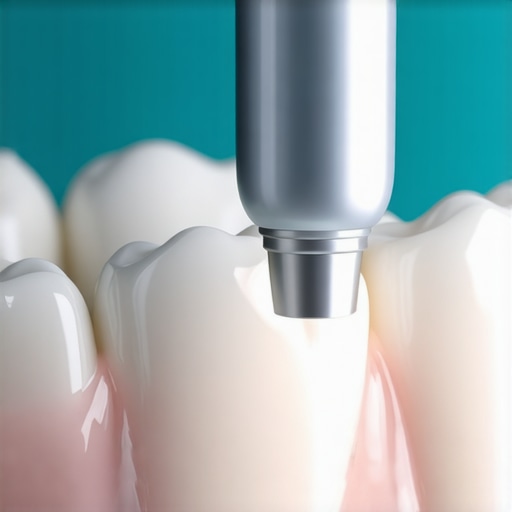
Image prompt: Close-up of laser device applying treatment on tooth enamel, highlighting modern dental laser technology in action.
What Are the Practical Protocols for Clinicians to Optimize Outcomes?
Implementing an evidence-based, patient-specific protocol involves comprehensive assessment, including quantitative light-induced fluorescence (QLF) or similar diagnostic tools to evaluate enamel health. Tailoring bleaching concentrations to low pH, coupled with the use of desensitizing agents and scheduled fluoride applications, ensures minimal adverse effects. Furthermore, integrating digital smile design allows practitioners to simulate treatment outcomes, adjusting plans proactively to mitigate risks to enamel integrity.
In addition, clinician education plays a vital role. Continuous professional development through workshops, webinars, and peer-reviewed publications ensures practitioners stay abreast of the latest innovations. Collaborative interdisciplinary approaches—integrating restorative, orthodontic, and cosmetic specialties—can also foster holistic patient care, maximizing aesthetic results while preserving enamel health.
For practitioners eager to deepen their expertise, exploring resources like the American Academy of Cosmetic Dentistry guidelines and peer-reviewed journals can provide valuable insights. Embracing these advanced protocols not only elevates clinical outcomes but also enhances patient trust and satisfaction, establishing your practice at the forefront of aesthetic dentistry in 2024.
Revolutionizing Enamel Preservation: Advanced Protocols for 2024
As the realm of cosmetic dentistry continues to evolve, the emphasis on safeguarding enamel integrity amidst aesthetic procedures has become paramount. Recent scientific breakthroughs and technological innovations are redefining best practices, enabling clinicians to achieve stunning results without compromising long-term oral health.
How Can Bioactive Materials Enhance Enamel Resilience?
The advent of nanohydroxyapatite and casein phosphopeptide-amorphous calcium phosphate (CPP-ACP) formulations signifies a major leap forward. These bioactive agents facilitate remineralization by depositing essential minerals into subsurface lesions, effectively reversing early demineralization caused by bleaching and orthodontic procedures. When integrated into treatment protocols, they act as protective shields, fortifying enamel against future acid attacks and mechanical stresses.
Is Laser Technology the Future of Enamel Fortification?
Emerging research indicates that low-level laser therapy (LLLT) can stimulate cellular activity within enamel, promoting natural reparative processes. Studies from the Journal of Dentistry suggest that laser-assisted enamel strengthening, combined with remineralization agents, offers a minimally invasive, highly effective method for maintaining enamel robustness during cosmetic treatments. This synergy not only enhances patient outcomes but also minimizes post-procedure sensitivities.
What Are the Practical, Evidence-Based Protocols for Clinicians?
Implementing cutting-edge protocols involves comprehensive diagnostic assessments utilizing tools like quantitative light-induced fluorescence (QLF) to evaluate enamel health pre- and post-treatment. Tailoring bleaching concentrations to low pH and scheduling fluoride applications strategically are essential steps. Additionally, digital smile design allows clinicians to simulate outcomes, adjusting plans proactively to prevent enamel compromise. Continuous professional development through reputable sources such as the American Academy of Cosmetic Dentistry ensures practitioners stay at the forefront of innovation.
How Can Interdisciplinary Collaboration Drive Better Outcomes?
Integrating restorative, orthodontic, and cosmetic specialties fosters a holistic approach, ensuring that aesthetic goals are harmonized with long-term dental health. Collaborative case planning, supported by advanced imaging and digital workflows, allows for precise interventions that preserve enamel while achieving desired cosmetic enhancements. This multidisciplinary strategy exemplifies the future of personalized, minimally invasive dentistry.
Engage with Cutting-Edge Knowledge to Elevate Your Practice
For practitioners committed to excellence, delving into the latest research articles, educational webinars, and professional guidelines is vital. Embracing innovations such as laser-assisted remineralization and bioactive materials will position your practice as a leader in safe, effective cosmetic treatments. Explore comprehensive resources and peer networks to refine your protocols and provide patients with the highest standard of care in 2024.
Expert Insights & Advanced Considerations
1. Embrace Multi-Modal Enamel Preservation Techniques
Integrating remineralization agents like CPP-ACP with laser-assisted enamel strengthening offers a comprehensive approach to protect enamel during combined whitening and orthodontic procedures, ensuring long-term oral health.
2. Prioritize Digital and AI-Driven Treatment Personalization
Utilizing digital smile design and AI treatment planning enhances precision, reduces treatment time, and aligns outcomes with patient expectations, setting new standards in cosmetic dentistry.
3. Foster Interdisciplinary Collaboration
Combining restorative, orthodontic, and cosmetic expertise through collaborative case planning optimizes aesthetic results while safeguarding enamel integrity, exemplifying the future of holistic dental care.
4. Stay Updated with Scientific Advances
Regularly consulting authoritative sources like the Journal of Dentistry and the PubMed database ensures evidence-based practice and adoption of innovative protocols.
5. Continuous Professional Development
Engaging in workshops, webinars, and peer-reviewed research accelerates mastery of emerging techniques such as nanohydroxyapatite formulations and laser therapies, maintaining clinical excellence.
Curated Expert Resources
- Journal of Esthetic and Restorative Dentistry: Offers the latest research on enamel preservation and innovative remineralization techniques essential for advanced aesthetic treatments.
- American Academy of Cosmetic Dentistry (AACD) Guidelines: Provides comprehensive protocols and best practices for minimally invasive, safe cosmetic procedures.
- PubMed Database: A vast repository of peer-reviewed articles supporting evidence-based decision-making and ongoing education.
- Scientific Publications on Laser-Assisted Enamel Strengthening: Critical for understanding minimally invasive enhancement approaches.
- Digital Smile Design Platforms: Tools that facilitate precise, personalized treatment planning aligned with cutting-edge technological standards.
Final Expert Perspective
In the realm of advanced cosmetic dentistry, integrating scientific innovation with technological prowess—particularly in teeth whitening and Invisalign—redefines the boundaries of aesthetic outcomes while prioritizing enamel preservation. Continuous learning, interdisciplinary collaboration, and engagement with authoritative resources are vital for clinicians aiming to deliver exceptional, durable results in 2024 and beyond. For those committed to elevating their practice, exploring comprehensive guides and sharing insights within professional communities will foster ongoing excellence. To deepen your expertise, consider visiting this resource and actively participating in industry dialogues—your next breakthrough in aesthetic dentistry awaits.


4 Comments