
Why your teeth feel ‘fuzzy’ by the end of the day
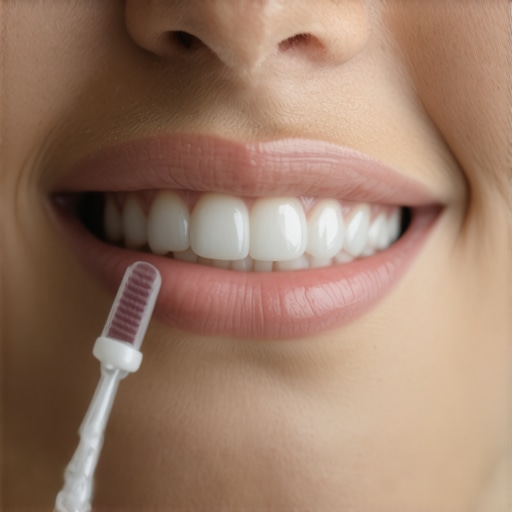
Just last week, I caught myself inspecting my reflection after a long day and noticing something odd — my teeth felt fuzzy, almost like a soft coating I couldn’t quite brush away. It was a lightbulb moment that made me realize how common this sensation is and how little most people understand about it. I used to brush and floss diligently, thinking I was doing everything right, only to still feel that annoying film lounging on my teeth. Does this sound familiar to you? If so, you’re not alone, and I promise there’s a reason behind it—and solutions too.
The Hidden Causes of that Fuzzy Feelings on Your Teeth
This fuzzy sensation isn’t just a minor inconvenience; it hints at underlying issues like plaque buildup, dry mouth, or even the beginning of dental erosion. When bacteria and food particles cling to your teeth and aren’t fully removed, they form a sticky layer called plaque that can feel fuzzy or filmy. Interestingly, studies suggest that plaque begins forming within minutes after brushing, especially if your brushing isn’t thorough or if your saliva isn’t doing its job to wash away debris. Moreover, factors like dehydration, certain medications, or even diet can reduce saliva production, leading to dry mouth. Without enough saliva to neutralize acids and wash away particles, the plaque and bacteria thrive, causing that sensation to linger longer than it should.
Early on, I made the mistake of dismissing this fuzzy feeling as just part of my busy day—until it turned into persistent issues like bad breath and sensitivity. The truth is, ignoring it only worsens the problem. That’s why understanding what’s happening inside your mouth is crucial. If you’ve been feeling that uncomfortable coating after a meal or long day, it’s time to pay closer attention and take steps that not only eliminate the fuzz but also boost your oral health status for good. Want to know how to do that? Stick around, because I’ll walk you through simple, effective strategies to keep your smile feeling fresh and clean, no matter how hectic your day gets.
Master Your Oral Hygiene Routine
Start by brushing your teeth at least twice daily with a fluoride toothpaste, ensuring you cover all surfaces—especially those hard-to-reach molars. During brushing, use a gentle circular motion to dislodge plaque without damaging your gums. I once manually brushed in straight lines—until I learned that circular motions are more effective at breaking down the sticky film on my teeth, leading to noticeably cleaner feelings. Incorporate flossing daily to remove debris between teeth where toothbrushes can’t reach. Flossing breaks up plaque in interdental spaces, reducing fuzzy buildup and preventing future cavities.
Introduce Antimicrobial Mouthwash
Use an antimicrobial mouthwash after brushing and flossing to reduce bacteria that contribute to plaque formation. Swish for at least 30 seconds, making sure the solution contacts all areas of your mouth. I experimented with different brands, but I found that an alcohol-free rinse helped my mouth feel fresh without the burning sensation. This step significantly diminishes the bacteria creating that fuzzy sensation, especially when used consistently—morning and night.
Optimize Saliva Production and Hydration
Dry mouth fosters plaque growth, so stay well-hydrated throughout the day. Drinking plenty of water stimulates saliva, which naturally cleanses your mouth. Avoid excessive caffeine or alcohol, which can dehydrate you further. I noticed my mouth was drier during busy workdays; drinking a glass of water during breaks helped restore saliva flow, making the mouth feel less coated and fresh longer. Consider chewing sugar-free gum or using saliva substitutes if dehydration persists, as this mimics the natural washing action of saliva, helping to prevent that fuzzy layer from forming.
Adjust Dietary Habits for Better Oral Health
Limit sugary and acidic foods, which feed bacteria and erode enamel. Instead, favor crunchy vegetables like carrots and celery, which act as natural abrasives, helping scrub off plaque as you chew. I made a habit of snacking on raw veggies, which not only cleaned my teeth after meals but also boosted saliva production—a natural defense against plaque buildup. Reducing intake of processed foods and sugary drinks directly impacts the formation of that fuzzy film, contributing to a cleaner, brighter smile.
Incorporate Professional Cleanings and Preventive Care
Schedule dental check-ups every six months. Professional cleanings remove stubborn plaque and tartar that regular brushing can’t eliminate. During one appointment, my hygienist used ultrasonic tools that effectively broke down calcified plaque, resulting in an immediate difference in how my teeth felt—smooth and clean. Regular visits also catch early signs of issues like dry mouth or enamel erosion, allowing targeted interventions such as treatments with veneers or whitening options, which further enhance your smile’s health and appearance. For advanced aesthetic and corrective procedures, explore options like [veneers](https://smilegumcare.com/veneers-made-simple-transform-your-tooth-aesthetics-in-2025-at-1822) or [Invisalign](https://smilegumcare.com/invisalign-innovation-invisible-braces-changing-smiles-in-2025-at-1537) to achieve that flawless finish.Many people believe that teeth whitening, veneers, Invisalign, and family dental care are straightforward solutions for a brighter, healthier smile. However, beneath the surface, common misconceptions and overlooked nuances can lead to disappointment or even harm. For instance, a widespread myth is that all whitening treatments have the same effects, but in reality, some over-the-counter options can cause enamel erosion if misused, as studies highlight the importance of professional supervision for safe results [source](https://smilegumcare.com/teeth-whitening-secrets-for-a-sparkling-smile-in-2025-at-1248). Similarly, many assume veneers are a quick fix for aesthetic flaws without considering the long-term implications on gum health or the importance of matching veneers to natural teeth for harmony. It’s a mistake that can lead to uneven wear or discomfort over time.
When it comes to Invisalign, there’s a tendency to think of it solely as a discreet alternative to braces. But advanced users understand that proper attachment placement and patient compliance are critical for success, especially since the treatment involves precise biomechanics that can be compromised if protocols are ignored [see more about invisible braces](https://smilegumcare.com/invisalign-innovation-invisible-braces-changing-smiles-in-2025-at-1537). Family dentistry, often viewed through a lens of routine check-ups, actually requires nuanced understanding of how genetic, dietary, and behavioral factors influence oral health across generations. Overlooking these can undermine preventive strategies.
A common trap is choosing aesthetic procedures like veneers or whitening without considering the underlying health. For example, placing veneers on teeth with unaddressed decay or gum disease can exacerbate problems, emphasizing the need for comprehensive assessment before any cosmetic work. Moreover, many patients fall for the misconception that ‘more whitening’ leads to better smiles, unaware that excessive bleaching can weaken enamel, creating sensitivity and increasing cavity risk.
Let’s not forget that a balanced approach combining cosmetic and preventive care results in sustainable dental health. As professionals, we advocate for educating patients about the complexities involved and personalized plans rather than one-size-fits-all solutions. This deep understanding can prevent future regrets and financial regret.
Are you aware of these nuances when considering cosmetic or family dental procedures? Have you ever fallen into this trap? Let me know in the comments.
Maintaining your radiant smile requires more than just good daily habits; it involves precise tools and strategic methods to ensure long-term results. One equipment I personally stand by is the ultrasonic scaler for professional cleanings. Unlike traditional hand tools, ultrasonic scalers vibrate at high frequencies, effectively breaking down stubborn plaque and tartar without damaging enamel. Regular use of such advanced devices during professional visits can significantly reduce the risk of gum disease and decay. Moreover, investing in quality at-home tools like an electric toothbrush with oscillating-rotating technology—such as the Philips Sonicare—has transformed my brushing routine. Its sonic vibrations reach deep between teeth, ensuring an efficient removal of plaque and providing that fresh, clean sensation I crave after every brush. Keep in mind, consistent use of these devices paired with professional guidance offers the best long-term results, especially when combined with scheduled check-ups. Predicting the future, dental tech is rapidly advancing with AI-powered diagnostics and smarter cleaning devices, promising even more personalized and effective oral care routines.
How do I maintain my results over time?
To sustain your dental health chronically, consider integrating regular digital assessments that monitor your enamel integrity and gum health. Tools like intraoral cameras used by your dentist can track minute changes, alerting you early to potential issues. Also, adopting specific whitening maintenance kits containing lower peroxide concentrations can keep your smile bright without risking enamel erosion. Remember, the foundation of lasting results is a combination of at-home diligence and professional oversight. For example, exploring the latest in Invisalign technology—such as their AI-enhanced tracking—can streamline your journey toward perfect alignment [discover more here](https://smilegumcare.com/invisalign-innovation-invisible-braces-changing-smiles-in-2025-at-1537). As technology evolves, so will the ways we safeguard and enhance our smiles, making routine care more effective and less burdensome. I urge you to incorporate a state-of-the-art instrument like the Sonicare toothbrush into your daily routine today, and see the difference it can make in maintaining that gleaming, healthy smile long-term. Want to see your dental health suite evolve? Check out our comprehensive approach to family dentistry [here](https://smilegumcare.com/ensuring-family-dental-care-what-parents-need-to-know-in-2025).”} }endlich,{
What I Wish I Knew When Starting My Smile Journey
One of the most profound lessons I learned is that cosmetic procedures like veneers or whitening are only part of the story. Addressing underlying health issues, such as gum disease or enamel erosion, makes all the difference in maintaining lasting results. I once thought brighter teeth alone were enough, but neglecting preventive care only led to more trouble down the line.
Another insight is that personalized treatment plans outperform generic solutions. Every smile is unique, and what worked for my friend didn’t necessarily suit me. Consulting with a trusted professional who tailors the approach led to fewer surprises and a more natural outcome.
Finally, patience is essential. Immediate results are tempting, but sustainable improvements require time, consistent habits, and sometimes, a bit of wait-and-see. Embracing this mindset helped me stay committed and truly appreciate my progress.
Tools That Empower My Smile Confidence
My go-to resource is the comprehensive guide on [teeth whitening options in 2025](https://smilegumcare.com/the-ultimate-guide-to-teeth-whitening-options-in-2025). It provided clarity on safe procedures and realistic expectations. I trust [Invisalign secrets](https://smilegumcare.com/invisalign-secrets-achieving-a-perfect-smile-discreetly) for discreet alignment options with cutting-edge tech, which has transformed my approach to unobtrusive orthodontics. Additionally, books like Smile Bright: Secrets to a Radiant Smile have deepened my understanding of maintaining oral health beyond the clinic. These tools have been invaluable in making informed choices aligned with my goals.
Your Next Step Counts Toward a Healthier Smile
Remember, your journey to a confident, healthy smile is uniquely yours, and every small step builds toward remarkable results. Embrace modern technology, seek personalized care, and stay curious—your best smile is just ahead. If you’ve ever hesitated before trying that new whitening or Invisalign, now is the perfect time to start. What’s one change you can make today to improve your smile? Share your thoughts below and let’s support each other’s progress.