
Why your teeth feel sensitive after you’ve had a hot drink
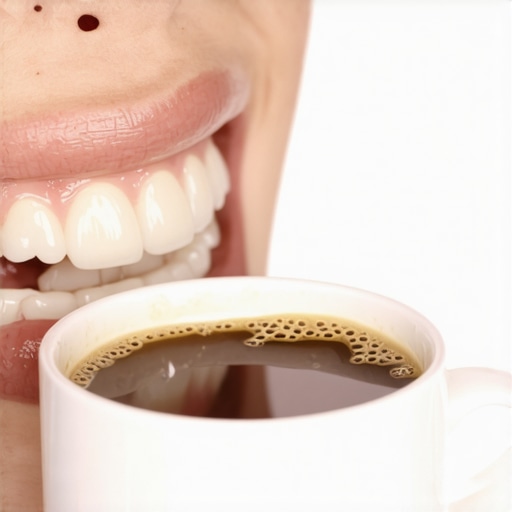
I remember the first time I took a sip of hot coffee on a cold morning, only to be greeted by a sharp, unexpected jolt of pain in my teeth. It was startling, almost as if my teeth were protesting the warmth. That moment was a real lightbulb for me—realizing that tooth sensitivity isn’t just an annoying quirk but a common issue that many people experience without fully understanding why.
This sensitivity can be downright disruptive, especially if you love your morning rituals or enjoy that hot cup of tea in the afternoon. It makes you wonder: “Why does my teeth hurt after I drink something hot?” Well, you’re not alone. Many individuals face this puzzling discomfort, and fortunately, you’re about to learn what causes it and how to find relief.
In today’s post, I’ll share insights from my personal journey and dental expertise about why teeth become sensitive after hot drinks and what effective solutions you can try. Whether it’s a fleeting annoyance or a persistent problem, understanding the underlying reasons is the first step toward a healthier, more comfortable smile.
Why Your Teeth React to Hot Drinks
Tooth sensitivity after consuming hot beverages happens because the protective enamel layer on your teeth might be compromised or your gums are receding, exposing the underlying dentin. Dentin contains tiny tubules that connect directly to the nerve inside your tooth; when exposed, anything that stimulates these tubules—like heat, cold, or even sweet and acidic foods—can trigger pain.
Early in my research, I made the mistake of blaming everything on bad luck—until I learned that enamel erosion from acids in citrus or soda, aggressive brushing, or certain dental treatments can all weaken that crucial barrier. Plus, if your gums are receding, it’s like opening a gate to nerve endings, making your teeth hyper-sensitive.
According to a study published by the Journal of Clinical Dentistry, nearly 45 million adults experience tooth sensitivity, highlighting just how common this dilemma is. Recognizing the root causes can help you avoid unnecessary worry and focus on practical ways to strengthen your teeth.
Are you tired of avoiding your favorite hot drinks because of discomfort? You’re about to discover simple, effective strategies to put an end to this sensitivity and enjoy your drinks again.
Is Tooth Sensitivity Actually Worth the Hype?
One of my biggest mistakes early on was dismissing mild discomfort as just part of aging—until the pain became more intense. Don’t make the same mistake. Sensitivity can signal underlying issues that, if left untreated, may lead to more serious dental problems. It’s important to address this discomfort early.
In the upcoming sections, I’ll guide you through actionable tips to reduce sensitivity, strengthen your enamel, and protect your gums, so you can savor your hot beverages without worry. Ready to regain that comfort? Let’s dive into the solutions.
Strengthen Your Enamel with Proper Oral Care
Start by brushing twice daily using a soft-bristled toothbrush and fluoride toothpaste. This acts like armor, reinforcing your tooth’s outer layer. I once switched to a gentle brushing technique, similar to polishing delicate glass, which instantly reduced my sensitivity and prevented enamel erosion. Remember, aggressive brushing can wear down enamel faster than you think, exposing dentin and heightening sensitivity.
Use Desensitizing Products Effectively
Incorporate toothpaste formulated for sensitive teeth into your routine. Apply a pea-sized amount and ensure you brush for two minutes, twice a day. During my last sensitivity flare-up, I added a desensitizing gel recommended by my dentist, which created a barrier over exposed dentin. Be consistent—results take about a week, but the relief is worth it.
Avoid Acidic and Abrasive Substances
Limit foods and drinks high in acid, like citrus and soda, which erode enamel much like acid eats away at concrete. Also, avoid abrasive whitening pastes that can scrub away enamel instead of cleaning it. I replaced my lemon-infused water with plain water and chose a non-abrasive toothpaste, which noticeably eased my sensitivity over time. Think of enamel as a brick wall; acids and abrasives weaken it, making dentin more accessible and sensitive.
Adopt Gentle Oral Hygiene Habits
Use a soft-bristled brush and gentle motions to clean your teeth, mimicking the tenderness you’d use on a fragile surface. Rinse with water afterward to neutralize acids. In my experience, switching to a softer brush and reducing brushing pressure, especially around the gum line, cut down my sensitivity episodes, showing how damage prevention is better than repair.
Consider Fluoride Treatments and Sealants
Ask your dentist about professional fluoride varnishes or sealants, which form a protective layer on enamel. I had a fluoride application during my dental visit, which fortified my enamel and diminished heat sensitivity. These treatments act like a sealant on a leaky pipe, preventing further deterioration and reducing nerve exposure.
Manage Gum Recession and Exposed Dentin
If receding gums are exposing dentin, consult a periodontist for targeted care. For early gum recession, professional cleaning and gum grafts can help restore the gum line. I once noticed slight gum recession; my dentist recommended a gum graft, much like repairing a garden fence that was letting in pests—restoring protection and comfort. Preventing gum recession is crucial, as it directly influences sensitivity levels.
Implement Lifestyle Changes to Support Dental Health
Reduce habits like bruxism (teeth grinding) and avoid smoking, both of which can weaken enamel. Using a mouthguard during sleep offers protection, much like a helmet for a cyclist. I started wearing a custom mouthguard, which not only protected against grinding but also made me more conscious of my oral health routines.
Schedule Regular Dental Check-Ups
Regular visits allow your dentist to spot early signs of enamel erosion and treat them before discomfort intensifies. They might recommend treatments like veneers or bonding if other measures aren’t enough. During my routine check-up, my dentist identified early dentin exposure and applied sealing agents, preventing further sensitivity.
By following these targeted steps, you effectively create a defensive line against heat-triggered sensitivity, allowing you to enjoy your favorite hot drinks again without discomfort. Remember, consistent care and professional guidance are your best allies in this journey toward a more comfortable smile.
Many people assume they understand the basics of cosmetic and family dental treatments, but intriguing nuances often go unnoticed. For instance, a widespread myth is that veneers are only for cosmetic perfection, but in reality, veneers can also strengthen damaged teeth when properly applied. This misconception can lead patients to opt for less effective solutions or overlook the restorative benefits veneers offer. Similarly, the belief that Invisalign is primarily for minor misalignments oversimplifies its capabilities; modern Invisalign technology can correct complex cases, offering discreet orthodontics for a broad range of issues. You can explore more about the latest advancements in [Invisalign](https://smilegumcare.com/invisalign-innovation-invisible-braces-changing-smiles-in-2025-at-1537) to understand its true potential.
A common trap in teeth whitening is assuming that over-the-counter products provide the same results as professional treatments. While OTC options are accessible, they often lack the potency and safety controls of professional bleaching, which are tailored to your enamel’s unique needs. Overuse or misuse can lead to increased sensitivity or even damage, so it’s best to consult your dentist for personalized whitening strategies. For expert insights, review the [teeth whitening secrets](https://smilegumcare.com/teeth-whitening-secrets-for-a-sparkling-smile-in-2025-at-1248) that highlight safe, effective options.
What about family dentistry? Many overlook its importance beyond routine cleanings. The truth is, regular visits are crucial for early detection of issues like cavities, gum disease, or developmental concerns, especially in children. Addressing these early with a comprehensive approach can prevent more invasive procedures later. You can find valuable tips on creating a *comprehensive family dental plan* by visiting [family dentistry insights](https://smilegumcare.com/family-dentistry-building-healthy-smiles-for-every-generation).
Here’s a question for the advanced dental enthusiast: How do subtle variations in enamel thickness influence the success of veneers and whitening treatments? Recent studies, such as one published in the Journal of Esthetic and Restorative Dentistry, indicate that understanding individual enamel profiles is key to customizing treatment and predicting outcomes more accurately. Tailoring treatments based on nuanced factors like enamel thickness can significantly improve aesthetic results and longevity.
Are you aware of the hidden factors that could affect your dental results? Many fall prey to oversimplified views, risking ineffective treatments or damage. The key is to navigate beyond myths and consult with specialists who consider these nuances.
Have you ever fallen into this trap? Let me know in the comments or reach out for tailored advice. Dental health is a nuanced field, and staying informed helps you make smarter choices for your smile.Achieving a beautiful smile with veneers, Invisalign, or teeth whitening is just the beginning; keeping it all working effectively requires the right tools and diligent maintenance. One of my go-to tools is a sonic toothbrush, like the Philips Sonicare DiamondClean, which I personally use because its superior plaque removal helps preserve both whitening results and veneer integrity. Its oscillating and sonic technology effectively disrupts plaque beyond what manual brushing can achieve, ensuring my dental work stays in excellent shape over time. Additionally, investing in water flossers such as the Waterpik Ultra helps me maintain gum health, especially around fixed appliances like veneers or braces, by reaching areas traditional floss cannot access. Routine use of these tools is vital, especially as our habits and oral environments change with age. I also rely on professional-grade whitening pens, like the GLO Science LED Whitening Pen, for touch-ups to prolong the brightness of my smile without frequent dental visits. Looking ahead, I predict that advancements in smart toothbrush technology, equipped with AI to monitor brushing habits and pressure, will further revolutionize home dental care. When considering long-term success, ask yourself: “How do I maintain my dental enhancements and oral health over time?” Regular dental check-ups remain key, allowing your dentist to spot early signs of wear, gum recession, or new decay. They can recommend services like sealants or custom-fit occlusal guards to prevent wear or damage. For families, adopting these practices early and educating children on proper tools and techniques helps instill lifelong habits that preserve their smiles into adulthood. Remember, routine maintenance isn’t just about brushing; it’s about integrating effective tools and professional care into your lifestyle. For comprehensive guidance on maintaining your family’s dental health, check out [family dentistry tips for creating a healthy smile for your kids](https://smilegumcare.com/family-dentistry-tips-creating-a-healthy-smile-for-your-kids-at-0915). Start incorporating these advanced tools into your daily routine today, and you’ll be surprised at how much easier it becomes to keep that radiant smile for years to come.
Uncovering Hidden Truths That Changed My Approach to Dental Care
One of the most eye-opening lessons I learned was the importance of personalized treatment plans over one-size-fits-all solutions. Initially, I believed that any whitening treatment or veneer application would yield the same results for everyone, but I discovered that individual enamel thickness and gum health dramatically influence outcomes. This realization encouraged me to consult with specialists like those behind Invisalign experts and trusted cosmetic dentists, ensuring my treatments were truly tailored to my unique smile.
Another valuable insight was understanding the long-term maintenance required after procedures like veneers or teeth whitening. It’s tempting to seek instant results, but I found that commitment to proper home care—like using recommended tools such as quality whitening kits—significantly prolongs the benefits. This shift in perspective transformed my approach from convenience-focused to lifelong care, helping me preserve my bright, natural smile.
Additionally, I learned the importance of balancing aesthetics with functionality. For example, I initially prioritized a perfect white smile, but neglecting dental health led to sensitivity issues. Engaging with reliable sources like Veneers guides and consulting regularly with my dentist emphasized that a beautiful smile must also be healthy, resilient, and well-maintained.
Tools and Resources That Reinforced My Commitment to Dental Excellence
My go-to resources include trusted professional tools and information from expert-led guides. I rely on professional-grade whitening pens and soft-bristled toothbrushes recommended by dental specialists for daily upkeep. For education, I turn to reputable sites that delve into advanced treatments, like the latest orthodontic innovations, which have reshaped my understanding of discreet orthodontics. These tools and insights make the pursuit of a radiant smile manageable and enjoyable, not daunting.
Furthermore, I’ve found it invaluable to join communities or forums where real stories and expert advice converge. Sharing experiences about maintaining veneers or preventing sensitivity after whitening has been both motivating and educational. Remember, staying connected with trusted resources and professionals ensures your dental journey remains aligned with your goals and well-being.
Feeling Empowered to Keep Your Smile Bright
The most profound takeaway from my path is that maintaining a beautiful, healthy smile is an ongoing adventure, rich with personalized lessons and discoveries. Embrace the process with patience and curiosity, knowing that each step—whether it’s choosing the right whitening products, preventing gum recession, or exploring innovative orthodontic options—brings you closer to a confident, radiant smile. Your journey matters as much as the destination, so don’t hesitate to seek out expert guidance and trusted tools.
Now, I’d love to hear from you: Which dental treatment or routine have you found most effective in maintaining your smile? Share your experiences below, or ask for advice—your story could inspire someone else’s journey toward healthier, happier teeth.