
Why your gums feel sore after you eat a lot of fruit
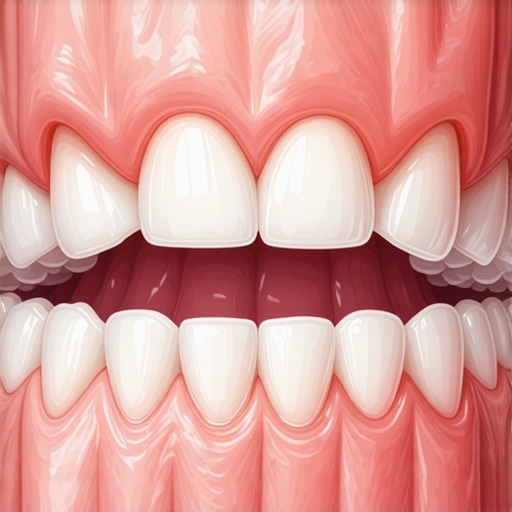
It was just yesterday when I grabbed a handful of sweet, juicy strawberries, eager to enjoy their natural sweetness. But minutes later, I was wincing, surprised at the sharp twinge in my gums. That moment of realization hit me—my gums felt sore, and I had just indulged in one of my favorite healthy snacks. Sound familiar? If you’ve experienced that uncomfortable, sometimes burning sensation after munching on fruits, you’re not alone. It’s a common issue that many folks overlook or dismiss as just a coincidence.
Understanding the Soreness: What’s Really Going on?
Here’s the thing: fruits are packed with natural sugars and acids that can sometimes wreak havoc on your sensitive gum tissue. When you eat a large amount of fruit—think of those beautiful berries, apples, or citrus—you might notice your gums start to feel irritated or sore. But why does this happen? Well, it all comes down to the chemistry in your mouth and how your gums react to it.
Acids in fruits like oranges, lemons, and grapefruits can temporarily weaken the enamel on your teeth and make your gums more sensitive. Plus, the high sugar content feeds bacteria that produce even more acids, leading to inflammation and soreness. I made the mistake early on of brushing immediately after eating fruits, thinking I was doing the right thing. But that actually worsened the irritation because your gums are already vulnerable during that time.
So, if you find yourself asking, “Why do my gums feel sore after I eat a lot of fruit?” I promise, there’s more to it than just a random reaction. Recognizing the root cause is the first step toward relief—and a healthier mouth.
How I Turned Things Around
In my own journey, I discovered simple habits that dramatically reduced the discomfort. Modulating my fruit intake and rinsing my mouth with water afterward helped neutralize acids. Moreover, I started using gentle, fluoride-rich toothpaste designed for sensitive gums, which you can learn more about in this guide. Since then, my gums are happier, and I can enjoy my favorite fruits without fear of soreness.
But wait—what if you’re still skeptical? Maybe you’ve heard that fruits are always good for you, and now you’re worried about missing out or damaging your smile. That’s a valid concern, and I’ll be honest: moderation, proper oral hygiene, and knowing the right timing matter immensely. Interestingly, a study published in the Journal of Clinical Periodontology highlights how dietary acids can influence gum health, confirming the need for mindful fruit consumption.
So, are you curious to find out how to enjoy your fruits without the discomfort? Stick with me, because in the next sections, I’ll share practical tips that have helped me—and could help you—keep your gums healthy and pain-free while savoring your favorite snacks.
Rinse and Neutralize
Immediately after enjoying fruit, grab a glass of water and swish it around your mouth for at least 30 seconds. This simple act helps wash away acids and sugars that cling to your gums and teeth. I recall one afternoon when I devoured a handful of citrus oranges; rinsing my mouth swiftly afterward prevented the typical soreness I used to experience. This step is crucial because it balances your mouth’s pH, reducing acidity that irritates sensitive gums.
Use Gentle Oral Care Products
Switch to a toothpaste formulated for sensitive gums, preferably fluoride-rich. When I started using a gentle toothpaste, I noticed less irritation and reduced bleeding. Avoid aggressive brushing right after fruit intake—wait about 30 minutes to let your enamel and gums recover from the acids. Think of it like giving your gums time to recover from a workout, not pushing them to do more immediately.
Limit Acidic Fruit Consumption
While fruits are healthy, some are more acidic than others. Berries, apples, and citrus fruit can spike acid levels in your mouth. To minimize discomfort, opt for less acidic varieties or eat them as part of a balanced meal rather than alone. I remember trying to gorge on a bowl of grapefruit, which resulted in intense soreness. Reducing portion sizes and combining fruits with dairy helped me enjoy them without the pain.
Plan Your Eating Schedule
Spacing out acidic fruit snacks throughout the day prevents prolonged acid exposure. For instance, I learned to eat fruit during main meals rather than as snacks between meals. This strategy reduces the constant onslaught of acids and sugars on your gums and enamel. Setting a schedule also helps your mouth recover naturally, preventing cumulative irritation.
See a Dental Professional Regularly
Routine dental check-ups catch early signs of gum sensitivity or damage. I recommend visiting a family dentist at least twice a year. During my last visit, my dentist suggested specific fluoride treatments to strengthen my gums and enamel. Regular professional cleanings remove plaque and tartar that can worsen sensitivity, especially if your diet includes acidic foods frequently. For tailored advice, consider consulting experts who can recommend products or procedures suited for sensitive mouths. Learn more about how family dentistry practices can help protect your family’s oral health.While many believe that veneers are an instant solution for a perfect smile, the reality is far more nuanced. Some assume that teeth whitening results are permanent, but without proper maintenance, their effects can fade quickly. Family dentistry is often misunderstood as only for children, yet it plays a crucial role across all ages in preventive care and early intervention. Also, Invisalign’s clear aligners are hailed as the ultimate discreet orthodontic fix, but many overlook the importance of patient compliance for optimal results.
A prevalent myth is that veneers don’t require any special care once bonded. However, improper habits like biting hard objects or neglecting oral hygiene can lead to chipping or staining, undermining their aesthetic benefits. Similarly, people often think whitening treatments are one-size-fits-all; but factors like age, tooth condition, and existing restorations influence their effectiveness.
Beware of the trap where some believe family dentists are less skilled than specialists. In truth, a well-trained general dentist can provide comprehensive care, coordinate treatments with specialists when needed, and focus on personalized preventive strategies—key to avoiding costly procedures later. To understand how to choose the right professional, check out this guide.
Getting the full picture also involves recognizing that Invisalign’s success depends on wearing the trays as prescribed. Non-compliance can lead to extended treatment times and subpar outcomes, a nuance often missed by first-time users. Advanced questions, like how the material used in aligners affects bacterial buildup, matter—studies indicate that newer materials with antimicrobial properties can reduce bacterial adhesion, enhancing oral health during orthodontic treatment here.
In your journey toward an improved smile, understanding these intricacies can save you time, money, and disappointment. Are you aware of the subtle factors influencing your dental treatments? Have you ever fallen into this trap? Let me know in the comments.
Invest in Precise Instruments for Lasting Results
When it comes to maintaining your veneers or teeth whitening, I rely heavily on high-quality dental tools to ensure longevity. A powerful ultrasonic scaler, like the Sonicare Flexcare, allows me to keep my regular cleanings professional and thorough, removing plaque without damaging delicate restorations. My personal favorite for at-home maintenance is the Waterpik Sonic-Fusion, which combines flossing and brushing in one device, making daily routines more efficient and effective. These tools enhance oral hygiene and work towards preventing issues that can compromise treatments over time.
Use Advanced Software to Track Progress and Schedule Regular Care
Beyond physical tools, I recommend utilizing dental management apps like Dentrix Ascend or Curve Dental. These platforms help me set customized reminders for check-ups, monitor my oral health progress, and keep track of treatment milestones, such as the lifespan of Invisalign aligners or veneers. Staying organized ensures you don’t overlook routine maintenance, which is vital for extending the lifespan of your cosmetic and restorative dental work. Regular professional assessments, supported by these digital tools, create a proactive approach rather than reactive fixes.
Opt for Cutting-Edge Whitening Solutions to Maintain Brightness
To preserve that sparkling smile, I turn to professional-grade whitening systems like Zoom! or KöR Whitening. Unlike over-the-counter options, these in-office treatments offer immediate, longer-lasting results. When combined with take-home custom trays and professional advice, the whitening effects can be maintained for years. Incorporating these advanced solutions into your routine, along with proper home care, turns out to be a game-changer in long-term aesthetic maintenance.
How do I keep my dental improvements functioning well over time?
One key secret I rely on is consistent maintenance with effective tools and scheduled services. Regularly replacing toothbrush heads and floss, using specialized cleaning devices, and keeping up with professional check-ups are essential. For instance, I replace my Waterpik tips every six months to prevent bacterial buildup, as recommended by dental experts. Incorporating these detailed habits ensures sustained results from veneers, whitening, or Invisalign treatments. As the trend moves toward smarter, app-integrated dental care, leveraging technology becomes even more critical. Check out this resource to discover how customized tools can elevate your smile maintenance. Don’t forget to try the advanced tip of setting up a personalized reminder system using a dental app; it’s made a notable difference in my long-term results.
As I reflect on my journey with cosmetic dentistry, one lesson resonates deeply: the importance of proactive care and mindful habits in preserving the results of veneers, teeth whitening, and Invisalign. These fantastic treatments can transform your smile, but without the right knowledge, their lifespan can be compromised. Here are the insights I wish I’d known earlier, which can help you enjoy a beautiful, healthy smile for years to come.
Why Playing It Safe Is Better Than Reacting
I used to believe that aggressive brushing and frequent touch-ups were the keys to longevity. Yet, I learned that gentle care and routine check-ups outperform reactive fixes. Early on, neglecting small issues led to costly repairs and even the need for replacements. Consistent, light maintenance focused on prevention, not correction, is a lesson that has saved me time and money—and it will do the same for you.
How Technology Supercharged My Smile Maintenance
Incorporating advanced tools like ultrasonic scalers and smartphone dental apps revolutionized my routine. These devices made cleaning more effective without risking damage, and scheduling reminders kept me accountable. Trusted resources, such as the comprehensive guides on veneers and whitening, have been instrumental in shaping my approach to long-term care.
Invisalign: More Than Just a Pretty Smile
One of my biggest revelations was understanding the importance of compliance. Wearing aligners as prescribed isn’t just for quick results—it’s crucial for avoiding delays and additional costs. The nuances, like how material quality impacts bacterial buildup, can make a significant difference. Staying informed through resources like Invisalign tips has helped me optimize my experience and maintain oral health during treatment.
Building a Future That Reflects Your Best Smile
Ultimately, the secret lies in consistent, smart practices tailored to your unique needs. Regular professional evaluations combined with modern tools ensure your investment in veneers, whitening, or Invisalign pays off long-term. Remember, a radiant smile isn’t just about aesthetics—it’s a reflection of your overall health and confidence. If you’re ready to embrace the full potential of your smile, start by applying these lessons today. Your future self will thank you for it.
What Lessons Have You Learned in Your Smile Journey?
Have you ever struggled with maintaining your cosmetic dental results? Or discovered a trick that made a big difference? Share your experiences below—I’d love to hear how you’re protecting and enhancing your beautiful smile!