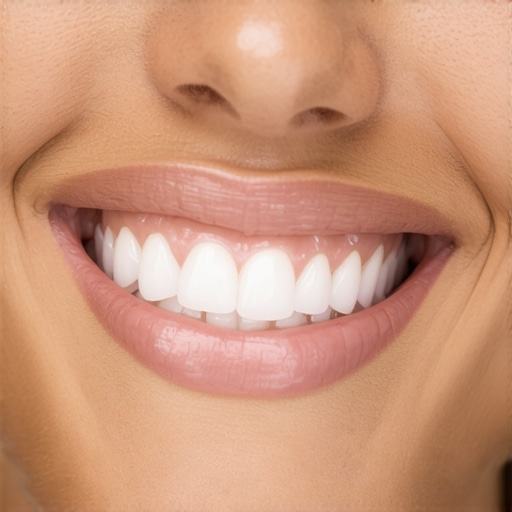
Unveiling the Synergy of Invisalign and Teeth Whitening in Modern Cosmetic Dentistry
In the realm of aesthetic dentistry, the integration of orthodontic innovation and cosmetic enhancement has revolutionized patient outcomes. Invisalign, the clear aligner system, offers discreet orthodontic correction, while professional teeth whitening ensures a luminous smile. When combined strategically, these treatments can significantly boost your smile confidence, underpinning both personal and professional success.
Why the Convergence of Invisalign and Teeth Whitening Represents a Paradigm Shift
Historically, orthodontic and cosmetic procedures were approached as separate entities. However, contemporary evidence suggests that their synergy yields superior aesthetic results. Invisalign’s precision in aligning teeth complements the transformative impact of whitening, creating a harmonious and natural-looking smile. This integrated approach is particularly advantageous for adult patients seeking subtle yet impactful enhancement.
Expert Insights on Timing and Treatment Sequencing for Optimal Results
Strategically sequencing Invisalign and teeth whitening maximizes aesthetic outcomes. Typically, orthodontic correction precedes whitening, as aligners can facilitate the proper positioning of teeth, creating an ideal foundation for a brighter smile. Post-orthodontic whitening addresses residual discoloration, ensuring uniformity. For detailed guidance, consult authoritative resources such as the American Dental Association.
Addressing Complex Patient Concerns: From Malocclusion to Staining
How can I ensure that Invisalign and whitening treatments are tailored to my unique dental profile?
Personalized treatment planning involves comprehensive diagnostic assessments, including digital scans and shade matching. Advanced techniques such as enamel microabrasion or the use of custom bleaching trays can enhance whitening efficacy. Moreover, discussing potential sensitivities and pre-existing conditions with your dentist ensures safe, effective results. This nuanced approach exemplifies the expertise required for complex smile makeovers.
Integrating Advanced Technologies for Superior Aesthetic Outcomes
Modern dental practices leverage 3D imaging, AI-driven diagnostics, and minimally invasive whitening techniques to elevate patient care. These innovations facilitate precise treatment customization, reduce chair time, and improve predictability. For a broader understanding of emerging trends, explore the comprehensive insights available at Smile Gum Care’s article on Invisalign innovations.
Encouraging Professional Engagement and Knowledge Sharing
Patients are encouraged to actively participate in their treatment planning, ask detailed questions, and share their aesthetic goals. Dental professionals should continually update their knowledge base through peer-reviewed journals and specialized seminars, fostering a culture of excellence. Your voice and insights contribute to advancing the field, ensuring that smile transformations are both scientifically grounded and artistically refined.
Explore more about comprehensive smile makeover strategies at this detailed guide.
Innovative Diagnostic Tools: The Future of Custom Smile Makeovers
Modern dentistry harnesses cutting-edge diagnostic technologies, such as digital smile design, 3D imaging, and AI-driven analysis, to craft personalized treatment plans that meet both aesthetic and functional goals. These tools allow practitioners to visualize the expected results accurately, communicate effectively with patients, and make adjustments before the actual procedures begin. For instance, digital simulations can demonstrate how whitening will complement orthodontic corrections, creating a comprehensive preview of the final smile.
What Are the Nuances of Combining Multiple Cosmetic Treatments for Complex Smiles?
Integrating treatments like veneers, crowns, Invisalign, and whitening requires a nuanced understanding of each modality’s impact on the overall aesthetic. An expert approach involves assessing the patient’s unique dental architecture, bite dynamics, and cosmetic desires, then sequencing procedures to maximize harmony and durability. For example, applying veneers after orthodontic realignment and whitening ensures that the final aesthetic is natural, balanced, and long-lasting. Exploring trusted sources such as the comprehensive guide to veneers and Invisalign can deepen your understanding of integrated smile design.
How Can Dental Professionals Enhance Patient Trust and Satisfaction Through Education?
Educating patients about the science and artistry behind their treatments fosters trust and empowers them to make informed decisions. Dentists who explain the benefits, limitations, and realistic outcomes of combined Invisalign and whitening therapies demonstrate transparency and expertise. Incorporating visual aids, such as before-and-after photos or digital mock-ups, further clarifies expectations and builds rapport. Encouraging feedback, sharing success stories, and providing accessible resources—like detailed articles on trusted platforms—are effective strategies. For example, learn about the latest trends in family and cosmetic dentistry at this resource on trusted dental solutions.
Are there emerging innovations that could redefine how we approach smile transformations in the next decade?
Absolutely. The integration of regenerative dentistry, bioactive materials, and AI-powered diagnostics promises to revolutionize cosmetic procedures. These innovations aim to make treatments less invasive, more precise, and more personalized, potentially reducing recovery times and enhancing longevity. For instance, stem cell technologies might someday enable the rebuilding of natural tooth structures, complementing existing aesthetic treatments. Staying informed about such developments through authoritative sources like the American Dental Association can help both professionals and patients anticipate future possibilities.
Mastering the Art of Sequential Aesthetic Enhancement: Precision Timing for Invisalign and Whitening
Achieving optimal results in cosmetic dentistry requires meticulous planning, especially when combining Invisalign and professional teeth whitening. The consensus among leading dental specialists emphasizes that initiating orthodontic correction before whitening not only facilitates better shade matching but also ensures that the final result appears naturally harmonious. Digital smile design tools enable clinicians to simulate various sequencing options, helping patients visualize the anticipated outcome and make informed decisions. This strategic approach minimizes the risk of residual discoloration or misalignment, ultimately reducing the need for retreatment and enhancing patient satisfaction.
The Nuanced Role of Enamel Microabrasion and Custom Bleaching in Complex Cases
For patients with intrinsic stains or surface discolorations, adjunctive procedures like microabrasion can significantly improve whitening outcomes. Enamel microabrasion involves removing superficial stains, creating a cleaner substrate for bleaching agents. Custom bleaching trays, tailored to individual dental anatomy, ensure even application of whitening gels, reducing sensitivity and maximizing efficacy. Recent advancements such as low-concentration, LED-activated whitening systems further diminish discomfort while delivering consistent results. According to a detailed review in the Journal of Esthetic and Restorative Dentistry, combining microabrasion with advanced bleaching techniques can yield superior aesthetic improvements, especially in cases involving tetracycline staining or fluorosis.
Addressing the Question: How do I ensure that combined Invisalign and whitening treatments are safe and effective for my unique dental profile?
Personalized treatment protocols hinge on comprehensive diagnostics, including 3D digital scans, shade matching, and bite analysis. These tools enable clinicians to craft a tailored plan that considers enamel thickness, original shade, and occlusal dynamics. For instance, in cases of enamel hypoplasia, the dentist might recommend a conservative approach to avoid over-bleaching and enamel erosion. Moreover, ongoing patient monitoring during treatment helps detect sensitivity issues early and adapt the plan accordingly. Integrating evidence-based protocols from authoritative sources like the American Dental Association ensures that safety and efficacy remain paramount, especially in complex cases requiring multi-modal interventions.
Innovative Technologies: The Cutting Edge of Customized Smile Design
Emerging digital platforms leverage artificial intelligence and machine learning to refine aesthetic predictions further. Virtual reality simulations now allow patients to virtually preview their post-treatment smile, fostering greater engagement and realistic expectations. 3D printing of custom aligners and whitening trays enhances precision and reduces chair time. When integrated with bioactive materials that promote remineralization during whitening, these innovations not only improve appearance but also support long-term dental health. The paradigm shift towards minimally invasive, technology-driven procedures underscores the importance of continuous professional education. For insights into these technological advances, explore the comprehensive analysis at Smile Gum Care’s article on Invisalign innovations.
Engaging Patients in Their Smile Transformation Journey: Building Trust Through Education
Transparent communication is critical in complex aesthetic procedures. Demonstrating the scientific rationale behind sequencing and adjunct treatments fosters trust and sets realistic expectations. Visual aids, including before-and-after images, digital mock-ups, and interactive simulations, help patients appreciate the nuances of their personalized plan. Furthermore, sharing success stories and recent research publications enhances credibility. Active patient participation, combined with professional transparency, not only boosts satisfaction but also encourages adherence to post-treatment care, ensuring longevity of results. For example, the resource at trusted dental solutions offers valuable insights into effective patient engagement strategies.
What emerging innovations in biomaterials and regenerative techniques could redefine smile enhancements in the next decade?
Future developments in regenerative dentistry, including stem cell therapies and bioactive scaffolds, hold promise for restoring and augmenting natural tooth structures. These innovations aim to create more holistic and biologically compatible aesthetic solutions, potentially reducing reliance on synthetic materials. Additionally, AI-powered diagnostics will enable real-time, predictive modeling of treatment outcomes, allowing for even more precise customization. Staying abreast of these advances through authoritative sources like the American Dental Association equips professionals to integrate cutting-edge techniques into their practice, ultimately elevating patient care and satisfaction.
Harnessing Cutting-Edge Technologies for Precise Smile Makeovers
In the realm of sophisticated cosmetic dentistry, leveraging advanced diagnostic tools such as intraoral scanners, 3D imaging, and AI-driven analysis has become indispensable. These technologies facilitate meticulous planning, allowing practitioners to simulate various treatment sequences, including the optimal timing for Invisalign and teeth whitening procedures. Digital smile design platforms enable clinicians to visualize the final outcome, ensuring that each step—whether orthodontic realignment or aesthetic enhancement—is executed with precision. The integration of these tools not only enhances predictability but also significantly elevates patient confidence in their personalized treatment plans.
What Are the Latest Innovations in Bioactive Materials for Smile Enhancement?
Emerging bioactive materials, such as remineralizing composites and regenerative scaffolds, are transforming aesthetic dentistry. These substances promote natural tissue regeneration, reduce sensitivity, and improve the longevity of whitening results. For example, bioactive glass-based composites release ions that aid in enamel strengthening during or after bleaching procedures. According to a comprehensive review in the Journal of Dental Research, these innovations are paving the way for less invasive, more biologically compatible smile enhancements that align with the principles of minimally invasive dentistry. Incorporating such materials into your practice can offer patients a holistic, health-conscious approach to their smile transformation.
How Can Professionals Stay Ahead with the Rapid Evolution of Cosmetic Dental Techniques?
Continuous education through specialized seminars, peer-reviewed journals, and technology workshops is vital for dental professionals aiming to stay at the forefront of cosmetic innovations. Engaging with platforms like the American Dental Association’s continuing education programs ensures practitioners remain informed about the latest research, tools, and techniques. Participating in innovation-focused conferences facilitates networking with industry leaders, fostering an environment of perpetual learning. As the field rapidly evolves, embracing a culture of ongoing professional development ensures that clinicians can confidently recommend and execute complex treatment sequences involving Invisalign, whitening, and regenerative procedures, ultimately delivering superior patient outcomes.
Engage with Future-Ready Aesthetic Solutions Today
To truly master the art and science of smile enhancement, practitioners must integrate these emerging strategies into their clinical repertoire. By doing so, they can craft personalized, minimally invasive, and highly predictable treatment plans that align with the latest technological advancements. Whether it’s utilizing AI for treatment simulation, employing bioactive materials for tissue regeneration, or adopting digital workflows, the future of cosmetic dentistry belongs to those who proactively adapt. Explore comprehensive resources and stay updated with the latest breakthroughs by visiting professional platforms like the American Dental Association and industry-leading journals. Embrace these innovations today to elevate your practice and transform your patients’ smiles with unprecedented precision and artistry.
Expert Insights & Advanced Considerations
1. The Power of Digital Smile Design in Treatment Planning
Advanced digital smile design tools enable practitioners to simulate and optimize treatment sequences, ensuring harmonious integration of Invisalign and whitening for superior aesthetic outcomes. This technology enhances predictability and patient satisfaction by providing a clear visual roadmap.
2. The Role of Bioactive Materials in Enhancing Long-term Results
Incorporating bioactive materials, such as remineralizing composites, supports enamel health during whitening and orthodontic procedures. These innovations not only improve aesthetics but also promote natural tissue regeneration, aligning with minimally invasive dentistry principles.
3. The Significance of Personalized Treatment Sequencing
Strategic sequencing—typically orthodontic correction before whitening—maximizes shade matching and alignment harmony. Customized treatment plans based on comprehensive diagnostics ensure safety, efficacy, and long-lasting results, particularly in complex cases.
4. The Impact of AI and Machine Learning on Future Aesthetic Dentistry
Emerging AI-driven diagnostics and treatment simulations promise unprecedented precision in smile makeovers. These technologies facilitate real-time adjustments and predictive modeling, elevating the standard of personalized aesthetic care.
5. Continuous Professional Development and Technological Adaptation
Staying abreast of innovations through seminars, journals, and industry conferences is crucial. Embracing new tools and techniques ensures practitioners can offer cutting-edge, minimally invasive solutions that meet evolving patient expectations.
Curated Expert Resources
- American Dental Association (ADA): Provides comprehensive guidelines, research updates, and evidence-based practices vital for advanced treatment planning.
- Journal of Esthetic and Restorative Dentistry: Offers peer-reviewed articles on microabrasion, bioactive materials, and innovative whitening techniques.
- Smile Gum Care Blog: Features latest trends in Invisalign technology, digital smile design, and minimally invasive procedures, serving as a valuable resource for practitioners.
- ADA Continuing Education Programs: Facilitates ongoing learning about emerging technologies, treatment protocols, and interdisciplinary approaches in cosmetic dentistry.
Final Expert Perspective
Integrating Invisalign with teeth whitening represents a pinnacle of modern cosmetic dentistry, emphasizing precision, personalization, and biological harmony. Embracing technological advancements like digital smile design and bioactive materials not only enhances aesthetic outcomes but also ensures long-term oral health. As the field evolves rapidly, continuous professional engagement and adaptation are paramount. We invite dedicated practitioners and informed patients alike to explore these innovative strategies, leveraging authoritative resources such as the privacy policy and contact page for deeper insights. Mastery of these advanced considerations will undoubtedly elevate your practice and transform your smile journey into a scientifically grounded artful expression.


4 Comments