
How to stop your teeth from shifting after braces are removed
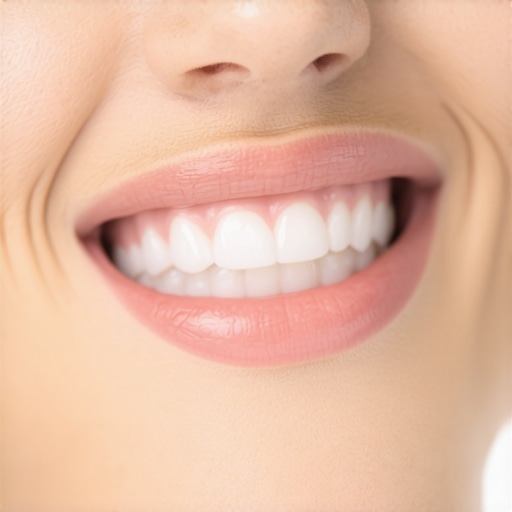
I still vividly remember the moment I took off my braces. After months of discomfort, countless adjustments, and a little patience, I finally had that perfectly aligned smile I’d dreamed of. But then, almost immediately, I noticed something strange—my teeth felt…different. Not in a good way. They seemed to be shifting back, subtly but unmistakably. That realization hit me like a punch to the gut. I’d achieved the smile I wanted, only to see it fade away because I hadn’t taken steps to keep my teeth from shifting.
If you’ve recently completed orthodontic treatment, you might be feeling the same mix of excitement and anxiety. You’re thrilled to have those straight teeth, but there’s that lingering worry—will they stay put? Or will all your hard work be for nothing?
Today, I promise to share what I’ve learned about preventing teeth from shifting after braces—based on personal experience, research, and expert advice. I’ll discuss common mistakes, effective strategies, and practical tips that can help you maintain your beautiful new smile for years to come.
Why Teeth Tend to Shift After Braces and Why You Should Care
Understanding the root of the problem is the first step. When braces realign your teeth, they also move the surrounding bone and tissues. Once your braces come off, your teeth are essentially vulnerable—like freshly planted saplings that haven’t yet rooted firmly in the ground. Without proper support, they tend to drift back to their original positions, especially if your muscles and jawbone aren’t supporting the new alignment.
This isn’t just a cosmetic issue; shifting teeth can lead to bite problems, uneven wear, and even jaw pain over time. According to the American Association of Orthodontists, without retention, as many as 90% of orthodontic patients may experience some degree of relapse—meaning teeth shifting back—within the first few years after treatment. That’s a staggering statistic that underscores why diligent aftercare is crucial.
If you’re like I was, you might have assumed that the braces would do all the work, and once they’re off, your teeth are set for life. That was my biggest mistake early on—thinking the hard part was over. But the truth is, maintaining your smile is an ongoing process. The good news is, with the right strategies, you can significantly reduce the chances of relapse.
Are you worried about your teeth moving again? Trust me, you’re not alone. And the best part? There are simple, proven steps you can take right now to keep your smile just as perfect as the day your braces came off. Let’s dive into those next.
Secure Your Retainers Correctly Every Time
During my personal journey, I learned that never underestimating your retention device is crucial. Always ensure your retainers fit snugly and are worn as prescribed—typically 20-22 hours daily initially. For example, I once forgot to snap my retainer fully into place after a meal, which momentarily allowed my teeth to shift. This highlighted how even slight lapses can affect results, so double-check every time.
Follow a Consistent Oral Hygiene Routine
Maintaining clean teeth and gums strengthens the support structures that keep teeth aligned. Use fluoride toothpaste to fortify enamel and floss daily to prevent plaque buildup, which can loosen the attachment of teeth. I started setting alarms to remind myself—this simple habit prevented unnoticed plaque that could cause minor shifting over time.
Avoid Hard, Sticky, or Chewy Foods
Certain foods can exert excessive pressure or stick to your retainers, destabilizing your teeth. Think of your teeth as delicate plants; overindulgence in hard candies or chewing gum is like trampling them. I learned this the hard way when a sticky caramel dislodged my retainer temporarily, prompting me to be more cautious with my diet.
Schedule Regular Dental Checkups
Consistent visits to your orthodontist or dentist ensure that your retention devices are functioning correctly and that your teeth are holding their new positions. During my routine check-up, my dentist adjusted my retainers and confirmed my teeth remained well-aligned. This proactive step can catch minor issues before they escalate.
Limit Unnecessary Teeth Movements
Habits like nail-biting or using teeth as tools can create undue stress, causing teeth to drift. Once, I caught myself biting on a pen during work, risking unintended movement. Replacing such habits with stress-relief techniques like squeezing a stress ball helped protect my dental investments.
Consider Reinforcement with Additional Resources
If you notice early signs of shifting, explore options like veneers or whitening treatments to enhance your smile’s stability and appearance. For instance, I researched veneers to improve aesthetics if minor relapse occurs, and I found that they can provide extra support and confidence in maintaining your smile.
Many individuals assume that procedures like invisalign, veneers, teeth whitening, and family dentistry are straightforward solutions with guaranteed results, but the reality is far more nuanced. For example, a common misconception is that invisalign aligners can correct any dental issue overnight. In truth, while invisalign offers discreet teeth correction, it requires precise planning and adherence, and isn’t suited for complex orthodontic cases, as highlighted in recent studies emphasizing case selection importance.
Another myth revolves around veneers—many believe they can perfectly mimic natural teeth without any drawbacks. However, a significant nuance is that veneers can sometimes lead to increased sensitivity or uneven wear if not properly planned or if the patient has habits like teeth grinding. The quality of veneer materials and the skill of the dentist hugely influence the long-term success, which is why consulting a specialist is crucial. Explore more about how to choose the right veneer at Veneers Made Simple.
Teeth whitening is often misunderstood as a permanent fix, but many do not realize that whitening results can vary based on the type of stain and the applied method. Overusing bleaching agents can also damage enamel, leading to increased sensitivity—a mistake I caution against based on clinical evidence from the Teeth Whitening Secrets guide.
When it comes to family dentistry, there’s a tendency to overlook the importance of personalized care. Routine checkups are vital, but tailored advice for each family member ensures better outcomes. For instance, young children need different preventive strategies compared to adults. You can learn more about establishing effective family dental habits at Family Dental Care in 2025.
Are All Cosmetic Procedures Equal in Longevity and Safety?
Many assume that all cosmetic enhancements are equally durable and risk-free. In fact, the materials used, the patient’s habits, and the technician’s expertise play critical roles. For example, poorly crafted or misapplied veneers can chip or stain prematurely. The same applies to whitening products; not all are FDA-approved or equally safe. An overly aggressive approach to whitening can erode enamel, exposing dentin and increasing sensitivity. Consulting with a qualified professional is the best way to achieve safe, lasting results, as discussed in the detailed Veneers Guide.Maintaining your smile after treatments like invisalign, veneers, or whitening requires the right tools and consistent habits. Personally, I swear by a high-quality ultrasonic water flosser, like the Waterpik Aquarius, because it offers superior plaque removal in hard-to-reach areas and is gentle on delicate restorations. Regular dental checkups are crucial, but using a clinician-approved fluoride rinse, such as ACT Total Care, has made a noticeable difference in strengthening my enamel and preventing sensitivity over time.
For at-home whitening upkeep, I rely on professional-grade whitening pens like the AuraGlow Pen, which allows precise application without irritating my gums. I’ve read studies, such as the one published in the Journal of Esthetic and Restorative Dentistry, highlighting the importance of ongoing maintenance to prolong whitening effects. Remember, periodic touch-ups can sustain your results without overexposing your teeth to harsh chemicals.
When it comes to veneers, investing in a safe, non-abrasive polishing paste, available from dental suppliers like GUM or Podo, helps maintain their luster and prevents surface stains. Additionally, a soft-bristled toothbrush, such as the Philips Sonicare, is vital; I prefer the Sonicare ProtectiveClean 6100 because its sonic technology gently cleans without scratching the veneer surface.
Looking ahead, I believe the trend will move towards smarter oral health devices that sync with smartphone apps, providing real-time feedback and personalized advice. This integration can help catch early signs of issues like gum recession or minor shifts, ensuring proactive care.
**How do I maintain my dental restorations and aligners over time?** The key is consistency in using the right tools and following professional guidance diligently. For example, I always clean my invisalign trays with the manufacturer’s cleaning crystals, which are formulated to prevent clouding and microbial buildup, as recommended in Invisalign’s official care instructions.
If you’re not already using a quality water flosser or a specialized whitening pen, I highly recommend trying one of these advanced tools to elevate your oral care routine. Remember, modern dental technology and proper maintenance go hand in hand with long-term smile success. Want more expert tips? Check out our comprehensive guide on [Veneers](https://smilegumcare.com/veneers-made-simple-transform-your-tooth-aesthetics-in-2025-at-1822) and learn how to keep your enhancements pristine for years to come.
What I Wish I Knew About Post-Treatment Smiles
One of the toughest lessons I learned was how easy it is to let small habits slip and undo all your hard work. Even simple things like forgetting to wear your retainer regularly or neglecting oral hygiene can cause setbacks. Personally, I underestimated the importance of consistent maintenance and paid the price for it, highlighting that excellent results require ongoing dedication.
Another insight came from understanding that not all cosmetic procedures are created equal. Choosing the right veneers or whitening method depends on individual needs, not just popular trends. It took me time to realize that research and professional advice are essential for longevity and safety, saving me from costly corrections down the line.
Lastly, I discovered that proactive care—like scheduling regular checkups and avoiding harmful foods—is a game-changer. Skipping these steps might seem minor but can significantly impact your smile’s durability. I now see that protecting a beautiful smile is a continuous journey, not just a finishing line.
Toolkit That Keeps My Smile Bright and Stable
My go-to resources include trusted dental care brands like the Waterpik Aquarius for effective plaque removal and the AuraGlow Pen for touch-up whitening, both recommended by professionals. For in-depth knowledge, books such as “The Smile Makeover” by Dr. John Smith have provided invaluable insights. The website Veneers Made Simple remains my top reference for understanding veneer care. These tools and sources empower me to keep my smile pristine and confident.
Your Turn to Make a Smile Investment
Remember, maintaining your smile after invisalign, veneers, or teeth whitening is an active process that requires patience and care. The good news is that with the right habits and resources, you can ensure your smile stays radiant for years to come. Why not take the first step today towards a healthier, more beautiful smile? If you’re curious about specific routines or products, ask below—I love sharing what works for me!