
The best way to soothe a sore mouth after a dental extraction
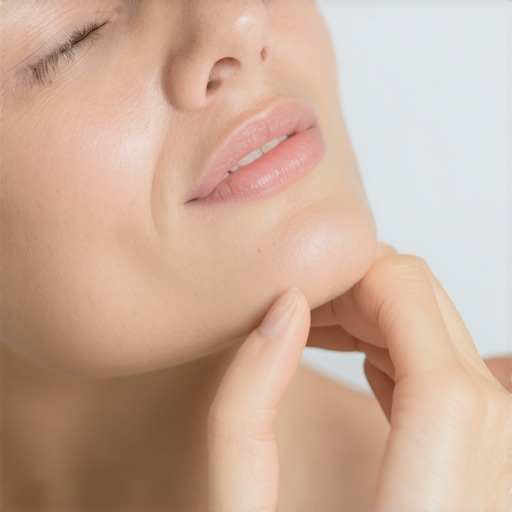
It was late at night, and I was already feeling the ache of my recent extraction, but what hit me hardest was the stubborn, throbbing soreness that made even swallowing a challenge. I remember thinking, “How can something so small turn my mouth into a battlefield?” That moment was a lightbulb for me—realizing that understanding effective soothing techniques isn’t just a luxury but a necessity for anyone facing the discomfort of a dental extraction.
Why So Many of Us Struggle to Find Real Relief
When I first had a tooth pulled, I didn’t want to rely solely on painkillers. I needed natural solutions that could really make a difference. The truth is, many people fall into the trap of underestimating the importance of proper care during recovery. Early on, I made the mistake of neglecting to follow through with gentle remedies, thinking rest and pain meds would suffice. What I learned from that misstep is that proactive, soothing techniques can significantly reduce discomfort and speed up healing. If you’re in the same boat, don’t worry—you’re not alone, and there are effective ways to make this process more bearable.
Is Over-The-Counter Relief Enough or Is There More?
Many believe that simply taking ibuprofen or using numbing gels is enough, but that’s only part of the story. From personal experience, I discovered that combining gentle herbal rinses with cold compresses provided a much-needed reprieve. But, a word of caution: I once over-applying topical anesthetics caused more irritation, leading me to realize that moderation and proper technique are key. Trust me, I’ve been there—mistakes teach us better care strategies and build trust in proven remedies. Want to learn the most effective methods? Keep reading, because I’ll share techniques that have worked wonders for me—and can do the same for you.
Have you ever faced the nightmare of a sore mouth after a dental extraction, feeling helpless and wondering if this pain will ever subside? You’re not alone. The good news is, with the right care, you can turn discomfort into relief. And trust me, it’s about more than just taking pills. It’s about understanding your body’s signals and knowing natural techniques that can ease the pain more effectively. In the upcoming sections, I will guide you through practical steps based on personal experience and expert advice to help you find comfort during your recovery.
,
Apply Cold Compresses Immediately
Right after your dental procedure, gently press a cold pack or ice wrapped in a cloth against your cheek near the extraction site. This reduces swelling and numbs the area to alleviate pain. I remember during my first extraction, I used a zippered bag filled with ice for 15-minute intervals, and it noticeably reduced my soreness. Be careful not to apply ice directly on the skin to prevent frostbite.
Use Gentle Saltwater Rinses
Mix half a teaspoon of salt into eight ounces of warm water and rinse your mouth softly after 24 hours. This helps keep the socket clean and fights bacteria. I made a habit of swishing gently after meals and noticed the healing process sped up. Do not rinse vigorously, as it can dislodge the clot, leading to dry socket.
Opt for Soft Foods and Stay Hydrated
Eat smooth, nutritious foods like yogurt, mashed potatoes, and smoothies, avoiding anything hot or crunchy. Hydration is crucial—drink plenty of water, but avoid straws to prevent suction that might disturb the healing clot. I once tried a smoothie with a straw and felt discomfort, so I switched to spoon feeding for faster healing.
Practice Proper Oral Hygiene
Keep your mouth clean without disrupting the healing area. Gently brush your teeth but avoid the extraction site. Use a soft-bristled toothbrush and skip the area until it has healed sufficiently. During my recovery, I carefully brushed the surrounding teeth and avoided touching the stitches or socket. This prevents infection and promotes quicker healing.
Manage Pain with Correct Medications
Use over-the-counter pain relievers like ibuprofen as recommended by your dentist, and follow dosage instructions precisely. Applying a topical anesthetic can also provide temporary relief but should be used sparingly to prevent irritation. I once overused numbing gels, which caused additional discomfort, reminding me to stick to advised quantities.
Elevate Your Head During Rest
Sleep with your head elevated using pillows to reduce swelling. Lying flat can increase blood flow to the area, intensifying soreness. I found that resting with my head propped up made a significant difference in how sore I felt upon waking.
Limit Physical Activity
Avoid strenuous exercise for at least 24-48 hours after extraction. Physical exertion increases blood pressure, which can lead to more bleeding and swelling. I waited a day before light walks and noticed less bleeding and pain, helping me recover comfortably.
Stay Consistent and Patient
The healing process varies, but regular adherence to these steps accelerates recovery. I kept a reminder schedule and documented improvements; within a few days, I experienced less pain and swelling. Remember, patience and gentle care are your best allies during this time.
For more tailored advice or specific concerns, consulting your dentist is always best. Proper post-extraction care is crucial, but with these concrete techniques, you can transform discomfort into faster healing and comfort.
,While many patients enter dental treatments armed with assumptions, some beliefs about veneers, Invisalign, family dentistry, and teeth whitening are simply myths. Let’s explore what most people get wrong and why understanding these nuances can lead to better outcomes.
One pervasive myth is that veneers are purely cosmetic and require no maintenance. In reality, veneers are durable but vulnerable to chipping if not properly cared for. Many believe they last forever, but according to a study published in the Journal of Esthetic and Restorative Dentistry, with proper maintenance, veneers typically last 10-15 years. Overestimating their permanence can lead to neglecting oral hygiene or dietary restrictions.
Regarding Invisalign, there’s a misconception that it’s only for mild orthodontic issues. Actually, Invisalign has advanced leaps and bounds, capable of handling complex cases, but only if the treatment plan is precisely tailored. An advanced mistake many make is assuming aligners are less effective than braces, which isn’t true—when used correctly, Invisalign can achieve remarkable results. For optimal success, continuous compliance is critical; neglecting this can prolong treatment or compromise results.
In family dentistry, many parents underestimate the importance of early dental visits beyond cavity prevention. Some assume young children don’t need regular checkups until they have teeth issues; however, early visits help establish habits and monitor developmental milestones. Neglecting this can lead to overlooked bite issues or misplaced habits that affect lifelong oral health. For a comprehensive approach, regular checkups are vital, no matter the age—learn more about creating a healthy legacy from here.
On the topic of teeth whitening, a common myth is that over-the-counter products are as effective as professional treatments. This is misleading—many store-bought options contain lower concentrations of whitening agents, resulting in minimal results. Moreover, some believe whitening is purely aesthetic and disregards underlying issues. Excessive or improper whitening can cause enamel sensitivity or gum irritation, a mistake often made when patients try to DIY without professional advice. The safest, most effective whitening strategies are discussed in this guide.
Now, you might wonder, how do these misconceptions impact your treatment? A key nuance is recognizing that each procedure or product has limitations and prerequisites. For instance, trying to ‘fix’ a misaligned bite with veneers alone won’t yield lasting results—as real orthodontic issues require dedicated approaches like Invisalign or traditional braces. Similarly, assuming over-the-counter whitening is enough might lead to disappointment and unnecessary enamel damage.
Have you ever fallen into this trap? Let me know in the comments. The more we understand these hidden nuances, the better choices we can make for our oral health.
How do I maintain my cosmetic dental work over time?
Maintaining a bright, healthy smile requires the right tools and a proactive approach. One essential device I personally swear by is a high-quality electric toothbrush with pressure sensors, like the Oral-B GeniusX. It helps me prevent gum irritation by alerting me when I’m brushing too hard, a common mistake that can damage veneers or sensitive gums. Additionally, I rely on water flossers such as the Waterpik Sonic-Fusion, which combines flossing and brushing, ensuring I reach those tricky spots that traditional brushes miss, especially around veneers and braces.
Beyond physical tools, I utilize tele-dentistry platforms like SmileGumCare Consults for routine check-ins. The convenience of virtual assessments allows me to catch potential issues early—be it chips in veneers or signs of gum recession—long before they become serious problems. Regular digital monitoring, combined with in-person cleanings, creates a comprehensive maintenance routine that protects my investment in my smile.
Get serious about long-term results with these strategies
Consistency is key. I schedule bi-annual professional cleanings and ensure my daily routine includes proper brushing with a fluoride toothpaste and flossing. For whitening solutions, I prefer professional-grade trays over over-the-counter whitening kits—they deliver predictable, safe results, especially for sensitive teeth. My personal tip? Use a desensitizing toothpaste like Sensodyne after whitening treatments to minimize sensitivity.
Looking ahead, trends like AI-powered dental monitoring are poised to revolutionize maintenance. Imagine smart toothbrushes integrated with apps that track your brushing habits and alert you to missed areas or excessive pressure—like the ones I use now. This data-centric approach helps fine-tune your daily routine, making maintenance more effective and personalized.
Scaling your smile care as your needs evolve
If you’re considering enhancements like veneers or Invisalign, selecting the right tools becomes even more critical. When I opted for veneers, I followed a strict maintenance plan that included avoiding overly abrasive foods and using a non-abrasive mouthwash. Regular check-ins with your dentist, coupled with specialized tools like interdental brushes, can extend the life of your restorations and keep your gums healthy.
In the end, your smile is a long-term project—investing in the right equipment and habits is the best way to ensure it continues to shine. Remember, consistent care and adapting to emerging innovations will keep your smile looking its best for years to come. Ready to take your dental maintenance to the next level? Try incorporating a smart toothbrush with pressure sensors into your routine today, and experience the difference firsthand.
Throughout my journey exploring veneers, Invisalign, family dentistry, and teeth whitening, I’ve uncovered insights that truly transformed my approach to oral health. One of the most profound lessons was realizing how much misinformation is out there—many beliefs are more myths than facts. For example, I once thought veneers required no upkeep, only to learn that regular maintenance is essential for longevity. This revelation made me appreciate the importance of staying informed and proactive in my dental care routine.
3 Lessons That Changed My Perspective on Cosmetic Dentistry
- Durability Needs Vigilant Care: I used to assume veneers are forever, but consistent checkups and gentle habits extend their lifespan. Neglecting that can lead to chips or discoloration, which surprised me at first.
- Invisalign’s Power Depends on Commitment: Many think aligners work magically, but real results come from wearing them faithfully. Missing even a day can delay your progress—an eye-opener for me.
- Teeth Whitening’s Limits and Risks: Over-the-counter options seemed sufficient until I experienced sensitivity. Professional whitening tailored to your needs protects your enamel while brightening your smile effectively.
My Go-To Toolkit for a Radiant Smile
I’ve found that a high-quality electric toothbrush with pressure sensors, like the SmileGumCare professional toothbrush, makes a huge difference in maintaining veneers and natural teeth alike. Pairing it with a water flosser, such as the Waterpik Sonic-Fusion, ensures I reach those tricky areas around restorations. These tools give me confidence that my smile stays healthy and bright. For expert advice, I often consult this resource to stay updated on best practices. Consistency and the right equipment have been game-changers in preserving my smile’s beauty.
Your Next Step Toward Confidence
Remember, your smile is an investment—one that deserves ongoing attention and care. Embracing the truths about veneers, Invisalign, and teeth whitening will empower you to make informed choices. Whether you’re considering your first cosmetic treatment or maintaining existing restorations, take action today. Schedule a check-up, ask your dentist about personalized options, and commit to nurturing your smile’s health and beauty. Your future self will thank you for it.
What specific questions do you have about improving or maintaining your smile? Share below—I’d love to hear your story!
,