
The trick to keeping your toddler from swallowing the toothpaste
I remember the moment vividly—my little one, eyes wide with curiosity, eagerly grabbing her toothbrush and the tube of minty toothpaste. Within seconds, I saw her tiny lips around the brush, but suddenly she swallowed. Panic set in. It’s a common scene in many households, and let me tell you, navigating toddler toothbrushing isn’t always straightforward. The biggest dilemma? How do you make sure your little one enjoys clean teeth without swallowing dangerous amounts of fluoride? Today, we’re tackling that tricky balance.
Why Is Preventing Your Toddler from Swallowing Toothpaste So Important?
Many parents overlook the risks of fluoride ingestion, assuming a small amount won’t do much harm. However, ingesting too much fluoride can lead to dental fluorosis, which affects the appearance and health of your child’s teeth. The American Dental Association emphasizes that accidental swallowing of fluoride toothpaste in young children can cause fluorosis, especially if they swallow large amounts regularly. As a parent, I’ve learned that the key isn’t just about frequent brushing but about **smart** brushing habits that keep my child safe without turning into a tug-of-war.
Is All Toothpaste Created Equal for Kids?
Early on, I made the mistake of just grabbing the regular toddler toothpaste, thinking any fluoride is better than none. But that was a mistake. Not all toothpastes have the same fluoride content, and some are designed specifically to minimize ingestion risk. If you’re worried about your child swallowing toothpaste, consider switching to a low-fluoride or fluoride-free option meant for kids, which can be just as effective. Want to know more about the best whitening options for your family’s needs? Check out [teeth whitening secrets for a sparkling smile in 2025](https://smilegumcare.com/teeth-whitening-secrets-for-a-sparkling-smile-in-2025-at-1248).
An important lesson I learned early was the importance of proper dosage. Using just a pea-sized amount of toothpaste and encouraging your child to spit out excess can significantly reduce the risk of swallowing. Plus, teaching them to rinse and spit is a vital step as they grow older. Remember, toddlers are naturally curious—they often explore everything with their mouths. So, it’s up to us as parents to make this process both safe and fun.
In the next section, I’ll share some practical, proven strategies that transformed our nightly routine—making it safer, less stressful, and even enjoyable. Are you ready to say goodbye to toddler toothpaste mishaps? Let’s get started!
Choose the Right Toothpaste and Amount
Start by selecting a fluoride-free or low-fluoride toothpaste specifically made for children. When brushing, use only a pea-sized amount—think of it as the size of a small pearl or a tiny drop—so your child isn’t overwhelmed with excess toothpaste. I remember one evening, I accidentally squeezed out too much, and my toddler happily smeared it everywhere, turning our bathroom into a mini art studio. That chaos reminded me to control the amount and stay vigilant.
Model Proper Spitting and Rinsing
Encourage your child to spit out toothpaste after brushing instead of swallowing. Demonstrate this yourself: after brushing, rinse with water and spit into the sink. When my older child started copying me, she found it funny and became eager to spit out without fuss. To make it engaging, turn rinsing into a game—set a timer or challenge her to see how much water she can spit out cleanly.
Use a Child-Friendly Brush and Technique
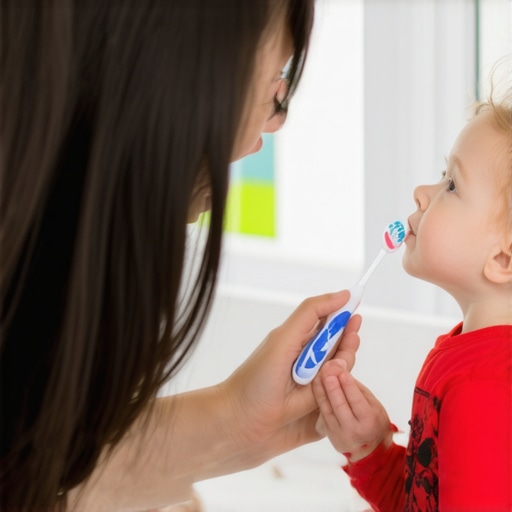
Select a toothbrush with soft bristles and a small head designed for tiny mouths. Position yourself behind your toddler for better control, explaining gently, “We’re cleaning your teeth, not swallowing the toothpaste.” When my daughter was hesitant, I gently held her chin, moving the brush carefully around her teeth. The calm approach reduced her gag reflex and increased cooperation over time.
Turn Brushing Into a Fun Routine
Make brushing an enjoyable activity by singing songs or using a timer. Kids respond well to routine—so establish a calming, consistent process every night. I once added a story about a tooth fairy that loves clean teeth—my child giggled through it, making the experience pleasant. Remember, patience is key; children often experiment with their mouths—expect some mess and laughter.
Supervise and Assist Until They’re Ready
Never leave your toddler unattended during brushing. Mark your calendar: until around age 6-8, children lack the motor control for effective brushing. During our nightly routine, I stay close, guiding her hand or brushing her teeth myself if needed, to prevent swallowing excessive toothpaste. This hands-on approach ensures safety and builds good habits.
Educate and Practice Rinsing Regularly
As your child grows, teach them to rinse and spit properly, emphasizing that swallowing toothpaste isn’t safe. Use simple language: “Spit it out like a little fountain.” I once faced a stubborn three-year-old who refused to spit—so we practiced in front of the mirror, turning it into a challenge, which later helped him understand the importance. Consistent practice ingrains safety and hygiene habits that last a lifetime.
Incorporate Family Dental Visits
Regular check-ups with the family dentist help reinforce these routines, providing personalized tips and monitoring your child’s progress. Want more insights on maintaining your family’s oral health? Explore family dentistry tips to keep everyone smiling confidently.
 Many individuals assume that cosmetic and general dental treatments are straightforward, but in reality, there’s a lot of misconception surrounding these procedures. A common myth is that veneers are an instant fix for all aesthetic issues, but they actually require careful planning and understanding of underlying tooth health. Likewise, teeth whitening isn’t just about choosing the brightest shade; factors like enamel thickness and tooth sensitivity significantly impact results. For family dentistry, some believe regular check-ups are optional for healthy children, yet early intervention can prevent future complications and costlier procedures. Similarly, Invisalign is often dismissed as only suitable for minor crowding, but with advancements in technology, it can address a broader range of orthodontic issues when properly evaluated by an expert. The key nuance many overlook is the importance of personalized assessments—what works for one patient might not suit another. According to a study published in the Journal of Clinical Orthodontics, individualized treatment plans significantly improve outcomes over generic solutions. Beware of falling for quick-fix promises or popular trends without consulting with qualified professionals who can tailor treatments to your unique needs. Want to ensure your smile decisions are well-informed? Explore topics like [veneers in 2025](https://smilegumcare.com/veneers-made-simple-transform-your-tooth-aesthetics-in-2025-at-1822) or [comprehensive family dental care](https://smilegumcare.com/family-dentistry-building-healthy-smiles-for-every-generation). Remember, the devil is in the details—understanding the nuances can make all the difference in your overall oral health. Have you ever fallen into this trap? Let me know in the comments.
  Maintaining a radiant smile over the years demands more than just good habits; it requires the right tools and a strategic approach. Personally, I swear by the use of an ultrasonic scaler for professional cleanings—it’s incredibly effective at removing plaque and tartar without risking gum damage, surpassing traditional methods in precision. At home, I recommend investing in a water flosser like the Waterpik, which not only improves interdental cleaning but also makes the process enjoyable, encouraging consistent use. The combination of professional machinery and user-friendly devices creates a formidable defense against decay, especially important as we age or undergo cosmetic procedures like veneers or teeth whitening. As technology advances, we’re seeing innovations such as AI-driven toothbrushes that analyze brushing patterns and suggest improvements in real-time, promising to revolutionize at-home dental care. Looking ahead, integrating these smart devices with tele-dentistry platforms could allow for virtual check-ups, ensuring your investment in tools translates into tangible, long-term results.
How do I maintain my dental tools and methods over time?
Regularly replacing consumables—like brush heads and floss tips—and scheduling biannual professional cleanings are critical steps. Proper storage of tools to prevent bacterial growth also extends their efficacy; for example, keeping toothbrushes upright and exposed to air in a clean environment helps sustain their durability. For veneers and whitening treatments, maintaining results involves routine touch-ups and avoiding stain-causing foods; professional advice can help tailor a maintenance plan. For Invisalign users, adhering strictly to the prescribed tray schedule and cleaning them meticulously ensures treatment progresses as intended. Remember, consistent use of these tools, combined with expert guidance, acts as a safeguard, helping your smile stay beautiful and healthy over the decades. Want insider tips on maximizing your Invisalign investment? Check out the Invisalign Secrets for best practices. Don’t forget, being proactive with your maintenance routine—like daily ultrasonic brushing and using an electric toothbrush with pressure sensors—can transform the longevity of your smile. Ready to elevate your dental care game? Start by integrating a high-quality water flosser into your routine today and witness the difference it makes! 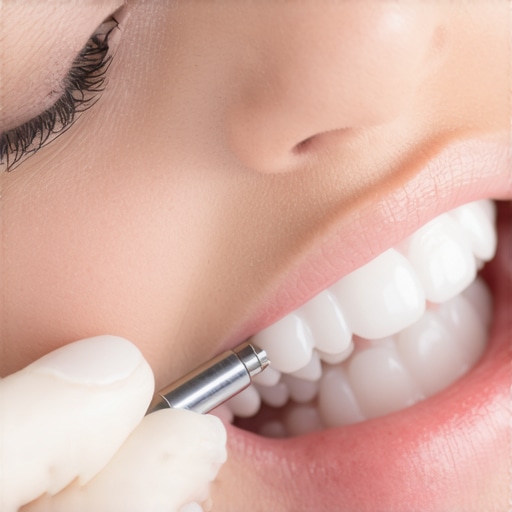
What I Didn’t Expect About My Child’s Dental Journey
Early on, I believed that choosing the right toothpaste was enough, but I soon realized that teaching my child to spit and rinse was an essential yet overlooked skill. That moment when she refused to spit, and I had to improvise, taught me patience and the importance of making dental routines fun and engaging.
Another surprising lesson was the significance of modeling proper techniques myself; children are keen observers, and I found that demonstrating good habits made her more eager to imitate. The realization that supervision until at least age 6 can prevent accidental swallowing changed our nightly routine dramatically.
Finally, I discovered that the smallest details, like the amount of toothpaste used—and turning rinsing into a game—could make a sizable difference. My journey underscored that safety, patience, and making routines enjoyable are the secrets to fostering lifelong healthy habits.
My Favorite Tools to Keep Smiles Bright and Safe
For at-home care, I trust the Waterpik water flosser for its effectiveness and fun factor; it encourages my kids to floss daily without resistance. For professional cleanings, the ultrasonic scaler has been a game-changer, removing plaque efficiently while being gentle on gums. Additionally, a small, soft-bristled toothbrush tailored for tiny mouths ensures comfort and thorough cleaning.
When considering cosmetic options, I rely on expert-recommended resources like Veneers in 2025 to stay informed. These tools and sources have genuinely helped me maintain my child’s dental health and my own confidence in our routines.
Keep Your Smile Bright and Your Heart Full
Remember, guiding your children through the maze of dental care is an ongoing journey filled with learning and love. Embrace the process, celebrate progress, and trust that every small step brings you closer to a lifetime of healthy, happy smiles. Your consistent efforts today will blossom into the bright, confident smiles of tomorrow.
What’s been the most surprisingly effective tip you’ve learned in helping your little ones with dental routines? Share your experiences below!