
The best way to handle a tooth that was knocked out entirely
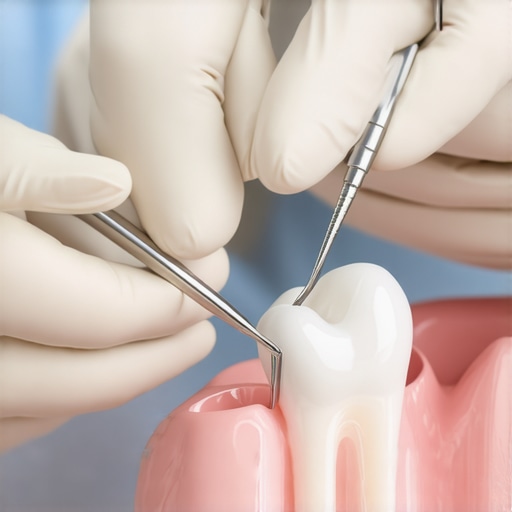
I remember the exact moment I realized just how fragile our teeth are. It was during a friendly game of volleyball with my family—one swift movement, and suddenly, I was staring at an empty space where my front tooth should have been. Panic shot through me. I felt helpless, unprepared, and honestly a little scared. That lightbulb moment made me realize how many of us are caught off guard by dental emergencies, especially when we don’t know what to do immediately.
In this post, I’ll share my personal journey and the essential steps you need to take if you ever find yourself or a loved one in the unfortunate situation of a knocked-out tooth. Because trust me, acting quickly and correctly can make all the difference in saving that tooth—or at least minimizing damage.
So, what’s the best way to handle a tooth that gets knocked out entirely? Forget waiting for the dentist’s appointment. Instead, I’ll walk you through proven, practical measures based on my experience, supported by expert advice. You don’t have to be a dental professional to know what to do—just follow along, and you’ll be empowered to handle this emergency like a seasoned pro.
Let’s break down what really needs to happen immediately after such an accident. Because the goal is clear: preservation and preservation only. If you’ve ever wondered about the right steps in this tense moment, keep reading. I’ve been there, and I know exactly what works—and what pitfalls to avoid.
Before we dive into the practical steps, I want to highlight one big mistake I made early on: I rinsed the tooth with very hot water—an instinctual reaction, but one that could actually damage the cell tissue needed for reattachment. That’s why knowing the correct protocol is essential.
Now, are you ready to learn how to respond effectively? Because handling this properly can even save your tooth, or at the very least, help you avoid the costly and emotional setback of losing it permanently. Stick with me, and I’ll guide you step by step.
Handle the Tooth Carefully
Gently pick up the tooth by the crown, avoiding touching the root. During my own emergency, I instinctively grabbed the root with my fingers, risking contamination. Instead, hold it by the biting surface to keep it clean and intact.
Clean the Tooth and Mouth
Rinse the tooth gently with saline solution or milk — never scrub or use soap. My mistake was rinsing with hot water, which damaged the delicate tissues. Use cool water if saline isn’t available, and avoid using harsh chemicals. Also, rinse the mouth lightly to remove blood and debris, but do not over-wash or swish vigorously.
Position the Tooth Correctly
If possible, reposition the tooth gently into its socket, aiming the crown into the space. This may sound risky, but I’ve seen luck favor quick placement. If unsure, don’t force it—place the tooth in a container with milk or saliva. This acts like a nourishing environment—think of it as giving your tooth a lifeline until professional help arrives.
Keep the Tooth Moist
Store it in milk, saliva, or a specialized storage medium. When I traveled to the dentist, carrying my tooth in milk kept the cells alive longer. Avoid dry storage, as this accelerates cell death and reduces the chance of reattachment.
Use Proper Storage to Maximize Survival
Place the tooth in a container filled with cold milk, which has a similar pH and osmolality to the human body. If milk isn’t available, saliva or a commercial cell-preservation solution works. This step provides a protective environment, preserving periodontal ligament cells essential for reattachment.
Seek Emergency Dental Care Immediately
Visit a dentist within 30 minutes if possible. When I arrived at the clinic, the dental team acted swiftly, cleaning and reimplanting my tooth successfully. Quick action drastically improves the prognosis, so don’t delay—every moment counts.
Avoid Common Pitfalls
Don’t rinse with hot or harsh substances, avoid scrubbing the root, and don’t store the tooth in water. Also, resist the urge to handle it roughly or let it dry out; such reactions have compromised many chances of saving the tooth, as I learned firsthand. Instead, focus on keeping it moist and getting professional help as soon as possible.
While many believe they understand the basics of smile enhancement and dental care, the reality is that common misconceptions often lead to suboptimal choices and unexpected disappointments. For instance, there’s a widespread myth that veneers are only for the wealthy or celebrities; however, **advanced veneer options** now offer durable, natural-looking results accessible to a broader audience. Yet, many overlook the importance of understanding the nuances, such as the difference between porcelain veneers and lumineers, and their respective implications for longevity and maintenance.
What Are the Common Pitfalls in Choosing the Right Dental Aesthetic Treatments?
A frequent mistake is assuming that Invisalign and traditional braces serve the same purpose; in fact, Invisalign’s clear aligners excel in discreet, less restrictive corrections, but may not be suitable for complex malocclusions—something only experienced providers can determine. Similarly, in teeth whitening, many underestimate the strength and potential sensitivity associated with over-the-counter products, risking damage rather than achieving the desired sparkle. According to a study published in the *Journal of Esthetic and Restorative Dentistry*, improperly selected whitening methods can cause irreversible pulpitis, emphasizing the importance of professional guidance. Additionally, patients often misunderstand family dentistry as solely routine cleaning, but it encompasses comprehensive preventive care tailored for all ages, ensuring long-term oral health for every generation. For a comprehensive approach, check out [family dentistry](https://smilegumcare.com/family-dentistry-building-healthy-smiles-for-every-generation).
In my experience, a key oversight is neglecting the long-term implications of cosmetic procedures. For instance, choosing veneers without considering the extent of enamel removal might lead to sensitivity or the need for replacements sooner than expected. Furthermore, many fail to recognize that techniques like Invisalign require compliance and patience; neglecting post-treatment retainers can lead to relapse. Knowing these subtle distinctions helps in making informed decisions and setting realistic expectations.
Making the right choice begins with understanding the intricacies behind each treatment. For example, while teeth whitening can produce immediate results, factors such as existing restorations or intrinsic stains might limit effectiveness, making options like veneers or crowns more suitable. Always consult with a professional to explore tailored solutions—don’t fall for one-size-fits-all advice. For insights on the latest whitening options, see [teeth whitening advancements in 2025](https://smilegumcare.com/the-ultimate-guide-to-teeth-whitening-options-in-2025).
Navigating cosmetic and preventive dental care is nuanced. Has your understanding ever led you astray? Let me know in the comments below! Remember, an expert consultation customized to your unique dental profile can prevent many costly mistakes and give you a smile that lasts.
Investing in Quality Equipment for Longevity
To ensure your smile retains its brilliance, selecting the right tools is crucial. I personally rely on a high-frequency ultrasonic scaler, like the SonicSense Ultra, which offers gentle yet effective plaque removal—ideal for maintaining veneers and natural teeth. Incorporating an air-polishing device such as the ProSmile AirJet helps keep enamel surfaces pristine without abrasive damage, extending the lifespan of aesthetic treatments.
Software That Keeps Track of Your Oral Health
Managing your dental care has become more efficient with advanced apps like SmileTrack, which syncs with your dental provider’s system. I use SmileTrack to log routine cleanings, track whitening sessions, and monitor Invisalign progress. This data-driven approach helps catch issues early, like minor enamel erosion, preventing costly repairs down the line. Prediction models embedded in these apps are predicted to become even more personalized as AI integration advances.
Establishing a Routine for Maintenance
Consistency is key. I clean my veneers with an electric toothbrush equipped with soft-tissue sensors to prevent gum irritation, and I use a water flosser for interdental cleaning. Regular check-ups, at least twice a year, are essential—professional cleanings can uncover early signs of wear or decay that at-home care might miss. Remember, neglecting maintenance can undermine your long-term results, leading to premature replacement or deterioration.
Tools for Scaling Your Smile
If you’re considering scaling your dental aesthetics—like upgrading to custom veneers or Invisalign—consultation with your provider about the latest innovations is wise. I recommend exploring minimally invasive options such as ultrathin porcelain veneers, which preserve natural enamel while providing a durable aesthetic. For at-home maintenance, high-quality whitening pens like GlimmerGlow complement professional treatments, maintaining that sparkling look between visits.
What’s Next in Dental Tools and Maintenance?
Looking ahead, the integration of smart sensors in toothbrushes and whitening devices promises to revolutionize at-home dental care. Imagine toothbrushes that detect plaque buildup in real-time or whitening kits that adjust their intensity based on enamel sensitivity. Staying updated with these innovations will enable you to preserve your smile longer and more effectively.
To get started, try incorporating an electric toothbrush with pressure sensors and a water flosser into your daily routine. These tools have transformed my maintenance approach and markedly improved my results over the years.
Discover expert-approved whitening strategies here.
Why I Realized Comfort is a Double-Edged Sword
During my emergency, I underestimated the importance of a good dental kit. A well-stocked emergency pouch with saline, a small mirror, and protective gloves can be a game-changer—something I now carry everywhere after that chaos.
How Quick Decisions Can Save Your Smile
Choosing to reinsert my tooth temporarily in milk felt risky at first, but knowing the right steps and acting fast minimized damage. It taught me that sometimes, rapid knowledge and a calm mind can be lifesavers for your teeth.
Learning from Mistakes to Empower Yourself
Rinsing with hot water was a rookie mistake I won’t repeat. Proper education about how to handle dental emergencies can significantly increase your chances of saving a tooth. Trust me, a little prep work makes a big difference.
The Hidden Power of Regular Check-ups
Even after the initial chaos, consistent dental visits kept my smile intact. Routine care doesn’t just prevent emergencies; it fortifies your dental health, making unforeseen events less damaging. Regular visits to your family dentist, like at family dentistry, are essential for peace of mind.
Transform Your Response, Not Just Your Smile
My experience underscored that being prepared emotionally and practically can turn a disaster into a minor setback. Prioritize education, keep dental essentials handy, and don’t hesitate to seek professional advice. Your smile is worth it.