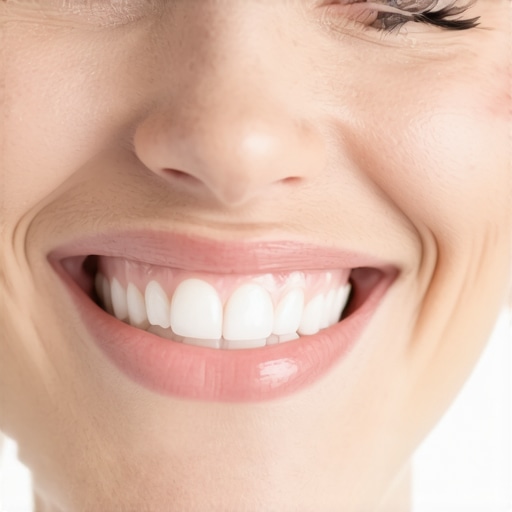
Unlocking the Secrets of a Stunning 2024 Smile: An Expert Overview of Cosmetic Dental Innovations
In the realm of aesthetic dentistry, the pursuit of a radiant smile has evolved into a sophisticated blend of science, artistry, and personalized care. As we step into 2024, understanding the nuanced interplay between veneers, Invisalign, and teeth whitening techniques is essential for both practitioners and discerning patients aiming for optimal results. This article explores the latest expert insights and advanced strategies to elevate your smile transformation journey, grounded in evidence-based practices and emerging trends.
The Synergistic Potential of Veneers, Invisalign & Whitening in Comprehensive Smile Makeovers
Modern cosmetic dentistry emphasizes an integrated approach, where each modality—be it veneers, Invisalign, or whitening—serves as a pivotal component of a tailored plan. Veneers, as ultra-thin porcelain shells, offer unparalleled aesthetic customization, correcting complex issues such as severe discoloration, malalignment, or chipped teeth. Invisalign’s innovation in clear aligners provides a discreet, minimally invasive path to alignment correction, often complementing veneer placement for a harmonious result. Meanwhile, advanced whitening procedures, leveraging novel bleaching agents and LED technology, refine the overall brightness, ensuring a natural yet stunning appearance.
Deep Dive into the Material Science and Biological Compatibility of Modern Veneers
The evolution of veneer materials—from feldspathic porcelain to lithium disilicate—has significantly enhanced durability and translucency, allowing for highly lifelike restorations. Expert clinicians recommend selecting materials with optimal biocompatibility and minimal prep requirements to preserve tooth structure. Furthermore, understanding the biological response of the pulp and periodontal tissues to veneer placement informs predictable outcomes and patient satisfaction. For example, recent studies in the Journal of Prosthetic Dentistry highlight the importance of adhesive protocols in ensuring longevity and preventing sensitivity.
Invisalign’s Role in Functional and Aesthetic Optimization
Invisalign’s latest iterations incorporate smart track materials and AI-driven planning, enabling precise control over tooth movement. Expert orthodontists emphasize the importance of interdisciplinary planning, especially when combining Invisalign with veneers, to prevent undesired occlusal changes and ensure aesthetic harmony. The challenge lies in addressing complex malocclusions or skeletal discrepancies, where adjunctive procedures or referrals to oral surgeons may be necessary. The seamless integration of Invisalign into smile design underscores its status as a cornerstone of contemporary smile makeovers.
What Are the Limitations of Combining Veneers and Invisalign for Complex Cases?
While combining veneers and Invisalign can produce remarkable results, expert consensus acknowledges certain limitations. For instance, cases involving significant skeletal discrepancies or severe malocclusion may require orthognathic surgery or other advanced interventions. Additionally, the risk of veneer chipping or debonding increases if occlusal forces are not meticulously managed post-treatment. Therefore, comprehensive diagnostic workups—including CBCT imaging and digital smile simulations—are indispensable for planning successful, durable outcomes.
For further insights into optimizing your smile transformation, explore Invisalign and Veneers Top Secrets for 2024. Engaging with expert content and sharing your case experiences can foster a community of continuous learning and innovation in aesthetic dentistry.
Innovative Interdisciplinary Approaches to Achieve the Perfect Smile in 2024
As cosmetic dentistry continues to evolve, practitioners are increasingly adopting comprehensive treatment plans that integrate multiple modalities for optimal results. Combining veneers, Invisalign, and teeth whitening not only enhances aesthetics but also improves functional harmony. Yet, the complexity of such procedures demands a nuanced understanding of biological responses, material science, and digital planning. This holistic approach ensures longevity, predictability, and patient satisfaction, making it essential for clinicians to stay abreast of the latest innovations and evidence-based protocols.
What Are the Biological Considerations When Combining Cosmetic Procedures?
Biological compatibility plays a crucial role in the success of multi-modal aesthetic treatments. The placement of veneers, for example, must consider pulp vitality, periodontal health, and the potential impact of whitening agents on enamel integrity. Recent research emphasizes the importance of minimally invasive techniques and biocompatible materials in reducing sensitivity and ensuring tissue health (Journal of Prosthetic Dentistry). Additionally, understanding individual variations in enamel thickness and dentin permeability guides clinicians in customizing treatment plans, thereby minimizing adverse effects and optimizing aesthetic outcomes.
How Can Digital Smile Design Revolutionize Combined Cosmetic Treatments?
Digital smile design (DSD) has transformed the landscape of aesthetic dentistry. Utilizing advanced imaging and simulation tools, practitioners can visualize potential outcomes, identify limitations, and communicate effectively with patients. DSD integrates data from intraoral scans, CBCT imaging, and patient preferences, providing a comprehensive blueprint for treatment sequencing. This technology is particularly beneficial when planning complex procedures involving veneers, aligners, and whitening—ensuring that each component complements the other harmoniously. For a deeper dive into digital planning techniques, visit Invisalign and Veneers Top Secrets for 2024.
If you’re considering an advanced smile makeover, exploring integrated treatment options with expert guidance can significantly elevate your results. Share your thoughts and experiences in the comments below or explore more about trusted family dentistry practices at Family Dentistry Tips for Healthy Smiles.
Harnessing the Power of Digital Workflow for Complex Aesthetic Cases
As cosmetic dentistry advances, the integration of digital workflows becomes indispensable for managing complex smile transformations. Digital Smile Design (DSD), intraoral scanning, and CBCT imaging synergize to produce highly precise treatment plans, allowing clinicians to simulate outcomes and identify potential pitfalls before actual procedures commence. This approach minimizes guesswork, enhances predictability, and ensures that each modality—veneers, Invisalign, or whitening—aligns seamlessly with the patient’s unique anatomy and aesthetic goals.
For example, digital planning facilitates the meticulous mapping of veneer preparations to optimize preservation of enamel—a critical factor for long-term success. Moreover, it allows for the precise placement of attachments and auxiliaries for Invisalign, ensuring optimal tooth movement while respecting the planned aesthetic outcome. The ability to foresee functional and aesthetic interactions through virtual simulations significantly reduces the risk of post-treatment complications, such as occlusal discrepancies or veneer chipping.
What Are the Challenges of Digital Integration in Multi-Modal Smile Design?
Despite its advantages, integrating digital workflows in complex cases presents challenges such as data accuracy, software interoperability, and learning curve demands. Variability in intraoral scan quality can affect the fidelity of the virtual models, impacting the final outcome. Interoperability between different digital platforms—such as CAD/CAM systems, orthodontic planning software, and digital smile design tools—requires careful management to avoid data loss or miscommunication. Additionally, clinicians must invest in ongoing training to effectively leverage these technologies and interpret the digital data in clinical decision-making.
To maximize the benefits, practices should establish standardized protocols for data acquisition, validation, and integration, fostering a cohesive digital environment that enhances collaboration among multidisciplinary teams.
Innovations in Material Science for Superior Veneer Longevity and Aesthetic Fidelity
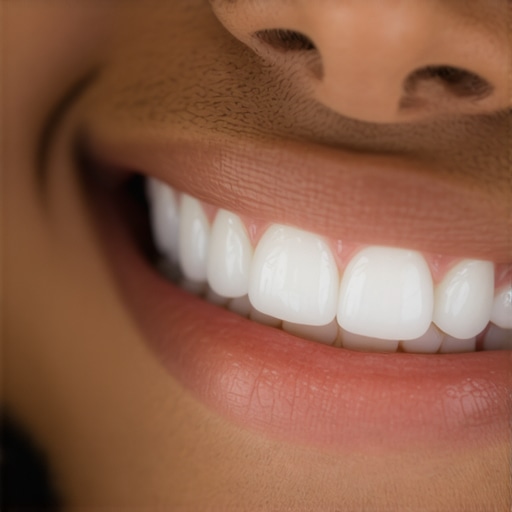
Recent breakthroughs in ceramic materials are redefining the standards of durability and translucency in veneer fabrication. Lithium disilicate and zirconia-reinforced ceramics exhibit exceptional fracture toughness while maintaining optical properties that mimic natural enamel. These advancements enable clinicians to design ultra-thin veneers with minimal tooth reduction, conserving tooth structure and reducing sensitivity risks.
Furthermore, the development of multilayered ceramics offers a gradient of optical properties—ranging from opaque dentin cores to translucent superficial layers—enhancing the natural look of restorations. The integration of nano-technology in ceramic fabrication improves surface smoothness and stain resistance, ensuring long-term aesthetic stability. Expert practitioners emphasize the importance of selecting materials based on individual patient factors such as occlusion, parafunction, and esthetic demands, to optimize longevity and patient satisfaction.
< >
>
In-depth knowledge of material science allows clinicians to tailor restorations that not only meet aesthetic standards but also withstand functional stresses over time, reducing the need for future repairs or replacements.
Addressing Complex Cases: When to Consider Surgical and Orthodontic Interventions
While the integration of veneers, Invisalign, and whitening can address most aesthetic concerns, some cases require surgical or advanced orthodontic interventions. For instance, skeletal discrepancies or severe transverse deficiencies often necessitate orthognathic surgery or segmental osteotomies to establish proper jaw relationships before restorative procedures.
Orthodontic treatment with Invisalign can sometimes be combined with minor surgical procedures, such as crown lengthening or alveolar bone adjustments, to prepare the dentoalveolar complex for optimal veneer placement. The key lies in comprehensive diagnostics—including 3D imaging and functional analysis—to develop a staged, multidisciplinary treatment plan that minimizes risks and maximizes outcomes.
Engaging a team of specialists—periodontists, oral surgeons, orthodontists, and prosthodontists—ensures that each aspect of the case is addressed with precision, ultimately delivering a harmonious, functional, and durable smile.
Innovative Techniques in Digital Smile Design: Pushing Boundaries for Flawless Results
Digital Smile Design (DSD) continues to revolutionize aesthetic dentistry by enabling practitioners to craft highly customized, predictable outcomes. With advancements in 3D imaging, intraoral scanning, and virtual simulation, clinicians can pre-visualize complex multi-modal treatments, aligning patient expectations with achievable results. Integrating DSD with CAD/CAM technology allows for precise fabrication of veneers, crowns, and provisional restorations, streamlining workflows and enhancing accuracy.
Exploring the Biomechanics of Aesthetic Restorations for Long-Term Durability
Understanding the biomechanics of veneer and crown materials under functional loads is crucial for ensuring longevity. Modern ceramic materials such as translucent zirconia and multilayered lithium disilicate offer excellent fracture resistance while maintaining optical fidelity. Proper occlusal management, including the use of customized occlusal splints and selective grinding, minimizes stress concentrations and prevents chipping or debonding. This biomechanical approach is vital for complex cases involving extensive restorations or bruxism.
What Are the Latest Developments in Minimally Invasive Veneer Techniques?
Recent innovations emphasize minimal or no-prep veneer techniques, significantly preserving natural tooth structure. Ultrathin ceramic veneers, combined with adhesive protocols, enable clinicians to achieve aesthetic improvements with minimal tissue removal. These approaches not only reduce patient discomfort but also enhance the reversibility of smile rehabilitation, offering a conservative yet highly effective solution for irregular, discolored, or worn teeth.
Advanced Orthodontic-Surgical Integration for Complex Skeletal Discrepancies
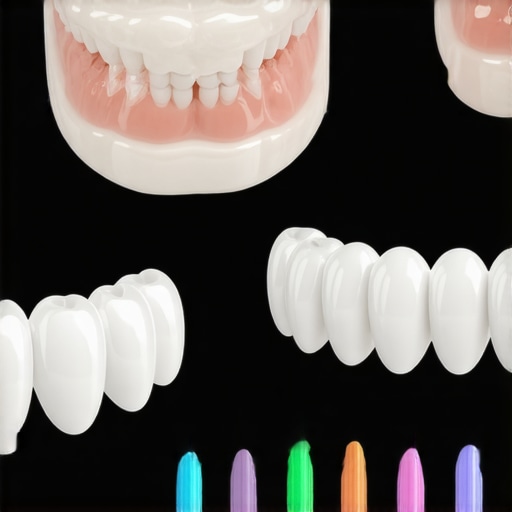
Addressing severe skeletal malocclusions often requires a multidisciplinary approach, integrating orthognathic surgery with orthodontics and restorative dentistry. Utilizing virtual surgical planning and 3D-printed surgical guides, clinicians can predict surgical outcomes with unprecedented precision, optimizing postoperative occlusion and aesthetics. Pre-surgical orthodontics with aligners like Invisalign can decompensate dental positions, facilitating smoother surgical interventions and more harmonious final restorations.
Harnessing Regenerative Techniques to Enhance Periodontal Support for Aesthetic Success
Emerging regenerative therapies, such as platelet-rich plasma (PRP) and guided tissue regeneration (GTR), support periodontal health during extensive cosmetic procedures. These biomodulation techniques promote tissue healing, reduce inflammation, and strengthen periodontal attachment, which is especially beneficial when veneers or crowns are close to the gingival margin. Maintaining optimal periodontal support is fundamental for aesthetic stability and patient satisfaction.
Call to Action: Elevate Your Practice with Cutting-Edge Aesthetic Strategies
For dental professionals committed to excellence, embracing these advanced techniques and interdisciplinary collaboration will set you apart in delivering extraordinary smile transformations. Stay updated with the latest research, invest in digital workflows, and cultivate a comprehensive understanding of biological, biomechanical, and material sciences to ensure your patients achieve their most radiant and durable smiles in 2024 and beyond.
Expert Insights & Advanced Considerations
1. Integrated Digital Planning Enhances Outcomes
Utilizing comprehensive digital workflows, including Digital Smile Design and intraoral scanning, allows clinicians to predict treatment results with precision, minimizing surprises and optimizing aesthetic harmony in complex cases.
2. Material Science Drives Longevity and Natural Aesthetics
Advances in ceramic materials such as lithium disilicate and multilayered zirconia have revolutionized veneer durability and translucency, enabling minimally invasive restorations that last and look natural over time.
3. Interdisciplinary Collaboration is Crucial
Combining orthodontic, surgical, and restorative expertise ensures optimal functional and aesthetic outcomes, especially in complex skeletal or occlusal discrepancies requiring comprehensive treatment planning.
4. Minimally Invasive Techniques Offer Reversibility
Emerging no-prep and ultrathin veneer techniques preserve tooth structure while achieving high aesthetic standards, aligning with patient desires for conservative treatment options.
5. Regenerative Procedures Support Periodontal Stability
Incorporating regenerative therapies like PRP and guided tissue regeneration enhances periodontal health, which is fundamental for long-term aesthetic success and tissue stability around restorations.
Curated Expert Resources
- Journal of Prosthetic Dentistry: Provides peer-reviewed research on biocompatible materials and adhesive protocols critical for durable, aesthetic restorations.
- Digital Smile Design (DSD) Official Website: Offers advanced tools and case studies demonstrating the integration of digital planning in complex smile makeovers.
- American Academy of Cosmetic Dentistry (AACD): An authoritative source for continuing education, latest trends, and expert guidelines on aesthetic dentistry practices.
- Dental Materials Journal: Features cutting-edge research on innovations in ceramic and composite materials for long-lasting restorations.
- Orthodontic and Surgical Case Studies: Published in leading journals, these provide insights into interdisciplinary approaches for skeletal discrepancies and complex cases.
Final Expert Perspective
In 2024, mastering the synergy of advanced material science, digital technology, and interdisciplinary collaboration is essential for delivering superior cosmetic dental results. Embracing minimally invasive techniques and regenerative therapies ensures durability, tissue health, and patient satisfaction. As an industry leader, staying abreast of these innovations and integrating them into your practice will solidify your reputation as a pioneer in aesthetic dentistry. Engage with these authoritative resources, share your insights, and contribute to the ongoing evolution of smile enhancement strategies—your expertise will inspire the next generation of cosmetic excellence. For further discussion or to explore tailored solutions, visit Contact Us and elevate your practice today.


3 Comments