
Why your teeth feel sensitive after you’ve had a cold
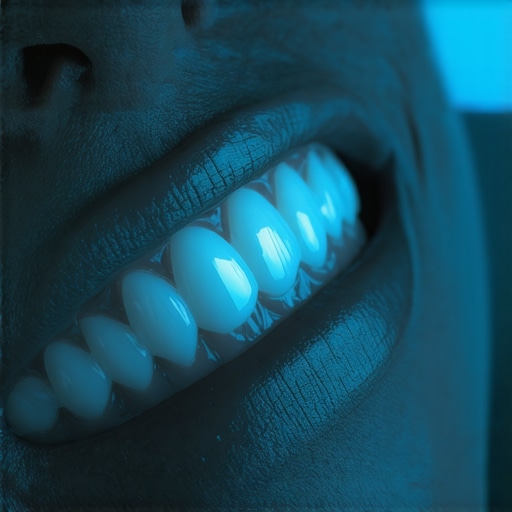
It was just another chilly afternoon when I reached for my favorite ice-cold drink, only to be met with a sharp jolt of pain in my teeth. Suddenly, that refreshing sip turned into a discomfort-filled ordeal. It was a lightbulb moment for me—realizing that my teeth, which felt perfectly fine yesterday, became sensitive after I caught a cold. That experience made me wonder, “Why does this happen?” and more importantly, what can I do about it?
Understanding Post-Cold Tooth Sensitivity: The Hidden Connection
Many people don’t realize that experiencing teeth sensitivity after a cold isn’t unusual. Cold weather, or even catching a cold, can trigger that sharp pain when eating or drinking something cold, hot, or sweet. This sensitivity often feels like an electric shock—unexpected and irritating. The cause? A combination of temporary swelling, dehydration, or underlying dental issues that get amplified during illness.
Is Cold Sensitivity Actually Serious?
Early on, I made the mistake of dismissing my discomfort as just a minor thing—thinking it would go away on its own. That was a mistake. Persistent or worsening sensitivity can be a sign of enamel erosion, gum recession, or cavities. According to the American Dental Association, tooth sensitivity affects nearly 1 in 8 adults, and ignoring it can lead to more serious issues down the line.
When I first noticed my teeth hurting after a cold, I underestimated the impact. But over time, ignoring the signs only worsened my condition. So, if you’ve faced similar problems, you know how disruptive it can be—ruining your enjoyment of your favorite foods and drinks.
Today, I’ll share practical insights and steps that helped me reduce my sensitivity and protect my smile—whether you’ve recently caught a cold or just want to prevent this discomfort in the future.
Identify the Main Cause of Discomfort
Start by pinpointing whether your sensitivity stems from enamel erosion, gum recession, or other dental issues. For example, I once noticed that my cold sensitivity worsened after a week of flu. Visiting my dentist revealed that dehydration and slight gum recession caused my discomfort. Recognizing the root helps tailor your approach effectively.
Maintain Gentle Oral Hygiene Practices
Use a soft-bristled toothbrush and avoid aggressive brushing, which can aggravate sensitive areas. I replaced my old brush with a gentle one, focusing on cleaning without pressure. This simple change made a big difference in decreasing soreness, especially after colds when gums are inflamed.
Utilize Desensitizing Toothpaste Regularly
Apply a toothpaste formulated for sensitivity, such as those containing potassium nitrate or stannous fluoride. I started using such toothpaste twice daily, and within two weeks, the sharp cold shocks diminished significantly. Consistency is key to build up a protective layer over exposed dentin.
Limit Exposure to Triggering Temperatures
Avoid extremely hot or cold foods and beverages when your teeth are sensitive. During my cold recovery, I opted for lukewarm drinks and soft foods, reducing stimuli that trigger pain. This approach helps prevent aggravating the nerves while healing occurs.
Stay Well-Hydrated and Boost Saliva Production
Dehydration worsens sensitivity by drying out the oral tissues. I made sure to drink plenty of water, especially when I had the cold, to keep my mouth moist. Chewing sugar-free gum also stimulated saliva, creating a natural barrier against temperature swings.
Seek Professional Dental Advice for Persistent Symptoms
If sensitivity persists beyond a few weeks or worsens, consult a dentist promptly. They can identify issues like cavities or enamel erosion. During my visit, my dentist applied a fluoride varnish that rapidly strengthened my enamel. For more about effective treatments, check out this teeth whitening guide.
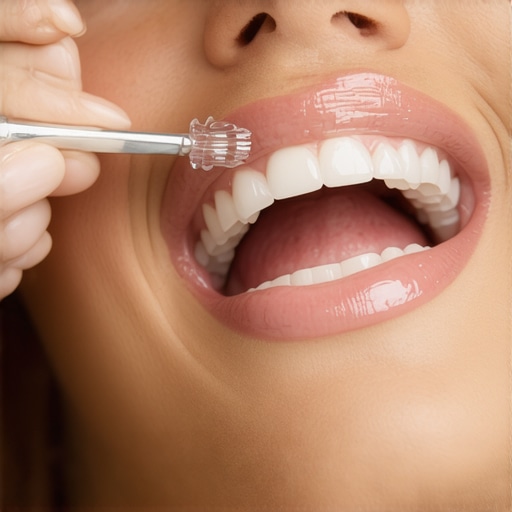 While many believe that choosing Invisalign over traditional braces guarantees a discreet and hassle-free experience, the reality is more nuanced. For instance, Invisalign aligners require strict compliance; improper wear can prolong treatment or compromise results. A common myth is that Invisalign is suitable for everyone, but cases involving complex bites or severely misaligned teeth often benefit more from traditional orthodontics or other solutions.
Are Clear Aligners Truly Invisible and Comfortable Enough to Wear 24/7?
Recent studies indicate that some patients experience discomfort or notice the aligners, especially if not fitted correctly, which can impact their confidence and hygiene routines. Furthermore, advanced material technology is continually improving aligner comfort; however, misconceptions persist that they are completely unnoticeable or cause no soreness. External research from the American Association of Orthodontists suggests that aligner adjustments and proper hygiene are key to successful outcomes.
Similarly, veneers are often touted as a quick facelift for teeth, but many overlook the potential for irreversible damage. A prevalent mistake is assuming veneers are solely aesthetic; in reality, they involve removing some enamel, which can lead to increased sensitivity or cavity risk if not properly managed. It’s crucial to understand that veneers are not exchangeable and require meticulous planning by a skilled cosmetic dentist. For example, the subtle differences in veneer thickness and material choice significantly impact their longevity and natural look. Check out this comprehensive guide on veneers for more insights.
In family dentistry, many assume that a one-size-fits-all approach suffices, but tailoring care for children, adults, and seniors can make a real difference. For instance, emphasizing preventative care and tailored oral hygiene routines can prevent issues like early cavities or gum disease. A common oversight is neglecting the unique needs of developing or aging teeth, which can compromise lifelong oral health. Companies like the American Academy of Pediatric Dentistry emphasize personalized strategies to foster healthy habits early on. Learn more about how family dentistry can impact your entire generations’ smiles by exploring family dental tips.
Teeth whitening, while straightforward in theory, often involves misconceptions about its safety and efficacy. Many believe that whitening products are universally safe; however, over-the-counter options vary in strength, and misuse can cause sensitivity or gum irritation. A hidden nuance is that whitening effects depend on the type of stain—extrinsic or intrinsic—and the natural shade of teeth. For safer, longer-lasting results, professional whitening guided by a dentist often outperforms DIY kits. For detailed strategies, see this teeth whitening guide.
Being aware of these misconceptions and nuances ensures you make informed decisions tailored to your specific needs. Before embarking on any dental aesthetic journey, consult with professionals who understand the latest advancements and individual complexities—because your smile deserves more than just surface-level solutions. Have you ever fallen into this trap? Let me know in the comments.Maintaining the results of your dental treatments like Invisalign, veneers, or teeth whitening requires consistent care and the right tools. I personally recommend investing in a high-quality sonic toothbrush such as the Philips Sonicare DiamondClean. Its superior plaque removal and gentle cleaning action help preserve enamel integrity and prevent plaque buildup around veneers and aligners, ensuring long-term success. Additionally, a water flosser like the Waterpik Ultra serves as an excellent adjunct, especially for cleaning around brackets or under porcelain veneers where traditional flossing might be challenging. Its water pulse technology effectively reduces gum inflammation and keeps periodontal health in check, which is vital for the longevity of any dental aesthetic or orthodontic work. For those in orthodontic care, using an interdental brush like the TePe Interdental Brush helps clean hard-to-reach areas around aligners or brackets, minimizing the risk of decay or staining. To streamline your routine, I depend on dental software such as Dentrix Ascend, which allows scheduling reminders for filter replacements and monitor your treatment progress—keeping focus on consistent maintenance. Looking ahead, dental technology is rapidly advancing; expect integrated apps and smart toothbrushes with AI capabilities that provide real-time feedback on your brushing technique, pushing us closer to routine dental health optimization at home.
How do I keep my smile flawless over time?
- Stick to a daily routine using recommended tools like sonic toothbrushes and water flossers to prevent plaque and stains.
- Schedule regular dental check-ups and professional cleanings—ideally every six months—to catch issues early.
- Adopt lifestyle habits that protect your investment, such as minimizing stain-causing foods and avoiding teeth grinding, which could damage veneers or aligners.
- Use specialized whitening pastes every few months if recommended by your dentist, to maintain brightness without sensitivity concerns.
- Consider periodically updating your aligners or veneers with your dentist, especially if there are changes in your oral health or aesthetics.
Furthermore, research from the American Dental Association highlights that consistent use of high-quality dental tools significantly extends the lifespan of whitening treatments, aligners, and veneers. I encourage you to try integrating a smart toothbrush into your daily regimen—it’s a game changer in maintaining that perfect smile for years to come. Remember, long-term results depend not only on the initial treatment but also on your commitment to maintenance and the right tools.
3 Lessons That Transformed My Approach to Invisalign and Veneers
One of the biggest revelations was realizing that strict compliance with Invisalign wear schedules made or broke my results. It’s not just about getting the aligners in, but wearing them diligently—missing even a day can extend months of treatment. Additionally, choosing veneers demanded careful consideration of enamel removal—the irreversible step that affects sensitivity and longevity. Finally, I learned that consistent maintenance, like investing in a sonic toothbrush, is key to preserving both Invisalign and veneers over time, preventing staining and decay. These lightbulb moments taught me patience and informed decision-making that I wish I knew earlier.
My Go-To Resources for Dental Confidence
First, I rely on the comprehensive Invisalign secrets guide because it demystifies the treatment process and sets realistic expectations. For veneers, this detailed overview helped me understand material options and longevity. The family dentistry tips resource emphasizes preventive care tailored for different ages, which I now prioritize for my whole family. Lastly, the teeth whitening guide kept me informed about safe methods to maintain brightness without sensitivity, reinforcing my commitment to a healthy smile.
Your Smile Is Worth the Effort—Start Today
Remember, achieving and maintaining a dazzling smile isn’t just about aesthetics; it’s about confidence and overall health. Whether you’re considering Invisalign, veneers, or routine family dental care, taking that first step can be life-changing. The journey may have its challenges, but with the right knowledge and tools, your brightest smile is within reach. Don’t wait for the perfect moment—your future self will thank you for beginning today.