
The secret to keeping your white fillings from turning brown
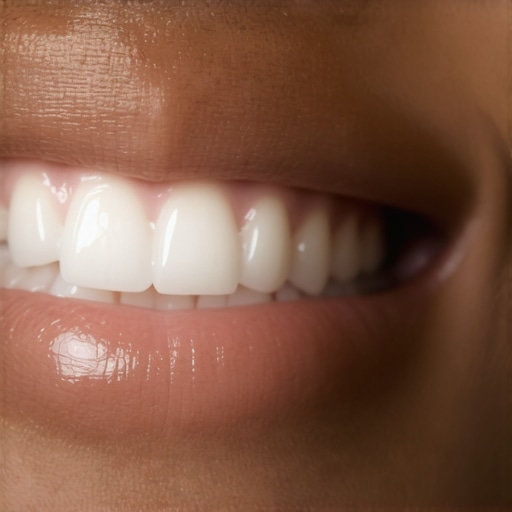
I’ll never forget the moment I looked in the mirror and saw my once-pristine white filling turning an unsightly shade of brown. It was a lightbulb moment for me—how could something I cherished to boost my smile’s confidence backfire so quickly? Many of us invest in dental treatments like veneers, teeth whitening, or Invisalign, hoping they’ll give us that radiant glow. But despite our efforts, pesky discoloration can creep in, especially around fillings, making us wonder if all the time, money, and care are worth it.
Why Do White Fillings Turn Brown Over Time?
Many people assume that just brushing and flossing will keep their dental work pristine forever. However, I’ve learned the hard way that environmental factors and lifestyle choices play significant roles. Consuming staining foods and drinks like coffee, tea, red wine, or even berries can cause discoloration that especially affects fillings, veneers, and crowns. Plus, habits such as smoking or not maintaining regular dental checkups can accelerate this process. Interestingly, according to a 2022 study published by the American Dental Association, surface stains from dietary sources are a leading cause of discoloration in restorative materials, emphasizing the importance of targeted preventive measures.
Is Whitening Treatments Enough to Save Your Smile?
Initially, I thought an at-home whitening kit would do the trick. It seemed simple enough—just pop in some whitening trays, and voilà! But I soon realized that whitening gels can’t effectively reverse stains embedded in the material of fillings or veneers. Early on, I made the mistake of relying solely on whitening products without addressing underlying causes or seeking professional guidance. This oversight only made my issues worse, highlighting that a tailored approach from a family dentist can make all the difference. If you’re curious about the latest whitening options and how they might help, check out our comprehensive guide on [teeth whitening secrets for a sparkling smile in 2025](https://smilegumcare.com/teeth-whitening-secrets-for-a-sparkling-smile-in-2025-at-1248).
Have you faced this frustrating problem with your dental restorations? Don’t worry—you’re not alone. Fortunately, there are effective strategies to keep your smile shining bright and prevent your fillings from adopting an unflattering hue. Let’s explore how you can preserve that crisp, white look for years to come.
Maintain a Consistent Oral Hygiene Routine
Start by brushing twice daily with a fluoride toothpaste designed for stain resistance. Use a soft-bristled toothbrush and make sure to clean all surfaces of your teeth, including around fillings, veneers, or crowns. Floss daily to remove plaque and food particles that can contribute to staining and decay. During my own routine, I found that switching to an electric toothbrush increased my cleaning efficiency, noticeably reducing discoloration over a few weeks.
Limit Staining Foods and Drinks
Reduce intake of coffee, tea, red wine, berries, and tomato-based sauces, especially right after dental work. If you do indulge, rinse your mouth with water afterward or brush gently after an hour. I once tried sipping coffee through a straw during a breakfast meeting; it wasn’t perfect, but it minimized direct contact with my fillings, and I saw less staining over time.
Adopt Lifestyle Changes for Better Dental Health
Quit smoking and limit alcohol consumption, as both accelerate staining and damage. Smoking etches into restorative materials, making discoloration more prominent. I recommended to a friend to replace her smoking habit with chewing sugarless gum, which also boosts saliva production—helping remineralize teeth and protect fillings from staining.
Schedule Regular Dental Checkups
See your dentist every six months for professional cleanings. During these visits, ask for polishing treatments to remove surface stains and check the condition of your restorations. I experienced that regular cleanings kept my smile bright and alerted me early to any discoloration or wear in my fillings.
Use Whitening Products Carefully and Under Supervision
Over-the-counter whitening gels and strips have limited effect on fillings, so avoid relying solely on these. Instead, consult your family dentist about professional whitening options. I once attempted a whitening kit at home; however, it didn’t significantly whiten my fillings, prompting a professional consultation, which led to a targeted whitening plan that improved my overall smile appearance.
Consider Restorative Alternatives
If discoloration persists, ask your dentist about replacing old fillings with newer, stain-resistant materials like ceramic or composite resin. For more advanced aesthetic improvements, veneers might be an option—these can mask discolorations entirely. I chose veneers after a consultation, and now my smile feels renewed and uniform.
<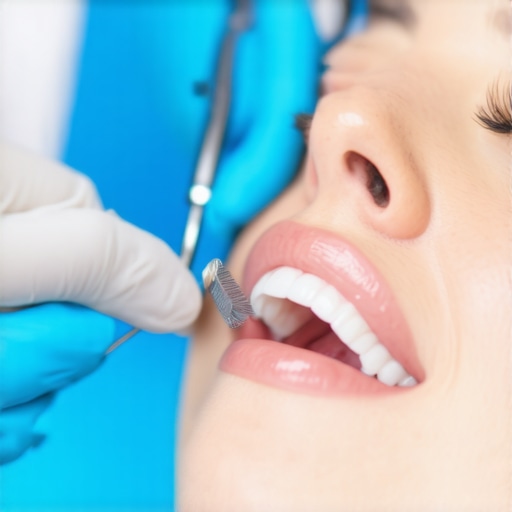 >Many patients believe that treatments like Invisalign, veneers, or teeth whitening are foolproof paths to perfect smiles, but the truth is more nuanced. For instance, a common myth is that Invisalign always straightens teeth fast and invisibly; in reality, factors like case complexity and compliance significantly influence results, as discussed in our guide on [Invisalign innovations for 2025](https://smilegumcare.com/invisalign-innovation-invisible-braces-changing-smiles-in-2025-at-1537). Additionally, many underestimate the importance of patient-specific adjustments—what works for one person may not apply to another, especially considering the bone structure and gum health. When it comes to veneers, there’s a misconception that they are a permanent, maintenance-free fix. But, in fact, improperly bonded veneers or those placed on compromised teeth can fail prematurely, leading to further damage and increased costs. A common mistake is choosing veneers solely for white teeth without assessing underlying issues like decay or misalignment that may require orthodontic or restorative solutions first. Teeth whitening, often seen as a simple, over-the-counter fix, can be surprisingly complex. Overuse or improper application may cause sensitivity or uneven shade, especially if restorations like fillings or crowns are involved—they won’t whiten along with natural teeth. Consultation with a dental professional ensures customized, safe whitening plans tailored to your unique needs, as highlighted in [the ultimate guide to teeth whitening options](https://smilegumcare.com/teeth-whitening-secrets-for-a-sparkling-smile-in-2025-at-1248).
### Are You Overlooking the Tiny Details?
One advanced consideration that many overlook is how each treatment interacts with your existing dental health. For example, misaligned veneers can cause bite issues if not properly planned, leading to discomfort or even TMJ problems over time. Moreover, some patients assume that dental restorations are immune to staining, but surface wear and staining can occur if oral hygiene isn’t optimal. An overlooked nuance involves the bonding layers of veneers or whitening agents’ potential to irritate sensitive gums—something only a professional can predict and prevent. Experts emphasize comprehensive treatment planning, including 3D imaging and functional assessments, to predict long-term satisfaction and durability of cosmetic procedures. For more insights on upgrading your smile smartly, explore our detailed articles or contact our specialists through [this page](https://smilegumcare.com/contact-us-2).
In summary, superficial understandings of cosmetic dentistry can lead to disappointment or costly mistakes. Engaging with a qualified dental professional ensures you navigate these treatments with clarity and confidence. Have you ever fallen into this trap? Let me know in the comments, and let’s discuss how to avoid common pitfalls and achieve lasting, beautiful results.Maintaining your dental enhancements over time requires more than just good habits—having the right tools and strategies makes all the difference. Personally, I rely on a combination of high-quality electric toothbrushes and professional-grade whitening products to preserve my smile. For everyday cleaning, I swear by the Philips Sonicare DiamondClean Smart, which offers superior plaque removal and gentle polishing, especially around veneers and fillings. Its SMART sensor technology provides real-time feedback, ensuring I don’t miss spots, and its sonic vibrations effectively break down stains caused by coffee and wine, helping me maintain a consistent radiant smile. When it comes to whitening, I prefer professional treatments over over-the-counter options. My go-to is the Philips Zoom Whitening System, which my dentist recommends for its proven long-term results and minimal sensitivity. Regular professional cleanings are crucial; I schedule visits every six months to ensure surfaces are polished and surface stains eliminated before they can set in.
Looking ahead, I predict that advancements in LED UV light technology and personalized whitening formulations will further customize dental care, making it even more effective and comfortable. These innovations could allow for at-home professional-grade whitening with shorter treatment times and enhanced safety.
How do I maintain my smile after cosmetic procedures?
Keeping your smile bright and healthy long-term hinges on proven methods like consistent brushing and flossing, supported by smart tools. For example, using interdental brushes such as the TePe EasyPick can reach tricky spots around veneers and crowns, preventing plaque buildup that leads to discoloration or decay. Additionally, incorporating fluoride rinses like ACT Total Care into your routine strengthens enamel and reduces vulnerability to staining.
I highly recommend adopting a comprehensive oral hygiene plan that includes these tools and routine visits. My personal experience shows that combining technology with professional guidance yields superior results, especially when managing restorations like veneers or Invisalign. For more personalized advice, consider consulting your family dentist—who can recommend tools tailored to your specific needs [here](https://smilegumcare.com/family-dentistry-tips-creating-a-healthy-smile-for-your-kids-at-0915).
Long-term success also involves staying abreast of emerging technologies. For instance, newer versions of intraoral scanners and augmented reality (AR) diagnostics are changing the game. These tools enable dentists to plan treatments with unmatched precision, reducing errors and enhancing durability of restorations like veneers and crowns.
Don’t forget: scheduling regular checkups remains a cornerstone. During these visits, ask your dentist about the latest tools and methods to optimize your ongoing care. Implementing a well-rounded maintenance routine with relied-upon equipment like sonic toothbrushes and professional whitening systems will keep your smile shining brightly for years to come. If you’re eager to upgrade your routine, try integrating a sonic toothbrush today and notice the immediate boost in cleanliness—and long-term results. For my personal choice, check out the comprehensive guide on [teeth whitening secrets for a sparkling smile in 2025](https://smilegumcare.com/teeth-whitening-secrets-for-a-sparkling-smile-in-2025-at-1248).
Over the years, I’ve discovered that the key to a radiant smile isn’t just about quick fixes but understanding the deeper lessons behind dental health and cosmetic treatments. If you’ve ever dealt with fillings, veneers, or whitening mishaps, then you’re aware that maintaining that perfect look requires more than just routine brushing.
What I Wish I Knew About Smile Preservation
- The Hidden Impact of Diets and Habits: I used to think that a diligent brushing routine was enough. It turns out, avoiding staining foods like coffee and berries is just as crucial for long-term aesthetic success. I learned this when my favorite latte stained my restored tooth, despite my best efforts.
- The Power of Professional Guidance: DIY whitening kits seemed tempting, but I realized that tailored professional treatments yield better, safer results. Consulting with my dentist revealed options I hadn’t considered, saving me from uneven or sensitivity issues.
- Material Matters in Restorations: Not all fillings or veneers are created equal. Upgrading to stain-resistant materials made a noticeable difference in my smile’s longevity, a tip I wish I had known earlier.
- Regular Checkups Are Game Changers: Routine visits weren’t just about cleaning; they were opportunities to catch early discoloration or damage. Since scheduling consistent appointments, my smile remains vibrant and healthy.
- Maintaining Aesthetic Confidence: Adopting a holistic approach—combining good habits, professional advice, and suitable materials—has kept my smile radiant for years. It’s an ongoing journey that rewards patience and proactive care.
Tools and Resources That Make a Difference
- Latest Invisalign innovations: Staying informed about breakthroughs helps you choose discreet orthodontic options tailored to your lifestyle.
- Veneers and crown guides: Understanding the differences ensures your aesthetic goals are met sustainably.
- Teeth whitening secrets: Professional whitening strategies that ensure a uniform, long-lasting glow.
- Seeking personalized advice: Connecting with your dentist can unlock tailored solutions for your unique smile journey.
Your Smile Means More Than You Think
Taking charge of your dental health and aesthetic treatments isn’t just about appearances—it’s about feeling confident, healthy, and authentic. My experience has taught me that understanding the nuances of materials, habits, and professional guidance transforms a good smile into a lasting one.
Are you ready to invest in your smile’s future? Small, consistent actions can turn fleeting results into lifelong confidence. Share your experiences or questions below—your journey to a brighter, more resilient smile begins today!