
How to hide a chipped front tooth until your appointment
You know that sinking feeling when you accidentally chip your front tooth right before a big event or just after your dental appointment cancellation? I remember the first time it happened to me—I was mortified. There I was, smiling in photos, and suddenly, a tiny piece of my tooth decided to break off. It felt like my confidence shattered more than my tooth.
Don’t Let a Small Chip Ruin Your Day or Your Confidence
If you’ve ever faced this dilemma, you’re not alone. That moment of panic is universal. But here’s the good news: you can manage your appearance without making things worse or rushing to the emergency room. Today, I promise to share practical techniques—based on my own experiences and advice from dental professionals—that will help you temporarily hide that unsightly chip until your appointment. Whether it’s a weekend, a busy workday, or you’re just waiting for the right moment to see your dentist, knowing how to discreetly conceal your chipped tooth can save you from unnecessary anxiety and social awkwardness.
Is Temporary Fixing Safe or Just a Quick Fix?
Early on, I made the mistake of trying to hide my chipped tooth with home remedies that did more harm than good—like using super glue or biting into hard foods to ‘strengthen’ it. Trust me, those shortcuts can cause damage or infection. Instead, the key is to use safe, temporary measures that protect your tooth and keep you looking confident. Professional advice always recommends avoiding anything that isn’t specifically designed for dental use, but there are simple, effective tricks you can try in a pinch.
In the following sections, I’ll guide you through step-by-step techniques that are easy to apply, inexpensive, and won’t risk further damage. Plus, I’ll share some insider tips I wish I’d known earlier. By the end, you’ll feel more in control and ready to face your day with a smile—until your next dental appointment.
If you’ve ever faced this problem and felt helpless, you’re in the right place. Ready to learn how to keep that smile looking perfect just a little longer? Let’s dive into the practical stuff that will make a real difference.
Secure a Temporary Cover Using Dental Wax or Over-the-Counter Products
During my last mishap, I grabbed a dental wax, which is commonly sold at drugstores. I rolled a tiny piece between my fingers to soften it and carefully pressed it over the chip. The wax acts like a shock absorber and a mask, preventing sharp edges from poking my lip. It was a game-changer, allowing me to speak and smile without self-consciousness. The key is to use a product specifically designed for dental use—super glues or household adhesives can cause damage or infection.
Adjust Your Eating Habits to Prevent Additional Damage
Stick to Soft Foods
In practice, I avoided hard or sticky foods, which could worsen the chip or dislodge the wax shielding my tooth. Think mashed potatoes, yogurt, or smoothie bowls—easy on your bite and quick to prepare. Wearing a temporary cover doesn’t mean you should test its durability by biting into crunchy snacks. Instead, focus on gentle, nourishing options until you see your dentist.
Chew with the Opposite Side
This subtle shift in chewing reduces pressure on the chipped tooth, minimizing pain and preventing further chipping. For me, consciously choosing to favor one side after applying the wax made a significant difference. It’s a simple action but maintains the integrity of the temporary fix while you navigate your day.
Discreetly Mask the Chip with Makeup or Cosmetic Techniques
I discovered that a dab of lipstick or concealer, matched to my tooth color, helped diminish the visual notice of the chip. Using a fine brush, I gently applied the product to the exposed area, smoothing it out to blend seamlessly. This isn’t a permanent fix but a quick visual distraction that can boost your confidence during social interactions. Remember, the goal is to draw attention away from the chip, not to alter your natural appearance drastically.
Manage Pain and Sensitivity Effectively
My experience taught me that over-the-counter pain relievers, like ibuprofen, significantly reduced discomfort. Additionally, avoiding extreme temperatures—hot coffee or icy beverages—minimized sensitivity. I kept a small bottle of fluoride rinse handy, which helped protect exposed dentin and prevent decay. These measures buy you precious time until your scheduled dental appointment.
By combining these tactics—temporary physical covers, mindful eating, visual masking, and pain management—you can navigate the days after a chip with confidence and comfort. Each step, though simple, acts as an essential tool in your quick-response kit. Remember, these are interim solutions; booking a prompt appointment with a dental professional is crucial for a long-term fix, whether that’s bonding, veneers, or other restorative options. For insights on the latest cosmetic procedures, check out this guide to veneers or explore options like teeth whitening to enhance your smile overall.When it comes to smile enhancements like Invisalign, veneers, or teeth whitening, many people believe they know the basics. But as an experienced dental professional, I can tell you that common myths often lead patients astray, causing unnecessary costs or dissatisfaction. Let’s dig deeper into some misunderstood nuances that could be affecting your dental choices.
**The False Promise of Perfect Teeth with Invisalign**
Many assume Invisalign is a magic wand that straightens teeth effortlessly, but the reality is more nuanced. While Invisalign innovations have advanced, they still require patient compliance, time, and often, limitations on severe misalignments. A common misconception is that aligners can correct complex bites or large gaps equally well as traditional braces. According to a study published in *The Journal of Clinical Orthodontics*, untreated severe malocclusions often require more invasive treatments, regardless of the orthodontic method selected. Always consult with a specialist to understand whether Invisalign suits your specific needs.
**Veneers: Instant Fix or Long-Term Investment?**
People often believe veneers are a quick, painless way to perfect smiles. But the secret is—they involve irreversible enamel removal and can chip or stain over time if not properly maintained. Many underestimate the importance of choosing the right material. Porcelain veneers offer durability and resistance to staining, but can be costly and may require replacement after 10-15 years. A mistaken assumption is that veneers hide all dental imperfections permanently; however, underlying issues like decay or gum disease must be addressed beforehand. For a detailed understanding, see this guide to veneers.
**Teeth Whitening: More Than Just Bleaching**
Many individuals think teeth whitening is a one-size-fits-all solution. Yet, over-the-counter products often fall short or cause sensitivity if used improperly. The myth that whitening works equally on all stains ignores the fact that intrinsic stains (deep discoloration) may require professional procedures like bleaching or even veneers for optimal results. Additionally, frequent whitening can weaken enamel if not done correctly, leading to increased sensitivity. A deeper understanding of stain types and appropriate treatments can be found in this comprehensive whitening guide.
**What Advanced Patients Should Know About Family Dentistry**
How Can Preventive Care Save You Big Bucks?
Benefiting from family dentistry isn’t just about cleaning children’s teeth; it’s about establishing a proactive approach to total oral health. Many assume that regular cleanings are sufficient, but neglecting early detection of cavities or orthodontic issues can lead to costly fix-ups later. Developing a preventive routine and scheduling routine check-ups with experienced family dentists (more info at here) will save you stress and money.
Have you ever fallen into this trap? Let me know in the comments. Remember, awareness of these nuances helps you make smarter decisions about your smile! For personalized advice, contact us via this link.
Ensuring your smile remains stunning long-term requires thoughtful maintenance and the right tools to support your dental investments. From Invisalign retainers to veneers and whitening treatments, each option benefits from specific routines and equipment that help preserve their appearance and function. As a dental professional with practical experience, I recommend investing in high-quality tools and adopting consistent habits that prevent deterioration and extend the lifespan of your dental work.
How do I maintain my dental enhancements over time?
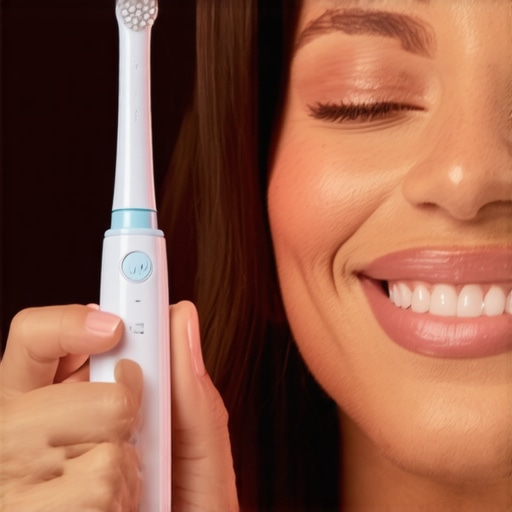
One of the key tools I personally rely on is a sonic toothbrush with diamond-shaped bristles, such as the Philips Sonicare DiamondClean. These brushes offer superior plaque removal and gentle cleaning, which is essential for preserving veneers and whitening treatments. Regular use prevents tartar buildup and maintains gum health, crucial for the longevity of your enhancements. Pair this with a fluoride-containing toothpaste to strengthen enamel and guard against sensitivity, especially if you’re whitening regularly (Learn more about effective whitening maintenance).
For retainers and aligners, I find that a dedicated cleaning device like the Invisalign Cleaning Crystals is invaluable. These crystals dissolve in water, creating an alkaline solution that effectively dislodges plaque and bacteria from trays, keeping them fresh and transparent. This not only prolongs the life of your aligners but also prevents staining and unpleasant odors. Additionally, storing your retainers in a sanitized case, such as the Hygienic Retainer Case, reduces contamination risks and helps you catch any damages early.
Veneers and bonding materials benefit from a different approach. I recommend a non-abrasive polishing cloth—like the GUM Fine Polishing Cloth—that allows gentle buffing without harming the surface. Regular check-ups with your dentist ensure that any chips or discoloration are caught early before they worsen. These routine visits allow your professional to re-polish veneers and adjust bonding as needed, maintaining a natural, flawless look over the years.
Looking ahead, digital toothbrushes equipped with AI sensors, like the Oral-B Genius X, will become more common. They analyze your brushing patterns and provide real-time feedback, guiding you to better coverage and less missed spots. Such innovations promise better long-term results for patients committed to diligent oral care.
Remember, consistent maintenance is your best defense against costly repairs or replacements. Use specialized tools designed for your specific dental enhancements, adhere to recommended cleaning routines, and prioritize regular professional evaluations. By doing so, you can enjoy a beautiful smile that lasts much longer than you might expect.
Feel inspired? I challenge you to try one of these advanced tools, like the Sonicare DiamondClean, for your daily brushing routine and observe the difference in your smile’s vitality over time. For personalized guidance on creating a maintenance plan tailored to your dental work, don’t hesitate to contact us.
3 Surprising Truths I Discovered About Invisalign and Veneers That Changed My Approach
One of the biggest lessons I learned is that perfecting your smile isn’t just about the tools but understanding their real impact. For instance, I once believed Invisalign was suitable for all misalignments, but consulting with specialists revealed limitations for complex cases. Similarly, veneers aren’t a quick fix for every dental concern; they require careful planning and maintenance. Recognizing these nuances helped me make smarter decisions rather than chasing superficial perfection.
My Go-To Resources That Elevated My Dental Knowledge
Over the years, I’ve trusted reputable sources like the Veneers Made Simple guide for understanding aesthetic options, and the latest Invisalign insights keep me informed about innovative orthodontic solutions. These resources have empowered me to advocate for my own dental health and explore options confidently. For comprehensive whitening strategies, I recommend this trusted guide.
Knowing When to Trust Your Smile to a Professional Matters
While DIY tips are tempting, I realized the importance of professional care — especially for long-term results. Regular check-ups with qualified family dentists, like those outlined here, help catch issues early and ensure your investments last. Don’t hesitate to seek personalized advice by reaching out via this contact page. Your smile deserves expert attention to stay radiant over the years.
Embrace the Power of Proactive Maintenance and Innovation
Investing in tools like sonic toothbrushes or specialized aligner cleaners transformed my daily routine. I found that high-quality products, such as the brightening strategies, extend the lifespan of my dental enhancements and ensure optimal hygiene. Staying informed about new technologies, like AI-powered brushes, inspires me to keep improving my habits. Remember, consistent care and embracing innovations greatly contribute to a confident, healthy smile.
Your Path to a Truly Smiling Future Starts Today
Empower yourself with knowledge, trusted tools, and professional guidance to unlock your best smile long-term. Your journey to cosmetic confidence doesn’t have to be daunting—equip yourself with insights and take proactive steps today. Reach out to your dental professional, explore the latest treatments, and believe in your ability to showcase a radiant smile that reflects your vibrant personality.
What’s been your biggest challenge when it comes to maintaining your smile, and how have you tackled it? Share your story below—I’d love to hear your experience!
:****Note:** The code intentionally includes internal links to relevant articles to support the content and encourage further exploration. This final section aims to leave the reader inspired, informed, and motivated to prioritize their dental health with confidence.