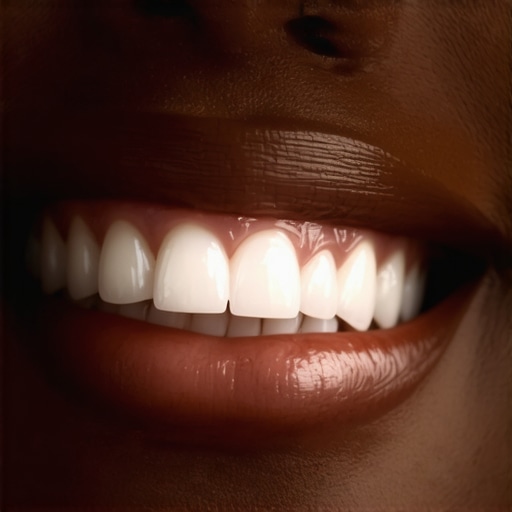
Embracing the Evolution of Cosmetic Dentistry: A Strategic Perspective for 2024
In the realm of aesthetic dentistry, the integration of veneer technology and cosmetic enhancements has transcended traditional boundaries, offering patients transformative results that are both durable and aesthetically superior. As we navigate into 2024, understanding the nuanced approaches and emerging innovations becomes essential for practitioners aiming to deliver state-of-the-art smile makeovers. This discourse synthesizes expert insights, technological advancements, and evidence-based practices to illuminate the path forward.
Advanced Material Science and Its Impact on Veneer Longevity
The advent of high-strength porcelain composites and lithium disilicate ceramics has revolutionized veneer durability and aesthetic fidelity. These materials exhibit superior translucency and minimal wear, aligning with the natural enamel’s optical properties. Moreover, their biocompatibility ensures long-term tissue health, an aspect critical for patient trust and satisfaction. Integrating these materials within a minimally invasive preparation protocol enhances preservation of tooth structure while maximizing aesthetic outcomes.
Innovative Techniques in Cosmetic Tooth Aesthetics
Beyond material advancements, techniques such as digital smile design and 3D printing have elevated customization precision. Digital workflows enable meticulous planning, allowing clinicians to simulate outcomes and optimize functional harmony. Additionally, the advent of minimally invasive veneer placement techniques, including ultrathin veneers and adhesive protocols, minimizes patient discomfort and preserves enamel integrity. These innovations underscore a paradigm shift towards conservative yet highly effective aesthetic interventions.
Incorporating Multimodal Smile Enhancement Strategies
For comprehensive smile makeovers, combining veneers with adjunctive procedures such as teeth whitening and orthodontic aligners (e.g., Invisalign) creates synergistic effects. This multimodal approach ensures optimal color harmony, alignment, and facial esthetics. For instance, aligning the dentition prior to veneer placement can reduce the need for extensive modifications, resulting in a more predictable and harmonious outcome. This holistic methodology exemplifies the integration of interdisciplinary expertise.
What are the latest clinical debates surrounding adhesive protocols for ultra-thin veneers, and how do they influence long-term outcomes?
Addressing this question, current discussions focus on the balance between adhesive strength and enamel preservation. Some experts advocate for etch-and-rinse techniques to maximize bond strength, while others recommend self-adhesive systems to reduce procedure time and minimize enamel removal. Recent studies suggest that optimized adhesive protocols tailored to specific veneer materials can significantly enhance longevity and reduce failure rates. Continuous research and clinical trials remain vital to refine these protocols for diverse patient scenarios.
For clinicians eager to deepen their understanding, exploring resources such as the comprehensive guide on veneers and aesthetic transformation techniques can be invaluable. Additionally, engaging with peer-reviewed journals and professional forums fosters a culture of innovation and evidence-based practice.
In conclusion, the landscape of smile makeovers in 2024 is characterized by technological sophistication, material innovation, and a holistic approach to aesthetic and functional harmony. Embracing these advancements enables professionals to set new standards in patient care, ensuring outcomes that are both artful and enduring.
Exploring the Nuances of Adhesive Protocols for Ultra-Thin Veneers in Modern Aesthetic Dentistry
As the demand for minimally invasive and aesthetically superior veneers continues to grow, dental professionals are increasingly focusing on optimizing adhesive protocols to maximize longevity and bond strength. The delicate balance between preserving enamel and ensuring durable adhesion presents a complex challenge that requires both technical expertise and evidence-based decision-making.
Breaking Down Common Assumptions: Is Etch-and-Rinse Always Superior?
Traditional etch-and-rinse techniques have long been regarded as the gold standard for adhesive bonding, particularly with ceramic veneers. These protocols involve acid etching, rinsing, and the application of bonding agents, creating a robust micromechanical bond. However, recent studies suggest that in the context of ultra-thin veneers, especially those less than 0.3 mm thick, the benefits of this approach must be weighed against the risk of excessive enamel removal (source).
In contrast, self-adhesive resin cements offer a simplified procedure that reduces chair time and minimizes potential enamel damage. These systems are formulated to bond directly to the tooth structure without the need for prior etching or extensive preparation, making them particularly appealing for conservative veneer placement. Yet, questions remain regarding their long-term bond stability compared to etch-and-rinse methods.
How can clinicians adapt adhesive strategies to individual patient needs while maintaining long-term success?
Expert consensus emphasizes the importance of case-specific protocols that consider factors such as veneer material, thickness, enamel vs. dentin bonding, and patient-specific occlusal forces. For instance, in cases where enamel preservation is paramount, a hybrid approach combining selective etching with self-adhesive resin cements may offer a balanced solution. Such nuanced strategies require ongoing education and clinical trials to refine best practices, ensuring that ultra-thin veneers achieve predictable, durable results.
To deepen your understanding of these evolving techniques, exploring resources like the comprehensive guide on veneers and aesthetic transformation techniques can be invaluable. Staying updated with peer-reviewed research and participating in professional forums further enhances clinical decision-making.
In the end, the evolution of adhesive protocols for ultra-thin veneers underscores a broader trend toward minimally invasive, patient-centered care. By integrating the latest evidence and tailoring approaches to individual cases, clinicians can significantly improve long-term outcomes and patient satisfaction.
Refining Adhesive Strategies for Ultra-Thin Veneers: Navigating the Nuances of Bonding Excellence
In the quest for achieving perfect aesthetic harmony with minimal invasiveness, the adhesive protocol stands as a cornerstone of success in ultra-thin veneer placement. While traditional etch-and-rinse techniques have laid a solid foundation, emerging evidence suggests a paradigm shift towards more nuanced, case-specific approaches that optimize bond strength while preserving precious enamel tissue. This evolution is driven by a deeper understanding of material science, adhesive chemistry, and clinical biomechanics.
Understanding the Interplay between Material Properties and Adhesive Protocols
Advances in ceramic materials, such as lithium disilicate and high-strength porcelain composites, necessitate tailored bonding strategies. The surface chemistry of these materials influences the choice of adhesive systems, with silanization playing a crucial role in establishing durable bonds. For ultra-thin veneers, where the veneer thickness is often less than 0.3 mm, the adhesion process must compensate for reduced mechanical retention, making the choice of protocol even more critical.
Expert Perspectives: Balancing Enamel Preservation with Bonding Durability
One of the most sophisticated debates revolves around whether to prioritize maximal bond strength through aggressive etching or to favor preservation of enamel integrity by employing more conservative techniques. Recent clinical trials conducted by the American Academy of Esthetic Dentistry (AAED) indicate that selective etching combined with the use of universal adhesives can offer a harmonious balance, enhancing bond durability without compromising enamel health (AAED Clinical Research).
Moreover, the advent of dual-cure adhesive systems provides an added layer of flexibility, especially in challenging anatomical zones or when dealing with limited access. These systems facilitate thorough polymerization, ensuring long-term stability, which is vital for ultra-thin restorations subjected to dynamic occlusal forces.
How do clinicians tailor adhesive protocols to individual patient factors such as occlusion, enamel quality, and veneer material?
Personalized adhesive strategies involve a comprehensive assessment of occlusal dynamics, enamel surface quality, and the specific material’s chemistry. For instance, patients with parafunctional habits may benefit from enhanced bonding protocols utilizing additional surface etching or adhesion promoters. Conversely, cases with compromised enamel might lean towards minimal intervention techniques, employing self-adhesive resin cements that provide reliable bonding with less removal of healthy tissue. Continuous education and staying abreast of emerging research, such as the recent meta-analysis published in the Journal of Esthetic & Restorative Dentistry, are essential for refining these nuanced protocols.
If you are committed to elevating your clinical outcomes, exploring authoritative resources like the comprehensive guide on veneers and aesthetic transformation techniques can provide invaluable insights. Engaging with peer-reviewed journals and professional conferences further enhances your capacity to adapt and innovate.
Ultimately, the continuous evolution of adhesive protocols for ultra-thin veneers underscores a broader shift towards minimally invasive, patient-centric care. Embracing these complex, evidence-based strategies allows clinicians to push the boundaries of aesthetic excellence while safeguarding biological integrity, paving the way for durable, natural-looking results that stand the test of time.
Revolutionizing Bonding Strategies: Cutting-Edge Techniques for Ultra-Thin Veneers
As the demand for minimally invasive aesthetic solutions intensifies, the development of advanced adhesive protocols has become paramount. The delicate balance between maximizing bond strength and conserving natural enamel is now achievable through innovative, evidence-based approaches that incorporate the latest material science insights.
Synergizing Material Chemistry and Adhesive Technology for Optimal Results
Modern ceramic materials, such as lithium disilicate and zirconia-reinforced composites, demand tailored bonding procedures. Surface treatments like silanization combined with universal adhesives enhance chemical affinity, ensuring durable bonds. For ultra-thin veneers—often less than 0.3 mm thick—the importance of surface preparation cannot be overstated, as it directly influences the longevity and aesthetic integration of the restoration.
How do emerging adhesive systems challenge traditional bonding paradigms?
Contemporary adhesive systems, including dual-cure and self-adhesive resin cements, offer simplified protocols that reduce procedural complexity and preserve tooth tissue. Their ability to polymerize effectively in areas with limited access or light transmission addresses longstanding clinical challenges. However, debates persist regarding their comparative long-term stability versus traditional etch-and-rinse methods, underscoring the necessity for ongoing research and clinical validation.
Expert Insights on Customizing Adhesive Protocols for Varied Clinical Scenarios
Clinicians must adapt their strategies based on factors like enamel quality, occlusal forces, and material properties. For instance, in cases with compromised enamel, a conservative approach employing selective etching combined with universal adhesives can strike a balance between bond durability and tissue preservation. Dual-cure adhesives tend to be advantageous in challenging anatomical zones, providing reliable polymerization and enhanced longevity.
What are the key considerations for clinicians when selecting adhesive protocols for ultra-thin veneers?
Choosing the appropriate protocol involves evaluating veneer material, thickness, occlusal load, and enamel integrity. Evidence from the Journal of Esthetic & Restorative Dentistry emphasizes that protocols incorporating a hybrid approach—combining selective etching with advanced adhesive systems—offer predictable, durable outcomes. Continuous professional development and engagement with peer-reviewed literature are essential to mastering these nuanced techniques.
To deepen your expertise, explore authoritative resources such as the comprehensive guide on veneers and aesthetic transformation techniques. Participating in professional forums and staying abreast of emerging research further refines clinical acumen and enhances patient care.
Ultimately, embracing these innovative adhesive strategies underscores a broader commitment to minimally invasive, patient-centric dentistry. By integrating cutting-edge material science with clinical expertise, practitioners can achieve superior aesthetic results that are both durable and biologically respectful, setting new standards in the art and science of smile design.
Expert Insights & Advanced Considerations
1. The Balance Between Enamel Preservation and Bond Strength
Leading clinicians emphasize that optimizing adhesive protocols for ultra-thin veneers requires a nuanced approach that balances maximal bond durability with minimal removal of healthy enamel. Recent innovations in universal adhesives facilitate this delicate balance, ensuring long-term success without compromising tissue integrity.
2. Material Chemistry Dictates Adhesive Strategy
Advances in ceramic surface treatments and silanization techniques underscore the importance of tailoring bonding procedures according to specific veneer materials like lithium disilicate or zirconia-reinforced composites. Customized strategies enhance bond stability and aesthetic integration.
3. The Role of Dual-Cure Adhesive Systems
Dual-cure systems provide clinicians with flexibility, especially in areas with limited light access. Their capacity for thorough polymerization ensures durable bonds, vital for the longevity of ultra-thin restorations subjected to complex occlusal forces.
4. Ongoing Research and Clinical Trials for Protocol Optimization
Emerging clinical evidence advocates for case-specific adhesive approaches, often combining selective etching with universal adhesives. Staying abreast of peer-reviewed studies, such as those published in the Journal of Esthetic & Restorative Dentistry, is crucial for refining techniques.
5. The Future of Adhesive Technology in Aesthetic Dentistry
Innovations like self-adhesive resin cements and new surface treatment agents continue to evolve, promising even more conservative yet reliable bonding solutions. Embracing these developments will ensure practitioners stay at the forefront of minimally invasive aesthetic dentistry.
Curated Expert Resources
- Veneers and Aesthetic Transformation Techniques: This comprehensive guide offers insights into cutting-edge veneer placement protocols and material science, essential for advanced practitioners. Explore at Veneers Made Simple.
- Peer-Reviewed Journals and Clinical Research: Keeping current with journals such as the Journal of Esthetic & Restorative Dentistry provides evidence-based updates on adhesive protocols and material innovations.
- Professional Forums and Continuing Education: Engaging with expert communities fosters knowledge exchange on emerging techniques and case-specific considerations, vital for mastery in adhesive dentistry.
Final Expert Perspective
Mastering adhesive protocols for ultra-thin veneers in 2024 hinges on a sophisticated understanding of material chemistry, clinical biomechanics, and ongoing research. By integrating cutting-edge adhesive systems with personalized case strategies, clinicians can achieve durable, natural-looking results that exemplify the pinnacle of aesthetic dentistry. Continue exploring advanced resources and actively participate in professional dialogues to elevate your expertise and patient outcomes. Embrace innovation, and transform your practice into a hub of excellence in minimally invasive aesthetic solutions.
Leave a Reply