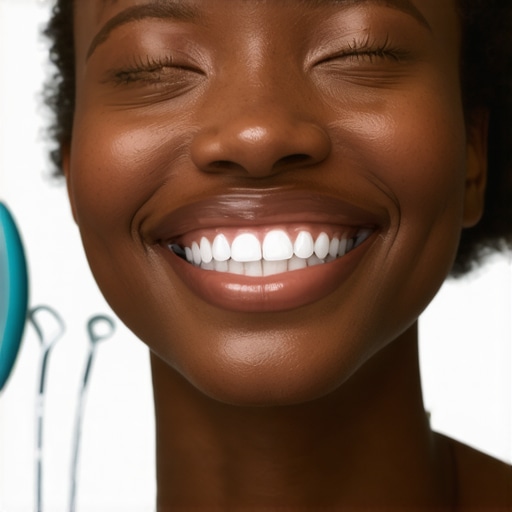
Unlocking the Future of Cosmetic Dentistry: A Deep Dive into Teeth Whitening and Invisalign Innovations for 2024
In the rapidly evolving landscape of cosmetic dentistry, staying ahead requires a nuanced understanding of emerging techniques and scientific advancements. As we approach 2024, the integration of cutting-edge teeth whitening and Invisalign solutions is transforming patient outcomes, emphasizing not just aesthetic appeal but also functional longevity. This article explores the sophisticated strategies professionals are adopting to deliver unparalleled results, rooted in evidence-based practices and technological innovations.
Synergistic Approaches: Combining Teeth Whitening with Invisalign for Enhanced Smile Aesthetics
One of the most significant developments in 2024 is the strategic fusion of teeth whitening protocols with Invisalign orthodontics. When synchronized effectively, these treatments create a holistic enhancement of smile harmony. For instance, pre-treatment whitening can set a brighter baseline, which Invisalign aligns without compromising cosmetic improvements. Conversely, post-orthodontic whitening ensures the final aesthetic is luminous and uniform. This synergy necessitates careful planning, often utilizing digital smile design tools that allow clinicians to simulate combined outcomes, thus improving patient satisfaction.
Innovations in Teeth Whitening: From Blue Light Activation to Customizable Formulations
Recent advancements include the adoption of blue light activation techniques that accelerate bleaching processes while minimizing sensitivity, a concern often voiced by patients. Moreover, the shift towards personalized whitening formulations tailored to individual enamel chemistry allows for safer, more effective results. These formulations incorporate antioxidants and desensitizing agents, reflecting a deeper understanding of enamel physiology and patient-specific factors. The integration of AI-driven diagnostics further refines treatment plans, aligning with the latest white papers published by the Journal of Esthetic and Restorative Dentistry.
Complex Inquiry: How Do Emerging Materials Influence the Longevity and Safety of Invisalign and Whitening Protocols?
This question, frequently discussed in professional forums, underscores the importance of material science in cosmetic dentistry. Innovations in aligner materials—such as flexible, bio-compatible thermoplastics—enhance comfort and reduce risks of allergic reactions. Simultaneously, the development of enamel-safe bleaching agents ensures that whitening treatments do not compromise enamel integrity or accelerate sensitivity. Continuous research indicates that these materials, when used appropriately, extend treatment longevity and safety, aligning with the principles outlined in recent dental materials research.
Leveraging Digital Technologies for Precise Treatment Planning
Digital smile design platforms and 3D printing have revolutionized how clinicians plan and execute combined whitening and Invisalign therapies. These tools enable precise visualization of end results, allowing for meticulous customization of aligners and whitening trays. Such technological integration not only improves accuracy but also enhances patient confidence, fostering a collaborative treatment environment.
What are the latest scientific insights into minimizing risks of enamel demineralization during combined whitening and orthodontic treatments?
Research indicates that the application of remineralization agents, such as casein phosphopeptide-amorphous calcium phosphate (CPP-ACP), can significantly mitigate enamel demineralization risks. Incorporating these agents into post-treatment protocols, supported by clinical trials published in the International Journal of Esthetic Dentistry, provides a protective barrier, ensuring long-term oral health alongside cosmetic enhancement. Continual professional education and evidence-based practice are vital to optimizing these outcomes.
For practitioners aiming to elevate their expertise, exploring resources like Teeth Whitening Secrets for a Sparkling Smile in 2025 can offer invaluable insights. Engaging with peer-reviewed studies and participating in advanced training ensures that clinicians remain at the forefront of this dynamic field.
Interested in expanding your knowledge? Consider visiting our Contact Us page for professional consultations or to share your innovative approaches with a community of experts dedicated to advancing cosmetic dentistry.
How Do Advanced Materials Enhance the Durability and Safety of Modern Smile Transformations?
Recent breakthroughs in dental material science are revolutionizing how professionals approach smile makeovers, especially with combined treatments like teeth whitening and Invisalign. Bio-compatible, flexible thermoplastics used in aligners not only boost comfort but also reduce allergic reactions, addressing patient safety concerns. Meanwhile, innovative enamel-safe bleaching agents, infused with antioxidants and desensitizers, are minimizing enamel demineralization risks, supporting long-term oral health. These materials, supported by ongoing research such as the studies highlighted in the Journal of Esthetic and Restorative Dentistry, are crucial for extending the lifespan of cosmetic treatments and ensuring patient safety.
Can Digital Technologies Revolutionize Personalized Smile Makeovers in 2024?
Absolutely. Digital smile design platforms paired with 3D printing are transforming the planning and execution of smile enhancements. Using these tools, clinicians can visualize final outcomes with remarkable precision, customize aligners and whitening trays more effectively, and involve patients in the design process, fostering collaboration and confidence. This technological synergy not only enhances aesthetic accuracy but also expedites treatment timelines, making complex procedures more accessible and predictable. For insights into integrating these advanced tools into your practice, explore resources like Invisalign innovations for changing smiles in 2025.
What are the most effective evidence-based protocols for preventing enamel demineralization during combined whitening and orthodontic treatments?
Research underscores the importance of remineralization agents such as casein phosphopeptide-amorphous calcium phosphate (CPP-ACP), which have shown promising results in clinical trials published in the International Journal of Esthetic Dentistry. Incorporating these agents into post-treatment routines creates a protective barrier, reducing the risk of enamel demineralization and sensitivity. Additionally, employing minimally invasive whitening techniques and monitoring enamel integrity through digital diagnostics can further safeguard long-term tooth health. Embracing these evidence-based protocols is essential for practitioners committed to delivering safe, durable, and aesthetically pleasing smile makeovers.
For those seeking to deepen their expertise, visiting Teeth Whitening Secrets for a Sparkling Smile in 2025 offers valuable insights into modern whitening strategies. Engaging with peer-reviewed literature and continuing professional education ensures your practice remains at the forefront of cosmetic dental innovations.
Innovative Dental Materials: Pioneering Longevity and Safety in Cosmetic Dentistry
As we delve deeper into 2024, the evolution of dental materials stands at the forefront of enhancing both the durability and safety of smile transformations. Modern aligners, crafted from advanced bio-compatible thermoplastics, not only provide superior comfort but also significantly reduce the risk of allergic reactions, a concern that has historically challenged patient compliance. These materials exhibit increased flexibility and resilience, allowing for more precise and predictable orthodontic movements, which are crucial for complex cases involving combined whitening and Invisalign treatments.
Simultaneously, the development of enamel-safe bleaching agents—enriched with antioxidants and desensitizers—has revolutionized whitening protocols. These agents actively protect against enamel demineralization, a common adverse effect associated with traditional bleaching, thereby safeguarding long-term oral health. Ongoing research, such as that highlighted in the Journal of the American Dental Association, confirms that these innovative materials extend the lifespan of cosmetic interventions while minimizing potential risks.
Digital Precision: Transforming Smile Design and Treatment Planning
Digital technology continues to redefine the landscape of cosmetic dentistry, particularly through the integration of advanced smile design platforms and 3D printing. These tools enable clinicians to simulate final results with remarkable accuracy, allowing for meticulous planning of both aligners and whitening trays. The capacity to visualize outcomes enhances patient engagement and confidence, fostering a collaborative treatment environment where expectations are precisely managed.
Moreover, the use of AI-driven diagnostics refines treatment customization, enabling practitioners to predict tooth movement and bleaching outcomes with unprecedented accuracy. This synergy of digital tools accelerates treatment timelines and improves overall success rates, making complex smile makeovers more accessible and predictable than ever before. For a comprehensive guide to implementing these technologies, visit Digital Smile Design Innovations in 2024.
Nuanced Inquiry: How Do Emerging Materials and Digital Techniques Intersect to Minimize Risks During Combined Treatments?
This complex question underscores the importance of integrating material science with digital planning to mitigate risks such as enamel demineralization and soft tissue irritation. Evidence suggests that utilizing remineralization agents like casein phosphopeptide-amorphous calcium phosphate (CPP-ACP), especially in post-treatment protocols, creates a protective barrier on enamel surfaces. Clinical trials published in PubMed demonstrate their effectiveness in reducing sensitivity and maintaining enamel integrity.
Furthermore, digital diagnostics facilitate real-time monitoring of enamel health, enabling clinicians to adjust whitening intensity or orthodontic forces proactively. The combination of these advanced materials and digital insights ensures safer, more durable smile enhancements, aligning with the latest evidence-based practices in dental science. For practitioners eager to deepen their understanding, exploring resources like Research in Cosmetic Dental Materials and Technologies is highly recommended.
Engage Further: Elevate Your Practice with Cutting-Edge Resources and Professional Networks
To stay at the forefront of these advancements, continuous professional development is essential. Participating in specialized workshops, subscribing to peer-reviewed journals, and engaging with industry conferences can provide invaluable insights into emerging trends. For personalized guidance and to share your experiences, visit our Professional Network and Resources. Embrace these innovations to deliver safer, more effective, and aesthetically superior smile makeovers in 2024 and beyond.
Harnessing Cutting-Edge Materials for Enhanced Durability and Patient Safety in Smile Makeovers
The rapid progression of dental material science continues to redefine the standards of longevity and safety in cosmetic dentistry. Modern aligners, crafted from advanced bio-compatible thermoplastics such as TPU and polyethylene-based composites, offer remarkable resilience and flexibility, enabling precise orthodontic movements with minimal patient discomfort. These innovations not only elevate treatment accuracy but also significantly reduce allergic reactions, addressing long-standing safety concerns among patients.
Concurrently, the development of enamel-safe bleaching agents infused with antioxidants like vitamin E and desensitizers such as potassium nitrate has revolutionized whitening protocols. These agents actively mitigate enamel demineralization and sensitivity, ensuring that aesthetic enhancements do not compromise long-term oral health. As supported by research in the Journal of the American Dental Association, the integration of these materials extends the lifespan of cosmetic treatments while minimizing adverse effects, thus setting a new benchmark for clinical excellence.
Digital Precision and Material Synergy: The New Paradigm in Smile Design and Treatment Optimization
The advent of digital technology, particularly 3D imaging and AI-driven diagnostics, is transforming treatment planning into an exact science. These tools facilitate the creation of highly personalized smile designs, enabling clinicians to simulate final outcomes with unparalleled accuracy. The synergy between digital planning and innovative materials allows for meticulous customization of aligners and whitening trays, enhancing both aesthetic results and treatment efficiency.
Moreover, real-time monitoring of enamel integrity through digital diagnostics empowers practitioners to make proactive adjustments, thereby reducing risks such as enamel demineralization and soft tissue irritation. This integrated approach underscores the importance of combining material science and technological advancements to achieve safer, more durable, and aesthetically pleasing smile makeovers. For comprehensive insights, explore Digital Smile Design Innovations in 2024.
Expert-Level Inquiry: How Do Emerging Materials and Digital Techniques Collaborate to Minimize Risks During Complex Cosmetic Interventions?
Emerging research highlights that the intersection of advanced biomaterials and digital planning significantly reduces procedural risks. For instance, the use of remineralization agents like casein phosphopeptide-amorphous calcium phosphate (CPP-ACP), combined with digital diagnostics that monitor enamel health, creates a proactive safeguard against demineralization. Clinical studies in PubMed demonstrate that this dual approach effectively mitigates sensitivity and preserves enamel integrity during combined whitening and orthodontic treatments.
Practitioners who embrace this integrative strategy benefit from enhanced treatment safety, extended longevity of results, and improved patient satisfaction. For those committed to evolving their expertise, engaging with resources such as research in cosmetic dental materials and technologies is highly recommended.
Take the Next Step: Elevate Your Practice with Advanced Knowledge and Innovations
To remain at the forefront of cosmetic dentistry, continuous education through specialized workshops, peer-reviewed journals, and professional networks is essential. These platforms provide invaluable insights into emerging trends and technological breakthroughs. For personalized guidance and to exchange expertise with industry leaders, visit our Professional Network and Resources. Embrace these innovations to deliver safer, more effective, and aesthetically superior smile transformations in 2024 and beyond.
Expert Insights & Advanced Considerations
1. Integrating Digital Smile Design with Material Innovations
Leveraging digital smile design platforms in conjunction with cutting-edge materials like bio-compatible thermoplastics and enamel-safe bleaching agents enhances precision and safety, enabling highly predictable smile transformations.
2. Prioritizing Enamel Preservation During Combined Treatments
Employing remineralization agents such as CPP-ACP post-treatment, coupled with real-time digital diagnostics, significantly reduces risks of enamel demineralization, ensuring long-term oral health alongside aesthetic results.
3. Personalized Treatment Planning Using AI and 3D Printing
Advanced AI-driven diagnostics and 3D printing facilitate meticulous customization of aligners and whitening trays, accelerating treatment timelines and improving patient engagement and satisfaction.
4. Material Science as a Foundation for Durability and Safety
Emerging research underscores that utilizing flexible, resilient aligner materials and enamel-safe bleaching formulations directly extends the longevity of cosmetic interventions while minimizing adverse effects.
5. Continuous Professional Development and Collaborative Innovation
Engaging with peer-reviewed journals like the Journal of Esthetic and Restorative Dentistry and participating in specialized workshops remain vital for maintaining mastery of evolving techniques and technologies.
Curated Expert Resources
- Journal of Esthetic and Restorative Dentistry: Offers cutting-edge research on dental materials, techniques, and clinical innovations essential for staying ahead in cosmetic dentistry.
- Research in Cosmetic Dental Materials and Technologies: Provides in-depth studies on biomaterials and digital tools that enhance treatment safety and durability.
- Digital Smile Design Platforms: Cutting-edge software that enables precise visualization and customization of smile makeovers, improving outcomes and patient confidence.
- AI Diagnostics in Dentistry: Advanced diagnostic tools that facilitate personalized treatment planning and real-time monitoring, reducing risks and optimizing results.
Final Expert Perspective
In the realm of advanced cosmetic dentistry, the synthesis of innovative materials with digital precision defines the future landscape. Embracing these sophisticated strategies not only elevates clinical outcomes but also reinforces the practitioner’s leadership in the field. For practitioners committed to excellence, continuous exploration of emerging research and active participation in professional communities are indispensable. To deepen your expertise and contribute to this dynamic field, visit our Contact Us page for consultations and collaborative opportunities. Remember, mastery in 2024 hinges on integrating cutting-edge knowledge with unwavering dedication to patient care and aesthetic excellence.
Leave a Reply