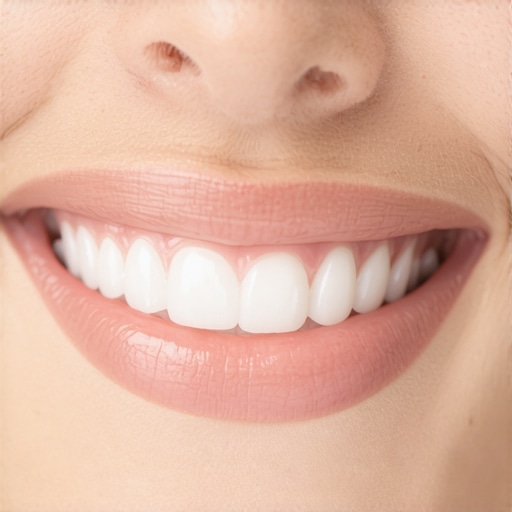
Unveiling the Future of Dental Aesthetics: Integrating Proven Techniques with Innovative Approaches
As we navigate the evolving landscape of cosmetic dentistry in 2024, the convergence of traditional veneer applications and cutting-edge cosmetic enhancements exemplifies the commitment to achieving harmonious, durable, and natural-looking smiles. For practitioners and patients alike, understanding the nuanced interplay of material science, digital diagnostics, and aesthetic principles is crucial for optimized outcomes.
The Science Behind Veneers and Cosmetic Dental Enhancements: A Deep Dive
What Are the Latest Material Advances that Elevate Smile Transformation?
Modern veneers leverage ultra-thin, high-strength porcelain composites that mimic natural enamel with unprecedented fidelity. Innovations such as feldspathic and lithium disilicate ceramics offer enhanced translucency, color stability, and resistance to staining, thereby facilitating bespoke aesthetic solutions tailored to individual facial harmony.
Complementing veneers, other cosmetic enhancements like minimally invasive contouring, enamel microabrasion, and composite resin bonding are gaining traction for their precision and tissue-friendly profiles. Integrating these techniques requires an expert understanding of optical physics and biological considerations to avoid common pitfalls such as translucency mismatch or periodontal irritation.
Strategic Planning and Digital Integration for Advanced Smile Design
In 2024, digital smile design (DSD) tools are indispensable for pre-procedural planning, enabling clinicians to simulate outcomes and incorporate patient-specific variables. This technology, when paired with 3D printing and CAD/CAM workflows, ensures high precision and predictable results, significantly reducing chairside adjustments and re-treatments.
Complexities in Achieving Optimal Functional and Aesthetic Balance
Expert practitioners recognize that cosmetic enhancements must complement occlusal dynamics and periodontal health. For instance, veneer thickness and contouring should respect the biological width and functional load distribution to prevent future failure or sensitivity issues.
How Can the Integration of Cosmetic and Functional Principles Be Mastered for Long-Term Success?
This question underscores the importance of a multidisciplinary approach, combining prosthodontic, orthodontic, and periodontic expertise. Continuous education, case analysis, and adherence to evidence-based protocols are vital for maintaining high standards.
For further insights, professionals should consult authoritative sources such as the American Academy of Cosmetic Dentistry (AACD) journal, which publishes peer-reviewed research on emerging materials and techniques in aesthetic dentistry.
Interested practitioners are encouraged to explore [Invisalign innovations in 2025](https://smilegumcare.com/invisalign-innovation-invisible-braces-changing-smiles-in-2025-at-1537) for comprehensive smile makeover planning, emphasizing the synergy of orthodontic and cosmetic treatments.
For those eager to share their expertise or seek peer feedback, engaging with professional forums and contributing case studies can foster a community of excellence dedicated to advancing smile aesthetics.
Beyond Aesthetics: Mastering the Balance of Function and Beauty in Smile Design
In the sophisticated realm of cosmetic dentistry, the pursuit of a radiant smile involves much more than superficial enhancements. Achieving long-lasting, natural-looking results requires a nuanced understanding of how functional principles underpin aesthetic success. This holistic approach ensures that your smile not only dazzles but also functions optimally, supporting overall oral health and stability.
Why Is Functional Integration Critical for Lasting Smile Transformations?
Many practitioners focus heavily on the visual appeal of veneers, whitening, or orthodontics, but neglect the underlying functional dynamics that sustain these enhancements. The integration of occlusal harmony, periodontal health, and biological considerations forms the backbone of durable, natural results. For instance, improper veneer thickness or contouring can disrupt occlusal balance, leading to premature wear, sensitivity, or even TMJ disorders.
Expert insights from the American Academy of Cosmetic Dentistry (AACD) emphasize that understanding the interplay between function and aesthetics is fundamental for achieving predictable, high-quality outcomes. Continuous education and case analysis are essential tools in mastering this delicate balance, especially as new materials and digital technologies emerge.
Introducing a Multidisciplinary Framework for Smile Success
What Strategic Tools Can Elevate Your Approach to Functional-Aesthetic Integration?
Implementing a structured framework that combines digital diagnostics, interdisciplinary collaboration, and evidence-based protocols can significantly enhance treatment planning. Digital smile design (DSD) tools, for example, allow clinicians to simulate functional movements alongside aesthetic outcomes, providing a comprehensive preview before invasive procedures. When paired with 3D imaging, CAD/CAM restorations, and occlusal analysis software, this approach minimizes surprises and ensures a harmonious balance between form and function.
Furthermore, engaging with specialists in orthodontics, periodontics, and prosthodontics fosters a collaborative environment where each aspect of the smile’s health and beauty is meticulously addressed. This teamwork is pivotal in complex cases involving vertical dimension adjustments or occlusal re-establishment, ultimately resulting in a resilient, aesthetically pleasing smile.
< >
>
For practitioners eager to deepen their understanding of integrated smile design, exploring resources on digital workflow innovations and interdisciplinary protocols is invaluable. Consider reviewing the latest advancements in Invisalign technology in 2025 that exemplify the synergy between orthodontics and cosmetic dentistry.
Are you prepared to challenge common assumptions about aesthetic-only treatments and embrace a comprehensive, functional approach? This mindset not only enhances clinical outcomes but also elevates patient satisfaction and trust.
If you found these insights helpful, share your thoughts or experiences in the comments, and don’t forget to explore more expert strategies at our contact page.
Integrating Functional Dynamics with Aesthetic Excellence: A Deep Dive into Modern Smile Design
In the pursuit of achieving truly harmonious smile makeovers, clinicians must transcend superficial aesthetics and delve into the complex biomechanical and biological interactions that sustain long-term results. This involves meticulous attention to occlusal dynamics, periodontal health, and material science innovations, all woven seamlessly into a cohesive treatment plan.
How Do Digital Technologies Revolutionize Functional-Aesthetic Integration in Complex Cases?
Digital workflows, including 3D digital smile design, cone-beam computed tomography (CBCT), and dynamic occlusal analysis software, enable clinicians to visualize and simulate functional movements alongside aesthetic parameters. This holistic approach facilitates precise planning, reduces guesswork, and minimizes the need for iterative adjustments post-restoration. For example, integrating digital occlusal analysis can predict lateral and protrusive contacts, ensuring restorations do not compromise functional harmony.
According to a study published in the Journal of Prosthetic Dentistry (2022), employing digital simulations in multi-disciplinary cases significantly improves treatment predictability and patient satisfaction. These tools empower practitioners to anticipate potential issues like interferences or excessive load concentrations before initiating irreversible procedures, thus safeguarding the longevity of aesthetic restorations.
The Nuances of Material Selection: Beyond Strength and Aesthetics
While high-strength ceramics like lithium disilicate and zirconia are standard bearers for durable restorations, emerging materials such as translucent zirconia composites and bioactive glass ceramics are expanding the options for achieving both functional resilience and natural translucency. These materials can mimic the optical and biomechanical properties of natural enamel and dentin, reducing the risk of fracture or wear mismatch.
Furthermore, surface treatments and adhesive protocols tailored to specific materials enhance bond strength and marginal integrity, which are critical for preventing microleakage and secondary caries. Staying abreast of these advancements requires continuous education and collaboration with material manufacturers.
What Are the Practical Strategies for Managing Challenging Cases with Vertical Dimension Loss?
Restoring vertical dimension, often necessary in severely worn dentitions, demands a nuanced understanding of temporization, occlusal scheme re-establishment, and periodontal considerations. An effective strategy involves provisional restorations that test functional and aesthetic parameters over an extended period, allowing for adjustments based on patient feedback and clinical evaluation.
Multidisciplinary collaboration with orthodontists and periodontists can optimize outcomes, particularly in complex vertical dimension restorations. For instance, orthodontic intrusion or extrusion can be employed to realign occlusal planes, thereby creating space for definitive restorations without compromising periodontal health.
Expert guidance from sources like the American Academy of Cosmetic Dentistry emphasizes that integrating biological principles with cutting-edge technology is paramount to long-term success. Future developments like bioengineered tissue scaffolds and regenerative approaches promise to further refine this integration.
Engage Your Expertise: Are You Ready to Elevate Your Practice Through Multidisciplinary, Technology-Driven Smile Design?
Embracing a comprehensive, evidence-based approach not only elevates clinical outcomes but also fosters greater patient trust and satisfaction. To deepen your understanding, explore advanced courses on digital dentistry, attend interdisciplinary case conferences, and participate in peer-reviewed research initiatives.
For ongoing insights and professional dialogue, consider joining professional forums dedicated to the latest in aesthetic and functional dentistry. Your commitment to continuous learning and innovation is the cornerstone of delivering exceptional patient care.
Harnessing Cutting-Edge Material Science for Enhanced Aesthetic Outcomes
Recent advancements in nanoceramics and bioactive materials have revolutionized the landscape of cosmetic dentistry, enabling practitioners to achieve unparalleled translucency, strength, and biological integration. Materials such as translucent zirconia and bioactive glass ceramics not only mimic natural enamel but also promote periodontal regeneration, offering a dual benefit of aesthetics and tissue health.
Understanding the nuances of adhesive protocols and surface treatments tailored to these innovative materials is crucial. For instance, laser-activated surface conditioning enhances bond strength and longevity, minimizing microleakage and secondary caries, thus ensuring the durability of restorations over time.
The Role of Digital Workflow in Precision Smile Design: A Paradigm Shift
Digital smile design (DSD) is no longer a supplementary tool but a central component in complex cases requiring meticulous planning. Integrating CBCT imaging, 3D facial scans, and dynamic occlusion analysis allows for a comprehensive visualization of functional and aesthetic parameters, ensuring the harmony of smile aesthetics with facial expressions.
Advanced software can simulate tissue response and soft tissue contours, enabling clinicians to preemptively address potential soft tissue challenges, such as gingival recession or hypertrophy, during the restorative phase. This proactive approach reduces chairside adjustments and enhances patient satisfaction.
Expert-Driven Approaches to Managing Complex Cases: Vertical Dimension Restoration and Beyond
Restoring vertical dimension in severely worn dentitions demands a sophisticated understanding of temporomandibular joint (TMJ) dynamics, muscular function, and periodontal support. Employing provisional restorations with adjustable occlusal schemes provides an invaluable testing phase, ensuring functional stability and aesthetic harmony before definitive placement.
Multidisciplinary collaboration with orthodontists, periodontists, and prosthodontists is essential in cases involving significant vertical repositioning, as it facilitates biological width management and occlusal scheme optimization. Incorporating digital occlusal analysis tools further refines this process, predicting stress distribution and guiding precise adjustments.
How Can Artificial Intelligence and Machine Learning Elevate Smile Rehabilitation?
Emerging AI algorithms are capable of analyzing vast datasets of clinical cases, providing predictive insights into treatment outcomes related to material selection, occlusal schemes, and tissue response. Machine learning models can assist in customizing treatment plans based on individual patient anatomy and biological variables, thus personalizing therapy with a high degree of accuracy.
For example, AI-driven analysis of CBCT scans can identify subtle asymmetries or occlusal interferences that might elude human observation, enabling preemptive interventions that extend restoration longevity and optimize functional harmony.
CTA: Embark on Your Journey Toward Mastery in Functional and Aesthetic Excellence
Are you ready to incorporate these pioneering techniques into your practice? Engage with advanced training modules, attend interdisciplinary workshops, and stay abreast of the latest research published in reputable journals such as the Journal of the American Dental Association. Your commitment to innovation and excellence will set new standards in smile design and patient care.
Expert Insights & Advanced Considerations
1. Emphasize Multidisciplinary Collaboration
Integrating prosthodontic, orthodontic, and periodontal expertise ensures comprehensive treatment planning, enhancing both aesthetic and functional outcomes in smile design.
2. Leverage Digital Technologies for Precision
Utilize digital smile design (DSD), CBCT imaging, and dynamic occlusal analysis software to visualize and simulate complex cases, reducing surprises and improving predictability.
3. Prioritize Material Innovation
Stay informed about emerging materials like translucent zirconia and bioactive ceramics, which provide durability while mimicking natural tissue translucency and promoting tissue health.
4. Focus on Functional Integration
Ensure occlusal harmony and periodontal stability by respecting biological widths and load distributions, preventing future complications and enhancing longevity.
5. Incorporate Artificial Intelligence
Explore AI-driven diagnostic tools that analyze patient data for personalized treatment planning, improving accuracy and outcome predictability.
Curated Expert Resources
- American Academy of Cosmetic Dentistry (AACD): Offers peer-reviewed research and guidelines on cutting-edge aesthetic techniques and materials.
- Journal of Prosthetic Dentistry: Publishes studies on digital workflows, material science, and case reports for complex smile reconstructions.
- Dental Materials Journal: Provides updates on innovative materials, surface treatments, and adhesive protocols critical for durable restorations.
- Invisalign Innovation Reports: Contains insights into orthodontic advancements that complement cosmetic and functional smile design.
- AI in Dentistry Resources: Educational content on the integration of artificial intelligence into diagnostic and planning processes.
Final Expert Perspective
Mastering advanced smile design involves a seamless blend of multidisciplinary collaboration, cutting-edge digital technology, innovative materials, and a deep understanding of functional dynamics. Embracing these insights not only elevates clinical outcomes but also reinforces your position as a leading expert in aesthetic dentistry. Engage actively with professional resources, contribute your case experiences, and continuously adapt to emerging innovations to stay at the forefront of this dynamic field. For those committed to excellence, exploring resources like Invisalign technology in 2025 can further refine your approach to holistic smile rehabilitation.
Leave a Reply