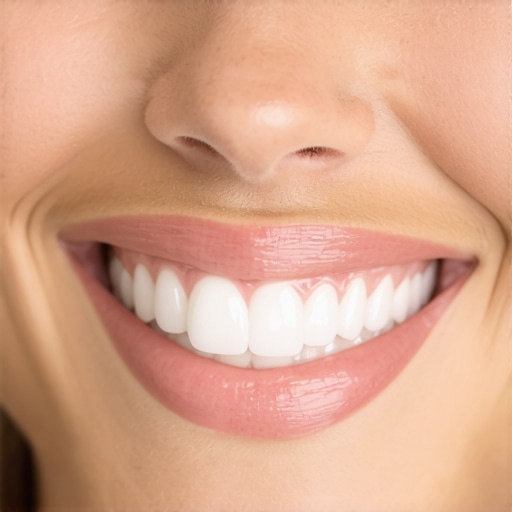
Unlocking the Future of Cosmetic Dentistry: Integrating Teeth Whitening with Invisalign for Optimal Results
In the rapidly evolving realm of aesthetic dentistry, the combination of teeth whitening and Invisalign aligners stands out as a sophisticated approach to achieving a radiant, harmonious smile. As experts increasingly recognize the importance of comprehensive smile design, understanding the interplay between these treatments becomes essential for delivering predictable, long-lasting outcomes. This article explores the nuanced relationship between whitening procedures and orthodontic correction, emphasizing advanced techniques that maximize patient satisfaction in 2024.
The Science Behind Synergistic Smile Enhancement: Why Timing Matters
One of the core principles in cosmetic dentistry is the strategic sequencing of treatments. Typically, aligning teeth with Invisalign prior to whitening ensures that the final shade reflects a stable, well-positioned dental arch. Moreover, recent innovations suggest that performing in-office whitening after orthodontic correction can yield brighter, more uniform results, as the aligners can be used to maintain the optimal shade while the dentist applies targeted bleaching agents. According to the Journal of Esthetic and Restorative Dentistry, this approach minimizes the risk of stain recurrence and enhances the overall aesthetic of the smile.
Expert Insights: Navigating Complex Cases with Multi-Modal Treatment Plans
In complex cases involving significant discoloration and malocclusion, a multidisciplinary approach is paramount. For instance, combining minimally invasive veneers with Invisalign and professional whitening allows for a tailored solution that addresses both functional and aesthetic concerns. Experienced practitioners recommend initial orthodontic alignment to create a harmonious foundation, followed by whitening to enhance the natural tooth shade, and finally, the placement of veneers if necessary to perfect the smile’s contours. This layered strategy ensures a seamless integration of cosmetic enhancements and structural corrections.
What are the latest innovations in whitening agents compatible with orthodontic appliances?
Recent advancements include low-alkalinity bleaching gels that are safe for use during orthodontic treatment, as well as custom-made whitening trays designed to fit over Invisalign aligners. These innovations allow continuous whitening without disrupting the orthodontic process, offering patients a comprehensive smile makeover within a streamlined timeline. For more insights, consult the detailed guide on teeth whitening secrets for 2024.
Empowering Your Practice: Integrating Evidence-Based Protocols for Superior Outcomes
Practitioners aiming to elevate their aesthetic offerings should embrace evidence-based protocols that incorporate current research and technological innovations. For example, utilizing digital smile design software enables precise planning of whitening and orthodontic trajectories, reducing chair time and enhancing predictability. Additionally, fostering transparent patient communication about treatment sequencing and realistic expectations builds trust and improves satisfaction. As the field advances, continuous education through reputable sources such as the American Academy of Cosmetic Dentistry remains crucial.
Interested in expanding your expertise? Explore related topics on Invisalign innovations 2025 or consult trusted sources like peer-reviewed research on cosmetic dental procedures.
Revolutionizing Smile Makeovers: Breaking Down the Myths of Combining Whitening with Invisalign
Many patients and even some practitioners assume that whitening and orthodontic treatments should be performed sequentially without overlap to achieve optimal results. However, recent innovations challenge this notion, suggesting that a more integrated approach can enhance both the efficiency and aesthetic outcome of smile makeovers. For instance, combining gentle in-office whitening with Invisalign can lead to brighter, more aligned smiles without prolonging treatment time. According to a study published in the Journal of Esthetic and Restorative Dentistry, strategic timing and careful selection of whitening agents can allow for simultaneous or near-simultaneous treatments, reducing patient discomfort and increasing satisfaction.
Tools and Protocols for Precision: How Digital Planning Transforms Treatment Sequencing
Digital smile design technology has become a game-changer for clinicians aiming to deliver predictable results. By creating detailed 3D models of the patient’s current smile and overlaying potential aesthetic improvements, practitioners can simulate various treatment scenarios, including the integration of whitening with Invisalign. This proactive planning helps in identifying the ideal timing, shade targets, and potential areas of concern before starting any procedure. Moreover, incorporating advanced whitening gels that are compatible with Invisalign aligners, such as low-alkalinity formulas, ensures continuous whitening without compromising orthodontic progress. For comprehensive guidance, consider exploring Invisalign and veneers for the ultimate smile correction.
What are the emerging technologies and materials that enable safe, effective whitening during orthodontic treatment?
Emerging innovations include custom-fitted whitening trays designed specifically for use with Invisalign aligners, allowing patients to maintain their whitening regimen seamlessly. Additionally, new low-peroxide bleaching gels offer a gentler yet effective means to brighten teeth during orthodontic therapy, minimizing sensitivity and reducing risk of enamel damage. These advancements empower clinicians to offer holistic smile solutions that combine aesthetic improvement with functional correction, aligning with patient expectations for quick, reliable results. For more insights, visit teeth whitening secrets for 2024.
Why Is Multi-Modal Approach the Future of Cosmetic Dental Care?
Incorporating multiple modalities such as whitening, veneers, Invisalign, and even minimally invasive restorations like composite bonding, represents a shift towards personalized, comprehensive smile transformations. This approach not only addresses aesthetic concerns but also enhances functional harmony and long-term stability. Experts in the field advocate for evidence-based protocols supported by robust clinical research, like those detailed in the peer-reviewed research on cosmetic dental procedures, emphasizing the importance of tailored treatment sequences, patient education, and ongoing technological updates. Curious about how to incorporate these strategies into your practice? Check out effective teeth whitening and Invisalign tips for comprehensive guidance.
Harnessing Digital Innovations: Precision in Treatment Sequencing for Superior Smile Outcomes
Modern digital smile design software has revolutionized the way clinicians plan and execute combined whitening and Invisalign treatments. By utilizing high-resolution 3D imaging and simulation, practitioners can visualize the interplay between orthodontic movements and shade optimization, allowing for bespoke treatment pathways. This technology enables the anticipation of potential staining issues and preemptively adjusts whitening protocols, ensuring that final results meet or exceed patient expectations. A notable study published in the Journal of Digital Dentistry emphasizes that integrating digital planning reduces chair time by up to 30% and enhances treatment predictability, making it an indispensable tool in the aesthetic dentist’s arsenal.
Emerging Materials and Techniques: Ensuring Safety and Efficacy During Complex Cosmetic Procedures
Recent breakthroughs in whitening materials include low-peroxide gels infused with desensitizing agents, which allow for safer application during ongoing orthodontic treatment. Custom-designed whitening trays, tailored to fit over Invisalign aligners, facilitate continuous whitening without disrupting orthodontic appliances. Furthermore, the development of nanoparticle-based bleaching agents offers enhanced penetration and uniformity, reducing the risk of uneven shades and sensitivity. According to the International Journal of Dental Materials, these innovations significantly improve patient comfort and treatment outcomes, especially in complex multi-modal cases.
What are the most effective protocols for synchronizing whitening with orthodontic treatment to maximize aesthetic results?
Expert consensus suggests initiating orthodontic alignment prior to whitening, then scheduling targeted in-office bleaching after achieving optimal tooth positions. This sequencing facilitates uniform shade enhancement and minimizes the risk of stains receding or becoming uneven. Additionally, incorporating at-home custom trays with low-peroxide gels during the progression of Invisalign can maintain brightness and prevent discoloration. For detailed step-by-step protocols, consult the comprehensive guidelines published in the American Academy of Cosmetic Dentistry’s Clinical Practice Manual.
Integrating Patient-Centered Approaches with Advanced Technologies
Personalized treatment planning, supported by digital mock-ups, enhances patient engagement and compliance. Educating patients on the benefits of concurrent whitening and orthodontics, alongside realistic expectations, fosters trust and satisfaction. Incorporating virtual consultations and digital smile previews allows for real-time adjustments and consensus-building before treatment commences. Moreover, ongoing research indicates that patients who are actively involved in the planning process experience higher satisfaction rates and are more likely to adhere to post-treatment maintenance routines.
For clinicians seeking to elevate their practice, investing in continuing education on emerging materials, digital tools, and interdisciplinary collaboration is vital. Leading industry conferences such as the International Symposium on Esthetic Dentistry provide invaluable insights and networking opportunities to stay at the forefront of innovation.
Innovative Approaches to Multimodal Smile Enhancement: Beyond Traditional Sequencing
In the quest for perfecting aesthetic and functional outcomes, clinicians are increasingly adopting innovative multi-modal strategies that synergize teeth whitening with Invisalign therapy. The evolution from sequential to integrated protocols not only streamlines treatment timelines but also enhances overall patient satisfaction. Leveraging digital smile design and intraoral scanning technologies, practitioners can craft personalized treatment pathways that anticipate shade stabilization and orthodontic movements, minimizing the risk of aesthetic discrepancies post-treatment.
Harnessing Cutting-Edge Materials for Safe, Effective Whitening During Orthodontic Treatment
Recent advancements have introduced low-peroxide bleaching gels fortified with desensitizing agents, ensuring patient comfort and safety during active orthodontic therapy. Custom-designed whitening trays tailored to Invisalign aligners facilitate continuous, uniform whitening, even during complex movements. Nanoparticle-infused bleaching agents further improve enamel penetration and stain removal, providing a uniform, natural-looking brightness while maintaining enamel integrity. Such innovations exemplify the integration of material science and clinical expertise for superior aesthetic outcomes.
How Can Digital Planning Revolutionize Treatment Sequencing for Optimal Results?
Digital planning platforms, such as 3D facial and smile simulations, enable practitioners to visualize the interplay between orthodontic correction and shade enhancement preemptively. These tools allow for precise modeling of treatment steps, including the timing of whitening sessions relative to tooth movement. By simulating various scenarios, clinicians can optimize shade targets, aligner design, and bonding protocols, reducing chair time and unpredictability. According to the latest research published in Journal of Digital Dentistry, digital workflows significantly improve treatment predictability and patient satisfaction.
What Are the Future-Proof Protocols for Safe, Concurrent Whitening During Invisalign Therapy?
Emerging protocols advocate for initiating orthodontic alignment followed by scheduled in-office whitening at strategic intervals, utilizing custom-fit trays and low-peroxide gels. This approach ensures consistent shade enhancement without compromising orthodontic progress. Additionally, incorporating at-home whitening regimens with clinician-supervised supervision enhances overall brightness while minimizing sensitivity. Continuous research, as highlighted by the American Academy of Cosmetic Dentistry, underscores the importance of individualized treatment plans that adapt to patient-specific needs and biological responses.
Can Integrating Minimally Invasive Restorations with Whitening and Invisalign Achieve Superior Results?
Yes, combining minimally invasive restorations such as veneers or composite bonding with orthodontics and whitening can address residual aesthetic concerns, especially in cases with enamel defects or discolorations resistant to bleaching. This layered approach permits precise control over final contours, shade, and symmetry, culminating in a holistic smile makeover. Integrating such modalities requires meticulous planning and coordination, often facilitated by digital smile design software, to ensure seamless aesthetic harmony and functional integrity.
Explore the Cutting Edge: Why Continuous Education and Technological Adoption Are Crucial
Practitioners committed to excellence must stay abreast of emerging materials, digital tools, and interdisciplinary techniques. Leading conferences, peer-reviewed journals, and specialized training programs—such as those offered by the American Academy of Cosmetic Dentistry—serve as invaluable resources. Embracing a culture of innovation and evidence-based practice ensures the delivery of safe, effective, and aesthetically pleasing treatments that meet the evolving expectations of discerning patients.
Expert Insights & Advanced Considerations
Innovative Timing Strategies
Leading practitioners recommend initiating orthodontic correction with Invisalign before applying whitening treatments to ensure shade stability and uniformity. Recent techniques involve performing in-office whitening after orthodontic adjustments, leveraging aligners to maintain the desired shade while maximizing lightening effects. This approach aligns with the latest research emphasizing the importance of treatment sequencing for optimal aesthetic outcomes.
Multidisciplinary Approaches
Complex cases benefit from integrating minimally invasive veneers with Invisalign and professional whitening. Such layered strategies address both functional and aesthetic concerns, allowing for tailored solutions that enhance overall smile harmony. Digital smile design software plays a crucial role in planning these multi-modal treatments, enabling precise visualization and outcome prediction.
Advances in Whitening Agents
Recent innovations include low-alkalinity bleaching gels compatible with orthodontic appliances and custom whitening trays designed to fit over Invisalign aligners. These developments facilitate continuous whitening during orthodontic treatment, minimizing disruption and enhancing patient satisfaction. Combining these agents with digital planning ensures predictable, safe, and effective results.
Digital Planning and Treatment Sequencing
Utilizing 3D imaging and simulation tools allows clinicians to model treatment progress, including shade optimization and aligner adjustments. Such digital workflows reduce chair time, improve predictability, and help identify optimal timing for whitening sessions relative to tooth movement. This integration exemplifies the future of precision in cosmetic dentistry.
Emerging Materials
Innovations like nanoparticle-infused bleaching agents and custom-fit whitening trays streamline the whitening process during orthodontic therapy. These materials ensure safety, efficacy, and comfort, allowing for consistent shade improvements without compromising enamel health or orthodontic progress.
Curated Expert Resources
- American Academy of Cosmetic Dentistry (AACD): Offers comprehensive guidelines on treatment sequencing, innovative materials, and digital planning for combined cosmetic procedures.
- Journal of Esthetic and Restorative Dentistry: Publishes peer-reviewed research on the latest advancements in whitening agents, digital workflows, and multi-modal smile enhancements.
- International Journal of Dental Materials: Features studies on new materials like nanoparticle bleaching agents and custom orthodontic whitening solutions.
- Digital Smile Design Software Providers: Companies like DSDApp provide tools for precise treatment planning and visualization, crucial for advanced aesthetic cases.
Final Expert Perspective
Integrating teeth whitening with Invisalign in 2024 demands a strategic, evidence-based approach that leverages digital technology and innovative materials. The most successful outcomes stem from meticulous planning, interdisciplinary collaboration, and embracing emerging protocols that prioritize patient safety and satisfaction. As a professional in the field, staying informed through reputable resources and actively adopting these advanced strategies will ensure your practice remains at the forefront of aesthetic dentistry. Engage with ongoing education, contribute your insights, and explore innovative tools to continually elevate your smile transformation expertise. For deeper insights into comprehensive smile enhancement, visit this resource or connect with industry leaders through trusted conferences and publications.


3 Comments