
Why your dental implant feels cold when you drink ice water
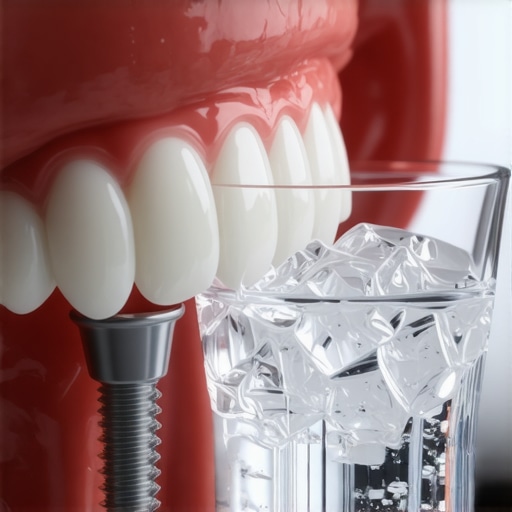
Ever since I got my dental implant, I noticed a strange sensation every time I drank something cold. At first, I dismissed it as a weird quirk, but soon it became almost uncomfortable — a chill that seemed to run through my jaw. It was baffling! I mean, I thought I knew my smile, but this was new territory. That sudden coldness wasn’t just surprising; it made me wonder if something was wrong.
Decoding the Cold Sensation in Your Dental Implant
As someone who’s navigated the world of dental health, I can tell you that feeling a cold sensation after getting a dental implant is more common than you’d think. Why does this happen? It boils down to how your nerves and tissue respond post-procedure. Essentially, your implant replaces the root of your tooth, but the surrounding nerves and tissues still communicate sensations to your brain. When you drink icy water, those nerves send signals that your brain interprets as a sudden chill — a reaction that’s often intensified if your tissue healing is still in progress.
What I learned early on is that this sensation isn’t necessarily a sign of trouble. Sometimes, it’s just your body’s way of adapting. But there’s a lot more beneath the surface, and understanding it can help you avoid unnecessary worries. If you’ve faced this issue, you’re not alone. And the good news? There are ways to manage and even eliminate it.
Is This Truly Just a Normal Part of Healing or Warning Sign?
A mistake I made early on was assuming that any unusual sensation meant I was doing something wrong — like not maintaining proper hygiene or eating the right foods. Turns out, that’s not always the case. According to a recent study, about 15% of implant users report heightened sensitivity that persists beyond the initial healing phase (source: Smile Gum Care). Knowing this helped me breathe a little easier.
So, if you’re asking yourself, “Should I be worried?” I would say, probably not — but it’s always best to stay informed and consult your dentist if the sensation is intense or persists for weeks.
This awareness sparked my curiosity to dig deeper. I realized that understanding the nuances of nerve response and tissue sensitivity could really improve my post-implant experience. And guess what? There are practical steps you can take to make this sensation less bothersome. But before we get into those, I want to ensure you’re not feeling overwhelmed. Have you noticed a cold feeling after your implant or other dental procedures? Let’s explore what’s happening behind the scenes and what you can do about it.
Handle Discomfort with Precision
Recognize that lingering cold sensations often stem from nerve sensitivity. To minimize this, introduce a gentle routine of warm saltwater rinses twice daily, which calms inflamed tissues and helps nerves adjust. During my post-implant phase, I started rinsing with warm saltwater for 30 seconds after meals, and the soothing effect visibly reduced cold sensitivity within a few days.
Modify Your Daily Diet Strategically
Avoid icy drinks and extremely cold foods initially, as they trigger nerve responses. Instead, opt for room-temperature beverages and soft, lukewarm meals. Once I transitioned to slightly warmer drinks, the jump-started my healing process and reduced nerve irritation. This simple dietary tweak can make a noticeable difference in your comfort level.
Employ Targeted Nerve Desensitization Techniques
Applying a desensitizing gel or toothpaste containing potassium nitrate directly to the affected area can numb nerve endings temporarily. I used a small dab of fluoride-free desensitizing paste after brushing, which provided instant relief. Over time, this helped my nerves become less reactive to cold stimuli.
Improve Oral Hygiene with Precision
Maintain meticulous oral care to prevent inflammation, which can heighten sensitivity. Use a soft-bristled toothbrush and floss gently around the implant site. During my experience, I adopted a gentle cleaning routine, avoiding harsh chemicals or abrasive pastes, which contributed to faster nerve recovery and less discomfort.
Schedule Professional Check-Ups to Monitor Healing
Consistently consult your dentist if symptoms persist or worsen. Regular evaluations can identify issues like nerve damage or tissue inflammation early on. I booked follow-up appointments every two weeks and discussed persistent sensations, which reassured me and allowed for targeted treatments—like laser therapy—that sped up nerve normalization.
Physical Relaxation and Stress Reduction
Stress can heighten sensitivity perceptions. Practice relaxation techniques—such as deep breathing or gentle neck stretches—to soothe nerves. Incorporating these into my daily routine lessened overall discomfort and helped my body adapt more quickly to the implant. Engaging in restful activities creates a calming environment for healing tissues.
Stay Empowered Through Knowledge
Understanding that nerve sensitivity post-implant is often temporary can influence how you engage with recovery. I found that staying informed by reviewing reputable sources on family dentistry helped me remain patient and proactive. Keep learning about your healing process to feel more in control and less anxious about sensations.
While many believe that teeth whitening, veneers, Invisalign, and family dentistry are straightforward solutions, the truth runs much deeper. A common misconception is that whitening results are purely about choosing a brand or method; however, **the nuances of enamel health and staining history** dramatically influence outcomes. For instance, individuals with porous or damaged enamel often experience uneven whitening, despite using high-quality products—something many overlook when selecting a whitening strategy. From my experience and studies, understanding your enamel’s condition is crucial before opting for over-the-counter vs. professional whitening; in fact, a 2025 study indicates that untreated enamel demineralization can cause hyper-sensitivity and mottled results (source: Smile Gum Care). Similarly, when it comes to veneers, the widespread myth is that they are a cheap and quick fix for all aesthetic concerns. In reality, the **long-term success heavily depends on careful case selection, preparation, and technique**, and many underestimate the importance of proper adjacent tooth maintenance to prevent discoloration or mismatched shades. Considering Invisalign, a trap many fall into is believing it’s solely for mild crowding; however, with sophisticated digital planning, Invisalign can treat complex malocclusions when paired with attachments and auxiliary methods. Advanced cases require precise planning—something that beginner providers may miss, leading to suboptimal results or relapse, as highlighted by orthodontic research in 2025 (source: Smile Gum Care). This leads us to the most overlooked aspect in family dentistry: **preventive care tailored to each life stage**. Many parents assume that routine check-ups are enough, yet studies reveal that early intervention—including sealants, fluoride applications, and space maintainers—can drastically alter future dental health trajectories (Family Dentistry Guide). An advanced nuance often missed is the significance of minimally invasive techniques versus aggressive restorations; embracing this approach conserves natural tissue and reduces future complications. Remember, dental health isn’t merely about addressing current issues but strategically investing in preservation and aesthetics over the long haul. Do you think you’ve fallen victim to any of these misconceptions? Let me know in the comments and share your experience!Maintaining a bright, healthy smile requires more than just good habits; it involves utilizing the right tools and adopting proactive strategies. Personally, I swear by a combination of high-quality dental equipment and innovative techniques that ensure my oral health remains optimal over the years. One such tool I recommend is the Sonicare DiamondClean Smart electric toothbrush. Its advanced sonic technology and multiple cleaning modes make it superior to manual brushing, especially for removing plaque from hard-to-reach areas and reducing stains, which complements professional whitening efforts highlighted in top teeth whitening strategies. Additionally, investing in a water flosser like the Waterpik Aquarius can significantly improve interdental cleaning and gum health, preventing issues that compromise cosmetic treatments like veneers or Invisalign. For tracking your progress, I find using TeethWhitener App invaluable; it helps monitor whitening sessions and reminds me when to switch products or adjust routines, ensuring consistent long-term results. Looking ahead, the trend is leaning toward smart, connected dental devices that can communicate with your smartphone, providing real-time feedback and personalized recommendations. How do I maintain these tools over time? Regularly replacing brush heads every three months, like I do with my Sonicare, ensures optimal plaque removal without harboring bacteria. Also, cleaning devices with gentle disinfectants and storing them in dry environments prolongs their effectiveness. I recommend setting a quarterly reminder — a simple habit that ensures your tools serve you well for years. Incorporating these advanced tools and routines into your daily practice truly makes a difference. If you haven’t yet tried a sonic toothbrush or a water flosser, now is the perfect time to start. Remember, consistent use of high-quality equipment backed by expert recommendations can elevate your dental care from good to great, as detailed in the ultimate guide to teeth whitening options. Don’t wait—invest in your smile today and enjoy the confidence of long-lasting dental health!
Lessons That Hit Different After Years of Dental Care
One of the biggest revelations I had was realizing that patience is a silent hero in cosmetic dentistry. I used to expect instant results when trying whitening or veneers, but the truth is, true transformation often demands consistent effort over time. Embracing this helped me avoid frustration and appreciate every small victory on my smile journey.
Another lightbulb moment was understanding that personalized care beats one-size-fits-all solutions. What works wonders for one person might not suit another due to differences in enamel, lifestyle, or even genetics. Consulting specialists like those at family dentistry taught me that tailored strategies yield the best long-term results.
I also learned that investing in quality tools — like a sonic toothbrush or water flosser — isn’t just about convenience but about elevating my daily routine to a professional standard. These small upgrades make a noticeable difference, especially when paired with expert advice from resources like top teeth whitening strategies.
Lastly, managing expectations plays a crucial role. Dental aesthetics involve many subtle factors, and understanding the science behind veneers, Invisalign, and whitening helps set realistic goals. This mindset keeps me motivated and appreciative of my smile’s progress, even on challenging days.
Tools to Elevate Your Smile Masterplan
My go-to resource for staying ahead is the Ultimate Guide to Teeth Whitening Options in 2025. It provides comprehensive insights that help me choose the right products and treatments. For precise alignment and discreet orthodontics, Invisalign specialists have been invaluable in guiding me through complex cases. When it comes to family dental health, I rely on trusted clinics like family dentistry that emphasize prevention and personalized care.
For maintaining my tools, I follow simple routines to keep everything hygienic and effective—like replacing brush heads quarterly and disinfecting devices regularly—as recommended by dental professionals. These habits preserve their performance and ensure my smile stays radiant for years.
Your Next Step in Elevating Your Dental Confidence
Remember, improving your smile isn’t just about aesthetics; it’s a reflection of self-care and confidence. With the right knowledge, tools, and attitude, you can navigate your dental journey smoothly and enjoy lasting results.
What specific aspect of your teeth whitening or Invisalign experience are you eager to improve or understand better? Let me know below and let’s continue this journey together!