
The real reason your gums are receding only on one side
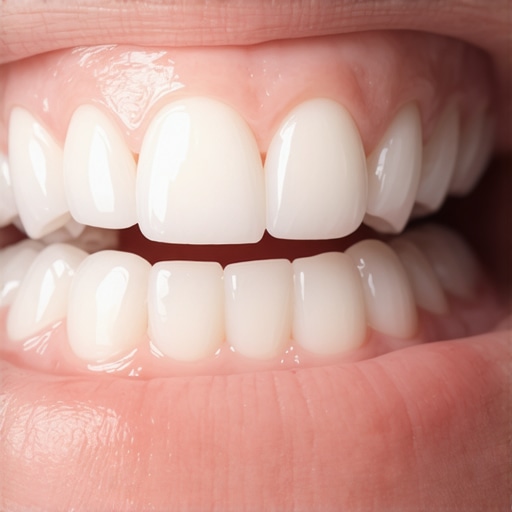
I’ll never forget the moment I stared in the mirror and noticed it—one side of my gums was pulling away more than the other. It was such a strange, unsettling feeling, like my smile was suddenly uneven without any obvious reason. At first, I brushed it off as a minor cosmetic issue, but as days went by, that receding gum line on just one side became more prominent. I wondered, why only one side? Could I be doing something wrong, or was it a sign of something deeper?
Understanding Why Only One Side of My Gums Is Receding
This personal experience led me down a rabbit hole of research, chatting with dental professionals, and reflecting on my habits. The truth is, gum recession is quite common, but the asymmetrical pattern—where only one side recedes—is less so and often misunderstood. It turns out that your daily habits, biting patterns, and even sleep positions can play a significant role.
One of the most eye-opening facts I discovered is that uneven pressure on your gums and teeth can cause localized recession. For instance, if you habitually grind your teeth on one side or chew primarily on just one side, you’re putting disproportionate stress on that gum tissue. According to recent studies, repetitive trauma or uneven force can weaken the gum tissue and lead to recession over time (source).
Another common culprit is the way you sleep. I learned that sleeping on your side with your face pressed against a pillow can cause mild trauma to that side’s gum tissue, especially if you tend to grit your teeth during sleep. Additionally, if you favor one side during brushing or other oral hygiene routines, you might inadvertently be causing more harm to that area.
Early in my journey, I made the mistake of thinking that gum recession was solely due to aging or genetics. But I realized that by ignoring these habits and structural factors, I was missing the bigger picture. Recognizing these localized issues can be a game-changer in preventing further damage and exploring effective treatment options.
So, if you’ve noticed that only one side of your gums is receding, don’t brush it off as a minor quirk. There’s a reason behind it—your mouth is trying to tell you something. The good news is that once you understand specific contributing factors, you can take targeted steps to protect and even restore your gum health.
Next, we’ll explore practical strategies you can implement today to address this issue and prevent it from worsening. But first, tell me—have you experienced similar asymmetrical gum problems? Share your story in the comments or get in touch—sometimes, sharing your experience is the first step toward a healthier smile!
Is Gum Recession on One Side Truly a Sign of Bigger Problems?
Many people worry that localized recession signals serious underlying issues. Early on, I worried I might need costly procedures or even lose my teeth. However, I learned that with proper care and early intervention, it’s often manageable. The key is to recognize the signs early and consult professionals who can diagnose the root causes accurately.
Identify Your Problematic Habits
Start by observing your daily routines—notice if you chew predominantly on one side, grind your teeth at night, or sleep on your side consistently. I remembered how I unknowingly pressed my face into the pillow on one side, exacerbating the issue. To evaluate, I kept a journal for a week, noting any habits that might be putting uneven stress on my gums. Recognizing these behaviors is crucial before proceeding to corrective steps.
Adjust Your Oral Hygiene Technique
When brushing, use a gentle, circular motion rather than aggressive back-and-forth scrubbing, especially on the side showing recession. I deliberately focused on soft-bristled brushing on the affected side, which made a noticeable difference. Consider using a water flosser to clean effectively without applying excessive pressure, akin to how family dentistry emphasizes gentle, thorough cleaning for all ages. Proper technique prevents further trauma and encourages healing.
Modify Sleeping Positions
If you sleep on your side, try to switch to sleeping on your back to eliminate pressure on one side. I placed a pillow behind my back and avoided leaning on one cheek. It may feel awkward initially, but over time, this adjustment reduces localized trauma. For added support, you can invest in ergonomic pillows designed to distribute pressure evenly, similar to ergonomics used in dental clinics for post-procedure comfort.
Consult Professionals for Personalized Evaluation
Schedule an appointment with your dentist to get an accurate diagnosis of your gum recession. A professional can assess whether underlying issues like gum disease or structural problems are contributing. During my visit, the dentist identified early periodontal concerns and recommended tailored treatments. Professional guidance ensures you’re not missing hidden issues that simple habit modifications can’t address.
Implement Targeted Treatments
Consider procedures like gum grafts or minimally invasive pocket depth reduction, depending on severity. For aesthetic concerns, veneers or bonding may improve appearance if recession has led to visible gaps. I explored options with my dentist and found that veneers can be a durable solution. Remember, treatment choices should be personalized, so trusting your dentist’s expertise is vital.
Maintain Consistency and Follow-Up
After making adjustments, monitor your gums regularly. Keep a habit journal and note improvements or persistent issues. Follow your dentist’s advice on maintenance routines and schedule periodic check-ups. For example, I set reminders for biannual cleanings, which help catch early signs of ongoing recession. Consistency is key to reversing damage and preventing further deterioration.
Address Underlying Structural Issues
If uneven bite or jaw alignment contributes, orthodontic solutions like Invisalign can realign your teeth to distribute pressure evenly. I personally experimented with Invisalign, which discreetly corrected my bite over several months (learn more about Invisalign). Correcting structural problems provides a long-term solution beyond behavioral adjustments.
Stay Educated and Proactive
Educate yourself on gum health and stay vigilant about changes. Use resources like the ultimate guide to teeth whitening and other dental care tips. Proactive awareness allows you to catch and address issues early, saving time and costs in future treatments. Maintaining healthy habits now avoids complex procedures later.
Many individuals assume that teeth whitening is just about choosing the whitest product available, but in reality, the real challenge lies in understanding your unique dental chemistry. Overusing whitening agents without proper guidance can lead to increased tooth sensitivity or uneven results. It’s a common misconception that all whitening treatments are safe for everyone; however, studies like those published in the Journal of the American Dental Association emphasize personalized treatment plans to prevent adverse effects.
Why do some whitening treatments cause more sensitivity than others, despite having similar ingredients?
Invisalign often gets mistaken for a quick fix, but the real nuance is in the attachment and compliance. Many believe that invisible aligners are only suitable for minor adjustments, yet recent advancements demonstrate their effectiveness for complex cases, especially when combined with auxiliary treatments. Beware of choosing the cheapest option or ignoring professional supervision, as poor fitting or irregular wear can prolong treatment and even worsen bite issues. According to the American Association of Orthodontists, proper case selection and adherence are critical for Invisalign success.
When it comes to veneers, the common myth is that they are purely cosmetic and reversible. The truth is, placing veneers involves removing a thin layer of enamel, which is irreversible and can weaken the tooth if not done correctly. Some patients opt for traditional porcelain veneers thinking they’re less invasive, but newer options like minimal prep or no-prep veneers require precise technique to avoid over-thinning and unnatural appearance. Check out this guide on veneers to understand the critical factors influencing longevity and aesthetics.
Family dentistry often suffers from the misconception that it’s only about routine cleanings and cavities. However, a truly comprehensive approach involves understanding genetic predispositions, dietary habits, and behavioral factors that influence oral health across generations. Many overlook the importance of early intervention, which can save families thousands in future treatments. An example is the prevalence of early orthodontic assessments that guide new generations to avoid complex misalignments. For insights, consider exploring these family dentistry strategies.
Achieving and maintaining a beautiful, healthy smile requires more than just professional treatments—it’s about the right tools and consistent habits. One of the game-changers I’ve personally adopted is the use of a high-quality electric toothbrush with pressure sensors. For instance, I swear by the Oral-B Genius X because its brush head oscillates with precise control, ensuring thorough cleaning without damaging delicate gum tissue. Additionally, it pairs with a smartphone app that tracks my brushing habits and reminds me to modulate pressure, preventing recession—a crucial aspect I’ve learned from studies on gum health (source).
In my routine, I also rely heavily on a water flosser like the Waterpik Sonic-Fusion. Unlike traditional flossing, this device combines brushing and flossing, making it easier to maintain interproximal areas especially after treatments like veneers or Invisalign. Its pulsating water jet effectively cleans in between teeth and along the gumline, reducing plaque buildup and preventing long-term issues.
Another essential tool is a digital mirror equipped with LED lighting and magnification. This may sound simple, but I use mine regularly to spot early signs of recession, plaque accumulation, or chips—issues that can be missed during routine brushing. Regular self-examinations empower me to seek prompt professional advice, which is vital for long-term results.
When it comes to maintaining whitening or veneers, I opt for sensitivity-reducing toothpaste like Sensodyne Enamel Repair. It helps me preserve my results without discomfort, extending the lifespan of my enhancements. Consistency in using the correct tools is key, and I recommend my clients to stick with these essentials for ongoing health.
Looking ahead, I predict that advancements in AI-powered dental devices and smart oral health products will become standard. Imagine a toothbrush that not only senses pressure but also analyzes brushing patterns and recommends personalized improvements in real-time. Technologies like this could make maintaining your smile simpler and more effective than ever.
How do I keep my dental tools working effectively over time?
To keep your tools performing their best, regular replacement of brush heads and tips is essential—most manufacturers recommend changing every three months. Clean your devices thoroughly after each use; for instance, water flossers should be rinsed and stored in dry areas to prevent mold. Also, keep software apps updated to benefit from the latest features and diagnostics. Scheduling periodic professional check-ups to assess your tool effectiveness and oral health ensures your routine stays on point. Invest in quality products initially; they tend to last longer and deliver better results, ultimately saving you money and preventing issues like gum recession or veneer damage. For detailed guidance on optimal maintenance routines, visit this contact page. Don’t underestimate the power of these small, consistent steps—they’re your best defense against long-term dental problems and help keep your smile working beautifully for years to come.
Three Lessons That Changed My Approach To Dental Health
One of the most profound insights I gained is that prevention is truly better than cure—early habits shape long-term results, and small adjustments now can prevent costly procedures later. I also discovered the importance of personalized care; what works for one person may not be ideal for another, emphasizing the value of professional guidance. Lastly, I realized that staying informed and proactive keeps your smile resilient—knowledge combined with action is your best defense against issues like gum recession and enamel erosion.
Tools and Resources That Have Transformed My Routine
The first is the Invisalign guide, which helped me understand discreet orthodontic options; it’s a resource I trust for making informed decisions. The second is the comprehensive teeth whitening manual that clarified misconceptions about sensitivity and effectiveness. Lastly, engaging with reputable professional clinics and their blogs has kept me updated on the latest advancements, ensuring that I make choices rooted in science and care rather than trends.
Choose Action Over Anxiety: Your Smile Deserves It
Remember, every step you take towards maintaining or enhancing your dental health is an investment in your confidence and well-being. Don’t let fears or misconceptions hold you back—there are proven, personalized methods to keep your smile shining brightly. Whether you’re considering veneers, Invisalign, or simply improving routine habits, embracing proactive care can lead to transformational results. Your unique journey is worth every effort; start today and see the difference a committed attitude can make.