
How to stop your teeth from shifting after your braces come off
I remember the exact moment I noticed my teeth beginning to drift just months after getting my braces removed. It was subtle at first—a slight shift here, a tiny gap there—enough to make me question if I had truly achieved that perfect alignment I’d worked so hard for. That lightbulb moment was both disappointing and a bit confusing. Why was this happening? I thought once the braces came off, my smile was supposed to stay put.
If you’ve undergone orthodontic treatment, you probably know the relief of finally having those braces off. You imagine maintaining that straight, confident smile forever. But then, surprise! Your teeth start sneaking back to their old positions, or worse, shifting into new misalignments. It can feel like all your hard work is unraveling, and honestly, that can be pretty disheartening.
The good news? You’re not alone, and there are practical, proven ways to prevent this. Today, I’ll share what I learned—combining personal experience with expert advice—to help you keep your teeth exactly where they should be.
Why Your Teeth Keep Moving After Braces Are Off and How to Keep Them Still
Many people think that once braces are removed, the battle is over. But your teeth are still in a state of flux; they’re anchored by gums, bone, and the supportive tissues, all of which can change over time. Without proper retention strategies, the natural tendency is for teeth to gradually drift back to their previous positions. In fact, studies show that without a retainer, about 70-80% of orthodontic patients experience some degree of relapse within a few years (source: American Association of Orthodontists).
Early in my journey, I made a common mistake: I thought I could rely solely on my retainers, but I wasn’t consistent. That inconsistency was enough to allow my teeth to shift. The truth is, retention is an ongoing process—it’s about more than just wearing a retainer; it’s about understanding how your mouth works and taking proactive steps.
Are you noticing new gaps or crookedness after your braces? Did you stop wearing your retainers because you thought the hard part was over? If so, keep reading. We’re about to dive into some simple, effective strategies to keep your smile forever aligned. But first, let’s tackle a common skepticism that many of us face: “Does wearing a retainer really make that much difference?” And I’ll share why, with proper care, it does.
Ready to keep that gorgeous smile in place? Let’s get started on the practical tips and tricks that can preserve your orthodontic results for years to come.
Stick to Your Retainer Routine Daily
After removing braces, the most crucial step is wearing your retainer consistently. I remember a week when I skipped nights, thinking a couple of days wouldn’t matter. The following month, I noticed a slight misalignment. To prevent this, set a daily schedule—perhaps nightly at the same time—and stick to it diligently. Think of your retainer as a gym membership for your teeth; regular use maintains the progress achieved.
h3>Choose the Right Retainer Type and Care
There are mainly two types: Hawley and clear aligner retainers. Each requires proper cleaning—Hawleys with a toothbrush and clear retainers with a gentle cleaning solution or brushing. I learned this the hard way when my clear retainer developed a film because I didn’t clean it regularly. Keeping your retainer clean ensures it functions effectively and extends its lifespan.
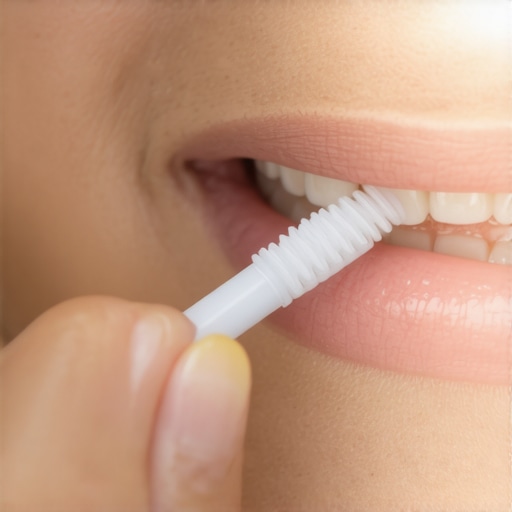
Visual guide to retainer maintenance and fitting adjustments.
Maintain Good Oral Hygiene Consistently
Brushing twice daily and flossing keeps the gums and bone healthy, preventing drift caused by periodontal issues. Once, during a hectic week, I neglected my flossing routine and noticed my front teeth starting to shift slightly. Incorporating flossing into my morning routine and using interdental brushes for braces or retainers helped me stabilize my teeth and supported my overall dental health.
Avoid Hard or Sticky Foods Post-Treatment
Eating hard candies or sticky caramel can dislodge retainers and cause unwanted pressure on teeth. I remember biting into a caramel and hearing a snap—scared me! Afterward, I switched to softer foods and avoided anything that might impact my retainer or molars. Think of your teeth and retainer like delicate machinery—you must treat them carefully to preserve the alignment.
h3>Consult Your Dentist for Custom Advice
Regular check-ins with your orthodontist help catch early signs of relapse. During my follow-up, my dentist adjusted my retainer and gave tailored tips for my habits. If concerns arise, don’t hesitate to reach out via contact us, to keep your smile on point.
When it comes to cosmetic and preventive dental treatments, misconceptions abound, often leading patients to make costly or irreversible mistakes. Let’s dig deeper into some hidden nuances and common pitfalls that even savvy consumers might overlook.
Myth: Veneers Are a Permanent Fix That Never Need Maintenance
Many believe that once you get veneers, your smile is set for life. While high-quality porcelain veneers are durable, they aren’t invincible. They can chip, stain, or even become loose over time if not properly cared for. An often-overlooked nuance is the importance of minimal stain-inducing foods and consistent maintenance visits. Plus, understanding the difference between veneers and crowns is essential; veneers are surface restorations, whereas crowns cover the entire tooth, making their longevity and maintenance requirements quite different. For a comprehensive understanding, explore [Veneers Made Simple](https://smilegumcare.com/veneers-made-simple-transform-your-tooth-aesthetics-in-2025-at-1822).
Why Teeth Whitening Isn’t Always a One-Size-Fits-All Solution
Everyone wants a dazzling smile, but not all whitening treatments suit every individual. Over-the-counter options often fall short or cause sensitivity if used improperly. This leads to a common misconception that whitening is just about choosing the strongest product. In reality, the effectiveness depends on the type of stain, the original tooth shade, and your enamel’s health. Professional whitening, tailored to your specific needs, minimizes risks and provides better results. Be cautious of the trap of using DIY kits without professional guidance; they can cause uneven whitening or increased sensitivity. For expert tips, check out [Top Teeth Whitening Strategies in 2025](https://smilegumcare.com/brighten-your-life-top-teeth-whitening-strategies-today).
Invisalign: Not Just a Discreet Option but a Precision Tool
Many assume Invisalign is solely a less noticeable way to straighten teeth without considering its advanced technology. However, the real secret lies in its digital planning and ability to customize each aligner for maximum precision. A common mistake is not wearing the aligners as prescribed, which can compromise the treatment timeline significantly. Moreover, advanced users know that attachments and refined compliance are key to achieving perfect results—especially in complex cases. To learn more about making the most of Invisalign, visit [Invisalign Secrets to a Perfect Smile](https://smilegumcare.com/invisalign-secrets-achieving-a-perfect-smile-discreetly).Maintaining a beautiful, healthy smile requires more than just good habits; it demands the right tools and a strategic approach. One of my personal favorites is a high-quality ultrasonic dental scaler, like the Philips Sonicare DiamondClean, which I use daily to gently remove plaque and prevent tartar buildup that can contribute to misalignment or gum issues. Its sonic technology provides superior cleaning with minimal effort, helping preserve the results of treatments like veneers and Invisalign. Regular use of such devices complements professional cleanings and ensures your oral hygiene remains uncompromised over time.
Beyond physical tools, digital software has revolutionized home dental care. I rely heavily on dental monitoring apps like Toothpic, which allows me to send high-resolution photos of my teeth directly to my dentist for remote assessment. This proactive approach catches potential problems early, from early signs of gum recession to minor wear that could impact the longevity of whitening or veneers. The integration of technology into personal dental routines embodies the future of long-term oral health—more personalized, efficient, and preventative.
Another indispensable method is implementing traceability with detailed maintenance logs. I keep a digital journal, noting when I switch aligner sets or reapply whitening treatments, which helps identify patterns that might indicate issues like uneven wear or staining. This level of record-keeping proves especially valuable for those with complex cases involving multiple procedures, such as combining veneers with Invisalign. It provides a clear history that informs ongoing care and adjustments.
A key element for scaling dental health—whether for families or individuals—is investing in quality, sterilizable tools like interdental brushes and water flossers, which do a better job than standard flossing, especially around brackets or veneers. I personally prefer the Waterpik Ultra Water Flosser, as it effectively reaches areas traditional floss can’t, reducing plaque and preventing the kind of tartar buildup that can interfere with long-term orthodontic results.
Looking ahead, the trend is moving toward smarter, more connected dental devices capable of real-time monitoring and feedback. Imagine toothbrushes that communicate with mobile apps to optimize brushing techniques or aligner trackers that ensure you’re wearing your devices as prescribed. These innovations aim to seamlessly integrate routine care into our digital lifestyles, making maintenance less of a chore and more of an effortless, integrated process.
So, how do I maintain my orthodontic and cosmetic results over time? The secret lies in combining advanced tools like ultrasonic scalers, digital monitoring apps, and dedicated maintenance routines. I encourage you to try incorporating a high-tech element—like sending monthly updates via a dental app—to stay accountable and catch issues early. With the right tools and habits, you can enjoy lasting, beautiful results that stand the test of time. For more insights on maintaining family dental health, explore our [family dentistry tips](https://smilegumcare.com/family-dentistry-building-healthy-smiles-for-every-generation). Remember, your smile’s health is an ongoing journey—equip yourself accordingly.Having gone through the journey of braces and cosmetic enhancements, I’ve discovered some invaluable insights that aren’t always shared in dental clinics. One of the most eye-opening lessons was understanding that maintaining a perfect smile is an ongoing adventure, not a one-and-done effort. Small habits, like consistent retainer use and mindful eating, make a massive difference over years. Additionally, I learned that embracing new technologies—such as digital monitoring apps—can empower you to catch potential issues early and avoid costly corrections later. These lessons have transformed how I approach my dental health, turning routine maintenance into a proactive, confidence-boosting practice. Remember, your smile’s longevity depends on your dedication and willingness to stay informed about the best practices—because a beautiful smile is a lifelong investment.