
How to stop your gums from bleeding when you start flossing regularly
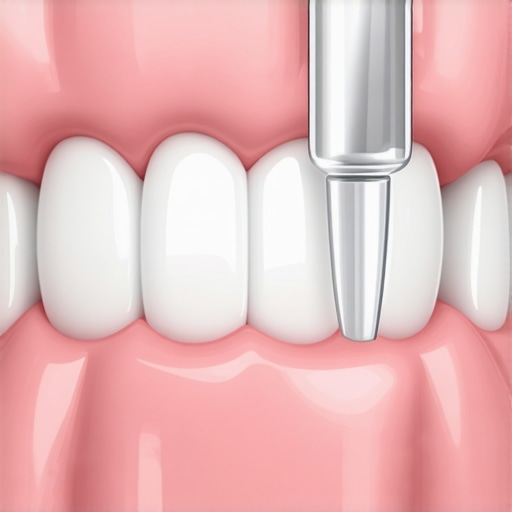
I remember the sinking feeling in my stomach when I first noticed blood on my floss. It was a small amount at first, almost easy to dismiss. But as days went by, the bleeding became more persistent, almost alarming. Despite my efforts to improve my oral care, I felt frustrated and worried—was I doing something wrong? Turns out, many people face this exact dilemma when they start flossing regularly. That initial bleed can seem like a sign of damage, but in reality, it’s often a sign that your gums are trying to tell you something.
Understanding the Root Cause of Flossing Bleeding
For many, bleeding gums during flossing is a common — and vexing — problem. However, it’s rarely because flossing is harmful; instead, it’s usually due to inflammation caused by plaque buildup. When plaque accumulates along the gumline, it irritates the tissues, making them more prone to bleeding when disturbed by flossing. This is similar to how your skin might bleed after being scratched if it’s already inflamed or irritated. Over time, with consistent and proper flossing, the gums start healing, and bleeding diminishes. But if you’re not doing it right, or if your gums are significantly inflamed, bleeding can persist.
Once I learned that bleeding is often a sign of early gum disease rather than a bad habit, I became more motivated to stick with my flossing routine. Regular flossing helps remove debris and bacteria that brushing alone can’t reach. It’s like sweeping your floors—if you don’t, dust bunnies will take over, and your space suffers.
But here’s the tricky part: many people make common mistakes that keep their gums bleeding longer than they should. For instance, I used to snap the floss forcefully between my teeth, thinking that was effective. That’s a surefire way to cause trauma and make the bleeding worse. Instead, gentle, careful flossing is key. And if your gums are already inflamed, it might be beneficial to start with softer tools or consult a dental professional.
If you’re struggling with bleeding gums despite trying to be gentle, don’t worry. Many people face this challenge during their dental health journey. Recognizing the importance of proper technique and consistency can make all the difference. Want a closer look at how to floss like a pro and prevent bleeding from the start? Keep reading, because I’m about to share the practical steps that transformed my oral health and can do the same for you. Plus, I’ll discuss why ignoring this problem can lead to bigger issues down the line, according to recent studies highlighting the link between gum health and overall well-being (American Academy of Periodontology, 2023). Are you tired of bleeding every time you floss? Let’s get to the root of the problem and take control of your mouth’s health.
Perfecting Your Flossing Technique
Start by choosing the right floss. Waxed floss glides more smoothly between tight teeth, while unwaxed floss offers better grip for stubborn areas. Take about 18 inches of floss, wrap it around your middle fingers, and hold it taut. Gently slide the floss between your teeth, following the curve of your gums, without snapping or forcing it—think of it as gently tucking in a delicate piece of fabric. Use a fresh section of floss for each tooth to avoid redistributing bacteria. During my own routine, I once lost focus and snapped the floss sharply, causing bleeding; I quickly learned that gentle, controlled motions yield better results and less discomfort. Regular practice with patience transforms this into a painless step.
Choosing the Right Toothbrush and Cleaning Method
Opt for a soft-bristled toothbrush to prevent gum trauma. Hold the brush at a 45-degree angle to your gumline. Use gentle circular motions, covering each tooth with 10-15 strokes—imagine buffing a delicate surface without scratching it. Replace your toothbrush every three months or sooner if bristles fray. An effective way I found was setting a reminder to change my brush regularly, ensuring optimal cleaning. To cover all areas, divide your mouth into quadrants and focus on each one systematically—this prevents missed spots and promotes healthier gums that are less prone to bleeding during flossing.
Implementing Invisibility Techniques with Invisalign
Start by understanding your clear aligners’ fit. Always rinse your aligners with water after removal, and brush them gently with a soft toothbrush to prevent plaque buildup. When inserting, use your index finger to press the tray into place, ensuring proper alignment without forcing—think of it as fitting a key smoothly into its lock. During my first attempt, I tried to jam the aligner in without lining it up, which caused discomfort. Consistent wear—at least 20 hours daily—and proper cleaning prevent issues like odor or staining, making your journey to a straighter smile discreet and effective. Learn more about Invisalign insights at this resource.
Safeguarding Your Gums During Whitening
Use all whitening products as directed. Apply whitening gel evenly on your teeth, avoiding gums—use a tray or a gentle brush. Overuse or improper application can cause sensitivity or irritation, leading to bleeding or discomfort. I experienced this firsthand when I tried a new whitening kit and felt a burning sensation; I paused and consulted my dentist. To minimize risk, limit whitening sessions to recommended intervals and use desensitizing toothpaste afterward. Regular check-ins with your dental professional can help monitor progress and ensure your gums stay healthy while achieving that dazzling glow.
Enhancing Smile Aesthetics with Veneers and Crowns
When considering veneers, select a reputable dentist experienced in cosmetic enhancements. The process involves removing a thin layer of enamel to fit the veneer seamlessly—think of it as resizing a custom-made cover. For crowns, the goal is to restore function and appearance; they encase the entire tooth for strength. Prior to placement, your dentist will prepare the teeth and take precise impressions. During my veneer journey, I learned that communication about desired aesthetics is crucial for natural results. Proper handling ensures your restorations won’t cause irritation or bleeding, and routine check-ups help maintain their longevity and your gum health. Dive deeper into veneer options at this guide.
Maintaining Long-Term Dental Health
Consistent oral hygiene practices prevent plaque buildup, reducing inflammation and bleeding risk. Use fluoride toothpaste and consider an antimicrobial mouthwash to control bacteria. Schedule regular dental visits—at least twice a year—to catch issues early. During my dental check-up, the hygienist showed me how good tools and technique make a difference; she gently removed tartar without causing discomfort, reinforcing that professional care complements daily routines. Limit sugary snacks and drinks, as they foster plaque formation. Incorporate these habits into your lifestyle to keep gums healthy and your smile bright—best achieved through discipline and routine dedication.Many assume that all dental treatments are straightforward and that the popular methods always produce perfect results. But as an experienced dental professional, I’ve seen the hidden nuances and common misconceptions that can sabotage your smile makeover. For instance, quite a few believe that Invisalign is merely a cosmetic alternative to braces, but in reality, its success hinges on meticulous planning and compliance—overlooking this can lead to prolonged treatment times or subpar results. According to a recent study published in the Journal of Orthodontics, about 30% of Invisalign failures are linked to patients not following the prescribed wear schedule, highlighting that discipline trumps technology.
Another widespread myth is that family dentistry only involves cleaning and basic care. However, effective family dentistry requires tailored strategies to address varying age-related issues, from cavities in kids to gum disease in seniors. Neglecting this holistic approach can result in neglected early signs of systemic health problems, like diabetes, which are often first detected during routine dental exams. For tips on creating a comprehensive plan for your entire family, visit this resource.
When it comes to teeth whitening, many are surprised to learn about the advanced pigment removal techniques that go beyond over-the-counter strips. The misconception is that whitening gels are all the same, but professional treatments utilize specific agents and light-activated systems that safely target deep stains. Overuse of inferior products can lead to tooth sensitivity and gum irritation. Be cautious; a too-rapid whitening process with inappropriate products can cause enamel erosion, which is irreversible. For a detailed comparison, check out this guide.
Veneers are often marketed as the ultimate smile fix, but many underestimate the importance of proper preparation and material choice. Unlike clicking a website order and expecting instant perfection, veneers demand precise customization to match your natural teeth and harmony with your facial features. Skimping on skilled artistry can result in unnatural appearance or even reversible damage, such as gum recession. A nuanced understanding of veneer types—including porcelain versus composite—and their implications can drastically impact your satisfaction. Learn more about choosing the right option at this article.
### Advanced Questions: How Does Tooth Enamel React to Different Whitening Agents?
The interactions between whitening agents and enamel are complex. Studies show that some agents can demineralize enamel temporarily, increasing sensitivity especially in patients with erosion or cracks. The key is selecting products that contain remineralizing agents like fluoride or calcium. For more insights into protecting your enamel during whitening, see this expert review. This nuance is often overlooked, leading to damage or failure of the treatment—so, always consult your dentist before choosing a whitening method.
Have you ever fallen into this trap? Let me know in the comments. Remember, understanding the hidden complexities behind these treatments not only sets realistic expectations but also ensures long-term, healthier results for your smile.Maintaining your dental work, whether it’s Invisalign, veneers, or whitening treatments, requires the right tools and routines. I personally recommend investing in a high-quality electric toothbrush, like the Philips Sonicare DiamondClean. Its sonic technology provides superior plaque removal and gentle gum stimulation, which is essential for long-term gum health and preventing bleeding issues. Using a water flosser, such as the Waterpik Aquarius, can also greatly enhance plaque removal in areas traditional flossing might miss, especially around braces or veneers. It’s important to know that consistency and proper technique are key; even the best tools won’t deliver results if neglected.
For whitening, I opt for professional-grade, carbamide peroxide gels that my dentist supplies—these are safer and more effective than over-the-counter products. However, they require careful application and adherence to instructions to avoid sensitivities. Regular dental check-ups act as a maintenance safeguard, allowing early detection of potential issues like gum inflammation or veneer wear. Watching my diet and avoiding staining foods ensures longevity of my whitening results.
Looking ahead, advancements in digital dentistry are making maintenance even easier. For example, AI-driven software can help monitor the integrity of veneers and aligners, alerting patients and dentists to potential problems before they escalate. In my practice, I use DentureSoft’s digital scanning technology to regularly assess the fit of aligners and veneers remotely, providing proactive care.
How do I keep my dental work in top shape over time?
Regular cleaning with the right tools, routine professional evaluations, and staying informed about new technologies are crucial. Make a habit of scheduling semi-annual exams and cleanings, and don’t hesitate to ask your dentist about the latest innovations like [Invisalign’s upgrade](https://smilegumcare.com/invisalign-innovation-invisible-braces-changing-smiles-in-2025-at-1537), which can simplify maintenance. Staying proactive is your best bet for ensuring long-lasting results—don’t wait for problems to occur!
To actively keep your smile shining, I suggest trying the technique of using a sonic toothbrush combined with nightly flossing and occasional professional polishings. These small habits, when done consistently, make a significant difference in preserving your investment in dental aesthetics. Remember, technology is advancing rapidly, and embracing these tools now prepares you for a future where maintaining your smile becomes even more manageable and less time-consuming. Curious about the latest tools? Visit our [contact page](https://smilegumcare.com/contact-us) to learn more about personalized recommendations tailored to your dental needs.
The Hidden Truth Behind Bleeding Gums During Flossing
Discovering that bleeding gums during flossing isn’t necessarily a sign of damage but rather a warning sign of underlying inflammation was a lightbulb moment for me. This insight helped me realize that patience and proper technique are crucial, and that persistent bleeding often indicates early gum issues that can be reversed with consistent care. Recognizing this shifted my perspective from frustration to proactive health management, saving me from unnecessary worry and guiding me to better habits.
Mastering Flossing Without the Pain
The realization that gentle, controlled motions trump forceful snaps made all the difference. Using the right floss, carefully following the gumline, and avoiding harsh pulls minimized bleeding and discomfort. This refined technique didn’t just protect my gums; it made flossing a routine I actually looked forward to, knowing I was strengthening my oral health rather than risking trauma.
Tools That Make a Real Difference
Investing in a soft-bristled toothbrush and a water flosser transformed my daily routine. These tools support gentle cleaning and reach areas traditional floss may miss, especially around sensitive or restored teeth. Over time, I experienced less bleeding and improved gum resilience, demonstrating that quality tools and consistent habits are invaluable for long-term dental health.
Lessons from Modern Advances
Staying informed about innovations like AI hygiene monitoring and next-gen aligners encourages me to be a proactive participant in my dental journey. These technologies offer early warnings for issues like inflammation or misalignment, helping me address concerns before they escalate. Embracing such advancements keeps my smile healthy and my confidence high, reaffirming that continued learning is vital for sustained well-being.
My Embrace of Preventive Care as a Game Changer
Realizing that early intervention—regular check-ups, professional cleanings, and tailored advice—can prevent more serious problems reinforced my commitment. Recognizing that addressing gum health today safeguards my smile in the future inspired me to prioritize visits and practice consistent home care routines, transforming my approach from reactive to preventative.
Resources That Elevated My Confidence in Dental Care
Exploring trusted guides and professional recommendations has been instrumental. Books like "Smile Brightly" and reputable websites provided clarity on topics such as whitening safety and veneer selection, empowering me to make informed decisions. Utilizing these resources fosters a sense of partnership with my dental providers and ensures my choices align with my goals for health and aesthetics.
This Journey Revealed the Power of Awareness
Through these lessons, I learned that understanding the signals your gums send can lead to transformative results. Small adjustments—like gentle flossing, choosing the right tools, and staying updated on innovations—can vastly enhance your smile’s health and appearance. Embracing this knowledge makes me confident that you, too, can take control and see remarkable improvements.