
How to tell if your wisdom teeth are finally coming in or if it is just a sore jaw
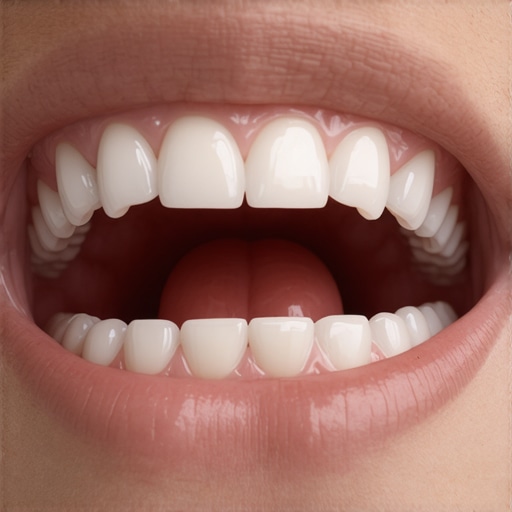
Imagine this: you’re enjoying a quiet evening when suddenly, a sharp, persistent pain shoots through your jaw. You tentatively press your fingers to the area, and it feels tender, swollen even. You’ve been brushing, flossing, and avoiding hard foods, but that nagging discomfort just won’t go away. Could it be your wisdom teeth making their grand entrance, or is something else entirely going on?
As someone who’s navigated the confusing world of dental health firsthand, I know how unsettling this situation can be. One minute, you’re fine. The next, you’re questioning whether that ache is the beginning of a new chapter or just a fleeting soreness. The tricky part? Wisdom teeth, or third molars, can be sneaky. Sometimes, they emerge healthily and comfortably. Other times, they cause more harm than good, leading to swelling, pain, and even infection.
Today, we’re going to clear up the mystery once and for all. I’ll share my personal insights and simple tips to help you distinguish between honest wisdom tooth coming in signals and common jaw soreness. No more second-guessing, no more unnecessary panic—just practical knowledge to empower you. By the end of this guide, you’ll have a clearer picture of what your body is telling you—and when to call in a professional.
Is Your Sore Jaw a Sign of Wisdom Teeth Coming In or Something Else?
The first step in solving this puzzle is understanding what symptoms are typically associated with wisdom teeth eruption versus other causes of jaw pain. For instance, if your discomfort is accompanied by swelling at the back of your mouth, tender gums, and maybe a little bit of a dull ache that comes and goes, chances are your wisdom teeth are trying to make their debut. However, if the pain is sharp, constant, or linked with difficulty opening your mouth or swallowing, it might be something more serious, like an infection or TMJ issues.
In my early days of dental mishaps, I made the mistake of dismissing minor soreness as just a normal ache, only to find out later it was a developing abscess caused by impacted wisdom teeth. That lesson taught me to pay attention to the details.
Did you know that nearly 85% of people experience some level of wisdom tooth impaction or discomfort during their late teens or early twenties? According to recent studies, recognizing the signs early can save you from complicated procedures down the line. So, how do you tell the difference?
Let’s delve into the key indicators and practical steps you can take to decode your symptoms. Ready to become a jaw pain detective? If you’ve ever hesitated about whether that dull ache is a sign to schedule a visit or just a passing discomfort, this insight is for you. Keep reading, because the next section will guide you through specific symptoms to watch for—and what actions to consider to keep your smile healthy and pain-free.
Start With a Visual Inspection
First, examine the back of your mouth in a well-lit mirror for swollen or reddened gums, especially where you suspect your pain originates. Use a clean finger or gauze to gently press the area; tenderness or noticeable swelling could indicate wisdom teeth erupting. I recall a time when I noticed slight swelling and ignored it, expecting it to resolve—only to develop a painful abscess that required emergency attention. Pay attention to these signs early on.
Map Your Symptoms Carefully
Keep a detailed symptom diary, noting the pain’s frequency, intensity, and associated sensations, such as throbbing or sharp stabbing. Ask yourself: Is the pain persistent or intermittent? Does it radiate to other areas like the ear or neck? This clarity helps differentiate between normal eruptive discomfort and potential complications like infections or TMJ issues. For example, I once tracked my pain and realized it worsened after eating certain foods, revealing impacted wisdom teeth pressing against other structures.
Assess for Common Warning Signs
Look for additional indicators: foul taste or bad breath (which may point to infection), difficulty opening your mouth, or swelling around the jaw. If these occur alongside your discomfort, seeking professional advice promptly becomes crucial. Remember, even minor symptoms can escalate if ignored—similar to how I delayed treatment until swelling became unbearable, highlighting the importance of early detection.
Utilize Self-Help Techniques
Until you can see a dentist, rinse with warm saltwater to reduce inflammation and manage pain. Over-the-counter pain relievers like ibuprofen can also provide temporary relief. Be cautious with home remedies; they are supportive measures, not substitutes for professional care. I once tried a homemade herbal rinse that briefly eased discomfort but ultimately needed dental intervention to address impacted teeth.
Decide When to Seek Professional Care
If symptoms persist beyond a few days, worsen, or are accompanied by fever, swelling, or pus, schedule an appointment immediately. Don’t delay—early intervention can prevent serious complications. To streamline the process, contact your dental provider via [their contact page](https://smilegumcare.com/contact-us-2) and describe your symptoms clearly. I learned this the hard way when ignoring initial signs led me to an urgent extraction.
Explore Treatment Options to Alleviate Discomfort
Once diagnosed, your dentist might recommend options like surgical removal, especially if impaction is confirmed. Modern techniques, such as minimally invasive extraction, can reduce recovery time. If you’re considering options like Invisalign or veneers later, understanding your current dental health helps plan a comprehensive smile makeover. For instance, I opted for a straightforward extraction followed by orthodontic treatment, which later paved the way for a healthier, straighter smile. For more on orthodontic solutions, check out [Invisalign innovations](https://smilegumcare.com/invisalign-innovation-invisible-braces-changing-smiles-in-2025-at-1537). This proactive approach ultimately saved me from ongoing pain and more severe issues.Many believe that veneers instantly transform a smile without much consideration, but the reality is far more nuanced. For instance, popular misconceptions often lead patients to choose veneers as a quick fix, ignoring the importance of proper tooth preparation and the potential impact on natural tooth structure. Skipping detailed consultations can result in dissatisfaction or the need for costly replacements later. When it comes to family dentistry, many assume that it only involves basic cleanings; however, an expert understands the importance of comprehensive care that considers each age group’s unique needs, from preschoolers to seniors, ensuring optimal oral health over generations. As for Invisalign, the common myth is that it’s only suitable for minor corrections—yet, recent studies show that discreet aligners can effectively address complex bite issues when applied correctly, provided the practitioner has specialized training. Teeth whitening, often perceived as simple, hides potential pitfalls such as enamel sensitivity if products are overused or improperly administered. Advanced techniques and professional guidance significantly improve safety and results, far beyond store-bought strips.
A critical trap to avoid is the assumption that these treatments are interchangeable or one-size-fits-all solutions. Each approach demands personalized assessment—what works fabulously for one person might be unsuitable for another. For example, choosing veneers without considering the underlying health of your teeth may lead to compromise or damage. Furthermore, some overlook the importance of maintaining these treatments; whitening, for example, requires ongoing care to preserve brightness, using recommended products and routine visits.
Make sure to discuss your specific goals and concerns with your dentist, who can tailor treatments to your unique situation. For detailed insights into veneer options and their longevity, visit [Veneers Made Simple](https://smilegumcare.com/veneers-made-simple-transform-your-tooth-aesthetics-in-2025-at-1822), where you’ll find expert tips to guide your decision-making.
A surprising nuance many overlook is how the interplay between these treatments affects overall dental health. For instance, enhancing aesthetics with veneers or whitening may inadvertently expose enamel vulnerabilities if not properly managed. Combining treatments requires careful planning, ideally with a holistic approach to your dental profile—something a seasoned family dentist can provide. For advice on creating a comprehensive, age-appropriate dental plan for your family, explore [Family Dentistry Tips](https://smilegumcare.com/family-dentistry-tips-creating-a-healthy-smile-for-your-kids-at-0915).
Are you considering multiple cosmetic options? Remember, effective treatment blends aesthetic enhancement with health preservation. Don’t fall for the trap of thinking superficial results outweigh underlying health. Instead, prioritize consultation with experienced professionals who analyze your complete dental picture. Want to learn how to coordinate veneer placement with whitening or orthodontic plans? Check out [Invisalign’s secrets](https://smilegumcare.com/invisalign-secrets-achieving-a-perfect-smile-discreetly), revealing advanced strategies to streamline your journey to a radiant smile.
In the end, the goal is a harmonious balance—beautiful, healthy teeth that last. Have you ever fallen into this trap? Let me know in the comments and share your experiences with cosmetic or family dental treatments!Maintaining your smile’s health over the years requires more than just routine visits to the dentist; it involves using the right tools and adopting effective methods that complement professional care. One essential piece of equipment I personally rely on is an ultrasonic plaque remover. Unlike traditional flossing or manual brushes, ultrasonic devices utilize high-frequency vibrations to break down plaque and tartar, especially in hard-to-reach areas around veneers, Invisalign attachments, or dental crowns. This technology not only enhances cleanliness but also helps prevent long-term issues like gum disease or decay, making it a critical part of my daily routine. Additionally, I recommend investing in a high-quality, cordless water flosser. Compared to traditional string floss, water flossers provide a gentle yet thorough cleaning effect, particularly around braces, implants, or delicate veneers. I personally prefer models that feature adjustable pressure settings, allowing me to customize the experience based on my gum sensitivity, ensuring consistent health without irritation. For teeth whitening upkeep, a handheld LED whitening device equipped with custom trays has proven effective in maintaining results. It’s far superior to over-the-counter gels because it offers targeted, uniform application, reducing the risk of sensitivity—a common concern when using whitening products improperly. As technology advances, I foresee more dentists endorsing integrated, smart oral health systems that sync with apps, providing real-time feedback on your brushing and flossing habits. Embracing such innovations can significantly boost your long-term dental results.
How do I maintain my dental tools and ensure their effectiveness over time?
Keeping your dental care tools in pristine condition is vital. Regularly disinfect ultrasonic cleaners and water flossers with dental-approved cleaning solutions prevents bacterial buildup. Replace brush heads or tips as recommended—usually every three to six months—to maintain optimal performance. Moreover, storing tools in dry, clean environments prolongs their lifespan and effectiveness. Remember, even the best equipment can’t replace consistent professional checkups, so schedule routine visits and consult your dentist for personalized advice. If you’re considering upgrading your maintenance routine, explore innovations like Invisalign or veneers that align with your long-term goals; their success hinges on diligent care. Check out this guide on veneers to see how proper upkeep maximizes longevity. Incorporate these tools into your daily habits, and you’ll reinforce a healthy, beautiful smile for years to come. Don’t forget, consistency is key—try integrating a smart oral health app to track your routines and stay motivated! For further tips on creating a comprehensive dental maintenance plan, contact your trusted family dentist via their contact page.
Lessons Hidden Beyond the Surface
One of the most surprising insights I gained was how often we overlook subtle signs of dental issues because they seem insignificant at first. I once dismissed persistent dull ache as just normal, only to discover it was an impacted wisdom tooth causing a hidden infection—an experience that taught me to listen carefully to my body’s whispers. Another realization was that patience and early intervention can drastically reduce the need for invasive surgeries, emphasizing the value of proactive dental care. Lastly, I learned that understanding the difference between normal eruption pain and red flags today can save you from bigger problems tomorrow, making awareness your most powerful tool in maintaining a healthy smile.
Tools and Resources That Transform Your Dental Journey
My go-to resource for honest, expert advice is this comprehensive guide on Invisalign innovations. It helped me understand how discreet aligners can correct complex issues, far beyond common misconceptions. I also trust Veneers Made Simple for its honest insights into cosmetic enhancements that respect natural tooth health. For maintaining overall dental health, I rely on the recommendations from family dentistry tips for all ages. These resources consistently empower me to make informed choices that truly support my smile’s longevity.
Your Smile Awakens When You Decide to Act
Your journey toward a healthier, more radiant smile starts with awareness—and that includes listening to your body and embracing the knowledge that can transform your dental health. Every step you take today, from regular checkups to considering cosmetic treatments, builds toward a future where confidently smiling feels effortless. Don’t delay the care your smile deserves; it’s your most beautiful asset. If you’ve ever hesitated to seek help or wondered about the next step, remember that taking action now can change your life for the better. Ready to start your own dental story of confidence? Share your thoughts or questions below, and let’s continue this journey together.