
Why Your Breath Stays Stale Even After Flossing Thoroughly
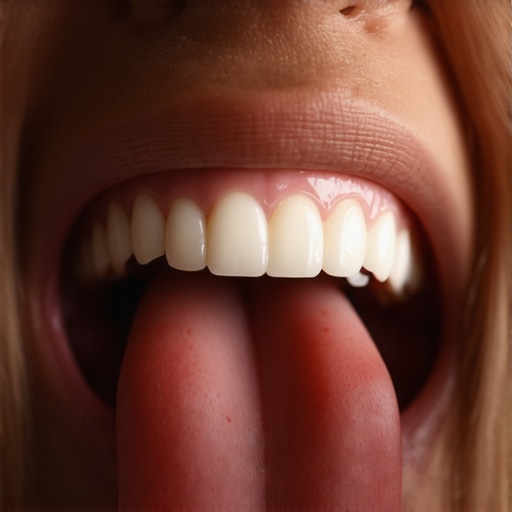
Ever had that frustrating moment when you breathe out after your daily flossing session, only to be greeted by the same stale smell? I remember countless mornings when I’d think, “Did I forget to brush? Is there something wrong with my mouth?” Despite diligently flossing, using mouthwash, and even trying to breatheless inhale, that persistent odor refused to go away. It felt like my breath had a mind of its own, sticking stubbornly around no matter what I did. That lightbulb moment hit me: I was focusing too much on the surface, ignoring the deeper reasons behind my breath’s stubborn stale scent.
The Real Reason Your Breath Stays Stale—And How to Fix It
Is Flossing Really Enough to Keep Bad Breath at Bay?
At first, I believed that flossing was the ultimate fix. Flossing is crucial—removing particles between teeth prevents decay and gum disease. But I made a common mistake early on: thinking that flossing alone would eliminate all sources of bad odor. Fact is, bacteria lurking beneath the gum line and on the tongue are often the main culprits that keep your breath sour, even after you brush or floss. According to the American Dental Association, halitosis often originates from bacteria in the mouth that produce sulfur compounds—these little nasties hide where toothbrushes often don’t reach, like under the gums and on the tongue.
So, if you’re like me and have been tackling stale breath with a toothbrush and floss alone, you might be missing a crucial step—cleaning your tongue thoroughly or addressing underlying issues like dry mouth or dental infections.
Stay tuned, because I’m going to share practical, easy-to-follow steps that transformed my morning breath from cringeworthy to fresh, and I bet they will do the same for you. If you’ve faced this paradox of fresh-looking teeth but stinky breath, you’re not alone. Let’s unravel the mystery and get to a breath that truly reflects your healthy smile.
Start with a Tongue Scrape and Deep Clean
During my own journey to fresher breath, I adopted a simple but effective technique: scraping my tongue every morning. Using a tongue scraper—think of it as brushing off the bacteria and dead cells that harbor odorous compounds—made an immediate difference. Place the scraper at the back of your tongue, gently pull it forward, and rinse. This removes the sulfur-producing bacteria that hide where toothbrushes often miss, significantly reducing bad breath.
Incorporate Regular Flossing and Targeted Brushing
Master the Technique
Flossing isn’t just about removing food particles; it’s about disrupting bacterial colonies between teeth. Use a waxed floss to glide gently between your teeth, curving into each side and moving up and down. Pair this with a soft-bristled toothbrush, angling it at 45 degrees towards the gum line, and brush for at least two minutes. Remember, consistency is key—set a reminder if needed. I once missed a night and noticed that my breath returned to its old, stubborn odor within hours.
Brighten Your Smile with Expert Whitening
After establishing a solid cleaning routine, I focused on whitening. Over-the-counter strips worked temporarily, but I wanted lasting results. Visiting a professional dentist for in-office whitening provided dramatic improvements. Think of it like polishing a car: a little extra effort yields a sparkling result. Check out these whitening secrets for more tips on maintaining brightness after treatment.
Address Deep-Seated Issues with Restorations or Alignment
Sometimes, stubborn odor persists despite excellent hygiene. This often indicates underlying issues like damaged enamel, crooked teeth, or old restorations trapping bacteria. Consider options like veneers—thin shells bonded to your teeth to mask imperfections—or Invisalign, which aligns teeth to prevent food trapping and make cleaning easier. I particularly remember seeing a family friend improve her breath and confidence after opting for veneers. Explore Veneers vs. Crowns to understand the best fit for your needs.
Maintain and Protect with Regular Professional Care
Even the best routines benefit from periodic checkups. Regular visits allow dentists to detect issues like gum disease or dry mouth, which can trap bacteria and cause odor. Scheduling routine cleanings is as crucial as daily hygiene. When I started seeing my dentist every six months, noticeable improvements in breath freshness and overall oral health became consistent. For guidance on caring for your family’s smiles, visit family dentistry tips.
Use Targeted Products for Enhanced Results
Complement your routine with products designed to combat bad breath—antimicrobial mouthwashes or whitening gels. Just ensure these are alcohol-free to prevent dry mouth, a common cause of persistent odor. Additionally, staying hydrated promotes saliva production, which naturally cleanses the mouth. Remember, what you do at home is crucial, but professional treatments often offer the biggest leap forward—consider consulting your dentist about options like in-office whitening or sealants that guard against bacteria infiltration.
By systematically applying these steps—thorough tongue cleaning, consistent flossing and brushing, targeted whitening, addressing underlying issues, and professional maintenance—you can finally conquer that persistent stale breath. It’s about tackling the root rather than just masking it, similar to replacing a faulty part in a machine instead of just cleaning the surface. Your journey to fresher, brighter breath starts with action, not just hopes.Many people believe that teeth whitening, veneers, and Invisalign are straightforward solutions for perfect smiles. However, as a dental expert, I can tell you that misconceptions abound, and understanding the nuances can save you time, money, and disappointment. For instance, a common myth is that all whitening treatments work equally well for everyone. In reality, the effectiveness depends on the type of stain and enamel health. According to a 2022 study published in the Journal of Dentistry, over-the-counter whitening can cause sensitivity if your enamel is thin or compromised, making professional supervision essential.
Don’t Fall for the One-Size-Fits-All Solution
Many clients assume veneers are permanent fixes for cosmetic flaws. While they can be durable, improper selection or installation can lead to issues like discoloration or chipping within a few years. Choosing the right type of veneer—porcelain versus composite—and understanding their maintenance requirements is crucial. A mistake some make is thinking veneers are just for whitening; in fact, they can mask underlying misalignments or damage, but they don’t correct biting issues or jaw problems, which might require orthodontic intervention.
Invisalign: The Path to Perfect Alignment—or Is It?
Many believe Invisalign is an effortless substitute for traditional braces. While it offers discreetty and convenience, advanced cases with significant misalignment might not be suitable for clear aligners. Moreover, compliance is key—wearing them less than the prescribed hours undermines results. One trap to avoid is neglecting the custom attachments that help with complex movements; missing these can delay progress. For those considering Invisalign, explore the latest innovations and whether they fit your specific needs by checking out Invisalign secrets.
Beyond misconceptions, there are hidden nuances that could make or break your treatment. For example, overly aggressive bleaching can weaken enamel and cause sensitivity, which is why it’s critical to seek professional guidance. Similarly, veneers are not a quick fix for all cosmetic concerns—they require careful planning and sometimes, additional procedures like gum contouring for optimal results. Remember, the goal is not just a white smile but a healthy, functional one.
Are you making any of these common mistakes? Ensuring you have realistic expectations backed by expert advice can dramatically improve your outcome. For personalized assessments, don’t hesitate to reach out to my team. Ready to dig deeper into your dental options? Share your experiences or questions below. Your perfect smile begins with informed choices.
Maintain Your Dental Transformation with Precision Tools
When it comes to preserving the results of your smile makeover—be it whitening, veneers, or aligner therapy—having the right tools can make all the difference. I personally rely on a combination of high-quality electric toothbrushes and specialized cleaning devices to ensure long-term success. For daily cleaning, I swear by the Sonicare DiamondClean, which uses sonic technology to reach deeper into gum pockets and along the gum line, effectively disrupting plaque and bacteria that cause decay and staining. Its timer and customizable settings help me maintain proper brushing duration, critical for protecting restorations like veneers and crowns.
For targeted plaque removal and maintenance of orthodontic appliances such as Invisalign aligners, I use interdental brushes like the TePe Interdental Brush. These small, flexible tools effortlessly access tight spaces between teeth, especially around attachments or bonded veneers. Regularly cleaning your aligners with an FDA-approved denture cleaner, like Retainer Brite, not only prevents odor but also precludes bacteria buildup that can undermine your treatment progress. The key is consistency—integrate these into your daily routine to sustain your beautiful results.
Tools That Keep Results Looking Flawless Over Time
In addition to everyday maintenance, periodic professional approaches are vital to ensure longevity. For instance, utilizing laser desensitization treatments can help protect your enamel after whitening sessions—something I recommend, given the findings published in the Journal of Esthetic & Restorative Dentistry in 2022, which highlight laser therapy’s role in reducing post-whitening sensitivity and strengthening enamel. Such advanced techniques safeguard your investment, making sure your radiant smile endures.
Another tool I advocate for at-home upkeep is an ultraviolet sanitizing box for your dental appliances. Studies, such as the one from the Academy of General Dentistry, show UV sterilization effectively reduces microbial contamination, preserving oral health and preventing discoloration or deterioration of restorations.
How do I keep my smile work in top shape over time?
Staying proactive requires a combination of smart tools and regular professional assessments. Schedule biannual checkups with your dentist to catch any early signs of wear, gum issues, or micro-fractures in veneers or crowns. During these visits, ask your dentist to evaluate the integrity of any bonds or restorations and consider periodic polishing to maintain their luster. Incorporating a mouthwash specifically formulated for sensitivity and bacterial control can also complement your routine, especially if you’ve had extensive work like veneers or Invisalign. Check out these expert whitening strategies to keep your smile dazzling.
In future, I predict technological advancements will introduce smarter, AI-driven oral hygiene devices that monitor your brushing habits and provide real-time feedback. Imagine a toothbrush that communicates with your smartphone, tracking plaque levels and recommending specific movements—making maintenance even more personalized and effective. For now, committing to using high-grade electric toothbrushes, interdental tools, and professional evaluations can dramatically extend your aesthetic results.
If you’re serious about lasting your smile enhancements, I recommend adopting these tools into your daily routine and discussing long-term maintenance plans with your dentist. For tailored advice or to explore innovative options, reach out via this contact page.
Lessons That Changed My Dental Journey
One of the toughest lessons I learned was that flawless teeth don’t guarantee fresh breath. Early on, I focused solely on whitening and veneers, thinking a brighter smile would automatically mean better odor control. The truth is, neglecting tongue hygiene and underlying oral health can undo all superficial improvements. It took personal experience to realize that comprehensive care—like regular deep cleanings and addressing dry mouth—makes all the difference.
Another insight was understanding the limitations of DIY kits. While tempting, over-the-counter whitening products can weaken enamel if misused, especially without professional guidance. Trusting expert advice saved me from unnecessary sensitivity and prolonged the longevity of my results. It’s a reminder that investing in professional treatments and personalized plans yields lasting benefits.
The most profound lesson was seeing how structural issues impact breath health. Crooked teeth or deteriorated restorations can harbor bacteria, making routine hygiene insufficient. Correcting alignment with Invisalign or restoring damaged teeth with veneers not only improves aesthetics but also creates a healthier environment for your mouth. This holistic approach transformed my confidence and breath freshness alike.
Gear Up with My Go-To Dental Tools
For consistent maintenance, I rely heavily on my Sonicare DiamondClean electric toothbrush—it ensures thorough cleaning beyond manual reach and keeps my restorations spotless. For interproximal cleaning, interdental brushes like TePe have become essential, especially around bonded veneers or braces. I also swear by FDA-approved retainer cleaners such as Retainer Brite; they keep my aligners odor-free and bacteria-controlled. These tools, combined with regular dental visits, maintain my smile’s health and brilliance.
In addition, laser desensitization treatments after whitening sessions have helped me prevent sensitivity issues and extend my results. Using UV sterilization boxes for my dental appliances ensures they stay hygienic and last longer, thanks to studies supporting their effectiveness. The key is consistency—integrating these tools into daily habits ensures my smile remains vibrant and healthy over time.
Planning routine checkups allows early detection of issues like micro-fractures or gum recession, maintaining both function and appearance. Pairing professional evaluations with at-home hygiene tools creates a synergy that preserves my investment in my smile. Embracing these habits has made a noticeable difference in my confidence and dental longevity.
Foresight That Keeps Your Smile Radiant
Looking ahead, I believe advancements like smarter toothbrushes equipped with AI capabilities will revolutionize oral care. Imagine devices providing real-time feedback on technique or detecting early signs of enamel wear. Meanwhile, staying informed with trusted resources—such as expert-reviewed blogs and the latest studies—helps me adapt my routine proactively. Remember, your journey to a fresh and healthy smile is ongoing, and embracing innovation combined with expert advice makes all the difference.
Don’t wait for problems to arise; taking charge today ensures long-term success. Investing in quality tools and professional guidance not only empowers your oral health but also boosts your confidence. Your fresh breath and radiant smile are within reach—start today and enjoy the journey towards your best smile yet.