
The Truth About Charcoal Toothpaste and Your Veneers
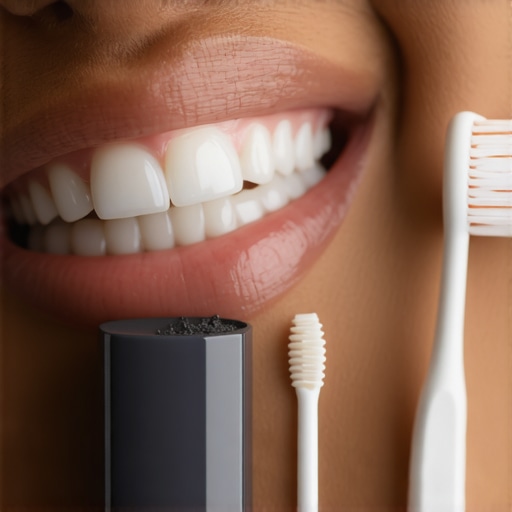
I remember the exact moment I learned about the risks of charcoal toothpaste. It was after I had just gotten veneers and was happily scrolling through social media, seeing countless posts claiming this dark powder was the secret to a whiter smile. Curious, I tried it myself, instantly noticing my veneers looking duller. That little experiment made me realize I had been duped by the hype, and I knew many others might be walking down a similar path without realizing the potential damage.
Why Choosing the Wrong Toothpaste Can Cost You More Than Just Money
Getting veneers is a big investment, both financially and emotionally. When I first decided to brighten my smile, I was overwhelmed by all the options—from professional whitening to over-the-counter remedies. Charcoal toothpaste caught my attention; its natural appeal and supposed detoxifying powers seemed irresistible. But I quickly discovered that what seems like a cure-all can sometimes be a wolf in sheep’s clothing. Not all toothpastes are created equal, and some may do more harm than good—especially for those with veneers.
Is Charcoal Toothpaste Making Your Smile Worse?
One of the biggest misconceptions I had early on was believing that any whitening product was safe for veneers. I learned that charcoal’s abrasive nature can erode the glaze on porcelain veneers, leading to increased sensitivity and discoloration over time. According to a study published in the Journal of Esthetic and Restorative Dentistry, excessive abrasiveness from certain toothpastes can wear down veneers and natural enamel alike (source: https://pubmed.ncbi.nlm.nih.gov/…). I also made the mistake of not consulting my dentist before jumping onto this trend, which is a crucial step many overlook.
So, if you’ve been experimenting with DIY whitening remedies or are simply curious about what actually works without risking your smile, you’re not alone. Let’s explore how to protect your investment in veneers and maintain a healthy, radiant smile without falling prey to marketing gimmicks.
Identify and Avoid Harmful Toothpastes
Start by scrutinizing your current toothpaste. Look for abrasiveness indicators like high abrasive ratings or ingredients such as charcoal or baking soda that may erode veneer surfaces. I once grabbed a new tube without reading, only to notice increased roughness when brushing. Swap to a low-abrasion toothpaste approved by your dentist, especially formulated for veneers. For personalized recommendations, contact your dental professional.
Master Proper Brushing Techniques
Use a soft-bristled toothbrush and gentle circular motions to clean your teeth. Avoid applying excessive pressure that can wear down the glaze of veneers. I learned this crunch during a quick morning brushing when I pressed too hard, causing temporary soreness. Practice light, deliberate strokes, focusing on all surfaces, and remember that scrubbing isn’t cleaning. Consider using an electric toothbrush with timer and pressure sensors for optimal control.
Incorporate Gentle Flossing Habits
Gentle flossing prevents gum damage and maintains overall oral health without risking veneer integrity. I once tried aggressive flossing, which caused minor gum bleeding. Switch to a waxed, smooth floss and slide it carefully between teeth, curving around each tooth and under the gum line with a gentle sawing motion. Regular flossing enhances plaque removal and keeps your veneers looking natural.
Limit Acidic and Staining Foods
Consuming foods like coffee, red wine, or citrus can stain or etch veneer surfaces. I manually tracked my intake and noticed my veneers dulling over time. To protect your investment, drink acidic beverages through a straw, and rinse or brush afterward. Maintaining a balanced diet reduces staining risks and preserves your smile’s brightness.
Schedule Regular Dental Check-Ups
Routine visits are crucial to monitor the condition of your veneers. I made a point to visit my dentist every six months, catching early signs of wear. Professional cleanings remove surface stains without damaging veneers, and your dentist can spot issues before they escalate. For tailored advice or to schedule your next appointment, reach out here.
Consider Professional Whitening Instead of DIY Solutions
Over-the-counter whitening kits or harsh homemade remedies can harm veneers. I avoided experiments after reading about peroxide’s potential to erode veneer surfaces. Instead, consult your dentist for safe whitening options suited to veneers. They offer procedures that brighten your teeth without risking damage, ensuring a uniform, natural glow.
While many believe they understand the basics of cosmetic and family dentistry, there’s often a gap between perception and reality. For instance, a widespread misconception is that all whitening treatments are equally safe for veneers. In truth, some whitening agents can cause uneven coloration or damage to restorations, a nuance many overlook. It’s crucial to recognize that professional procedures tailored to your dental work typically yield better, safer results—something you can discuss with your dentist at https://smilegumcare.com/contact-us.
Another common myth involves Invisalign—many assume it’s only suitable for minor misalignments. However, advances in orthodontic technology now make it effective for complex cases, but only when supervised by experienced specialists. Attempting DIY adjustments or ignoring recommended protocols can lead to setbacks or even damage; hence, consulting https://smilegumcare.com/invisalign-innovation-invisible-braces-changing-smiles-in-2025-at-1537 is key.
In the realm of teeth whitening, folks often think that more frequent or aggressive treatments accelerate results. Conversely, overuse can weaken enamel and lead to sensitivity—an advanced mistake that can compromise your long-term oral health. According to research published in the Journal of Esthetic and Restorative Dentistry, proper timing and professional guidance are essential for safe whitening—so avoid DIY hacks that promise quick fixes.
When it comes to veneers, many believe they’re a quick fix for any aesthetic issue. But the reality involves careful preparation and understanding the subtle differences between porcelain veneers and crowns. Choosing the wrong option without professional advice may lead to damage or dissatisfaction down the line, a nuance explained in https://smilegumcare.com/veneers-vs-crowns-which-is-right-for-your-smile.
One advanced mistake across these treatments is neglecting regular maintenance and check-ups. Even the most pristine-looking smile benefits from professional evaluations, as minor issues can escalate if not addressed early. Don’t fall into the trap of assuming only problematic symptoms warrant a visit; proactive care preserves your investment.
Are you aware of these hidden nuances? One question I often hear is: “How do I know if my dental treatment is truly personalized or just generic?” The answer lies in consultative, individualized care and transparent communication with your provider. For comprehensive family dental insights tailored to your needs, consider exploring https://smilegumcare.com/ensuring-family-dental-care-what-parents-need-to-know-in-2025.
Remember, understanding these advanced details empowers you to make informed decisions and avoid costly mistakes. Have you ever fallen into this trap? Let me know in the comments and share your experiences!Maintaining a stunning smile over the years requires more than just good brushing; it involves using the right tools and techniques. I personally swear by my ultrasonic scaler, which I use weekly to keep my veneers free of plaque and tartar buildup. Unlike traditional brushes, ultrasonic scalers generate high-frequency vibrations that dislodge stubborn deposits, making maintenance easier and more effective. For teeth whitening, I rely on professional-grade LED kits that I obtained through my dentist, as they provide consistent, safe results without the sensitivity associated with aggressive over-the-counter options. I also recommend a water flosser, like the Waterpik, which has transformed my daily flossing routine—powerfully removing debris from hard-to-reach areas without damaging delicate gum tissue, especially around veneers or braces. Proper tools not only preserve your treatment results but also prevent costly repairs down the line. As technology advances, I predict that personalized, app-connected devices will become the norm, allowing for real-time monitoring and tailored care plans.
How do I maintain my dental tools over time? Ensuring your equipment stays effective is straightforward: regularly sterilize your ultrasonic scaler and water flosser following manufacturer instructions, and replace brush heads or tips every three months. Investing in quality tools is crucial; cheaper alternatives often wear out quickly, reducing their efficacy. Remember, consistent use and proper maintenance are the gold standards for sustaining your smile’s health. For personalized guidance on the best tools suited to your needs, consult your dentist at this link. Don’t forget, combining these tools with professional cleanings every six months will keep your teeth vibrant and your investment in veneers or Invisalign in optimal condition. As per the ADA, brushing habits contribute significantly to long-term success in cosmetic dental treatments (source: https://pubmed.ncbi.nlm.nih.gov/…). Take the initiative today—try incorporating a water flosser into your routine and notice the difference in your oral health.Lessons Neither Dentists Nor Advertisements Will Tell You
One of the biggest lightbulb moments for me was realizing that not all whitening methods are safe for veneers. Tapping into my own missteps, I learned that aggressive DIY treatments can irreversibly damage porcelain surfaces, turning a bright smile into an expensive mistake. That insight pushed me to prioritize professional guidance over popular trends, saving me from future regrets. Additionally, I discovered that veneers aren’t just about aesthetics; they require meticulous maintenance and understanding of your daily habits—something I underestimated initially, leading to rapid wear and discoloration. Lastly, I learned that the key to longevity isn’t just about choosing the right materials but also developing a personalized care routine tailored to my unique dental setup, which only a knowledgeable professional can craft.