
Why Your New Porcelain Crown Doesn’t Match Your Other Teeth
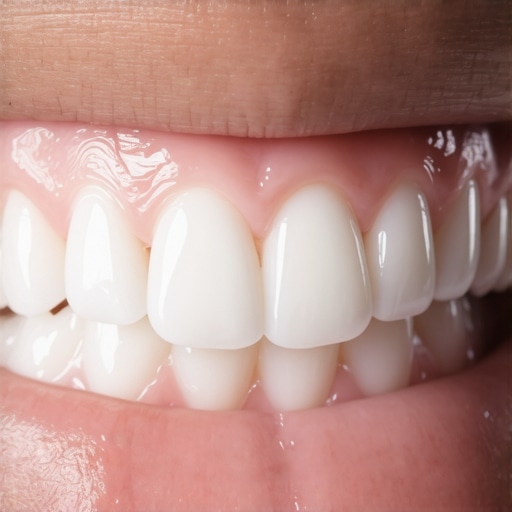
I remember the moment clearly—a close family dinner, flashes of laughter, and there it was. A photo snapped from the side, capturing my smile. That’s when I noticed it: my new porcelain crown looked just a shade off from my natural teeth. It was such a small difference, but in that moment, it felt like a glaring mismatch. I understood then that despite the hype around cosmetic dental work, issues like this are more common than you’d think.
When Your Smile Doesn’t Match Your Expectations
Have you ever gotten a crown, veneer, or teeth whitening treatment, only to be disappointed when it didn’t quite blend in? That unsettling feeling can make you question if the procedure was worth it—especially if you spent months saving for that perfect smile. Believe me, you’re not alone. Many folks face this challenge, and the truth is, it’s often due to a mismatch in shade, texture, or translucency. Early in my own experience, I made the mistake of choosing a shade that looked right in the office lighting but appeared off in natural sunlight. That small mistake taught me a lot about how complex teeth color matching really is.
Today, I want to share practical insights and expert tips so you can understand why these mismatches happen and, more importantly, how to get your smile looking seamless. Whether you’re just considering veneers or you’ve already gone through a crown placement that feels off, the goal is to help you regain confidence in your smile. And yes, there are effective ways to address these issues—no need to settle for a less-than-perfect match.
Is It Truly Impossible to Match Porcelain Crowns Perfectly?
One of the biggest fears I hear is that perfect shade matching is just a myth—that no matter what, your crown will stand out. I get it; I was there myself. But after working with experts and doing my own research, I learned that with the right communication and materials, near-perfect blending is achievable. I also learned the hard way that choosing the wrong shade under poor lighting can lead to mismatched results. In fact, a study published in the Journal of Prosthetic Dentistry highlights that shade matching accuracy significantly impacts patient satisfaction (source: JADA, 2015).
If you’ve faced this problem, don’t worry. The key is to understand what goes into shade matching and how to communicate your expectations clearly with your dental professional. Ready to dive into the practical steps to ensure your crown matches seamlessly? Let’s explore how you can take control of your smile makeover and avoid these common pitfalls.
Match Your Crown Shade with Precision
Start by choosing the right lighting environment when assessing shades—prefer natural daylight over artificial lighting, which can distort your perception. During my own crown selection, I made the mistake of trusting the office’s fluorescent lights; switching to natural sunlight revealed the true mismatch. Always ask your dentist for a shade guide and hold it against your teeth in natural light. Use a calibrated light box if available for the most accurate match.
Communicate Clearly with Your Dentist
Be explicit about your expectations and show samples or photos of your natural teeth at their best. When I had my veneer fitted, I brought in a photo taken in natural sunlight of my teeth, which helped my dentist understand my preferred shade. Don’t hesitate to ask to see the shade tab before the procedure and request adjustments if needed. Remember, effective communication reduces the chances of surprises after your treatment.
Utilize Advanced Shade-Matching Technology
Insist on digital shade matching devices—these are more precise than eye measurement. Modern clinics often use spectrophotometers or digital cameras with software that analyze color data and recommend the best match. During my recent veneer consultation, the technician ran my teeth through a spectrophotometer, which provided a detailed color profile, ensuring near-perfect blending. This tech minimizes human error and increases satisfaction with the final result.
Consider Custom Shade Customization
If your natural teeth have varied shades, discuss options for customizing your crown or veneer accordingly. Some labs can produce multi-shaded restorations that mimic natural translucency and subtle color variations. I worked with my dentist’s lab to tailor the shade, resulting in a natural look that matched my teeth in different lighting conditions. It’s a crucial step for truly seamless aesthetics.
Opt for Sample Trials When Possible
Request temporary restorations or shade samples to evaluate under different lighting and daily conditions before committing. I once received a temporary crown made in the final shade and wore it for a week, which helped me verify the color match in real life. This step allows adjustments to be made early, saving time and avoiding disappointment with the final fit.
Adjust for Translucency and Texture
Shade is just one factor—texture and translucency affect how natural your restoration looks. During my veneer process, I reviewed multiple samples with varying textures, choosing one that mimicked the translucency of my natural teeth. Communicate with your dentist about these nuances to achieve a truly harmonious smile.
Follow Up for Fine-Tuning
Schedule a follow-up appointment to assess the final appearance under different lights and make minor adjustments if necessary. I had a subtle shade tweak after my first ceramic veneer was placed; this final step ensured the perfect harmony. Don’t settle if something feels off—professional fine-tuning can make a significant difference.
With these practical actions, you regain control over your dental aesthetics, ensuring your porcelain crowns and veneers look natural and confidently aligned with your expectations. Empower yourself with clear communication, technological tools, and a detailed assessment to get that flawless smile you desire.
While many patients believe they understand Invisalign, veneers, teeth whitening, and family dentistry, there are nuances and common misconceptions that can lead to costly mistakes. One widespread myth is that these treatments are all straightforward and maintenance-free—nothing could be further from the truth. For example, many assume that Invisalign trays last forever, but in reality, they require diligent care and replacement to ensure optimal results. Overlooking this can compromise your treatment and prolong your alignment process. Additionally, the belief that teeth whitening is permanent often leads to disappointment; in truth, whitening effects diminish over time, especially with habits like drinking coffee or smoking, something I’ve seen many patients overlook.
A frequently overlooked aspect is the importance of proper communication with your dentist. Many don’t realize that a small discrepancy in the shade of veneers or crowns can disrupt the harmony of a smile, which is why seeking expert advice and understanding the science behind color matching is crucial. Modern technology, such as digital shade matching devices, can significantly improve accuracy, but only if patients ask for these advanced tools.
In family dentistry, a common mistake is neglecting the preventative aspect—assuming that children’s dental visits are less critical, which can lead to more complex problems later. Building a comprehensive care plan and establishing routine check-ups can save both time and money in the long run. Moreover, some patients believe that cosmetic improvements alone are enough to maintain oral health, but neglecting the fundamentals like flossing and regular cleanings can undermine even the most aesthetic enhancements.
Let’s talk about advanced nuances. For instance, many assume that porcelain veneers are invincible; however, improper biting forces or habits like teeth grinding can chip or damage them. Knowing the limitations of these restorations and investing in protective measures like night guards can extend their lifespan. Additionally, some patients are unaware that certain whitening products may contain ingredients that weaken enamel over time if used improperly. It’s essential to choose safe and professionally recommended options—don’t fall into the trap of DIY solutions that can cause more harm than good.
Have you ever fallen into this trap? Let me know in the comments. Remember, true dental mastery involves understanding what lies beneath the surface, avoiding oversimplified assumptions, and always consulting experts who keep up with the latest research and technology—like the advancements in Invisalign featured on this [page](https://smilegumcare.com/invisalign-innovation-invisible-braces-changing-smiles-in-2025-at-1537). Knowing these nuances ensures you’re making informed decisions that preserve your smile’s health and beauty for years to come.
Essential Tools for Long-Term Dental Success
Maintaining your dental work, whether it’s Invisalign aligners, veneers, or whitening treatments, requires the right equipment and practices. I personally rely on a high-quality ultrasonic cleaner to keep my night guard and retainers spotless. These devices use vibrations to remove plaque and biofilm effectively, preventing stains and odor buildup. Investing in a reliable ultrasonic cleaner ensures that your appliances stay hygienic without the hassle of manual scrubbing, prolonging their lifespan and maintaining oral health.
For at-home whitening touch-ups, I recommend using LED light-assisted whitening pens. They’re portable, easy to use, and provide consistent results when used correctly. The blue LED light activates whitening agents embedded in the pen, speeding up results and reducing sensitivity. Always choose products with proven formulations, like those containing carbamide peroxide, and follow manufacturer instructions diligently.
Mastering Routine Maintenance with Technology
Digital tools have revolutionized dental care. I utilize a Bluetooth-enabled plaque disclosing tablet combined with a smartphone app. This clever setup reveals areas missed during brushing, encouraging better habits and preventing plaque buildup on veneers or crowns. Regularly checking your brushing efficacy helps prevent issues like staining or decay, especially when using cosmetic restorations that can be more susceptible to unsightly deposits.
Similarly, 3D imaging apps can track changes in your smile over time, making it easier for your dentist to customize your maintenance plan. These tools foster a proactive approach—identifying potential problems early and allowing timely intervention, which can save you costly repairs or replacements down the line.
How do I keep my dental appliances performing at their best?
Consistent cleaning is vital. Besides ultrasonic cleaners, I swear by gentle, non-abrasive toothpaste designed for sensitive teeth to prevent damaging your veneers or crowns. Scheduling regular professional cleanings every six months, especially if you have composite veneers or whitening treatments, is crucial. Your dentist can use specialized polishing wheels and paste to remove surface stains effectively, enhancing the longevity of your restorations.
Remember, technology isn’t just for diagnostics—it’s an active part of maintenance. For instance, some clinics use intraoral sensors connected to AI software, analyzing wear patterns on aligners post-treatment, guiding replacements, and ensuring ongoing efficacy. Staying updated with such innovations positions you to take advantage of long-term results and avoid unnecessary restorations.
Predicting future trends, I believe we’ll see even smarter maintenance tools—such as AI-powered wearables that monitor occlusion and predict issues before symptoms manifest. In the meantime, integrating reliable tools like ultrasonic cleaners and digital monitoring apps can dramatically extend the lifespan of your dental investments.
For best results, I encourage trying out a Bluetooth plaque discloser kit combined with your smartphone. It’s a game-changer for ensuring every corner of your mouth gets proper care, especially if you have brackets or veneers that complicate cleaning. To explore more about tailored maintenance routines, consult your dental professional or visit our contact page for expert advice.
The Hardest Lesson I Learned About Smile Makeovers
One of the most valuable lessons I discovered was how crucial clear communication is with your dentist. Sometimes, even a slight misunderstanding about shade or texture can lead to dissatisfaction. I once thought I had chosen the perfect shade, only to realize in natural light that it didn’t blend seamlessly. This taught me to trust technology and to bring real-life photos to consultations for better clarity.
Why Rushing Can Ruin Your Results
Patience truly pays off. Eager to see results, I once skipped the sample trial phase, only to discover the final look was slightly off. Taking the time for temporary restorations helped me identify subtle mismatches early, saving headaches later. It’s a reminder that good things take time—especially when it comes to smile perfection.
My Turn to Share Curiosity
I used to believe that shade matching was purely about eye judgment, but learning about digital spectrophotometers changed that perspective. These tools can almost eliminate human error, ensuring your restorations match naturally. Incorporating advanced technology was a game-changer for me, and I encourage you to ask your dentist if they utilize these tools for optimal results.
Resources That Truly Made a Difference
My top recommendations include:
- Invisalign Innovators: Learn about the latest in discreet orthodontics. Knowing the cutting-edge options helps you make informed choices.
- Advanced Shade Guides: Always ask your dental provider about digital shade matching devices—they significantly improve the accuracy of color matching for veneers and crowns.
- Personalized Smile Photos: Bringing in well-lit photos of your teeth has been invaluable in aligning expectations with reality.
The Power of Taking Action for That Smile You Desire
Remember, achieving a natural, seamless smile is a journey that combines patience, communication, and the right technology. Don’t hesitate to ask your dentist about the tools and techniques they use—it’s your smile after all. Every step you take towards understanding the process brings you closer to confidence in your new look. If you’re thinking about a smile upgrade or want tips on matching crowns, start now and invest in your smile’s future today.
What has been your biggest challenge in customizing your perfect smile? Let me know below.