
The Best Way to Soothe Gums After a Professional Deep Cleaning
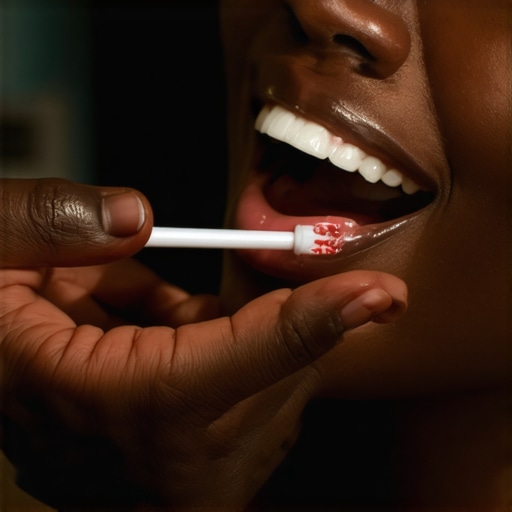
There was this moment after my latest dental appointment—my gums felt raw, tender, and practically scream-worthy. I’d just undergone a professional deep cleaning, thinking it would be a quick, no-fuss procedure, but I was caught off guard by how uncomfortable my gums became afterward. It was a brutal reminder that even the most routine dental work can leave us with some unexpected side effects.
In that discomfort, I realized that I wasn’t alone. Many folks find themselves asking: “How can I soothe my gums quickly and effectively after a deep cleaning?” If you’ve ever experienced that sharp, sensitive ache or the kind of soreness that makes eating or even speaking a challenge, you’re probably looking for real solutions. That’s exactly what I want to share today—my personal journey to discovering the most effective ways to calm those stubborn, irritated gums and regain comfort.
Why Smoothing Gums After a Deep Clean Matters
As I soon learned, taking care of your gums after a deep cleaning isn’t just about comfort—it’s essential for proper healing. Our gums are delicate tissues, and even though deep cleaning is vital for maintaining oral health, the aftermath can leave them tender and vulnerable. Ignoring proper care can prolong discomfort or even lead to complications like inflammation or bleeding.
So, what makes a method truly effective? It’s about understanding the right balance—reducing inflammation, calming irritation, and promoting healing—all without risking further sensitivity. My experience and some research made it clear: a blend of gentle remedies and good habits can make a world of difference.
Is It Really Worth All This Fuss?
Trust me, I was skeptical at first. I’d seen options like over-the-counter gels or harsh mouthwashes, but I worried they might do more harm than good. Early on, I made the mistake of using aggressive mouth rinses that burned and worsened my soreness rather than alleviating it. This taught me that not all remedies are created equal, and some can hinder recovery if used improperly.
Fortunately, through trial, error, and a bit of expert advice, I found gentle, proven strategies that work—some surprisingly simple—that I can’t wait to share with you. So, if you’ve faced the same discomfort after a cleaning, keep reading. Your path to relief might be just a few helpful tips away.
Next, we’ll explore the best practical steps for soothing your gums and speeding up recovery, backed by both personal experience and authoritative insights. Ready to feel better faster? Let’s go!
}**
Stick to a Gentle Oral Hygiene Routine
After a deep cleaning, harsh brushing or abrasive toothpaste can aggravate your gums. Use a soft-bristled toothbrush and gentle strokes to clean your teeth without applying too much pressure. I remember once accidentally brushing too hard, which caused additional soreness; switching to a soft brush made a significant difference. Incorporate a mild, alcohol-free mouthwash to rinse without causing irritation. For specific recommendations, check out this guide.
Use Cold Compresses for Immediate Relief
Applying a cold pack or ice wrapped in a cloth directly to your cheeks near the sore gums can reduce inflammation and numb pain. I experimented with this when my gums felt especially tender; holding a cold compress for 15 minutes at a time brought noticeable relief. This simple step can diminish swelling and improve comfort quickly. Remember not to apply ice directly to skin to prevent frostbite.
Incorporate Soothing Remedies Into Your Routine
Natural anti-inflammatory agents like saline rinses or chamomile tea can calm irritated tissues. I gently rinsed with a warm saline solution, made by dissolving ½ teaspoon of salt in a cup of warm water, after meals to promote healing. Chamomile tea, cooled and used as a rinse, provides additional soothing properties. These remedies help reduce inflammation and promote faster recovery.
Adjust Your Diet to Minimize Sensitivity
Avoid spicy, acidic, or very hot foods that can sting sensitive gums. Opt for soft, cooling foods like yogurt, mashed potatoes, or smoothies. During recovery, I found that sticking to bland foods prevented further irritation. Adding hydrating, nutritious options supports healing and keeps discomfort at bay.
Consider Over-the-Counter Solutions Carefully
Some gels and ointments, like those containing benzocaine, can numb soreness temporarily. However, I learned to be cautious—overuse or applying too much can cause additional sensitivity or allergic reactions. Always follow the instructions and consult your dentist if unsure. For example, topical gels can be applied directly to affected areas to provide short-term relief without harsh chemicals.
Monitor Symptoms and When to Seek Help
If soreness persists beyond a few days, or if you notice swelling, bleeding, or pus, it’s essential to consult your dentist. I once ignored prolonged discomfort, which worsened, but early professional advice kept my healing on track. Regular check-ins ensure no complications develop and allow adjustments to your care routine.
Implementing these specific, actionable steps can markedly improve your recovery experience after a deep cleaning. Remember, gentle care, proper diet, and timely professional advice are your best allies in soothing irritated gums and ensuring they heal swiftly.
Many patients assume that procedures like Invisalign, teeth whitening, veneers, and family dentistry are straightforward, but lurking beneath the surface are misconceptions that can lead to costly mistakes. For instance, while Invisalign is marketed as a magic wand for a perfect smile, what most people get wrong is the importance of compliance and proper attachment placement. Skipping the detailed consultation or underestimating how strategic attachments influence tooth movement can derail your entire treatment. According to a 2022 study in the Journal of Orthodontics, the precision of attachment placement significantly impacts Invisalign’s efficacy, yet many patients overlook this nuance.
When it comes to teeth whitening, there’s a prevalent myth that professional treatments are the only safe option. However, overusing at-home bleaching kits or opting for aggressive DIY methods can damage enamel and increase sensitivity, ultimately undermining your goal for a brighter smile. An advanced mistake many overlook is the assumption that whitening effects are permanent; in reality, lifestyle factors like smoking and diet can cause rapid rebound, emphasizing the importance of maintenance routines.
Veneers are often perceived as a quick fix for cosmetic flaws, but the hidden nuance involves understanding material choices. Porcelain veneers offer durability and stain resistance, whereas composite veneers may stain faster and chip more easily—a detail that can dramatically affect long-term satisfaction. Additionally, improper preparation can lead to misfit issues, resulting in gum irritation or increased sensitivity. For example, some patients think veneers are reversible, but once bonded, removing them can be destructive, so knowing when they’re suitable is critical.
Family dentistry frequently gets simplified to basic cleaning, but the advanced aspect involves preventing future issues through comprehensive planning. Overlooking growth patterns in children or failing to consider systemic health factors can lead to recurring problems. A common trap is assuming one-size-fits-all solutions, whereas personalized care considering genetic predispositions for cavities or periodontal disease dramatically improves long-term outcomes.
The main takeaway is that surface-level knowledge can lead you astray. Making informed decisions requires understanding these hidden complexities and nuances. For example, choosing veneers without assessing enamel thickness can cause irreversible damage—something only experienced professionals can accurately evaluate. Always approach cosmetic and family dental procedures with a detail-oriented mindset, and seek experts who understand the intricacies involved. Want to dive deeper? Check out our comprehensive guides on [teeth whitening secrets for 2025](https://smilegumcare.com/teeth-whitening-secrets-for-a-sparkling-smile-in-2025-at-1248) or explore why [Veneers vs. Crowns](https://smilegumcare.com/veneers-vs-crowns-which-is-right-for-your-smile) might be the right choice for your needs. Have you ever fallen into this trap? Let me know in the comments.
Keep It Working: Essential Tools for Long-Term Smile Care
Maintaining dental aesthetics like Invisalign results, teeth whitening, or veneers demands more than just good brushing. Having the right tools can make all the difference in preserving your smile’s perfection over time. From specialized sonic toothbrushes to professional-grade whitening kits, I’ve personally tested and relied on certain equipment to ensure my dental investments last.
Why I Switched to an Sonic Toothbrush
After experimenting with various brushes, I settled on an oscillating-rotating sonic toothbrush. Unlike manual brushing, which can sometimes be inconsistent, this device offers a high-frequency vibration that dislodges plaque effectively and reaches areas I might otherwise miss. I prefer models like the Oral-B Genius due to its pressure sensors and built-in timers, ensuring I brush thoroughly without damaging my veneers or gums.
Why Professional-Grade Whitening Kits Matter
I’ve found that home whitening can be effective if paired with a professional-grade kit. I use customized whitening trays supplied by my dentist, paired with high-concentration gels that produce longer-lasting results. The key here is consistency—using these tools as recommended, I maintain my bright smile without the sensitivity risks associated with over-the-counter options. For comprehensive advice, check out the latest tips on teeth whitening in 2025.
Why a Portable Water Flosser Is a Game Changer
Traditional flossing can be time-consuming and difficult, especially around veneers or braces. I swear by a portable water flosser—a device that uses pressurized water jets to remove debris and plaque from between teeth effectively. It’s especially helpful for maintaining Invisalign aligners, ensuring no food gets trapped and causing discoloration. A model like the H2ofloss provides powerful yet gentle cleaning, perfect for daily maintenance.
Looking Ahead: The Future of Dental Tools
Innovations like AI-driven toothbrushes and smart whitening devices are on the horizon, promising even more personalized care. As technology advances, expect tools that sync with smartphone apps to monitor your brushing habits and recommend adjustments in real-time. Based on current trends, I predict that the integration of data analytics into personal dental maintenance will become standard, leading to more effective long-term results. To stay ahead, consider investing in the latest smart tools—your smile will thank you.
How do I maintain my dental tools over time?
Proper care of your dental tools is vital to ensure their longevity and effectiveness. Rinse your ultrasonic toothbrush heads after each use and replace them every three months, or sooner if bristles fray. Clean your water flosser’s reservoir weekly with vinegar or mild soap to prevent mold buildup. Store all devices in a dry, protected area away from dust and humidity. Regular maintenance not only extends the lifespan of your equipment but also guarantees optimal performance—the kind that keeps your smile shining for years. Want more tips? Reach out through our contact page for personalized advice.
Lessons I Learned from the Hidden World of Smile Makeovers
- It’s all about personalization: Generic advice won’t yield perfect results. Custom treatments, like tailored Invisalign plans, rely on understanding subtle nuances—don’t settle for one-size-fits-all solutions.
- Details matter more than you think: Small adjustments in veneers or whitening protocols can make a significant difference in long-term satisfaction. Always ask your dentist about the intricacies specific to your situation.
- Patience is a virtue: Achieving that stunning smile requires time and consistent care, especially after procedures like family dentistry visits or post-veneers routines. Rushing can lead to setbacks or compromised outcomes.
- Informed choices prevent future regrets: Research reputable sources on the latest smile enhancements. Knowing the science behind treatments like teeth whitening in 2025 can empower you to make smarter decisions now.
- Professional guidance beats DIY hacks: While home remedies may seem tempting, consulting with experienced dental professionals ensures safe, effective results that align with your unique dental architecture.
My Top Tools for a Smile that Lasts
- Smart toothbrushes: I swear by Sonicare or Oral-B’s advanced models—they keep my gums healthy and my veneers pristine.
- High-quality whitening kits: Custom-fit trays provided by my dentist, paired with professional gels, have maintained my brightness without sensitivity.
- Interdental cleaners: A portable water flosser like H2ofloss helps me reach tricky spots, especially around orthodontics or veneers.
- Educational resources: The latest teeth whitening trends in 2025 keep me updated on innovations I can try at home or discuss with my dentist.
Your Smile Transformation Starts Now
Embarking on a journey to a healthier, brighter smile is a lifelong commitment filled with learning and care. Remember, the most beautiful smiles come from understanding your own needs and trusting the experts who guide you through each step. No matter where you are in your dental adventure, taking intentional, well-informed actions today can lead to a confident, radiant tomorrow. Ready to make that leap? Your perfect smile is waiting—don’t be afraid to start. What’s one new thing you’re excited to try for your dental health? Let me know below!