
How to Tell if You Need a Root Canal Under an Existing Crown
Ever had that nagging toothache that comes and goes, especially around a crown, and wondered if it’s just sensitivity or something more serious? I remember ignoring the signs at first, chalking it up to spicy foods or cold drinks. It wasn’t until the pain became sharp and persistent that I realized I might need to see my dentist—and it made me question, “Could I really need a root canal under my crown?” That lightbulb moment can be unsettling, but understanding the clues can save you from bigger problems down the line.
Why Identifying Root Canal Trouble Matters Now
The truth is, many of us skip regular dental checkups or dismiss early symptoms because we fear costly treatments or just want to avoid the hassle. But identifying issues early, especially under crowns, can prevent infection spread, extensive decay, or even tooth loss. Quick action not only preserves your natural tooth but also keeps your smile shining bright. Recent studies show that untreated dental infections can lead to severe health complications—so ignoring the warning signs isn’t just bad for your teeth, it’s bad for your health too.
Will Tooth Pain Actually Signal Need for Root Canal?
One mistake I made early on was thinking that minor discomfort meant little. I often ignored mild sensitivity, assuming it was just cold sensitivity from my crown. But, as I learned, pain or sensitivity that persists or worsens is a red flag. These symptoms can indicate nerve damage or deep decay beneath the crown, requiring a root canal. If you’ve experienced similar warning signs, don’t brush them off—early diagnosis is key to saving your tooth.
So, how do you tell if your crown is hiding trouble? Keep reading—I’ll guide you through the signs to watch for and what steps to take next.
Identify the Signs and Act Quickly
First, watch for persistent pain or sensitivity around your crown. I vividly remember noticing a dull ache after eating hot foods and dismissing it, only to realize days later that the pain intensified. This was my cue to consult my dentist promptly. Never ignore ongoing discomfort—waiting can lead to infections spreading or the need for more invasive procedures. Recognizing these symptoms early can save your tooth and prevent more complex treatments.
Conduct a Self-Assessment of Your Oral Health
Check for Swelling or Discoloration
Look for any swelling in the gums surrounding your crown or a change in the color of the tooth. If you notice redness, puffiness, or a discolored crown, these are indicators that infection might be present. During my last check, I used a mirror and noticed slight swelling, prompting me to schedule an appointment without delay. Take notes on any new or worsening symptoms to share with your dentist.
Monitor for Unusual Sensations
Pay attention to sensations like a tingling feeling, or if the tooth feels ‘numb’ or overly sensitive to temperature. These clues can hint at nerve issues beneath the crown. In my case, a subtle cold sensitivity worsened over a week, which led to an urgent dental visit and proper diagnosis.
Seek Professional Evaluation Without Delay
Book an appointment with your dentist as soon as you suspect a problem. Expect a comprehensive exam—x-rays are crucial for visualizing decay or infection under the crown. When I noticed the symptoms, I contacted my dentist using their online form. They performed an X-ray, revealing there’s a deep decay beneath the crown, confirming the need for a root canal.
Understanding and Preparing for the Root Canal
Once diagnosed, your dentist will explain the procedure. It’s similar to unclogging a stubborn pipe—it involves removing the infected nerve tissue, sterilizing the canal, and sealing it. During my procedure, I appreciated how the dentist explained each step, which eased my anxiety. Adequate anesthesia ensures comfort throughout, so communicate any discomfort immediately.
Follow Post-Procedure Care Rigourously
After the root canal, maintain strict oral hygiene—brush twice daily, floss gently around the crown, and use an antiseptic mouthwash if recommended. Expect some mild discomfort or sensitivity; over-the-counter pain relievers help manage this. In my experience, diligent care prevented secondary infections and ensured proper healing, reinforcing the importance of adhering to your dentist’s instructions.
Plan Future Restorations to Protect Your Smile
Consider options like veneers, crowns, or even Invisalign to enhance or preserve your smile. For instance, if your crown is compromised or shows signs of recurrent decay, discuss with your dentist whether a veneer or a new crown might be appropriate. Check out this guide for details on veneers, or explore Invisalign if misalignment is part of your concern. Regular checkups are key to catching issues early—schedule your next visit at our clinic.When it comes to cosmetic dentistry, many individuals believe they understand the basics, but let’s dig deeper into some often overlooked nuances and myths. For instance, a widespread misconception is that teeth whitening solutions are one-size-fits-all. In reality, the effectiveness and safety of whitening depend heavily on your enamel health and underlying dental issues. Over-the-counter products might seem convenient, but they can cause sensitivity or uneven results if not used correctly. Professional whitening provides controlled, predictable outcomes, but many still underestimate the importance of dental consultation beforehand, risking damage to compromised teeth.
A common trap is believing that veneers are an instant fix for all aesthetic concerns. While veneers can dramatically improve appearance, they are a permanent alteration involving tooth removal and are not suitable for everyone. Some assume veneers will stain just like natural teeth, but porcelain veneers are highly resistant to staining, whereas composite veneers tend to stain faster. Additionally, improperly prepared veneers or rushed procedures can lead to issues like mismatched shades or discomfort. So, choosing a seasoned cosmetic dentist is crucial.
Regarding Invisalign, a prevalent myth is that it’s only for minor corrections or quick fixes. However, the technology has advanced substantially, allowing for complex cases involving significant malocclusion. The key is early intervention and comprehensive planning—if treatment is approached without proper evaluation, results may fall short of expectations. Also, many overlook the importance of adherence; Invisalign aligners must be worn 20-22 hours daily for optimal results.
What most people don’t realize is that these treatments are deeply personalized. For example, the ideal approach might involve combining veneers with orthodontics like Invisalign to achieve the best aesthetic and functional outcome. Skipping comprehensive evaluation or rushing into treatment can lead to costly retrials or irreversible changes. Studies show that patients who understand the nuances of their options tend to achieve more satisfying, long-lasting results (source).
Are you aware of the pitfalls that can sabotage your smile transformation? Have you ever fallen into this trap? Let me know in the comments. Remember, entrusting your dental health and aesthetics to a qualified specialist is the smartest move for a radiant, healthy smile.
Keep It Working: Tools and Strategies for Lasting Dental Results
Achieving a stunning smile with treatments like veneers, Invisalign, or whitening is just the beginning. The real challenge lies in maintaining these upgrades over time. As a dental enthusiast with years of hands-on experience, I’ve found that the right tools and consistent habits are key to preserving your investment. In this post, I’ll share specific equipment, software, and methods I recommend to ensure your smile stays radiant and healthy for the long haul.
Personalized Home Care Equipment Makes All the Difference
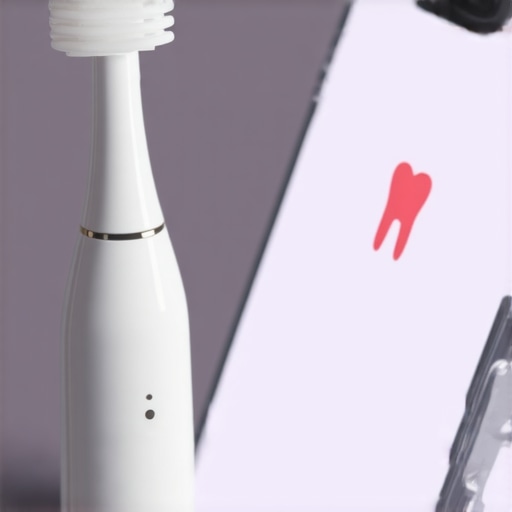
I swear by using an electric toothbrush with a(timer) feature. Brands like Oral-B or Sonicare not only provide superior plaque removal but also includeSmartTimer settings that encourage thorough cleaning sessions. Since I started using a Sonicare DiamondClean, my gum health visibly improved, and my veneers look pristine even after years. Additionally, I incorporate interdental brushes designed specifically for bridgework or veneers, which traditional floss can’t adequately clean. These tools help prevent plaque buildup around the margins, reducing the risk of decay underneath restorations.
Leveraging Digital Software for Monitoring and Motivation
Never underestimate the power of smartphone apps. I use dental tracking apps that sync with my oral care devices, providing feedback on brushing patterns and reminding me when it’s time for a new toothbrush head or dental checkup. These digital tools help me stay consistent and spot potential issues early. For those with Invisalign, the Invisalign IClick app allows you to track treatment progress, receive reminders, and connect directly with your dentist for quick consultations. This integration of technology keeps me motivated and vigilant—key for treatments requiring discipline.
Scheduling Regular Professional Check-Ups
Even with the best home routines, professional evaluations are essential. I recommend scheduling checkups every six months. During these visits, your dentist can perform precise occlusion assessments using digital X-ray technology and examination software to detect problems before they escalate. For instance, newer digital intraoral scanners facilitate quick, comfortable assessments, instantly highlighting areas of concern—like early signs of veneer debonding or gum recession. Consistent professional care ensures that small issues don’t become costly repairs down the line.
Adopting Preventive Measures for Longevity
Protection also extends to lifestyle choices. I advise avoiding foods and drinks that can stain or damage restorations—like coffee, red wine, or citrus—especially in the first few years post-treatment. Using a straw when consuming staining beverages can significantly reduce contact with teeth. Moreover, a night guard can prevent grinding, which might otherwise damage veneers or misalign Invisalign results. Investing in these preventive tools has saved me thousands in future dental work.
Predicting the Future of Dental Maintenance
Looking ahead, I foresee advancements in smart dental devices that will monitor oral health in real time, alerting you and your dentist to emerging issues instantly. AI-driven software might recommend personalized care routines, adjusting brushing pressure or detecting early decay signs with unprecedented accuracy. Embracing these innovations now ensures you’re prepared for a future where maintaining your smile becomes even more seamless and effective.
How do I keep my dental work in top shape as years go by?
Start by integrating high-quality tools like electric toothbrushes with digital timers, and complement this routine with regular professional evaluations enabled by cutting-edge software. Don’t forget to incorporate preventive measures like protective guards and lifestyle adjustments. By combining these strategies, you’re not just maintaining your smile—you’re elevating it. For tailored advice, schedule a consultation via our clinic’s contact page, and let’s discuss how to keep your smile perfect for years to come.
 .
.
What I Wish I Knew About Dental Transformations
- Most patients, including myself initially, underestimate how subtle signs like slight sensitivity can signal major issues beneath the surface—it’s a wake-up call to trust your instincts and get evaluated early.
- I learned that combining treatments—like veneers with Invisalign—requires understanding their interplay; rushing this process can lead to mismatched results or the need for costly revisions.
- My biggest takeaway is that consistent maintenance, including advanced home care tools and regular professional checkups, is crucial for preventing setbacks and preserving your investment in a stunning smile.
Tools That Truly Changed My Smile Journey
- Using an electric toothbrush with a digital timer made a significant difference in my oral hygiene, helping me clean thoroughly and protect veneers from staining or plaque buildup.
- Learning about advanced software, like the Invisalign app, empowered me to stay on track with my treatment plan and quickly address any concerns, reducing treatment time and discomfort.
- Investing in high-quality interdental brushes and mouthwash tailored for restorations helped me maintain healthy gum tissue and prevent future decay—small tools with big impact.
Your Smile, Your Future
Remember, your dental health and aesthetic goals are unique, and achieving the best results takes personalized care, patience, and the right tools. Embrace these lessons, consult with trusted professionals, and take proactive steps—you’re well on your way to a radiant, confident smile. Ready to start your own transformation? Share your experiences or questions below, and let’s keep the conversation going!