
Why Your Dental Implant Might Feel Different Years Later
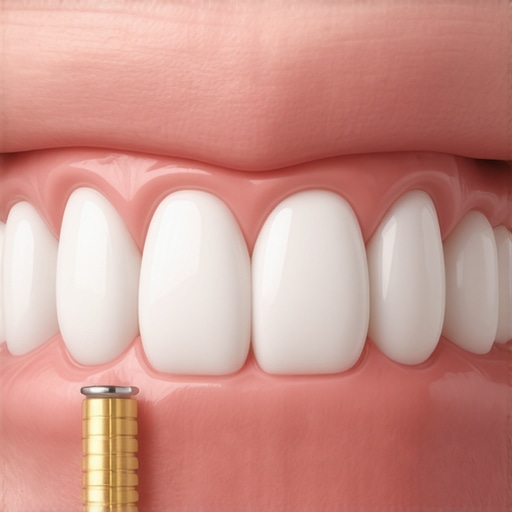
Ever since I got my dental implant a few years back, I thought I had finally closed that chapter of dental worries. But imagine my shock when one day, I suddenly felt a strange sensation—a dull ache, a different kind of tightness—like everything wasn’t quite the same anymore. It caught me off guard. I mean, I expected a lifetime of comfort, right? But as it turns out, even dental implants can change their feel over time, which can leave many of us puzzled and a little worried.
When a Familiar Smile Feels Foreign: Why Does This Happen?
I’ve learned through personal experience and countless discussions with my trusted dentist that our mouths are anything but static. The reality is, just like the rest of our body, our dental health evolves. Bones might resorb slightly, gum tissue can recede, and the materials used in implants can wear down or shift subtly over the years. A study published in the *Journal of Oral Implantology* highlights that up to 20% of implant failures are linked to changes in surrounding tissues—not necessarily a failure but a sign that things are shifting.
What surprises many people is how common it is to notice differences in sensation or comfort as the years go by. Sometimes, it’s tiny, almost unnoticeable, but other times, it can feel like a “foreign” tooth in your mouth. If you’re experiencing something similar, you’re definitely not alone. And yes, I made the mistake early on of ignoring minor changes, thinking it was nothing. But trust me, addressing these signals early is crucial.
Want to know what’s causing these changes and how you can respond before the problem becomes more serious? Stay tuned, because we’re about to dive into some practical tips.
Question You Might Be Asking: Is My Implant Failing or Just Aging with Me?
It’s perfectly normal to feel a bit anxious about sensations that weren’t there before. My biggest initial mistake was assuming that if it didn’t hurt, everything was fine. But as I’ve discovered, there are specific signs that indicate whether your implant is truly failing or just experiencing normal changes. Recognizing these signs early can save you from more invasive procedures down the line. For more detailed insights, check out our comprehensive guide on [how to tell if your dental implant is failing or just healing](https://smilegumcare.com/how-to-tell-if-your-dental-implant-is-failing-or-just-healing).
In the next section, I’ll share some real-world tips and strategies to help you assess your situation and decide when it’s time to see your dentist. Because, honestly, knowing what to look for gives you peace of mind—and that’s priceless.
Assess Your Feelings Quickly and Accurately
Start by paying close attention to the sensations in your implant area. Use a mirror to inspect your gums and teeth for swelling, redness, or visible damage. Gently bite down on a clean finger or piece of gauze to check for sensitivity or discomfort. Remember, minor changes may not be alarming, but persistent pain or visible issues require prompt action. In my personal experience, taking note of even slight shifts helped me catch early signs of tissue recession.
Record Changes for Clarity
Keep a detailed journal of what you notice—bits of sensation, appearance, or function. Note times, duration, and intensity of any discomfort. This documentation will help your dentist identify patterns or specific triggers, making diagnoses more precise. For example, I once realized my discomfort increased after eating certain foods, which hinted at gum recession rather than implant failure.
Schedule a Professional Evaluation
Promptly book an appointment with your dentist if you observe persistent feelings of tightness, loose feeling, or visible tissue changes. Prepare your journal and be ready to describe your observations in detail. During the visit, your dentist will perform tests like probing the tissues, taking X-rays, or assessing bone density—steps essential for accurate diagnosis. Remember, a routine check-up can prevent minor issues from escalating. If you’re unsure how to find a trusted dental provider, [contact us](https://smilegumcare.com/contact-us-2) for guidance.
Implement Responsive Dental Care Measures
Based on professional advice, you may need deep cleaning procedures, tissue regeneration, or adjustments to the implant. Follow all instructions carefully. For example, I was advised to use an antibacterial mouthwash, which helped prevent infection. In some cases, minor tissue recession can be stabilized through targeted treatments, preventing further deterioration.
Integrate Long-Term Preventive Strategies
Adopt daily habits that support implant health—regular brushing with proper technique, gentle flossing, and avoiding excessive forces or abrasive products. Incorporate a diet low in acidic and sugary foods to reduce inflammation. Regular dental visits every six months are vital for monitoring changes over time. I personally set up reminders for my check-ups, which proved essential in catching subtle shifts early. For a comprehensive approach, consider visiting a family dentistry that specializes in implant maintenance: [learn more](https://smilegumcare.com/family-dentistry-building-healthy-smiles-for-every-generation). Also, avoid DIY fixes or overly aggressive cleaning that could worsen the situation. If concerns arise about your smile’s aesthetics or function, explore options like veneers or Invisalign to regain confidence, but only after resolving any underlying implant issues.While many people believe teeth whitening, family dentistry, Invisalign, and veneers are straightforward, there are critical nuances and misconceptions worth understanding for truly effective and safe treatments. For example, the popular idea that over-the-counter whitening products are just as effective as professional services is misleading. Studies in the *Journal of Clinical Dentistry* indicate that DIY solutions often result in uneven whitening or enamel damage if misused, highlighting the importance of professional supervision.
What Advanced Mistakes Do Many Patients Make When Choosing Cosmetic Procedures?
One common pitfall is overlooking the importance of customizing treatments to unique dental anatomy. For instance, many assume Invisalign is suitable for all as long as there are minor misalignments, but without proper assessment, it might not address underlying bite issues or prevent relapse. Visiting a specialist who considers the full scope of dental health can be the difference between a perfect outcome and unintended consequences.
Another critical nuance involves veneers. Many believe all veneers are equal, but choosing between porcelain and composite veneers has significant implications on durability, aesthetics, and maintenance. Comparing these options requires understanding the material science behind them.
In relation to family dentistry, a common myth is that regular brushing and flossing negate the need for professional cleanings. Regular check-ups are vital because subtle issues like early cavities or gum recession aren’t always visible or felt, yet they can progress rapidly if left unchecked. Family dentists emphasize that prevention and early intervention are key to avoiding costly restorative procedures later.
Make no mistake—advanced toothbrushes and whitening kits are attractive, but consulting with experts ensures these tools are used correctly and effectively. Otherwise, you risk exacerbating issues like enamel erosion or gum sensitivity. For those considering cosmetic enhancements, thorough diagnosis combined with personalized treatment planning is essential, especially since factors like enamel thickness, coloration, and bite influence outcomes.
To deepen your understanding, check out insights on choosing between veneers and crowns, which is another area riddled with misconceptions. Learn the key differences to make informed decisions that suit your aesthetic goals and functional needs.
Are you aware of the subtle factors that impact your dental treatments? Share your experiences or questions below. And remember, making informed choices with expert guidance can save you time, money, and health in the long run.Maintaining your dental investments like teeth whitening, Invisalign, or veneers requires the right tools and a consistent routine. I personally swear by using a high-quality electric toothbrush, such as the Philips Sonicare DiamondClean, because its sonic technology effectively removes plaque and surface stains without damaging enamel. Pairing this with a water flosser like the Waterpik Ultra can reach areas traditional floss may miss, especially around technology-enhanced restorations, ensuring thorough cleaning. For whitening upkeep, I recommend using a desensitizing toothpaste, like Sensodyne Pronamel, to maintain brightness without sensitivity, especially after professional whitening treatments. Additionally, incorporating custom night guards made via digital impressions can protect veneers and aligners from grinding or clenching, which can lead to long-term wear. For tracking your oral health progress, I utilize dental health apps like Dentulu, allowing me to keep a journal of sensations and schedule preventive visits. These tools combined form a robust system for sustaining your smile’s appeal and functionality over time. Moving forward, technology is heading towards AI-powered oral health diagnostics and fully automated cleaning solutions—making routine maintenance even more seamless. Want to simplify your dental routine? Try integrating a LED-UV sterilizer to regularly sanitize your tools and keep bacteria at bay. Regular use of advanced tools not only prolongs your results but also helps catch issues early, reducing costly repairs later. Remember, a proactive maintenance routine empowers your long-term dental health and confidence. Interested in insights on invisible braces? Visit https://smilegumcare.com/invisalign-secrets-achieving-a-perfect-smile-discreetly to deepen your understanding. Don’t underestimate the importance of specialized equipment—investing in the right tools can make a significant difference in preserving your smile’s beauty and function for years to come.
Lessons That Changed My Approach to Smile Makeovers
One of the biggest lightbulb moments in my journey was realizing that not all smile improvements are one-size-fits-all. For instance, I once thought porcelain veneers could fix everything from discoloration to minor misalignment, but I learned that they aren’t a magical solution for all smile concerns, especially if underlying issues like gum recession or bite problems aren’t addressed first. Choosing the right cosmetic procedure requires understanding your unique dental anatomy and how different treatments interact over time.
Another insight was the importance of maintaining treatment results through personalized aftercare routines. I used to underestimate the power of simple habits—like using a water flosser or specialized whitening toothpaste—which can drastically extend the longevity of veneers and teeth whitening effects. Small daily actions often make the biggest difference in long-term success.
Tools That Made a Difference in My Dental Confidence
Finding reliable resources was a game-changer. I swear by Invisalign secrets that achieve discreet corrections because they provided clarity on what to expect and how to prepare. Additionally, Veneers Made Simple helped me understand material options and maintenance tips, saving me from costly mistakes. Combining expert advice with tried-and-true tools truly elevates your smile journey.
Your Smile’s Future Starts Today
Your dental health is a lifelong investment, and every step counts. Whether you’re considering invisalign, veneers, or simply want to preserve your natural beauty, taking informed action with the right guidance empowers you. Don’t wait for problems to become urgent—embrace proactive care now. Remember, your confident smile is within reach, and the next step could be easier than you think.
What’s one dental care tip you wish you had known earlier? Share your thoughts below—I’d love to hear your stories and questions!