
Why Your Child’s Baby Teeth Are So Much Whiter Than Adult Teeth
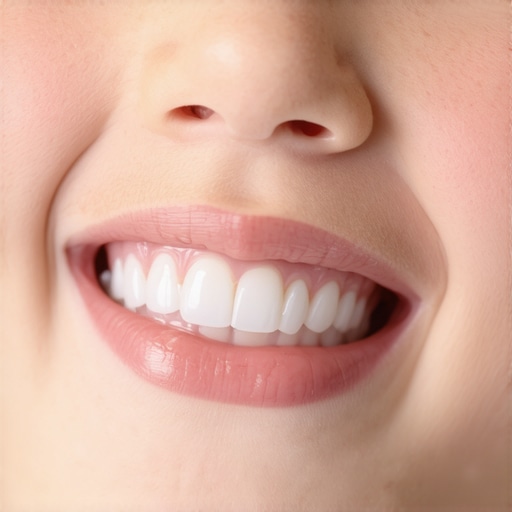
It was a typical Saturday morning when I caught myself staring at my child’s smile and realizing something baffling—her baby teeth looked brighter and whiter than her adult teeth, which were starting to emerge. That moment was a lightbulb for me. I wondered, why in the world are our children’s baby teeth so much whiter than the grown-up ones? As a parent, I know how confusing and even concerning it can be to see this stark contrast. You’re likely asking: Is this normal? Should I be worried about their dental health? Well, I was in your shoes early on, and I learned some eye-opening facts along the way.
Understanding the Whiteness Gap Between Baby and Adult Teeth
From personal experience and talking with family dentists, I’ve discovered that the difference in tooth color isn’t a sign of poor dental hygiene or a problem—it’s a natural part of dental development. Baby teeth, or primary teeth, develop with a relatively thin layer of enamel, the outer protective covering. Interestingly, this enamel tends to be more translucent, allowing the underlying dentin—the layer beneath—to show through, which can give a brighter, whiter appearance. On the other hand, adult teeth develop thicker enamel, which can show more variations in color, especially as they accumulate stains over the years. Did you know that professional teeth whitening techniques reveal how stained enamel can make adult teeth appear darker or duller? That’s why the contrast isn’t just normal but expected as children grow and their adult teeth mature.
Do I Need to Worry About Stains or Discoloration in My Child’s Teeth?
Early on, I made the mistake of thinking every discoloration was a warning sign. Turns out, some variations are simply part of the natural dental maturation process. However, it’s essential to differentiate between benign color differences and early signs of issues like decay or enamel erosion. Regular dental check-ups can help you stay ahead of potential problems and understand if your child’s teeth are developing normally. Want to explore more about maintaining healthy teeth as your kid grows? Check out family dentistry tips for practical advice.
So, if you’ve been wondering whether the whiteness gap is just a cosmetic oddity or something to be concerned about, you’re not alone. We all want our children to enjoy healthy, beautiful smiles. Next, we’ll dive into some straightforward steps to ensure their dental health remains optimal while appreciating the natural beauty of their developing teeth.
,
Establish a Daily Dental Routine
Start by instilling consistent habits, such as brushing twice a day with fluoride toothpaste and flossing once daily to remove plaque buildup. I remember a time when I set an alarm to remind my child to brush before bed; initially, it was chaotic, with toothpaste everywhere, but persistence paid off as they became accustomed to the routine, leading to noticeable improvements in their oral health.
Use ‘Smile-Friendly’ Dental Products
Select toothbrushes with soft bristles and age-appropriate fluoride mouthwashes. Avoid aggressive brushing, which can erode enamel, making adult teeth appear darker over time. When I switched my child’s toothbrush to a sonic model, I saw their gums improve, and they actually enjoyed their cleaning sessions more.
Address Discoloration with Professional Whitening
If your child’s teeth are dull or stained, consider professional whitening procedures tailored for young smiles. Similar to how whitening strips work for adults, dentist-supervised treatments use safe, effective agents that brighten teeth without harming the enamel. I personally booked an appointment after noticing my child’s teeth looked unusually dull; the results were a brighter, more confident smile. For more details on options, explore teeth whitening secrets.
Seal the Surfaces with Dental Sealants
Dental sealants create a protective barrier over the grooves of back molars, preventing cavities and staining. I had my child’s dentist apply sealants during a routine check-up; the process was quick and painless, and it significantly reduced future decay risks. To learn more about preventive measures, visit preventive dental strategies.
Introduce Orthodontic Solutions for Alignment
If misalignment or spacing is visible, consider appliances like Invisalign or traditional braces. I recall a weekend when I examined my son’s teeth; he was nervous about braces, but learning about Invisalign’s discreet treatment changed his outlook. These clear aligners function like invisible braces, gradually straightening teeth without noticeable wires. For pedagogical insights, check out Invisalign innovations.
Incorporate Regular Dental Check-ups
Biannual visits to the dentist ensure early detection of issues like stains, decay, or misalignment. I made it a point to schedule appointments ahead of time, turning visits into a positive routine by reading children’s books in the waiting room. Early interventions prevent minor concerns from becoming major concerns, keeping the smile healthy and bright. To understand what to expect, visit family dental care essentials.
Many patients approach cosmetic dentistry with a mix of hope and misconceptions. Let’s dig deeper into some of the most common errors and overlooked nuances that can make or break your smile transformation. First, a widespread myth is that teeth whitening is an instant fix—many believe over-the-counter products can match professional results, but studies show that clinical-grade treatments provide significantly better and longer-lasting brightness (see the comprehensive guide on [teeth whitening options in 2025](https://smilegumcare.com/the-ultimate-guide-to-teeth-whitening-options-in-2025)). An advanced mistake is assuming whitening past the recommended duration won’t harm enamel; overdoing it can cause sensitivity or demineralization, which is why consulting your dentist for tailored solutions is essential. When it comes to veneers, many think they are purely cosmetic and avoid considering their durability or how they can be customized to preserve facial harmony. In reality, modern veneers, especially porcelain, are highly durable and can be personalized for translucency and shape, effectively blending with natural teeth. Don’t overlook the importance of proper preparation—removing just enough enamel ensures a natural look and prevents issues like veneer chipping or protrusion. Now, let’s address Invisalign, a transformative option for orthodontic correction. A common misconception is that Invisalign works only for minor misalignments; however, recent innovations have expanded its applicability to complex cases, including those that previously required traditional braces. Yet, a critical ‘oops’ is neglecting strict compliance—wearing aligners less than the prescribed 20-22 hours daily drastically reduces effectiveness and prolongs treatment. Furthermore, many overlook the significance of attachments—tiny tooth-colored bumps that help the aligners grip better, which are vital for precise movement. Remember, not all aligner brands are created equal. Some patients forgo professional guidance and opt for online-only solutions, risking ill-fitting appliances that can damage teeth or cause jaw discomfort. For the advanced reader pondering whether veneers or Invisalign might be more suitable for a specific case, consider this: research indicates that the choice should be dictated by functional goals and long-term oral health, not just cosmetic desires (see [veneers vs. crowns: which is right for your smile](https://smilegumcare.com/veneers-vs-crowns-which-is-right-for-your-smile)). Have you ever fallen into this trap? Let me know in the comments. Awareness of these nuances ensures you make informed decisions that preserve your dental health while achieving your aesthetic aspirations.
How do I keep my dental appliances and treatments functioning well over time?
Maintaining dental tools and appliances such as Invisalign trays, veneers, or whitening systems requires specific care routines. For Invisalign, I personally recommend using an ultrasonic cleaner like the GemOro ultrasonic jewelry cleaner. It effectively removes plaque and buildup from aligners without harsh chemicals, extending their clarity and comfort. Regular cleaning prevents yellowing and microbial buildup, ensuring your trays remain discreet and hygienic. When it comes to veneers, I advise using a soft-bristled toothbrush and non-abrasive toothpaste to avoid chipping or scratching the surface. For whitening systems, adopting a professional-grade whitening gel paired with custom trays can help maintain the initial results longer. Looking ahead, I believe the trend will shift towards smart dental devices that sync with smartphone apps for real-time monitoring—making ongoing maintenance even more accessible and precise.
What tools do I rely on for long-term results?
For consistent, long-lasting results, I swear by the Sabona Sonic Toothbrush. Its oscillating motion with customizable pressure settings ensures thorough cleaning without damaging enamel or gums. I use it twice daily to keep my veneers and natural teeth pristine. For stain removal, I turn to the Waterpik Whitening Flosser, which combines water flossing with whitening tips, helping to prevent discoloration in hard-to-reach areas. Combining these with routine dental visits creates a comprehensive maintenance plan. In the future, I imagine advancements like AI-powered brushing systems that analyze your brushing technique, providing instant feedback, and further optimizing your oral health.
Why investing in quality tools makes a difference
High-quality equipment not only prolongs the lifespan of your dental work but also enhances overall oral hygiene. Cheaper toothbrushes or makeshift cleaning methods may seem cost-effective initially but often lead to quicker wear or incomplete plaque removal. I learned this the hard way and now prefer tools like the Oral-B iO Series, which combines powerful cleaning with gentle brush technology. As technology advances, expect more connected devices that track your habits and send reminders—helping you stay consistent effortlessly.
If you’re serious about maintaining your smile for the long run, I highly recommend trying out an ultrasonic cleaner for your aligners or veneers. It’s a game-changer in preserving their clarity and integrity. Remember, investing in proper tools today pays dividends in the health and aesthetics of your smile tomorrow. Want to explore how to maximize your at-home dental care? Check out Invisalign innovations for the future of discreet orthodontic care.
Lessons That Changed My Approach to Smile Refinement
One of the most surprising lessons I learned was that patience with dental treatments often yields the most lasting results. Rushing to achieve perfect whiteness or straightness can lead to setbacks; understanding that genuine change takes time helped me set realistic expectations and appreciate each small victory. Additionally, I discovered that personalized care outweighs any generic advice—what worked for one person might not suit another, especially when it comes to veneers or Invisalign. Recognizing the importance of tailoring treatments, I became more attentive to my dental provider’s recommendations, which made a huge difference in my confidence and satisfaction.
Another insight was valuing prevention over correction. Investing in sealants, proper hygiene, and routine checkups saved me from more invasive procedures later on. This proactive approach not only preserved my oral health but also reinforced my appreciation for the nuanced decisions behind advanced treatments. Finally, I realized that maintaining a positive mindset about dental care removes much of the anxiety associated with procedures. Embracing your dental journey as a path toward better self-care transforms it from a chore into an empowering experience.
Tools That Elevated My Smile Confidence
My trusted arsenal includes the Invisalign innovation for discreet orthodontic correction, which offers both comfort and confidence during treatment. For maintaining bright, stain-free teeth, I rely on the top teeth whitening strategies that are easy to incorporate into daily routines. When I want to preserve the integrity of my veneers, gentle cleaning with appropriate tools like electric toothbrushes with soft bristles makes all the difference—saving me from unnecessary chipping and discoloration.
Beyond that, I trust the simple tips for veneers to keep my smile looking natural and radiant for years. These tools and techniques aren’t just about aesthetics—they’re foundational for long-term health and self-esteem.
Light a Fire Under Your Dental Confidence
Your smile is one of the most powerful tools you have to connect with others. Embrace the learning curve, invest in personalized treatments, and remember—every improvement is a step toward a healthier, happier you. Now, I challenge you: What’s one aspect of your dental care routine you’re ready to revamp today? Share below and take that first confident step toward your ultimate smile journey! And if you’re curious about continuous updates on smile-maintenance innovations, explore Invisalign tips for a future-proof smile.