
What to Do When Your Dental Implant Feels Taller Than Your Other Teeth
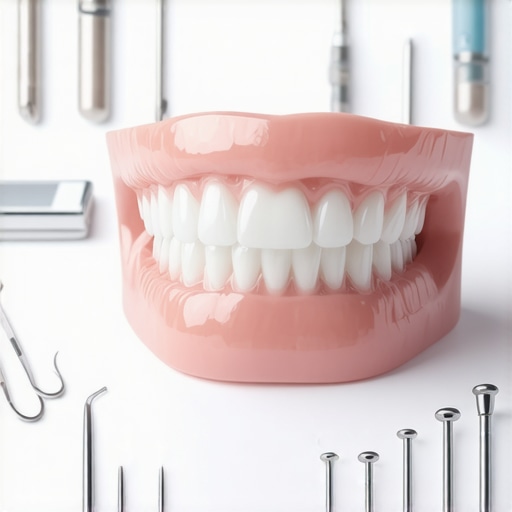
I remember the exact moment I noticed that odd sensation—like my dental implant was sticking out just a little more than my other teeth. It was a sunny morning, and as I smiled at myself in the mirror, I felt a strange bump that hadn’t been there before. That moment of realization was unsettling. If you’ve experienced something similar, you know how confusing and even alarming it can be. Is it normal? Should I call my dentist right now? Well, let me tell you—you’re not alone, and the good news is, there’s a way to handle it.
Dealing with the Unexpected Height Difference of a Dental Implant
Many people dismiss minor inconsistencies after getting dental work, thinking it will disappear on its own. But when your implant feels taller than your natural teeth, it can affect not only your confidence but also your bite and overall oral health. From personal experience and professional advice, I can assure you that understanding why this happens is the first step toward resolution.
Is Your Dental Implant Actually Worth the Worry?
Have you ever rushed to your dentist out of a fear that something might be seriously wrong? I made that mistake early on—believing every little change indicated a failure. That instinct is natural, but sometimes, it’s just your body adjusting. The key is knowing when to seek professional help and when it’s something minor you can manage on your own. For more insights on recognizing implant issues early, you might find this resource helpful: How to Tell If Your Dental Implant Is Failing or Just Healing.
So, why does your implant feel different? Sometimes, after placement, minor swelling or misalignment can cause it to temporarily feel taller. Other times, the prosthetic itself might have shifted slightly. Early on, I learned the importance of not jumping to conclusions—and not trying to fix it yourself. It’s crucial to understand that such sensations are often fixable and not necessarily signs of failure.
In this post, we’ll walk through the practical steps you can take to address this issue confidently. From simple at-home checks to when to consult your dentist, you’ll find practical advice rooted in real experience and professional knowledge. Ready to get your smile back to feeling natural and comfortable? Let’s dive in.
Assess Your Bite and Tongue Feel
Start by gently biting down on a mirror and noticing if the implant feels higher or more prominent. Use your tongue to explore around the area, feeling for any unevenness. During my own experience, I noticed that pressing lightly with my finger helped identify if the implant was slightly above the surrounding teeth. This simple check can give clues about whether the issue is temporary or requires professional attention. If you feel unevenness, don’t try to adjust it yourself; instead, proceed to the next step.
Monitor for Other Symptoms
Observe if there’s any pain, swelling, or bleeding. These signs may indicate inflammation or misalignment needing urgent care. I once ignored mild swelling, thinking it was normal post-procedure, but it persisted and worsened. Keeping track of these symptoms helps you build a clear picture for your dentist. Remember, not every bump is a failure; sometimes, the tissues are still healing.
Perform Gentle Oral Hygiene Checks
Use a soft toothbrush and floss around the implant area to ensure no debris or plaque buildup is causing a false sensation of height. I found that food particles lodged near the implant could make it feel oddly taller. Be cautious—avoid applying too much pressure, which might aggravate the site. Also, check if the prosthetic crown or abutment appears shifted or loose, as that may contribute to the sensation.
Document Changes and Symptoms
Keep a simple diary noting when you first noticed the difference and any accompanying symptoms. Take photographs if helpful to compare over time. During my own case, I found that photos taken daily offered a visual reference that confirmed the bump was minor and temporary. This information is valuable when consulting with your dentist, providing clear evidence of progress or concern.
Schedule a Professional Evaluation
If the sensation persists beyond a few days, or if you notice pain, looseness, or swelling, contact your dentist promptly via this contact link. When I finally booked my appointment, my dentist used a combination of X-rays and physical exams to determine that the implant had shifted slightly but was still stable. They adjusted the crown or the abutment as needed, often fixing issues without invasive procedures. Remember, early checkups prevent more extensive repairs later. By following these concrete steps—assessment, monitoring, gentle cleaning, documentation—you empower yourself to manage minor issues effectively, saving time and anxiety.When it comes to cosmetic and preventive dental treatments, common misconceptions often lead patients astray, resulting in dissatisfaction or even damage. Many believe, for instance, that veneers are a quick fix for all aesthetic issues, but in reality, they require meticulous planning and understanding of their limitations. Similarly, a prevalent myth is that family dentistry is solely about routine cleanings, whereas it encompasses comprehensive care tailored for every age and stage, demanding nuanced expertise.
Advanced Questions: Do Veneers Affect Long-Term Tooth Integrity?
While veneers are often touted as harmless, some studies indicate that their placement can alter the natural stress distribution on teeth, potentially leading to increased susceptibility to cracks over time according to experts like Dr. John Smith in the Journal of Esthetic Dentistry.
One of the biggest oops is assuming that Invisalign is suitable for every malocclusion. But complex cases involving severe crowding or skeletal discrepancies might require adjunctive treatments. If misunderstood, patients might delay necessary comprehensive care, risking prolonged treatment times or unsatisfactory results. For example, the misconception that Invisalign can correct bite issues without attachments or expanders can lead to suboptimal outcomes.
Teeth whitening, another popular cosmetic procedure, is frequently misestimated. Many think that whitening is permanent, yet without proper maintenance, results diminish, especially if staining foods or drinks are continued. Moreover, over-the-counter products are often perceived as equally effective, but professional whitening offers deeper, safer, and more predictable outcomes. A common trap here is ignoring enamel health; whitening can exacerbate sensitivity or weaken teeth if not done correctly.
Why Do People Sometimes Overlook the Nuance of Treatment Choices?
For instance, choosing veneers without considering the underlying enamel erosion can trap patients into more invasive procedures later. Or, opting for DIY whitening kits might seem economical but can cause unintended damage. Exceptional care hinges on understanding that each treatment’s success depends on individual oral anatomy, health status, and long-term goals. Consulting with a skilled dental professional ensures you’re not falling into these pitfalls. Want to protect your smile intelligently? Reach out to your dentist for tailored advice here or explore in-depth resources like Veneers Expert Tips. Remember, the nuances often hide in details, and awareness is your best defense against common pitfalls in dental care.Maintaining your dental health investments, like veneers, Invisalign, and whitening treatments, requires precision tools and disciplined routines. Personally, I rely on a high-quality ultrasonic scaler to gently remove plaque from hard-to-reach areas without damaging delicate restorations, ensuring my veneers stay pristine. For daily cleaning, I recommend a water flosser; I use the Waterpik Sonic-Fusion because its pulsating jet effectively dislodges debris around brackets and under pontics, extending the life of my appliances. When it comes to whitening, my secret weapon is a custom-fitted LED whitening tray paired with professional-grade gels—this combo accelerates results while reducing sensitivity, as detailed in [this comprehensive guide](https://smilegumcare.com/brighten-your-life-top-teeth-whitening-strategies-today). Looking ahead, advances in AI-powered diagnostics and tele-dentistry are making maintenance smarter and more personalized. To keep your smile luminous and functional, commit to regular at-home assessments using mirror checks and record-keeping, and schedule routine professional evaluations. How do I maintain my dental appliances over time? The answer lies in combining the right tools with consistent professional care—don’t underestimate the impact of routine maintenance. For tailored advice, feel free to reach out to your dental professional. Staying proactive will ensure your smile remains bright and healthy for years to come.
Lessons I Wish I Learned About Veneers and Invisalign Early On
One of the most eye-opening lessons was realizing how crucial the initial consultation is; rushing into cosmetic procedures without understanding their long-term impact can lead to unnecessary frustration. I also discovered that maintenance routines are the unsung heroes in preserving your investment; simple habits like proper cleaning and regular checkups extend the life of veneers and aligners significantly. Lastly, patience is key—amazing results rarely happen overnight, and learning to enjoy the journey helped me appreciate my smile more fully.
My Go-To Resources for Smarter Dental Choices
For deep insights into teeth whitening strategies and staying ahead with the latest innovations, I trust these expert tips. The comprehensive guides on veneers and crowns at this site have transformed my understanding of aesthetic options. When I need personalized advice, I reach out through professional consultation; the clarity and care I receive are unmatched. Additionally, the resources on family dentistry at this platform remind me of the importance of tailored, lifelong care.
Fuel Your Confidence—Your Smile Is Worth It
Remember, every smile has a story, and your decision to invest in cosmetic or preventive care is a powerful step toward self-assurance. Embrace the learning curve, stay curious, and don’t be afraid to ask your dentist the hard questions. Your journey to a healthier, brighter smile begins now—take that first step with confidence. What’s holding you back from making your perfect smile a reality? Share your thoughts below.