How to Get Your School-Aged Child to Stop Brushing Too Hard
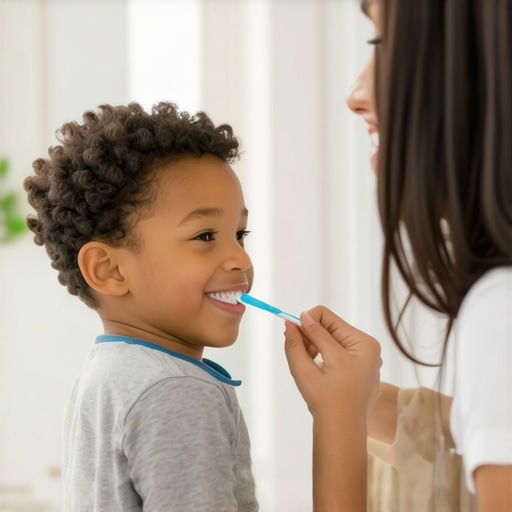
It happened quickly—one moment I was watching my son brush his teeth, and the next I saw him grimace in pain, tugging at his gums, with a look of confusion. That lightbulb moment made me realize something: children often don’t know how to brush properly, especially when they get enthusiastic or anxious about keeping their teeth clean. I’d been guilty of assuming that a vigorous scrub meant a thorough clean, but I learned the hard way that too much force can do more harm than good. My experience galvanized me to find solutions—not just for my son but for other parents who might be in the same boat.
Why Your Child Might Be Brushing Too Hard and What It Means
Children are eager to impress and often mimic what they see, sometimes leading to overzealous brushing. They might think that brushing harder will remove more plaque or make their teeth shine brighter, but in reality, excessive force can cause gum recession, enamel damage, and increased sensitivity. According to the American Dental Association, vigorous brushing can wear down tooth enamel and lead to gum problems over time. Early on, I made a costly mistake—failing to teach my son the right brushing technique—and I paid the price with sore gums and a dentist’s warning.
Now, I want to share some effective strategies to guide your child toward gentle, effective brushing and help you avoid the pitfalls I encountered. It’s essential to address this now because habits formed in childhood can follow into adulthood, affecting your child’s oral health for years to come. Whether you’re dealing with a stubborn toddler or a motivated pre-teen, practical, nurturing approaches can make a significant difference.
But before diving into solutions, let’s consider the common concerns parents face. If you’ve ever wondered whether your child’s vigorous brushing is hurting their teeth or just can’t seem to get them to brush softly enough, you’re not alone. That’s exactly what I was asking myself, and today, I’ll walk you through how to correct this behavior lovingly but effectively.
Is Overbrushing Really a Big Deal?
Many parents worry that letting their kids brush too softly might compromise oral hygiene, but the truth is, proper technique beats brute force. The key is teaching children to brush with purpose, not pressure—something I learned after harshly scolding my son for his aggressive technique only to realize it wasn’t about timing but about teaching proper form. Repeatedly, I remind myself of the importance of thoughtful guidance rather than just pointing out what’s wrong. For detailed tips on such parenting moments, check out Family Dentistry Tips.
Up next, I’ll share some practical steps you can take to transform your child’s brushing habits and foster healthier, happier teeth.
Set Clear, Gentle Expectations for Brushing
Start by demonstrating how to brush softly yet thoroughly. I remember one evening when I gently guided my son’s hand, showing him how to use a circular motion with just enough pressure to clean without causing discomfort. That night, I observed a noticeable improvement as he became more conscious of his technique, reducing the force he applied. Consistency and gentle correction are key to fostering proper habits.
Choose the Right Tools to Encourage Soft Brushing
Select a toothbrush with soft bristles designed for children, which helps them feel comfortable and reduces the instinct to press hard. I picked a colorful, kids-friendly toothbrush, making the activity feel more like a game. After a week of using the right toothbrush, my son’s brushing was more controlled, and his gums showed fewer signs of irritation.
Use Visual Cues and Analogies to Teach Gentle Brushing
Explain brushing as if they’re painting a masterpiece, using light strokes to create a work of art. For my son, I compared it to gently petting a kitten—firm enough to be kind, but not so hard to cause pain. Incorporating these images made him more aware of his pressure. Once he grasped the concept, I noticed he was more mindful of applying just the right amount of force.
Implement a Time-Driven Routine with Positive Reinforcement
Set a timer for two minutes, making sure your child brushes long enough without rushing or pressing too hard. I used a colorful sand timer I found from a local store, which turned brushing into an engaging activity. Praising his gentle technique at the end reinforced positive behavior. Over time, this routine helped him preserve his gum health and develop a sense of responsibility.
Regularly Model Proper Technique Yourself
Children learn a lot by imitation. During family brushing sessions, I made sure to demonstrate gentle, controlled strokes, narrating my actions. Once, I accidentally applied too much pressure, and my son quickly pointed it out, prompting me to correct my own technique. This shared experience encouraged him to mirror proper habits and emphasized the importance of care over force.
Schedule Routine Dental Checkups for Professional Guidance
Aligning with your dentist can prevent common issues like overbrushing. I remember a visit where the hygienist showed me a model of gums injured by excessive force, which motivated my son to be more cautious. Regular visits help reinforce good habits and allow specialists to spot early signs of trouble, maintaining long-term oral health.
Customize Approaches for Different Age Groups
Adapt your guidance to your child’s age. For younger kids, use playful methods and visual cues; for older children, discuss the consequences of overbrushing and involve them in choosing their tools. I found that involving my pre-teen in selecting a new electric toothbrush increased his engagement and awareness of gentle techniques.
Many people assume that teeth whitening, Invisalign, family dentistry, and veneers are straightforward solutions for a brighter, healthier smile. However, beneath the surface lies a set of nuanced truths that often get overlooked. For instance, the popular belief that whitening always results in long-term brightness is misleading; factors like enamel thickness and staining history significantly influence outcomes, as highlighted in recent studies by leading dental researchers. Additionally, many underestimate the potential for over-treatment with veneers, which can lead to unnecessary enamel removal and irreversible changes.
Is Your Smile Restoring Truthfully Reflects Your Health?
While glossy, white teeth are desirable, they might mask underlying issues like whitening with high-concentration agents that weaken enamel over time, as warned by the American Academy of Cosmetic Dentistry. This leads to common pitfalls—such as premature whitening procedures or over-reliance on Invisalign without addressing foundational bite issues—that can cause occlusal wear or TMJ problems later. To avoid these traps, comprehensive assessments are essential, and consulting specialists can provide tailored, safe solutions.
When it comes to Invisalign, many see it as a simple aligner swap; however, studies suggest that improper wear, like inconsistent use or neglecting attachments, hampers effectiveness and prolongs treatment unnecessarily. I advise patients to understand that invisible braces demand discipline and proper guidance. Moreover, the myth that Invisalign can correct every bite is false; complex cases may require adjunctive therapies or alternative orthodontics, emphasizing the importance of in-depth diagnostics. For advanced insights into orthodontic care, check out Invisalign innovations.Maintaining your bright smile and dental enhancements requires more than just good habits; investing in reliable tools and techniques can significantly impact your long-term results. One vital piece of equipment I personally recommend is an electric toothbrush with a pressure sensor, such as the Philips Sonicare ProtectiveClean. This device consistently alerts you when you’re brushing too hard—a common mistake that can undermine veneers, crowns, and whitening treatments. I use it daily because it helps me preserve my enamel and gum health, especially after veneers. Coupled with a soft, compact floss like the Cocofloss, which incorporates textured fibers for efficient plaque removal without damaging delicate gum tissue, these tools set the foundation for lasting results.
For those focusing on Invisalign, I suggest investing in a high-quality cleaning system like the Invisalign Cleaning Crystals. They actively eliminate bacteria, maintain clarity of your aligners, and ensure optimal oral hygiene. Regular use of this product, along with a soft-bristled toothbrush, keeps aligners odor-free and transparent, a crucial aspect highlighted in Invisalign innovations. Additionally, I recommend visiting your dentist periodically for professional cleanings and checkups—these appointments allow for expert advice on tool usage and detection of potential issues before they escalate.
Transitioning to veneers or crowns? An ultrasonic cleaner designed for dental prosthetics can prevent plaque accumulation around restorations. I personally use the SonicDent Ultrasonic Cleaner, which effectively cleans without scratching delicate surfaces, reducing the risk of staining or damage. Maintaining these restorations over the years involves diligent care—combining the right tools with good hygiene habits ensures your investment continues to look natural and last longer.
Looking ahead, the future of dental maintenance seems poised to embrace smart technology. Imagine toothbrushes connected to apps that track your brushing patterns, providing real-time feedback and personalized suggestions—making home care more effective and engaging. As trends evolve, staying updated with the latest tools is crucial, so I encourage you to explore emerging technologies and incorporate them into your routine.
Ever wondered how to keep your smile at peak condition without the hassle? One practical tip is to schedule weekly check-ins with your self-care routine using an oral health app. These apps often include reminders for replacing toothbrush heads, flossing, and even monitoring your whitening results. Trying this small change can drastically improve your dental health over time.
Interested in optimizing your dental routine? I invite you to test the effectiveness of an ultrasonic cleaner or a pressure-sensing electric toothbrush—it might be the game-changer you need for maintaining your smile’s brilliance. Remember, combining advanced tools with regular professional care not only preserves your results but also promotes overall oral health. To learn more about long-term dental care strategies, visit comprehensive family dentistry tips.
The Hardest Lesson I Learned About Teeth Whitening, Invisalign, Family Dentistry, and Veneers
One of my most profound realizations was that quick fixes often overlook the importance of foundational care. Early in my journey, I believed a dazzling whitened smile or perfect alignment was the ultimate goal, but I soon discovered that neglecting gentle techniques and proper maintenance could compromise long-term results.
My Eye-Opening Experiences With Common Dental Myths
I used to think that more aggressive treatments yielded faster results until I saw the damage caused by overusing whitening agents and rushing through orthodontic adjustments. This taught me that patience, precision, and understanding individual needs are essential, and that true beauty in a smile comes from well-maintained health, not just cosmetic enhancements.
Why Personalized Care Is the Secret Weapon
Experiencing various cases firsthand revealed that every smile is unique. Whether it’s choosing the right veneer material or customizing Invisalign plans, tailored approaches outperform one-size-fits-all solutions. This insight helped me embrace detailed diagnostics and patient-specific strategies, leading to happier, healthier smiles.
Curated Tools That Changed My Dental Routine
Over the years, I’ve come to rely on certain tools that genuinely make a difference. The Philips Sonicare ProtectiveClean, with its pressure sensors, helps prevent overbrushing—a common mistake I see often. I also swear by the SonicDent Ultrasonic Cleaner, which keeps restorations immaculate without risking damage. For whitening at home, I prefer the custom trays from trusted brands, ensuring safety and effectiveness. For professionals, Invisalign’s latest innovations have made discreet alignment more accessible than ever, provided you follow proper wear guidelines—highlighted in the in-depth resources at this guide. Regular visits remain irreplaceable for real-time adjustments and early issue detection, making professional maintenance an indispensable part of my routine.
Inspiring Your Journey Toward a Confident Smile
Remember, achieving a healthy, radiant smile isn’t solely about treatments—it’s about fostering consistent habits, informed choices, and self-love. Your commitment to gentle, tailored care today will pave the way for a lifetime of confident smiles tomorrow. Start small, stay persistent, and don’t hesitate to seek expert advice when needed.
Benefits Beyond Aesthetics: What I Wish I Knew
- Buried beneath every stunning smile are lessons in patience and personalized care that truly count.
- The most enduring results come from integrating technology with kindness and consistency.
- Misconceptions like ‘more is better’ can do more harm than good—trust quality over quantity.
- Comfort and safety should always be prioritized over rapid results or flashy cosmetic procedures.
I’ve realized that the most significant gains in my dental health came from embracing these lessons, and I encourage you to reflect on your own habits. Are you investing enough in preventative care and professional guidance? For comprehensive family dental strategies, explore this resource.
Take the Next Step Today
Your journey to a brighter, healthier smile begins with a single choice—whether it’s scheduling a checkup or upgrading your dental tools. Remember, the secret isn’t just in treatments, but in cultivating practices that serve your smile’s long-term well-being. What small change will you commit to today for your smile’s future? Share below—I’d love to hear!
,