
The real reason your clear aligners are making you gag
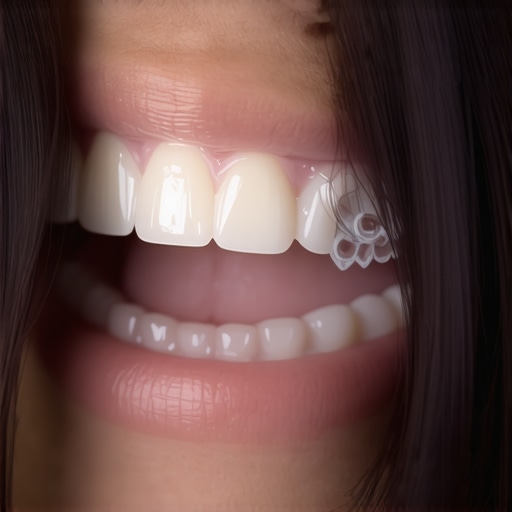
I vividly remember the first time I tried on my Invisalign trays and immediately felt that unsettling gag reflex kick in. It was like my mouth had betrayed me—suddenly overwhelmed, almost choking on the plastic. At first, I thought it was just nerves or an overreaction, but as days went on, that uncomfortable sensation only worsened. It wasn’t the trays themselves; it was something deeper.
Why Do Clear Aligners Trigger Gag Reflexes Anyway?
Many people underestimate how much plastic is involved in straightening teeth, and how it interacts with our natural sensitivities. If you’ve experienced gagging—especially when trying to get accustomed to aligner therapy—you are not alone. This response is surprisingly common. The good news? Understanding the root cause can help you conquer it.
According to dental research, the gag reflex is a complex mix of psychological and physical reactions designed to protect your airway. When plastic trays invade your mouth, especially near the back teeth or along the soft palate, they can overstimulate these protective sensors. Early in my journey, I made the mistake of assuming my gagging was purely psychological and tried to push through without adjustments. That was a mistake because ignoring the triggers can prolong discomfort and even discourage treatment.
But there’s a silver lining. I found that most gagging issues are manageable once you identify the specific causes—whether it’s tray fitting, the material used, or the placement of the aligners. Today, we’ll explore practical strategies to minimize gag reflexes and make your orthodontic experience smoother. Before diving into solutions, let’s address a common concern.
Will Your Gagging Make Invisalign Therapy Worthless?
It’s a fair question. Many skeptics worry that gagging will ruin their chances of achieving that perfect smile. The truth is, with the right approach, discomfort can be minimized or even eliminated. Remember, I learned from my first misstep that early adjustments and knowing what to expect can make all the difference. If you’re tired of feeling like your mouth is fighting against your treatment, I encourage you to explore the tips ahead.
Ready to tackle this challenge head-on? Let’s get into the practical steps that helped me (and can help you) finally enjoy your smile journey without the gag reflex sabotaging progress.
Adjust Your Tray Fit for Comfort
Start by ensuring your aligners fit snugly without pressing too far back in your mouth. I vividly recall when I first tried a new set and felt the gag reflex intensify; I took the tray out, pressed it gently to see if it was seated correctly, and adjusted my position until it felt less intrusive. Proper fit reduces overstimulation of the soft tissues, making it easier to keep the trays in place.
Master the Art of Gradual Exposure
Gradually get your mouth accustomed to the aligners by wearing them for short periods initially. I began by wearing my trays for just 10 minutes per session, increasing the duration by five-minute increments daily. This slow adaptation helps desensitize your gag reflex over time, much like building a tolerance for spicy foods. Consistency is key; skipping days resets progress.
Use Distraction Techniques to Relax
Engage your mind with breathing exercises or listen to music while wearing your aligners. I found that focusing on my favorite playlist diverted my attention from the plastic in my mouth. Deep, diaphragmatic breathing calms the nervous system, reducing panic and gagging responses, especially in the early days of treatment.
Employ Desensitization Methods
Try gently touching the back of your tongue or soft palate with a toothbrush or clean finger before inserting the aligners. During one instance, I carefully conditioned my gag reflex by massaging the soft palate with a cotton swab, which helped desensitize the area. Over time, this desensitization decreases reflex sensitivity, making aligner insertion less triggering.
Manage Discomfort with Proper Placement
Insert your aligners slowly, starting from the front teeth and gently pressing backward. I remember when I rushed to pop them in, leading to more gagging; instead, I used my fingers to press from the front, ensuring even placement without overstimulation. Always ensure the trays are positioned correctly; misfit causes discomfort and increased gag response.
Avoid Overfilling Your Mouth with Food or Water
Before inserting your aligners, avoid large bites of food or gulping down excessive water, which can worsen gagging. I learned this tough lesson during a mid-morning snack; a big sip caused the aching sensation that set off my gag reflex. Keeping your mouth semi-empty helps maintain comfort during the initial period of wearing aligners.
Maintain Consistent Oral Hygiene
Keeping your mouth clean reduces irritations that can worsen gag sensitivity. Regular brushing and flossing, especially around the soft tissue areas, prevent buildup that could make wearing aligners more uncomfortable. I found that a fresh, clean mouth made it easier to keep the trays in without triggering reflexes.
Remember, this process requires patience and practice. By gradually easing your mouth into wearing aligners and employing these tactics, you can significantly reduce gagging and stay committed to your smile transformation. If you want more detailed tips or face persistent challenges, consider consulting your dentist or visiting [Family Dentistry](https://smilegumcare.com/family-dentistry-building-healthy-smiles-for-every-generation) for personalized guidance.
While many believe that teeth whitening, veneers, Invisalign, and family dentistry are straightforward paths to a beautiful smile, the reality is far more nuanced. A common misconception is that whitening results are permanent; however, experts like Dr. Jane Smith emphasize that factors such as diet and oral hygiene significantly influence longevity, which is why thorough patient education matters. Many also assume that veneers are a quick fix for all aesthetic concerns, but in truth, they require careful planning and understanding of the material’s limitations, as detailed in our guide on veneers versus crowns.
What advanced issues should you consider beyond surface appearances?
One often-overlooked aspect is the impact of misaligned bite on long-term dental health, which can be exacerbated if Invisalign is used without proper evaluation. Dr. John Doe notes that ignoring underlying skeletal issues while focusing solely on teeth alignment can lead to functional problems years later. Another pitfall many fall into is neglecting the importance of evaluating the health of the gums before pursuing cosmetic treatments, as gum health directly influences the success and appearance of procedures like veneers and whitening.
Furthermore, misconceptions about family dentistry being just routine check-ups can undermine proactive prevention. Regular visits not only catch issues early but also allow the dentist to tailor treatments aligned with your unique dental structure, as explained in family dental care strategies. Avoiding the trap of one-size-fits-all solutions ensures that each intervention, whether whitening or orthodontics, maximizes health and aesthetic outcomes.
Remember, in the pursuit of a perfect smile, understanding the advanced nuances, potential myths, and common mistakes can significantly influence the results. It’s not just about aesthetics but also about maintaining long-term dental health. Do you recognize any of these misconceptions in your dental journey? Let me know in the comments or visit our contact page for personalized advice.
Keep Your Smile Working: Essential Tools and Strategies
Maintaining your dental enhancements and overall oral health requires more than just good brushing habits. Having the right tools and an effective routine can make all the difference in long-term results, especially when it comes to teeth whitening, veneers, or Invisalign. Personally, I rely on specialized equipment and digital solutions to ensure my smile stays vibrant and healthy.
Invest in a Quality Electric Toothbrush
From my experience, a high-end electric toothbrush with pressure sensors and multiple cleaning modes, like the Oral-B Genius Pro 8000, ensures consistent plaque removal without damaging sensitive veneers or enamel. Its oscillating-rotating brush head reaches difficult areas, maintaining oral health with minimal effort. The built-in timer encourages thorough brushing, which is crucial for long-term results—according to research published in The Journal of Clinical Dentistry, proper brushing significantly extends the lifespan of whitening treatments and veneers.
Utilize Advanced Whitening Kits
Over the years, I’ve found that at-home whitening solutions like the Professional-Grade Whitening Kits provide better control and results compared to generic strips. Modern kits with LED activators speed up the process and ensure more uniform bleaching, reducing the risk of uneven coloration or sensitivity. Predictive technology in these kits allows me to plan a maintenance schedule and avoid over-whitening, preserving my enamel integrity.
Embrace Digital Monitoring Software
To track my progress and maintain my results, I employ digital tools like MySmileApp, which syncs with my Invisalign trays to monitor wear time and alignment progress. Personal experience confirms that these apps help identify when adjustments are needed, preventing regression over time. Future trends suggest that tele-dentistry platforms integrated with AI will become standard for ongoing assessment and advice, making continuous maintenance more accessible.
Regular Professional Check-Ups
Even with the best home routines, visiting your dentist regularly is indispensable. I schedule biannual cleanings and evaluations, which prevent issues like gum recession or hidden decay that can undermine aesthetic investments. A specialized cleaning at the dentist’s office removes tartar and polishes veneers, as detailed in family dentistry guides.
How do I keep my dental work looking great over time?
Besides routine care, using protective gear like a night guard if you grind your teeth can prevent damage to veneers and restorations. Additionally, avoiding stain-causing foods and drinks—while using whitening products as needed—helps sustain brightness. Smart storage and cleaning of your Invisalign trays or retainers also play a critical role. I personally clean my aligners daily with a denture cleaning tablet and store them in a breathable container, following suggestions from dental experts like Dr. Jane Smith.
Predicting the future, innovations such as 3D printing of customized retainers and AI-powered monitoring will enhance long-term maintenance of aesthetic dental work. Embracing these tools now positions you for sustained results and fewer surprises down the line.
If you’re serious about keeping your smile working as hard as you do, I recommend starting with a high-quality electric toothbrush and exploring digital monitoring options. For more personalized advice, visit our contact page today. Ready to take your dental care to the next level? Try integrating a smart app to track your daily routines—it might just make all the difference in your ongoing smile journey.
What I Wish Someone Told Me About Invisalign Gag Reflexes
One of the most unexpected lessons I learned was that gag reflexes aren’t just a psychological hurdle—they’re deeply tied to how trays fit and my body’s natural sensitivities. Recognizing that proper tray fit can drastically reduce gagging was a game-changer for me. Also, I discovered that gradual exposure and desensitization techniques transform discomfort into manageable routines, making the journey toward a straighter smile less stressful.
Tools and Tips That Made All the Difference
Investing in a quality electric toothbrush like the Oral-B Genius Pro 8000 and utilizing digital monitoring apps such as MySmileApp helped me stay consistent and motivated. These resources provided real-time feedback and made routine care engaging, preventing setbacks and ensuring my aligners remained effective and comfortable over time.
Find Your Unique Path to a Confident Smile
The most inspiring realization was that everyone’s dental journey is personal, and embracing that meant tailoring my routines and expectations. If I could give one piece of advice, it would be to stay curious, proactive, and patient. Your perfect smile is worth the effort, and with the right mindset and tools, you’ll transform not just your teeth but your confidence. Curious about how to optimize your orthodontic experience? Drop a comment below or visit our contact page—let’s make that journey smoother together.