Why Your Gums Feel Spongy After a Professional Cleaning
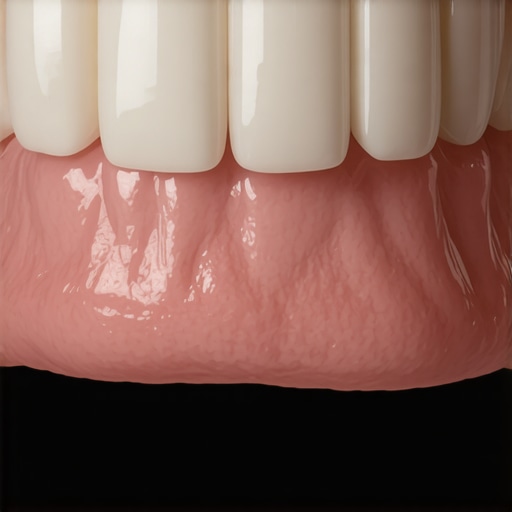
I remember the first time I left my dentist’s office feeling oddly uncomfortable, my gums feeling almost rubbery and tender, unlike the usual freshness I expected. It was a lightbulb moment—realizing that a routine cleaning can sometimes lead to unexpected sensations. Have you experienced that strange, spongy feeling after your last dental visit? If so, you’re not alone, and there’s more to this than just mild sensitivity.
Deciphering the Spongy Gums Mystery
Many people wonder why their gums can feel so different after a professional cleaning. Is it normal? Should I be worried? Well, I’ve been through it, and I want to share what I’ve learned along the way. First of all, feeling your gums become soft or spongy isn’t necessarily a red flag but sometimes a sign of the cleaning process itself. During a deep cleaning, plaque and tartar are thoroughly removed, which can temporarily irritate the gums and cause a sensation of looseness or softness. This is often a part of the healing process, especially if you’re prone to gum issues like gingivitis.
In some cases, the sensation stems from minor trauma or inflammation. If you have sensitive gums, the experience might feel more pronounced. As your gums recover, they tighten back up, and the discomfort fades. But if the feeling persists or worsens, it could point to underlying issues that warrant professional attention. To better understand your situation, consider visiting a trusted family dentist who can assess your gum health. For tips on maintaining healthy gums and preventing problems, check out family dentistry tips for healthy kids’ smiles.
What We Will Cover Next
In the upcoming sections, I’ll walk you through common causes of spongy gum sensations after cleaning, practical home care tips, and when it’s time to see your dentist. Trust me—understanding what’s normal versus when to seek help can save you a lot of worry and discomfort. If you’ve faced this issue, hang tight—we’re going to decode it and arm you with the right knowledge to keep your smile healthy and comfortable!
Master Your Oral Hygiene Routine
Brush Correctly and Consistently
After a cleaning, ensure you’re brushing twice daily with a soft-bristled toothbrush, holding it at a 45-degree angle to your gums. I once had a session where I used a manual brush vigorously, causing minor irritation, but switching to a gentle, circular motion on the gums significantly reduced discomfort and promoted faster healing. This technique prevents trauma while effectively removing plaque.
Floss with Precision and Care
Flossing is vital, especially when your gums are sensitive. Slip the floss gently between teeth, curving it around each tooth with a gentle up-and-down motion. I remember once trying to floss too aggressively, which led to bleeding and soreness. Learning to floss gently not only prevents further irritation but also helps dislodge debris better, promoting healthier gums.
Incorporate Therapeutic Mouthwash
Select the Right Product
Choose an alcohol-free, antimicrobial mouthwash to reduce inflammation and bacteria. During a period of gum sensitivity, I used a rinse containing chlorhexidine, which helped soothe irritation and promote healing. Swishing for 30 seconds twice a day can complement your brushing and flossing efforts, aiding in gum recovery.
Adjust Your Diet for Optimal Healing
A diet rich in vitamins C and D supports tissue repair. I added citrus fruits and dairy to my meals when experiencing post-cleaning tenderness, which accelerated healing. Avoid spicy or acidic foods initially to prevent aggravating your gums, and opt for soft, cold foods to minimize discomfort.
Avoid Common Pitfalls
Stay Away from Tobacco and Excess Sugar
Smoking and sugary foods can delay healing and worsen gum conditions. I noticed that cutting back on sugar and quitting smoking reduced inflammation faster. This step is crucial in preventing the recurrence of issues like spongy gums.
Limit Alcohol Consumption
Alcohol can dry out your mouth and impair healing. I temporarily reduced alcohol intake during recovery, which noticeably improved gum health. Staying hydrated with water also helps flush out toxins and keeps the mouth moist, supporting tissue regeneration.
Monitor Your Progress and Know When to Seek Help
Keep an eye on your gums—if redness, swelling, or sponginess persists beyond a week, contact your dentist. I once ignored initial signs and ended up with more significant issues; timely intervention can prevent complications. Regular check-ups are essential for maintaining gum health, so don’t hesitate to schedule follow-up appointments through our contact page.
When it comes to cosmetic and family dental procedures like veneers, Invisalign, or teeth whitening, many people assume they have a clear understanding—often based on marketing or superficial knowledge. However, as an expert in dental aesthetics and restorative dentistry, I’ve observed common misconceptions that can lead patients astray. Let’s shed light on some of these hidden nuances that aren’t immediately obvious.
One widespread myth is that veneers can instantly fix all aesthetic concerns and are a one-size-fits-all solution. In reality, the success of veneers depends heavily on factors like the thickness of enamel, gum health, and the long-term bond strength. For an in-depth understanding, consider exploring [Veneers Made Simple](https://smilegumcare.com/veneers-made-simple-transform-your-tooth-aesthetics-in-2025-at-1822). Many patients underestimate the importance of planning for potential future issues such as marginal staining or chipping, especially with composite veneers, which tend to stain faster than porcelain.
Similarly, with Invisalign, there’s a misconception that the aligners are purely cosmetic and require no dedicated effort. But advanced treatment involves meticulous compliance, precise case planning, and understanding the biological limits of tooth movement. For example, some unaware patients neglect to wear their aligners for the recommended 20-22 hours daily, leading to subpar results or prolonged treatment. For a deeper look into this, check out [Invisalign Secrets](https://smilegumcare.com/invisalign-secrets-achieving-a-perfect-smile-discreetly).
In the realm of teeth whitening, many believe that over-the-counter products work as effectively as professional treatments. This is a dangerous trap since OTC whitening kits often lack the controlled bleaching agents used in dental clinics, increasing the risk of enamel erosion or sensitivity if used improperly. A comprehensive comparison of whitening options can be found in [The Ultimate Guide to Teeth Whitening Options](https://smilegumcare.com/the-ultimate-guide-to-teeth-whitening-options-in-2025).
A critical nuance often missed is the interplay between restorative work and cosmetic procedures. For instance, whitening a single tooth without considering adjacent restorations like crowns or veneers can result in uneven coloration, undermining the aesthetic goal. An advanced understanding of this integration is crucial—visit [Transform Your Smile with Veneers](https://smilegumcare.com/transform-your-smile-with-veneers-expert-tips) for insights.
Pay special attention to the common trap of choosing treatments based solely on cost or quick results. Procedures like veneers or whitening might seem straightforward, but omitting thorough consultations and personalized assessments can lead to dissatisfaction or damage. Regularly, I advise patients to consult with experienced professionals who can tailor solutions to their unique dental anatomy and health.
To help you navigate these complexities, it’s beneficial to understand the underlying biological and material science principles behind these treatments. For example, knowing how enamel reacts to bleaching agents or the biomechanical limits of teeth movement can prevent overpromising and ensure realistic expectations.
Have you ever fallen into this trap? Let me know in the comments. Recognizing these hidden nuances empowers you to make informed decisions, ensuring the longevity and natural appearance of your smile.
Maintaining a beautiful, healthy smile over the years requires more than just good daily habits; it hinges on using the right tools and adopting proven methods that support your dental journey. As a dentist committed to excellence, I personally rely on specific equipment and techniques that ensure my patients’ long-term success, especially when considering cosmetic procedures like veneers, Invisalign, or teeth whitening. In this article, I’ll share the tools I recommend and why they matter.
Invest in a High-Quality Electric Toothbrush with Smart Technology
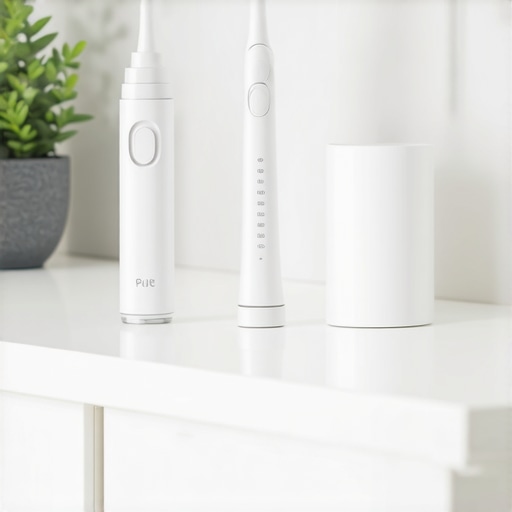
My daily routine starts with a top-tier electric toothbrush equipped with real-time feedback and timers. The latest models, like the Oral-B Genius series, use oscillating-rotating action combined with pressure sensors that alert me if I’m brushing too hard—protecting my gums and enamel. The built-in timers ensure I brush for the recommended two minutes, a simple yet often overlooked aspect of effective cleaning. For ongoing maintenance, I suggest my patients consider these toothbrushes because they promote thorough plaque removal and prevent gum recession over time. As technology advances, future models will integrate AI-driven feedback, further customizing your brushing experience based on your specific needs.
Utilize a Water Flosser for Deep Cleaning
Despite regular flossing, I often recommend patients incorporate a water flosser, like the Waterpik Sonic-Fusion, into their routine. These devices efficiently dislodge debris from hard-to-reach areas, especially around crowns or fixed orthodontics. I use one personally because it minimizes trauma compared to traditional floss, making it ideal for people with sensitive gums or who wear aligners. Water flossers also help reduce gingivitis and support the longevity of veneers by maintaining clean margins. Looking to the future, I predict water flossers will increasingly incorporate customizable pressure settings and app-based tracking to optimize their benefits.
Advanced Whitening Kits with Professional-Grade Agents
When it comes to teeth whitening, over-the-counter options often fall short, and many patients underestimate this. That’s why I recommend professional-grade whitening kits, like custom tray systems with 16% carbamide peroxide, tailored for each individual. I personally use these because they deliver consistent, safe, and effective results that last much longer than OTC remedies. For sustained whitening and stain prevention, combining these with routine dental cleanings is essential. Expect the trend to shift toward whitening technologies that integrate LED light activation and home-use applicators with real-time monitoring, making professional results more accessible.
How do I maintain [Topic] over time?
Consistency is key. Regularly replacing your electric toothbrush heads, cleaning your water flosser components, and following your dentist’s professional advice ensure that your tools remain effective for years. Scheduling routine check-ups helps catch potential issues early before they escalate. As I often emphasize, choosing quality over cheap alternatives saves money and prolongs results, especially when considering high-value procedures like veneers or Invisalign. When properly maintained, these tools not only preserve your aesthetic investments but also safeguard your overall oral health.
For more personalized guidance, I recommend my patients review family dentistry tips and consider upgrading their home care arsenal to include these advanced tools. Don’t forget—long-term results depend on your commitment to maintenance and the right equipment. Pick a water flosser or an advanced whitening kit today, and see the difference it makes in your dental health journey.
Throughout my years as a family dentist, one recurring lesson has stood out: what you experience immediately after a cleaning can reveal more about your gum health than you might think. The spongy sensation your gums sometimes feel isn’t just a passing oddity; it holds clues to your body’s healing process and long-term oral health. Recognizing these signals and taking proactive steps can prevent minor issues from escalating into more serious concerns.
Lessons From the Chair That Change Everything
- Patience is a Virtue: When gums feel tender or spongy post-cleaning, I learned that giving them time to recover is key. Rushing to self-diagnose can lead to unnecessary worry—trust the healing process, but stay vigilant. It was a lightbulb moment when I realized that a gentle, consistent routine fosters better long-term results.
- Not All Sensations Are Alarms: Experiencing minor discomfort after a deep cleaning often indicates inflammation that’s resolving. Knowing this empowered me to avoid panic and instead focus on supportive home care strategies.
- Communication is Crucial: If your gum sensation persists beyond a week or worsens, consulting your dentist becomes essential. Shared knowledge from trusted sources, like family dentistry tips, can help you understand what’s normal and when to seek help.
The Perfect Pairing: Expert Tools for Lasting Results
- Smart Electric Toothbrushes: Investing in devices like the Oral-B Genius series ensures gentle yet effective cleaning, helping your gums heal faster and stay healthier. Their pressure sensors and timers promote optimal brushing without damage.
- Water Flossers with Precision: Devices such as Waterpik’s models go beyond traditional flossing, dislodging debris deep between teeth and around restorations, which supports a resilient gum foundation.
- Professional-Grade Whitening Kits: When considering teeth whitening, I trust custom tray systems with carbamide peroxide. They deliver safe, predictable results, reinforcing the confidence you gain from a bright smile. Look out for emerging features like LED activation and app integration that streamline home treatments.
Seize the Moment and Transform Your Smile
Your journey to a healthier smile is a personal one—combining professional guidance with the right tools makes all the difference. Remember, understanding your body’s signals and maintaining your routine are vital steps. With patience, proper equipment, and expert advice, you can keep your gums resilient and your teeth radiant for years to come.
What home care adjustments have you found most effective after dental cleanings? Share your experiences below, and let’s learn together to keep those smiles shining brightly!