
How to Stop Your Gums from Growing Over Your New Brackets
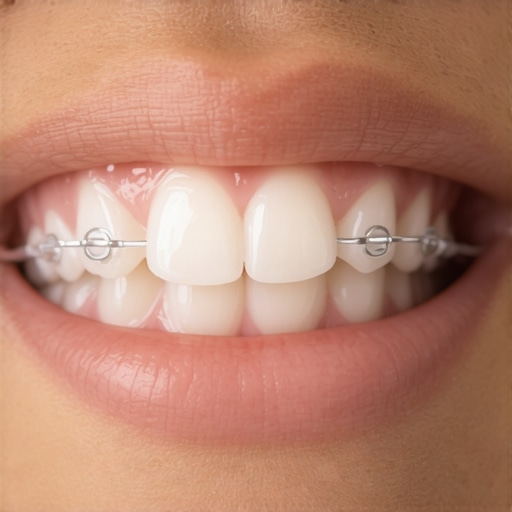
It happened unexpectedly during a routine flossing session. One morning, I noticed my gums had started to spill over my braces like an uninvited tide. Frustration and concern washed over me—was this normal? Did I do something wrong? This lightbulb moment made me realize I wasn’t alone in this struggle and that many others face the same challenge. The truth is, gum overgrowth is more common than we think, and if left unchecked, it can lead to discomfort, decay, and even jeopardize the success of your orthodontic treatment. But here’s the good news: there are effective ways to control it, and I want to share my journey to helping you keep your gums healthy during your braces journey.
Understanding Why Your Gums Might Grow Over Your Brackets
When I first experienced this issue, I did what most of us do—I ignored it, thinking it was just temporary. However, over time, I realized that unchecked gum growth can progress if not addressed properly. The main culprit? Plaque buildup under the braces, which irritates the gums and triggers an inflammatory response, causing them to swell and overgrow. This process is known as gingival hyperplasia, and according to recent studies, it affects a significant number of orthodontic patients—up to 30%—if proper oral hygiene isn’t maintained. I learned early on that my mistake was neglecting the importance of meticulous cleaning routines, especially around brackets and wires, which tend to trap plaque and food particles. You can find more insightful tips about maintaining optimal **family dental care** at [this resource](https://smilegumcare.com/ensuring-family-dental-care-what-parents-need-to-know-in-2025).
But why does gum overgrowth matter? Well, beyond the aesthetic concerns, swollen gums can lead to increased sensitivity, bad breath, and a higher risk of cavities around brackets. Left untreated, the overgrowth can even cause discomfort that hampers your ability to eat and speak comfortably. That’s why addressing this issue as soon as it appears is crucial.
Now, you might be wondering if there’s an effective way to prevent or stop this gum growth from overwhelming your braces. Absolutely! In the following sections, I’ll outline the steps I took—and that you can implement—to keep my gums in check. Whether you are just starting your orthodontic treatment or are already battling this problem, these practical tips can make a real difference.
Before we dive into the solutions, I want to hear from you: Have you ever noticed your gums acting up after getting braces? Or perhaps you’re worried about it happening? Feel free to share your experiences—sometimes, just talking about it helps take the first step toward control. And remember, you’re not alone in this fight. With the right approach, you can reclaim your healthy smile and keep those gums in perfect shape for the duration of your treatment.
Master Your Oral Hygiene Routine Immediately
When I first noticed excessive gum growth, I realized my daily cleaning was insufficient. I replaced my standard brushing with a targeted technique: using an orthodontic toothbrush to reach around brackets and wires effectively. I invested in interdental brushes to clean between braces and under the gumline without damaging the enamel. A specific moment I recall was waking up early and dedicating ten minutes meticulously cleaning around each bracket, which visibly reduced gum swelling within a week. Proper flossing was key, so I switched to floss picks designed for braces, making sure to gently work between teeth and along the gumline. Maintaining this consistency prevents plaque buildup, a primary cause of hyperplasia, and promotes healthier gums.
Select the Right Oral Care Products
Using medicated mouthwashes containing chlorhexidine significantly reduces bacterial plaque that irritates gums. I incorporated a daily rinse recommended by my orthodontist, which helped soothe inflammation and control bacterial growth. Additionally, consider using a toothpaste formulated to combat gingivitis and sensitivity, especially if gums are sore from overgrowth. When choosing products, look for those approved by dental associations; this small step ensures you’re using safe and effective items for gum health.
Refine Your Diet To Support Gum Health
Adjusting my diet had a surprisingly positive impact. I limited sugary snacks and acidic beverages that promote plaque formation. Instead, I increased my intake of crunchy vegetables like carrots and celery, which act as natural toothbrushes, helping to scrub away plaque mechanically. I also added foods rich in vitamin C, like oranges and strawberries, known to strengthen gum tissue and reduce inflammation. During this period, I avoided sticky candies and processed foods that tend to cling to brackets and exacerbate gum swelling. These dietary changes supported my oral hygiene efforts and made my gums less prone to overgrowth.
Schedule Regular Professional Cleanings
Consistent visits to my dentist or orthodontist were crucial. I scheduled cleanings every three to four months, allowing a professional to remove hardened plaque and tartar that my home routine couldn’t reach. During these visits, the hygienist used specialized tools to clean around brackets and under gums carefully, helping to prevent further hyperplasia. I learned that early intervention prevents the problem from escalating. Always inform your dental professional about any gum changes, so they can tailor cleanings and advise on additional treatments if necessary.
Use Gentle Massaging Techniques
Gentle gum massaging became part of my routine to promote circulation and reduce swelling. I used a soft silicone toothpick or a clean fingertip to lightly massage the gums around the affected areas after brushing. This helped in breaking down fibrous tissue involved in overgrowth and encouraged healthy tissue regeneration. I found that doing this daily, especially before bed, kept my gums firm and less inflamed. Be cautious not to apply excessive pressure, which can worsen irritation.
When to Seek Professional Help
If overgrowth persists despite diligent home care, consult your orthodontist or periodontist promptly. They may recommend medications or minor surgical procedures like gingivectomy to remove excess tissue effectively. In my case, a professional intervention eliminated stubborn swelling that home remedies couldn’t resolve, allowing my gums to recover and supporting my orthodontic treatment. Remember, professional guidance ensures that you’re not only controlling the symptoms but also addressing the root causes of gum overgrowth effectively.
Many assumptions circulate around cosmetic and family dental treatments, but let’s dive into some misconceptions that can lead to costly mistakes. Contrary to popular belief, not all teeth whitening methods are created equal; over-the-counter whitening strips, for example, may seem convenient but often lack the potency of professional options, and excessive use can lead to enamel sensitivity. Professional whitening, as described in [this comprehensive guide](https://smilegumcare.com/the-ultimate-guide-to-teeth-whitening-options-in-2025), ensures safer and more effective results when tailored to your needs. Additionally, many think veneers are purely for aesthetic enhancement, but they are also useful for functional improvement, such as fixing chipped or worn teeth. Choosing between veneers and crowns isn’t always straightforward; consult [this detailed comparison](https://smilegumcare.com/veneers-vs-crowns-which-is-right-for-your-smile) to understand which option best suits your smile goals.
A common myth is that Invisalign is only suitable for minor corrections, but with advancements in technology, clear aligners can now handle complex cases, as highlighted in [Invisalign’s latest innovations](https://smilegumcare.com/invisalign-innovation-invisible-braces-changing-smiles-in-2025-at-1537). However, one oops to watch for is neglecting compliance; wearing aligners only part-time diminishes results and can prolong treatment durations. For parents considering family dental care, many overlook the importance of early intervention in children’s orthodontic issues, which can prevent more extensive treatments later. As discussed in [family dentistry tips](https://smilegumcare.com/family-dentistry-building-healthy-smiles-for-every-generation), early monitoring can save costs and improve long-term oral health.
Let’s talk nuance—what about unrecognized pitfalls? For instance, believing that orthodontic treatments like Invisalign or veneers are quick fixes rather than long-term commitments can lead to disappointments. Proper planning, regular check-ups, and realistic expectations are essential. Some patients also underestimate the significance of quality materials and professional supervision; choosing cheap, DIY options or ignoring expert advice may result in damage or subpar results. Always verify the credentials of providers and seek recommendations.
Have you ever fallen into this trap? Let me know in the comments. Recognizing these nuances can save you time, money, and stress—and ensure you achieve the smile you desire with confidence.Maintaining a healthy smile throughout your orthodontic journey and beyond requires more than just regular brushing. Investing in the right tools can make a significant difference in preserving results, whether you’re keeping up with teeth whitening, veneers, or Invisalign treatment. One of my top recommendations is the **AirFloss** by Philips. I personally use it daily because its targeted airflow effectively dislodges plaque and food debris from hard-to-reach areas around braces and veneers, surpassing traditional floss in convenience and efficacy. This tool not only enhances oral hygiene but also encourages consistent cleaning habits among family members, which is crucial for long-term success. Additionally, I’ve found that an ultrasonic scaler—like the **OSASER**—is invaluable for professional cleanings, removing stubborn tartar that regular home tools can’t touch, especially around orthodontic brackets. Regular professional cleanings every three to four months, as I mentioned earlier, help prevent plaque buildup that leads to gum overgrowth or decay, aligning with best practices outlined in [family dentistry tips](https://smilegumcare.com/ensuring-family-dental-care-what-parents-need-to-know-in-2025). Looking ahead, the future of dental maintenance seems poised to embrace smart technology; innovations such as app-connected sonic toothbrushes will empower patients to monitor their brushing habits in real-time, promoting better compliance and healthier outcomes.
What I Wish I Knew When I Started Family Dentistry
One of the biggest lessons I learned is the importance of proactive oral care, especially when using advanced treatments like veneers and Invisalign. Waiting until problems arise often means more invasive procedures down the line. Regular check-ins and early intervention can save you time, money, and discomfort. I also discovered that building a relationship with a trusted dental team makes a tremendous difference—don’t wait for issues to become painful before seeking professional advice.
Tools and Resources That Make a Difference
I rely on a few key tools and resources that have truly transformed my approach to maintaining dental health. The Philips AirFloss, for example, helps me reach tricky areas around braces or veneers effortlessly, ensuring plaque doesn’t cause unnecessary gum overgrowth. I also trust [the comprehensive guide to teeth whitening strategies](https://smilegumcare.com/brighten-your-life-top-teeth-whitening-strategies-today) for tips on preserving your bright smile post-treatment. And, of course, regular visits to knowledgeable dental professionals, as detailed in [family dentistry tips](https://smilegumcare.com/ensuring-family-dental-care-what-parents-need-to-know-in-2025), provide the personalized care I need to stay on top of my oral health game.
Keep Your Smile Bright and Healthy: Your Next Steps
Your journey toward a healthier, more confident smile isn’t over—it’s just beginning. Embrace the routines, tools, and professional guidance that best fit your lifestyle. Remember, consistent care and early action are your best allies to prevent gum overgrowth and other issues during your teeth transformations. Now’s the time to take charge and enjoy the confidence that comes with a radiant, healthy smile. How are you planning to enhance your dental routine today? Share your thoughts below, and let’s continue this journey together!