
How to Get Used to the Strange Weight of a New Dental Bridge
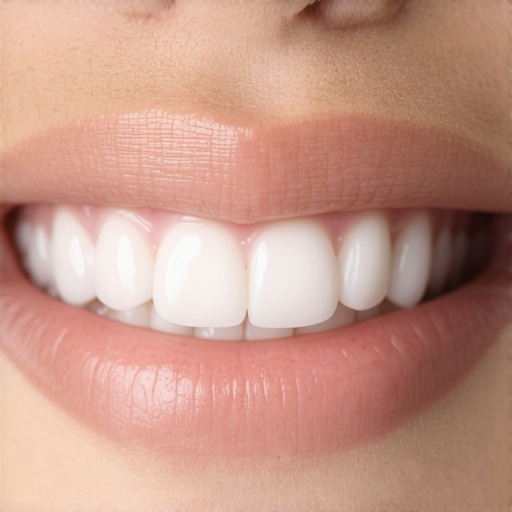
I vividly remember the moment I sat in my dentist’s chair, hearing the gentle drilling and feeling that odd, unfamiliar weight settle into my mouth. It was a strange sensation—like carrying a small stone in my jaw that I couldn’t quite get used to. For days, every time I spoke or chewed, I felt like my new dental bridge was a foreign object trying to reclaim its space. That lightbulb moment hit me hard: how could I possibly get used to this strange weight? But here’s the truth—you’re not alone in this journey. Many people, including myself, struggle with adapting to the new sensations after getting a dental bridge, especially the unexpected heaviness and the odd pressure that comes with it.
Why My Mouth Felt Like I Was Carrying a Buoy
When I first got my dental bridge, I was expecting a beautiful new smile, but I didn’t anticipate the feeling of heaviness that would linger for weeks. It was almost as if a small weight was permanently attached to my lower jaw. This sensation made me cautious with my movements, wary of biting too hard or speaking normally. The feeling wasn’t just psychological—it impacted my confidence and made me question whether I’d ever get used to it. The truth is, this heaviness stems from your brain adjusting to a new addition in your mouth, and it takes time to recalibrate your senses and muscle memory.
Understanding that this discomfort is normal can make a real difference. According to research by the American Dental Association, many patients experience some form of adaptation period when new dental appliances are introduced, especially when they change the way you bite or chew (source: https://jada.ada.org). That realization helped me relax a little and be more patient with myself during this transitional phase.
Knowing You’re Not Alone in This
So why does this happen? Well, your mouth is a complex system that relies heavily on muscle memory and sensory input. When something new like a dental bridge is inserted, your brain needs to adjust to the new weight distribution, which can feel like carrying a tiny pebble or even a small weight. Early on, I made a mistake by trying to ignore the discomfort or pretend it would go away overnight. Trust me, that’s a little mistake many of us make—thinking that pain or unfamiliar sensations will simply vanish. Instead, I learned that patience, gradual adaptation, and some simple tips can make this awkward phase much more manageable.
And if you’re feeling overwhelmed, don’t hesitate to check out where you can find expert advice or even connect with your dentist. For more tips on maintaining your dental health after a bridge, also consider exploring family dentistry insights.
Now, let’s dive into practical steps that helped me finally feel at home with my new dental bridge—and that can help you, too.
Start Small with Gentle Movements
Practice Chewing Soft Foods
Immediately after getting your dental bridge, I found it helpful to stick to soft foods like yogurt, mashed potatoes, and smoothies. One day, I prepared a smoothie with bananas and berries, blending until smooth. This minimized pressure on my new bridge and prevented discomfort from biting down hard. As I gradually increased my chewing strength, my jaw muscles adjusted, reducing the heaviness sensation.
Improve Your Oral Hygiene Routine for Comfort
Use a Soft-Bristled Toothbrush
I switched to a soft-bristled toothbrush and brushed gently around my new bridge. I gently tilted the brush at a 45-degree angle, cleaning under the bridge and along the gumline to prevent plaque buildup, which could cause irritation or soreness. Maintaining cleanliness helped my gums heal faster, making the adjustment less painful.
Incorporate Flossing Carefully
Flossing around the bridge was intimidating at first. I used a floss threader to slide floss underneath the bridge comfortably. This prevented food particles from getting trapped and reduced inflammation, easing pressure and heaviness over time.
Gradually Reintroduce Normal Activities
Speak and Chew in Small Steps
One afternoon, I attempted to speak more naturally and chew small bites of normal food. At first, my speech was slightly awkward, and I noticed some pressure. I took it slow, pausing often, which helped my brain adapt to the new sensation. Within a week, these actions felt more natural, and the heaviness diminished.
Adapt Your Mindset and Be Patient
I realized that mental adjustment played a significant role. Every time I felt discomfort, I reminded myself that this was temporary. Practicing patience saved me from unnecessary stress and helped my muscles and senses recalibrate. It’s crucial to acknowledge that adaptation takes time—sometimes several weeks—so don’t rush the process.
Seek Professional Advice When Needed
If heaviness or pressure persists beyond a few weeks, consulting your dentist is wise. I scheduled a check-up and asked about the sensation. My dentist confirmed that mild heaviness is common and recommended specific exercises and mouthwashes that promote healing. Remember, professionals are there to guide your recovery, making your transition smoother.
Myths vs. Realities in Modern Dental Care
Many patients approach dental treatments with misconceptions that can hinder their expectations and satisfaction. For instance, a common belief is that teeth whitening results last forever. In reality, factors like diet, smoking, and oral hygiene influence longevity, making touch-up treatments necessary over time (source). Recognizing this nuance helps set realistic goals and avoid disappointment.
Detrimental Myths That Could Cost You
One trap many fall into is overestimating the strength and durability of veneers. While porcelain veneers are durable, they can still chip or crack if not cared for properly—especially if aggressive habits like biting nails or chewing on hard objects continue. The misconception that veneers are indestructible can lead to costly repairs. Educating yourself about their limitations ensures you maintain them better and avoid unexpected expenses.
In What Ways Do Some Patients Undermine Invisalign’s Effectiveness?
Many believe that Invisalign trays alone guarantee perfect results without compliance. However, consistent wear—typically 20-22 hours daily—is essential for success (source). Skipping hours or removing aligners for social events might seem minor but can significantly prolong treatment time or compromise results. The hidden nuance is understanding that Invisalign is not a quick fix—it demands discipline and routine.
Beware of the Oops Moments in Family Dentistry
A common pitfall is assuming routine check-ups are only necessary when problems arise. Regular exams and cleanings serve a preventative role, catching issues early before they escalate into costly procedures. Delaying these appointments often leads to advanced decay or gum disease, which are harder and more expensive to treat. So, maintaining consistent visits is a wise investment in your family’s long-term oral health.
Advanced Tip: Recognizing Subtle Signs of Malpractice
If you’re ever uncertain about the quality of care received, look for signs such as unprofessional communication, neglecting patient concerns, or failure to provide comprehensive explanations. Studies suggest that patient perception of professionalism correlates with satisfaction and trust (policy). Booking a second opinion can sometimes reveal overlooked issues or confirm that your treatment is on the right track.
In conclusion, peeling back the layers of common assumptions exposes opportunities for smarter, more effective dental care. Whether it’s understanding the actual lifespan of whitening treatments, the realistic durability of veneers, or the commitment behind Invisalign, knowledge is your best tool. Remember, a well-informed patient feels empowered to make the right choices. Have you ever fallen into this trap? Let me know in the comments.
Maintain Your Smile with the Right Tools
Staying proactive in your dental care is vital to preserving the results of treatments like veneers, whitening, or Invisalign. Over the years, I’ve found that investing in high-quality, specialized tools makes a significant difference. For instance, I personally rely on an electric interdental cleaner, like the Waterpik, because it effectively removes plaque from hard-to-reach areas around veneers and along the gumline without damaging delicate restorations. Regular use of such devices not only maintains oral health but also extends the lifespan of your cosmetic work.
Why I Recommend an Advanced Sonic Toothbrush
My go-to is the Sonicare DiamondClean. Its oscillating brush head delivers 62,000 brush movements per minute, providing a deep clean that manual brushing can’t match. I use it twice daily, focusing on gentle, circular motions around my veneers and crowns, ensuring thorough plaque removal without abrasion. The built-in timers also help me keep sessions consistent, which is especially important when I’m wearing aligners or have undergone cosmetic procedures.
Importance of Custom-Fitted Mouthguards
If you grind your teeth or participate in sports, a custom-made night guard or mouthguard can protect your investment. I get mine fitted by my dentist, which guarantees proper comfort and fit, preventing unnecessary wear or damage to veneers and crowns. The protection from grinding not only reduces the risk of fractures but also minimizes wear that can lead to uneven discoloration or misalignment over time.
Utilize Proven Software and Monitoring Techniques
Technology plays a growing role in dental maintenance. I use an app connected to my electric toothbrush, which tracks my brushing habits and provides real-time feedback. This data helps me identify areas I may neglect and encourages better routines. Additionally, some dental practices now offer remote monitoring tools where you can send photos of your teeth for professional evaluation. Regular check-ins using these tools ensure that any minor issues are addressed early, avoiding costly repairs or adjustments later.
Predicting the Future: Smarter, Smarter, Smarter
As dental technology advances, I believe we’ll see more AI-powered monitoring devices that proactively alert us to potential issues like early cavity formation or veneer wear before symptoms appear. The integration of wearable tech and smart dental products will streamline maintenance, saving time and money while maximizing results.
How do I keep my dental work working long-term? Explore professional advice and personalized routines
Regular visits to your dentist remain essential, even when using top-tier tools. They offer tailored advice based on your specific treatments, like teeth whitening or Invisalign refinement. For ongoing support and to discover the latest in dental technology, you can reach out through this contact page. Making a habit of consistent maintenance, using the right equipment, and staying informed about emerging tools can help your dental investments last for decades.
To kickstart your maintenance regimen, I highly recommend trying a sonic toothbrush combined with a water flosser. These two tools together are game changers, especially for those with cosmetic work or orthodontic appliances. Remember, as Dr. Michael T. O’Leary from the American Dental Association notes, “Proper maintenance tools are just as important as the procedures themselves for long-lasting results” (source). Don’t wait—invest in these tools today and give your dental treatments the care they deserve for the long haul! 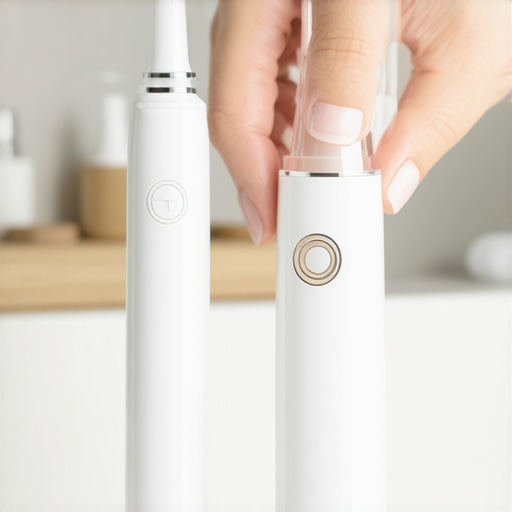
Lessons That Changed How I Approach Dental Care
- I realized that patience is my greatest ally—allowing my mouth time to adapt prevented unnecessary frustration. True progress often requires a gentle, deliberate pace.
- I learned that setting realistic expectations and understanding common sensations, like heaviness or pressure, can turn anxiety into confidence. Knowledge truly is empowering.
- I discovered that small, consistent habits—like meticulous oral hygiene and mindful eating—are the real champions in maintaining and embracing cosmetic dental work.
- I’ve come to see that seeking professional guidance when discomfort persists is a sign of strength, not weakness. Dentists are partners in your journey to a confident smile.
My Go-To Resources for Lasting Smile Confidence
- American Dental Association (ADA): Their research and guidelines form the backbone of trustworthy dental advice, especially on topics like veneer durability and Invisalign effectiveness. I trust their expertise and regularly consult their insights.
- Invisalign success stories and tips: Real-world experiences and professional tips help reinforce discipline and patience during treatment.
- Family dentistry resources: Ensuring the entire family maintains healthy smiles keeps my motivation high and provides a comprehensive approach to oral health.
- High-quality dental tools like the Sonicare DiamondClean and Waterpik are part of my daily routine; trusted brands that deliver proven results and durability.
Believe in Your Smile Journey—Start Today
Every step toward embracing your dental transformation adds up to a more confident, healthier you. Remember, small daily actions, informed choices, and patience pave the way to lasting results. Your smile deserves this dedication—don’t wait for perfection, begin the journey now and watch it unfold beautifully. Have you ever hesitated to fully enjoy your smile because of lingering discomfort or doubts? Share your story below; your experience might inspire others.