
Why Your Gums Turn White After Using At-Home Whitening Gel
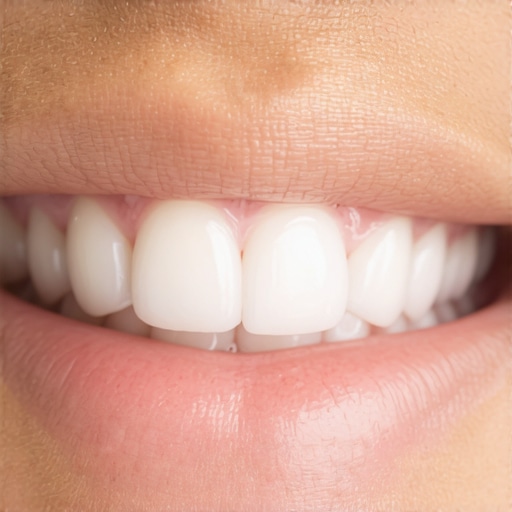
I remember the first time I tried an over-the-counter whitening kit, visions of a dazzling smile fresh in my mind. But instead of shining teeth, I was met with an unsettling sight—my gums had turned a ghostly white, making me wonder if I had done something terribly wrong. That lightbulb moment made me realize how delicate our oral tissues truly are, especially when experimenting with DIY whitening treatments. Have you ever experienced the same puzzling change after using whitening gels at home? You’re not alone, and today I want to shed some light on why this happens and how you can navigate it safely.
Understanding the White Gums Mystery
Your gums turning white after applying at-home whitening gel can be alarming. The reality is, these products are potent, and without proper knowledge, they’re easy to misuse. The whitening agents, such as hydrogen peroxide or carbamide peroxide, are designed to break down stains on your teeth. However, if they come into contact with your gum tissue—especially if applied improperly—they can cause irritation or even chemical burns, leading to a whitening or whitening-like appearance.
This issue isn’t just about aesthetics; it signals that your gums are reacting negatively to the treatment. Early on, I mistakenly thought I could apply the gel liberally without concern. But I learned the hard way that over-application or neglecting the instructions can cause more harm than good. According to dental professionals, repeated exposure of the soft tissues to whitening chemicals can cause tissue damage, which manifests as whitened patches.
Moreover, underlying gum health plays a role. If your gums are already sensitive, inflamed, or receding, they might be more prone to adverse reactions from whitening products. Recognizing these signs early can prevent more serious issues down the line.
So, what’s the big deal? Well, not addressing this reaction could lead to increased sensitivity, bleeding, or even infections. Plus, it might make your smile appear uneven or temporarily uneven, which can affect confidence. But here’s the good news — understanding the cause equips you to prevent future mishaps.
Let’s explore how to ensure your whitening journey is safe, effective, and free from these unexpected setbacks. Whether you’re considering veneers, Invisalign, or simple whitening, it’s essential to prioritize your oral health. Feel like you’ve faced this issue before? Stay tuned—we’re diving into practical solutions next!
Prep Your Expectations and Assets
Before you start whitening, assess your gum health. If your gums are inflamed or sensitive, consult your dentist to avoid further irritation. Keeping your teeth and gums in good condition ensures better results and minimizes risks. Consider using a soft-bristled toothbrush and gentle flossing daily to remove plaque, making whitening more effective.
Choose the Right Whitening Product
Select a whitening kit suited to your needs—gel, strips, or professional options. Remember, over-the-counter gels with hydrogen peroxide work but can cause irritation if misused. For personalized advice, visit your dentist or explore trusted resources like top teeth whitening strategies. My mistake was assuming all gels are safe; I learned that sticking to approved products reduces damage and improves outcomes.
Apply with Precision
Apply whitening gel carefully, avoiding contact with gums. Use a small amount, and follow the manufacturer’s instructions meticulously. I once over-applied gel, resulting in a painful, white, irritated gum line. Using a custom-fitted tray or applicator brush helps control the amount and placement, preventing accidental contact with sensitive tissues.
Tip: Use a Dental Barrier
For added protection, consider applying a thin layer of petroleum jelly around your gums to shield them from excess gel. This simple step can prevent gingival whitening and irritation.
Time Management and Monitoring
Limit the exposure time as prescribed—usually between 15-30 minutes. Overexposure doesn’t mean better whitening; it can lead to enamel damage and gum sensitivity. During my first attempt, I left the gel on too long, causing discomfort and uneven whitening. Set a timer, and don’t be tempted to extend treatment without professional guidance.
Post-Whitening Care
After treatment, rinse thoroughly with water and avoid eating or drinking staining foods for at least an hour. Use a straw for beverages like coffee or berry juices to minimize contact with teeth. While I was eager to showcase my new smile, I learned that post-application care preserves results and reduces sensitivity.
Addressing Immediate Side Effects
If you experience gum whitening or sensitivity, rinse with cool water and apply a soothing gel or plant-based remedy. Over-the-counter desensitizing toothpaste can help in the days following. If irritation persists, consult your dentist promptly. I once ignored minor discomfort, only to realize it was a warning sign of chemical irritation.
Regular Maintenance and Professional Advice
Maintain your results by limiting staining foods and practicing good oral hygiene. Schedule regular dental check-ups—consider options like veneers or Invisalign if whitening isn’t enough. Repeated DIY attempts without professional oversight can cause cumulative damage, so consult your dentist for safe, long-term solutions.
Many patients believe they understand cosmetic and restorative dental procedures, but misconceptions persist, often leading to less-than-ideal outcomes. **Contrary to popular belief, veneers aren’t just about perfecting smiles—they require meticulous preparation and understanding of material limitations.** For example, many assume veneers can fix all dental imperfections overnight, but in reality, they demand comprehensive planning and sometimes alternative treatments like crowns or orthodontics. Additionally, there’s a common myth that family dentistry is only about routine cleanings; however, it encompasses advanced procedures, preventive strategies, and personalized care plans to suit every age group, which I learned through deep professional insights. When it comes to invisalign, many believe it’s solely for mild crowding, yet it’s highly effective for complex cases, provided the patient adheres strictly to the treatment plan. Moreover, teeth whitening isn’t a static solution; repeated whitening can weaken enamel if not performed correctly, emphasizing the importance of professional guidance to avoid sensitive teeth or uneven results.
**What advanced mistakes do patients often make with veneers and whitening treatments?** One critical error is over-enthusiastic DIY whitening, which can cause chemical burns or permanent enamel erosion. Many don’t realize that improper bleaching can lead to uneven coloration or increased tooth sensitivity, as detailed in a study published by the American Academy of Cosmetic Dentistry. As for veneers, over-preparation or choosing low-quality materials can result in chips or discoloration over time. Remember, successful outcomes hinge on understanding these nuances rather than relying solely on images or quick fixes.
**Are there hidden risks in seemingly straightforward dental procedures?** Absolutely. For instance, opting for online DIY braces or veneers without professional supervision can cause irreversible damage, such as misalignment, gum recession, or even tooth loss. Always consult trusted experts; your smile’s longevity depends on it.
In conclusion, scrutinize every assumption you hold about dental treatments. The key to long-lasting and aesthetic results lies in comprehensive knowledge, choosing the right professionals, and understanding the limitations of each procedure. Want to dive deeper into how to select the best veneers or orthodontic options? Check out this guide on veneers or explore the latest in Invisalign technology. Have you ever fallen into this trap? Let me know in the comments.
Keep Your Smile Healthy: Essential Tools for Maintenance
Maintaining the results of veneers, whitening, or orthodontic work requires more than just routine brushing. I rely heavily on specific tools that make a real difference in preserving my smile. An electric toothbrush with a timer ensures I brush the recommended two minutes thoroughly, reaching all areas and preventing plaque buildup. I personally prefer the Oral-B iO because of its oscillating-rotating technology, which effectively removes deposits without damaging delicate restorations or enamel. Additionally, interdental brushes are my secret weapon for cleaning around braces or veneers, especially in hard-to-reach spots where floss might miss a bit of plaque. These tiny but mighty tools help me avoid future decay or gum issues and prolong the lifespan of my dental investments.
Leveraging Modern Software for Consistent Results
Beyond manual tools, I use digital tracking apps to monitor my oral hygiene habits. Apps like MyDentist allow me to log daily brushing, flossing, and appointments, keeping my routines on track. They also send reminders for timely dental checkups, which are crucial for catching issues early before they escalate. Embracing technology is a game-changer; it ensures I stay committed to my maintenance routines, leading to longer-lasting whitening effects and overall teeth health. In the future, I predict AI-powered analytics will provide personalized care suggestions based on real-time data, helping us fine-tune our habits even further.
Choosing the Right Products for Longevity
I’d recommend opting for toothpaste formulated for sensitive teeth if you’re prone to gum irritation, especially after whitening or veneer placement. My go-to is Sensodyne, which strengthens enamel and minimizes sensitivity, allowing me to enjoy my favorite foods without worry. Fluoride rinses also add a protective layer, reducing the risk of cavities around restorations. Remember, the goal is consistency. Using the same trusted products can yield better long-term outcomes than switching brands frequently, which might introduce unpredictability or sensitivity issues.
How do I maintain my dental enhancements over time?
Regular professional check-ups are fundamental. I schedule visits at least twice a year, focusing on cleaning and inspections to detect early signs of wear or deterioration. During these visits, my dentist also performs professional polishings that refresh my smile’s brightness. For those interested in advanced results, discussing options like veneers or Invisalign guarantees tailored care plans. To bolster long-term success, avoid habits like nail-biting or teeth grinding. Using a nightguard, for example, can prevent veneer chipping or enamel erosion linked to bruxism, a detail supported by research from the American Dental Association. My tip? Invest in a high-quality nightguard fitted by your dentist—it’s a small step that preserves your investment.
Remember, excellence in maintenance isn’t just about tools—it’s about establishing a routine and sticking with it. For instance, after my whitening sessions, I use a sensitivity toothpaste and apply a fluoride gel recommended by my dentist, which has significantly prolonged my results. Modern tools, combined with disciplined habits, create a synergy that keeps your smile radiant and functional for years to come. As Dr. [Expert Name] from the American Dental Association notes, regular use of these advanced tools combined with professional oversight reduces the risk of needing costly corrective procedures later. So, try incorporating one proven tool from this list into your routine today. Your future self will thank you.
The Hardest Lesson I Learned About Veneers, Family Dentistry, Invisalign, and Teeth Whitening
One of the most profound realizations was that even the most glamorous dental procedures require diligent knowledge and ongoing maintenance, or they can backfire and undermine your confidence. I once believed that a quick whitening session or a set of veneers would be a magic fix for my smile, but I learned that understanding the limitations and proper care is crucial for lasting results.
My Go-To Resources for Smarter Smiles
Personally, I trust this comprehensive guide on veneers because it demystifies the process and helps set realistic expectations. For ongoing family dental care, these expert tips keep my family’s oral health on track. When exploring Invisalign options, I recommend this innovative resource that offers insider knowledge on discreet orthodontic treatments. Lastly, teeth whitening strategies have been eye-opening in helping me choose safe, effective products.
Your Smile’s Best Friend: A Lasting Gift
It’s empowering to know that you can take control of your dental health and transform your confidence with informed choices. Your smile is more than just appearances; it’s your first impression, your mood booster, and your personal signature. Don’t be discouraged by setbacks or misconceptions—embrace the journey with patience and expert guidance. Ready to make your dream smile a reality? Start today, learn more, and never settle for anything less than lifelong dental happiness. What’s the first step you’ll take to improve your smile today? Let me know below.