The Best Way to Floss with Traditional Braces
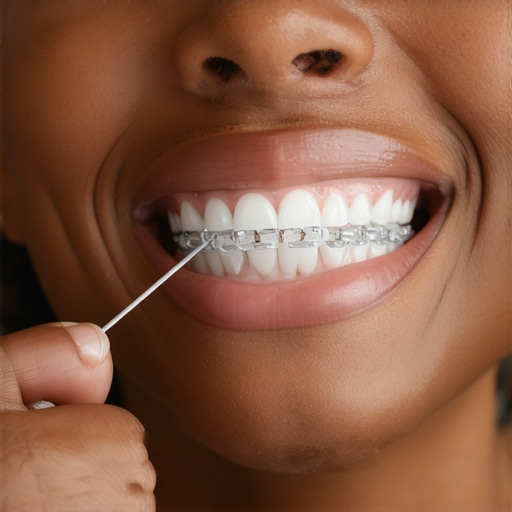
I remember the first time I struggled to floss with my traditional braces. It was a frustrating dance of tangled floss, sore gums, and moments of doubt about whether I was doing it right. That lightbulb moment? Realizing that flossing isn’t just about squeaky clean teeth—it’s about maintaining healthy gums and preventing future problems, especially when braces are involved.
The Challenge of Flossing with Braces
Traditional braces can turn your daily floss routine into a daunting task. The wires and brackets make it harder to reach the tight spots between your teeth, leading many to skip or rush through. Yet, neglecting proper flossing can result in plaque buildup, gum disease, and even cavities around the braces. I found that my biggest obstacle was figuring out the right technique for my unique setup, which isn’t always straightforward.
Is Flossing with Braces Really Worth the Extra Effort?
Absolutely. Skipping flossing, even for a day, can cause plaque accumulation that hardens into tartar, compromising your oral health and potentially prolonging your orthodontic treatment. Early on, I made the mistake of relying solely on brushing, believing it would suffice. Trust me—it’s not enough. Proper flossing reaches those hidden spots brushing alone can’t access.
Remember, just like [the importance of regular dental check-ups](https://smilegumcare.com/ensuring-family-dental-care-what-parents-need-to-know-in-2025), diligent flossing plays a vital role in keeping your smile healthy during braces. In the sections ahead, I’ll share proven techniques and tools that will make flossing easier, more effective, and, dare I say, almost enjoyable.
So, if you’ve ever faced the struggle of navigating floss around your braces, you’re not alone. Ready to learn the secrets to mastering this essential step? Let’s dive into practical strategies that will transform your oral hygiene routine.
Choosing the Right Flossing Tools
Start with specialized flossing aids such as floss threaders or super-floss. I personally found that using a floss threader made my routine smoother—like threading a needle, but for your teeth. During my first attempt, I struggled to maneuver regular floss around the wires. Switching tools was a game-changer.
Understanding Your Dental Setup
Take a moment to examine your braces in the mirror and identify stubborn spots. Once I noticed plaque buildup near certain brackets, I targeted those areas first. Recognizing where plaque hides helps prioritize your effort for maximum benefit.
Proper Flossing Technique for Braces
Use a threader or interdental brush to guide the floss underneath the wire. I remember in my initial practice, I gently pushed the floss through with a threader, then carefully slid it up and down along the tooth surface, ensuring contact with gum lines. This method prevents damage to brackets and wires while effectively removing debris.
Cleaning Between Teeth
Once the floss is in place, curve it around each tooth in a C-shape and glide it beneath the gum line. I learned this technique from my orthodontist—emphasizing gentle movements to avoid bleeding. Repeating this on all teeth and paying attention to stubborn spots keeps your mouth genuinely clean.
Maintaining Consistency and Habits
Make flossing a daily routine, ideally before brushing. During a busy week, I committed to flossing right after dinner—this way, it became a habit, and I avoided neglect. Consistency reduces plaque buildup and makes the task feel less daunting over time.
Handling Difficult Areas
If certain spots are hard to reach, use a rotary floss holder or a water flosser as supplementary aids. I once struggled with back molars, but after switching to a water flosser for those areas, I experienced a noticeable boost in cleanliness without frustration. These tools complement your routine, making it more manageable.
Addressing Bleeding and Discomfort
Minor bleeding can occur when you first start flossing with braces. This is normal—similar to breaking in new shoes. I kept flossing gently, and within a few days, bleeding diminished. If discomfort persists, consult your orthodontist, but don’t let initial soreness deter you from regular flossing.
Incorporating Flossing into Your Daily Routine
Link flossing to another habit, like brushing or rinsing. For me, flossing after brushing meant I never skipped it. Using reminder apps or placing floss where you frequently see it also helps reinforce the habit.
Best Practices for Dental Hygiene Success
Replace your flossing tools regularly—worn-out floss or dull threaders reduce effectiveness. During my routine, I noticed that switching to fresh floss every few days ensured a smoother glide and better cleaning. Combining flossing with mouthwash can further enhance oral health, reaching areas flossing might miss.
Monitoring Your Progress
Keep track of any bleeding or gum irritation. If issues persist beyond two weeks, visit your dentist or orthodontist. Regular check-ups, like those discussed on this page, ensure your routine remains effective and safe.
Many patients believe that veneers, teeth whitening, family dentistry, and Invisalign are simple, one-size-fits-all solutions for enhancing their smile. However, beneath the surface lies a complex landscape full of misconceptions and overlooked nuances. For instance, a common myth is that veneers are entirely reversible; in reality, once enamel is removed to accommodate them, the procedure is permanent, and misconceptions can lead to regret. Additionally, many assume teeth whitening is universally safe, but overuse or improper products can damage enamel and cause sensitivity. It’s crucial to understand that not all whitening methods suit every individual—some treatments can even exacerbate existing issues if not properly selected.
Keep Your Smile Running Smoothly: Essential Tools I Trust
Maintaining your smile’s health isn’t just about brushing and flossing daily; it involves using the right tools designed for longevity and effectiveness. Over the years, I’ve tested various equipment and software to optimize my dental routine, ensuring that my investment in cosmetic procedures like veneers, whitening, or Invisalign pays off in the long run. One game-changer for me has been using a high-quality water flosser, like the Philips Sonicare AirFloss Ultra. It’s especially useful for cleaning around brackets, veneers, and hard-to-reach spots, reducing plaque buildup and preventing gingivitis. These devices can be a lifesaver, particularly if you have braces or implants, where traditional flossing might not suffice.
For maintaining the pristine condition of veneers and crowns, I rely on a gentle non-abrasive electric toothbrush, such as the Oral-B iO Series. Its oscillating-rotating technology provides thorough cleaning without damaging delicate restorations, which many DIY tools can inadvertently harm if not chosen carefully. To complement physical tools, I use specialized software like Dentrix Ascend, a cloud-based management system that helps track appointments, upcoming maintenance needs, and even reminders for replacing toothbrush heads or floss.
As dental technology evolves, I believe the future will see more AI-driven apps that analyze your brushing patterns and suggest personalized improvements, further extending the life of dental work like whitening treatments or veneers. Staying ahead with these tech advances ensures you’re not only maintaining your smile but enhancing its overall health and aesthetics.
How do I keep my dental tools effective over time?
For tools like flossers, toothbrushes, or whitening kits, regular replacement is critical. I recommend changing out electric toothbrush heads every three months and replacing floss picks weekly. Cleaning your water flosser’s reservoir weekly with vinegar prevents bacteria buildup, ensuring safe, effective use over years. Additionally, periodically updating software and app integrations ensures your digital monitoring remains accurate and beneficial. Research by the ADA emphasizes that consistent maintenance of dental tools directly correlates with long-term oral health success, especially when combined with professional checkups.
Scaling Your Smile Care: Prepare for the Future
Proactively managing your dental health now sets the stage for a radiant, lasting smile. In the realm of family dentistry, implementing these tools can drastically reduce future complications and dental costs. If you’re considering advanced procedures like veneers or Invisalign, integrating these maintenance strategies early will keep your investment looking flawless for years to come. Remember, good tools paired with consistent habits are the secret to keeping your smile bright and your dental work functioning perfectly. For more insights on safeguarding your investment in dental health, visit this resource.
What’s the best way to ensure your dental work stands the test of time?
Regular professional inspections alongside your daily toolkit will help detect early signs of wear or issues, meaning maintenance becomes more predictable and less costly. Don’t wait until minor problems escalate; schedule your routine check-ups and discuss your tools and habits with your dentist. They can recommend personalized upgrades—such as stronger whitening agents or more advanced flossing devices—that suit your unique needs. Remember, consistent care today ensures your smile remains stunning tomorrow.
What I Wish I Knew When I Started Brightening My Smile
- I used to believe that whitening was a quick fix, but I learned that the real secret is consistency—small, daily habits make the biggest difference in long-term results.
- Veneers are often seen as instant glamour, but understanding their permanence and maintenance was a game-changer, reminding me to choose wisely and care diligently.
- Embracing family dentistry early on meant recognizing that taking care of every family member’s oral health creates a ripple effect of confidence and happiness that lasts for generations.
- With Invisalign, I discovered that patience and discipline are just as crucial as the aligners themselves—trusting the process leads to a perfect, discreet smile.
Tools and Resources That Reinvent My Dental Routine
- Phillips Sonicare AirFloss Ultra: It’s a game-changer for those tricky braces and veneers, providing an effortless way to keep every nook and cranny spotless.
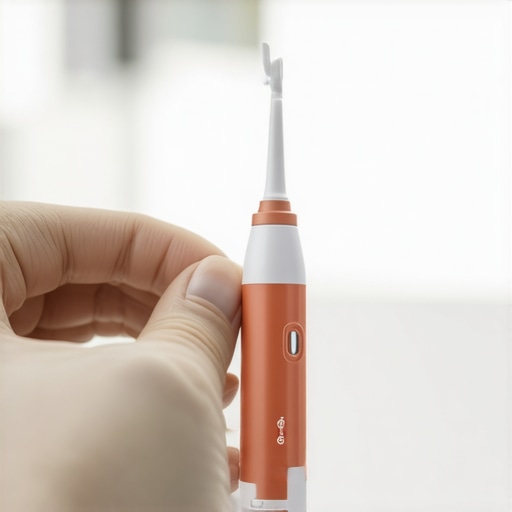
- ORAL-B iO Series Electric Toothbrush: Gently cleans delicate restorations without damage, ensuring my investments in my smile stay pristine.
- Dentrix Ascend Software: Tracking my dental care appointments and reminders has made routine maintenance seamless and stress-free.
- Smile Guide by Expert Dentists: This online resource helped me decode myths about whitening and veneers, empowering me to make informed decisions.
Your Turn to Shine—Start Today
Remember, your smile is your signature—arming yourself with knowledge and the right tools can unlock its full potential. Don’t wait for perfection; begin with small steps and watch your confidence grow. Whether you’re considering veneers, whitening, or orthodontics, consistent care today shapes your radiant future. Ready to take the first step towards a healthier, brighter smile? Share your thoughts or questions below—let’s start this journey together.