
How to Stop Food from Getting Stuck Under a Dental Bridge
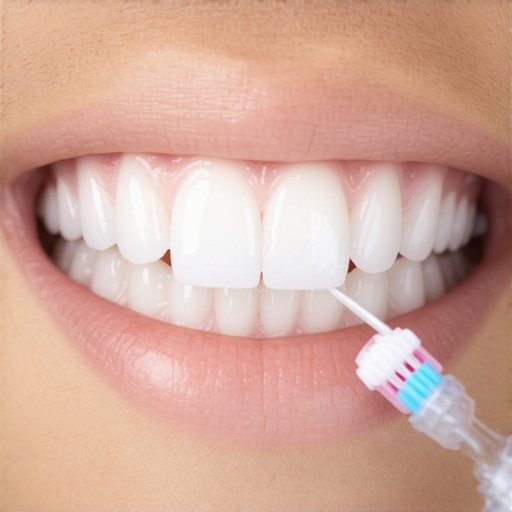
Ever had a moment where you’re enjoying a meal and suddenly feel that tiny but nagging sensation of food wedging itself beneath your dental bridge? I remember the first time it happened to me. I was savoring a crunchy apple, only to realize afterward that a piece of it was lodged uncomfortably just beneath my bridge. That lightbulb moment made me realize how tricky it can be to keep a confident, problem-free smile when you’re dealing with dental appliances.
Why Food Gets Stuck and How It Affects Your Confidence
Dental bridges are fantastic solutions for missing teeth, restoring function and appearance. However, they can create little gaps where food loves to hide. This isn’t just a minor inconvenience—it can lead to irritation, bad breath, or even decay if not managed properly. Honestly, early on, I made a mistake by assuming that my brushing routine alone would suffice. Turns out, neglecting the right tools and techniques meant that bits of food kept sneaking underneath, making my daily routine frustrating and unproductive.
Research indicates that improper cleaning around dental restorations can lead to plaque buildup and oral health issues. Maintaining a clean mouth isn’t just about aesthetics; it’s vital for your overall health. So, I promised myself I’d crack the code on avoiding that pesky food trap, and I want to share what I’ve learned on this journey.
Have You Faced Similar Frustrations? You’re Not Alone.
If you’re like me, you might have tried a toothbrush and maybe some floss, only to find they weren’t enough. The key is understanding the specific challenges posed by your dental work and applying targeted strategies. Trust me, I’ve been there, trying every trick and tip out there, and I still had to learn some lessons the hard way.
In the sections ahead, we’ll explore effective methods to prevent food from getting stuck under your dental bridge, making your daily life simpler and your smile brighter. Whether it’s choosing the right tools or adopting new habits, you’ll find practical advice backed by experience and expert insights. Ready to regain your confidence and keep your mouth happy? Let’s dive into the how-to guide that will change your routine for good.
.
Master Daily Flossing Technique for Bridges
Next time I struggled to dislodge food trapped beneath my bridge, I realized that traditional floss was inadequate. Instead, I switched to using a floss threader to navigate under the bridge comfortably. I gently pushed the floss through, making sure to wrap it around each tooth thoroughly. This method effectively removed debris that brushing alone couldn’t reach, reducing irritation and bad breath. Consistent use of a floss threader is crucial; skip days, and debris starts to settle. When I first tried this, I got a bit tangled, but persistence paid off, resulting in a cleaner, fresher mouth.
Incorporate Interdental Cleaners for Precision
After mastering floss threaders, I started using interdental brushes designed specifically for dental bridges. These small, firm brushes can reach into tight spaces without damaging the bridge or gums. I carefully inserted the brush beneath the bridge, sweeping back and forth to dislodge particles. Compared to floss, interdental brushes can cover more surface area quickly, making cleaning more efficient. I adopted this step daily; at first, I was worried about harming my gums, but gentle pressure kept everything safe and effective. This added layer of cleanliness prevented food buildup and maintained healthy tissue around my bridge.
Adjust Your Eating Habits for Hassle-Free Digestion
Switching to softer foods or cutting larger pieces into manageable sizes made a noticeable difference. I vividly remember biting into a crunchy carrot and feeling that familiar snag; instead, I started preparing vegetables into small, cooked pieces. Chewing slowly and thoroughly helped me avoid accidentally forcing food into the gaps, which could get trapped. Furthermore, I became mindful of avoiding hard, sticky, or fibrous foods that tend to lodge. This simple adjustment saved me from nightly frustration and ensured that I didn’t carry debris in my mouth all day. Small changes in eating habits can have a profound impact on avoiding food wedging beneath your bridge.
Use Water Flossers for Deep Cleaning
One of the game-changers was integrating a water flosser into my routine. I filled it with warm water, added a bit of mouthwash, and aimed it beneath the bridge with controlled pressure. The pulsating water loosened particles lodged in hard-to-reach areas, providing a thorough rinse without manual effort. I was initially skeptical, but after a few sessions, I noticed a significant reduction in food particles and an overall fresher mouth. Water flossers are especially beneficial for those with dental bridges because they can dislodge debris without interfering with the prosthetic. Regular, gentle use keeps the area clean and reduces the risk of decay or irritation.
Schedule Regular Dental Check-Ups
Finally, I learned that no DIY method replaces professional cleanings. During my visits, my dentist used specialized tools to remove stubborn plaque and checked the integrity of my bridge. They also provided personalized advice based on my habits. Scheduling appointments every six months became a routine, ensuring that any trapped debris or early signs of issues were addressed promptly. This proactive approach maintained my confidence and health, demonstrating that preventing food from getting stuck isn’t a one-time effort but an ongoing commitment.
When it comes to cosmetic and restorative dental treatments, many assume they’re straightforward solutions that require little nuance. However, offshore a deeper look reveals common misconceptions and pitfalls that can hinder your results or even cause damage. Let’s dig deeper into what most people overlook, challenge popular myths, and explore advanced mistakes that even experienced patients can make.
Are All Teeth Whitening Methods Created Equal?
Many believe that over-the-counter whitening strips are just as effective as professional whitening treatments. The truth is, DIY methods often involve ingredients that can harm enamel if misused, and they seldom produce results comparable to in-office procedures. For instance, professional whitening allows your dentist to customize the strength of bleaching agents, minimizing sensitivity and achieving faster, more uniform results. If you want reliable, safe whitening options, exploring strategies outlined in [these expert-approved whitening tips](https://smilegumcare.com/brighten-your-life-top-teeth-whitening-strategies-today) is a smart move. Remember, inappropriate whitening can cause uneven shades or increased sensitivity, so consulting your dentist before trying home kits is essential.
Veneers: Not Your Instant Transformations
Common wisdom suggests veneers are quick fixes for cosmetic issues, but many overlook the nuances involved. Veneers are custom-made to match your natural teeth and require careful planning. A frequent mistake is opting for ultra-thin porcelain veneers to cover significant discoloration or misalignment—these may not be suitable, and the veneers can crack or chip prematurely. Moreover, some patients underestimate the importance of preservation of tooth structure. A well-informed approach involves understanding when veneers are appropriate versus alternatives like crowns, which can offer more durability for extensive damage. To learn more about achieving natural-looking veneers, visit [this comprehensive guide](https://smilegumcare.com/transform-your-smile-with-veneers-expert-tips).
Invisalign and the Hidden Pitfalls of Orthodontics
Many assume Invisalign is foolproof for perfecting alignment, but advanced users know that the real challenge lies in compliance and case selection. Incomplete wear or improper attachment placement can result in subpar results. Another often-overlooked point is the importance of precise planning; tiny miscalculations in the virtual setup can extend treatment time or reduce efficacy. A crucial advanced mistake is neglecting to wear aligners consistently, especially during social events or travel, which can cause treatment delays. To navigate this effectively, understanding the latest innovations and tips, such as [these Invisalign secrets](https://smilegumcare.com/invisalign-secrets-achieving-a-perfect-smile-discreetly), can make all the difference.
Family Dentistry: Overlooking Long-Term Preventive Strategies
People frequently think of family dentistry as just a matter of routine cleanings. But a comprehensive approach emphasizes preventing issues before they arise. A common trap is ignoring early signs of misalignment or decay, assuming they’re insignificant. Regular check-ups and personalized advice are keystones for protecting your family’s oral health long-term. For targeted strategies tailored for every age group, see [this essential family dental guide](https://smilegumcare.com/family-dentistry-building-healthy-smiles-for-every-generation). Remember, neglecting proactive care can lead to expensive restorations or complex treatments down the line.When it comes to maintaining your smile after procedures like teeth whitening or veneers, having the right tools and habits is crucial for lasting results. Personally, I swear by using an electric toothbrush with a sonic cleaning mode, such as the Philips Sonicare ProtectiveClean 6100. Its high-frequency vibrations create micro-bubbles that loosen plaque and stain particles efficiently, especially around dental restorations, ensuring a deep clean without risking damage. I also incorporate interdental brushes with precisely tapered bristle heads—these are more effective than floss alone for cleaning tight spaces near veneers or implants. Choosing tools designed specifically for your dental work makes a noticeable difference in long-term health.
Monitoring your progress with user-friendly software can optimize your routine. For instance, Bluetooth-enabled toothbrushes sync with smartphone apps to track coverage and pressure, alerting you if you’re over-brushing or neglecting certain areas. This level of feedback helps prevent gum recession or veneer damage, both of which can be costly to repair.
Looking ahead, I predict that smarter, integrated oral health devices—combining AI and real-time feedback—will become standard, making home maintenance more intuitive. In fact, recent advancements like the Oral-B iO Series incorporate micro-vibrations and AI coaching to personalize brushing strategies, which enhances results and safeguards restorations.
To maintain your dental restorations, another critical aspect is regular professional check-ups. My dentist emphasizes the importance of routine evaluations using diagnostic tools like intraoral cameras, which allow precise monitoring of your restoration integrity. This proactive approach catches early signs of wear or accumulation, preventing minor issues from escalating.
So, if you haven’t already, I recommend trying a high-quality sonic toothbrush paired with an interdental brush in your daily routine. Combining these tools with a tech-enabled app can elevate your maintenance game and extend the lifespan of your dental work.
**Question: ‘How do I keep my veneers and whitening results looking their best over time?’** Regular cleaning with the right tools, combined with advanced techniques like avoidance of abrasive toothpaste and periodic professional touch-ups, can make a significant difference. For tailored advice, consult your dentist about integrating these tools effectively into your routine, and explore expert tips on [teeth whitening strategies](https://smilegumcare.com/brighten-your-life-top-teeth-whitening-strategies-today). Keep innovating your oral care habits—your future self will thank you!
Lessons from My Journey to a Flawless Smile
One of the toughest lessons I learned was that even the best dental work requires ongoing care and attention. I used to believe that getting veneers or whitening treatments was a one-and-done deal; however, I soon realized that neglecting daily habits can undo months of work. It was a lightbulb moment when I noticed staining creeping back despite regular brushing, making me understand the importance of tailored routines. Another surprise was discovering how small adjustments, like choosing the right toothpaste or avoiding stain-heavy foods, drastically extended the lifespan of my enhancements. These personal revelations have reshaped my perspective—success isn’t just about the initial treatment but consistent maintenance and smart choices over time.