
How to Tell if Your Dental Bridge is Failing
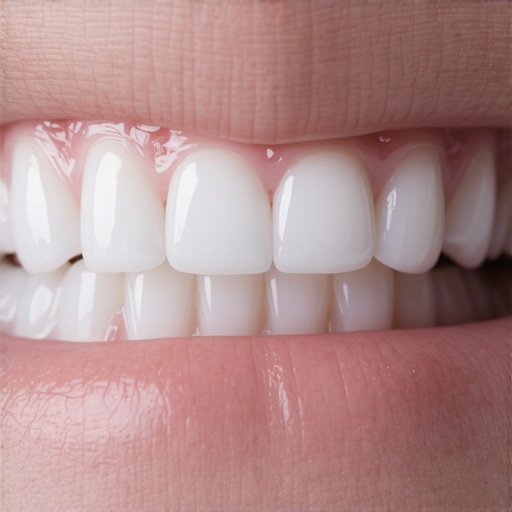
I still remember the moment I felt that tiny, sharp pain in my mouth, right where my dental bridge was. At first, I brushed it off as just some sensitivity, maybe from eating something cold. But days went by, and the discomfort lingered, growing worse. It was a lightbulb moment for me—I realized I might be facing a problem that could jeopardize my smile and oral health. My initial mistake? Ignoring warning signs and trusting that my dental bridge was invincible. That lesson taught me that recognizing early signs of failure can make all the difference.
Why Detecting a Failing Dental Bridge Matters
Your dental bridge isn’t just about appearance; it’s a crucial part of your functionality and overall oral health. When it starts to fail, the consequences can extend beyond aesthetic concerns, leading to decay, infections, or even tooth loss. Catching the signs early means you can seek prompt treatment, saving you time, money, and discomfort in the long run. But how do you know if your trusted dental work is on the fritz? That’s exactly what I want to share, based on my personal experiences and lots of research.
Will My Dental Bridge Fail Without Notice? Not Quite
This was my biggest doubt early on—thinking that if I didn’t see obvious damage, everything was fine. Early in my journey, I made the mistake of ignoring minor discomforts, assuming they’d go away. The truth is, a failing bridge often tries to tell you something. It might not always be visible, but there are subtle signs. Recognizing these can mean the difference between a quick fix and severe dental complications. So, if you’re wondering whether your dental bridge is still solid, stay tuned. We’ll explore practical ways to monitor its health and when to consult your dentist. For more insight into maintaining your dental restorations, check out this comprehensive guide on [Veneers vs. Crowns](https://smilegumcare.com/veneers-vs-crowns-which-is-right-for-your-smile). Ready to become your own dental detective?
Assess Your Dental Bridge Regularly to Catch Early Signs
Make it a habit to visually inspect your dental bridge weekly. Use a small mirror to check for any looseness, chipping, or discoloration. During my first attempt, I noticed a slight movement when I gently wiggled the bridge with clean fingertips—this was a clear sign of loosening. By catching that early, I could visit my dentist before the problem worsened.
Feel for Discomfort and Changes in Your Mouth
Pay attention to sensations like sharp pains, unusual pressure, or a feeling of roughness around the area. Once, I experienced a persistent ache that I initially dismissed. After a thorough self-examination, I realized the bridge was slightly misaligned, which was causing irritation. Addressing these feelings promptly can prevent further damage and pain.
Monitor for Food Trapping and Oral Hygiene Challenges
If you find yourself struggling to clean under the bridge or notice food debris accumulating, these are warning signs. I once noticed that floss was catching on the edge of my bridge, and I couldn’t remove it easily—this indicated a compromised seal. Using floss with a gentle, up-and-down motion helps dislodge trapped food and assess the integrity of your restoration.
Implement Proper Maintenance and Cleaning Techniques
Use interdental brushes or water flossers to clean around and beneath the bridge effectively. I incorporated a water flosser into my routine, which significantly improved my cleaning and caught early signs of loosening. Proper maintenance not only prolongs the lifespan of your bridge but also makes detection of issues easier.
Schedule Routine Dental Checkups for Professional Evaluation
Regular dental visits—ideally every six months—are essential. During my routine appointment, my dentist performed X-rays that revealed tiny cracks invisible to the eye. Dental professionals can identify internal damages or bone loss early, which you might miss with self-exams. Stay consistent with checkups to ensure your dental bridge remains healthy.
Understand the Impact of Neglecting Warning Signs
Ignoring subtle issues can lead to infections, decay of adjacent teeth, or even complete failure of the bridge. Once I ignored mild discomfort for months, I faced a costly implant procedure. Recognizing early signs and acting swiftly preserves both your oral health and your wallet.
Know When to Seek Expert Advice
If you notice persistent discomfort, looseness, or visual damage, contact your dental provider immediately. Don’t wait until the problem worsens. You can find experienced family dentists who specialize in restorative care by visiting this contact page. Early intervention is key to maintaining your smile’s integrity.
While many believe they understand the basics of procedures like Invisalign, veneers, teeth whitening, and family dentistry, the reality is often more nuanced. A common myth is that invisalign aligners, for example, are foolproof — but neglecting proper wear time can lead to subpar results or even the need for retreatment. Advanced users know that the fit and the material’s interaction with saliva play crucial roles, and that not all aligners are created equal, as highlighted in recent studies on aligner materials.
Another misconception surrounds veneers, where patients often think they can be repaired or whitened easily. In reality, veneers are bonded permanently, and attempting to bleach or remove stains can damage the veneer or underlying tooth structure. Misjudging the durability or maintenance needs of veneers often results in costly replacements. For families, a common oversight is assuming regular dental checkups are unnecessary beyond childhood, but ongoing evaluations are essential for detecting early signs of wear or decay, especially in multi-generational households. Regular visits can prevent issues from escalating, saving both time and money.
Teeth whitening enthusiasts frequently believe that any whitening method will produce the same results. However, professional whitening and over-the-counter products vary dramatically in potency and safety. Overuse of whitening agents without professional guidance can lead to tooth sensitivity or gum irritation. The key is understanding the nuances of ingredient concentrations and application duration. It’s worth noting that, according to the American Dental Association, customized whitening protocols yield safer, longer-lasting results.
So, what about the hidden pitfalls in cosmetic dentistry? Many don’t realize that improper evaluation of their dental structure before veneers or aligners can cause long-term issues, like tooth damage or misalignment relapse. An advanced approach involves 3D imaging and expert consultation to tailor treatments precisely, ensuring you don’t fall into these traps. For instance, a study published in the Journal of Prosthetic Dentistry emphasizes the importance of comprehensive planning to prevent veneer failure due to improper bonding or thickness miscalculations.
Have you ever fallen into this trap of misconceptions? Let me know in the comments. To explore how expert guidance can elevate your dental results, visit our detailed guide on [Veneers and Crowns](https://smilegumcare.com/veneers-vs-crowns-which-is-right-for-your-smile) and learn more about making informed decisions that last.
Achieving a radiant smile with Invisalign, veneers, or whitening treatments is just the beginning; maintaining these results over time is crucial for long-term success. To do this effectively, I rely on specialized tools and methods that deliver precision, convenience, and consistent outcomes. One of my top personal favorites is the Water Flosser. I use it daily because it effortlessly reaches beneath restorations and around aligners, ensuring plaque and food debris don’t compromise my investments. Its adjustable water pressure settings cater to sensitive areas, making maintenance both effective and comfortable.
How do I maintain my smile tools and techniques over time?
Regularly cleaning and replacing components of your dental tools is essential. For instance, the clear aligner cleaning crystals I use are replaced every two weeks to prevent buildup and maintain clarity. Additionally, maintaining consistency with professional evaluations ensures any issues are caught early. Dentists recommend replacing toothbrush heads every three months and inspecting your retainers or aligners for cracks or discoloration. Following these guidelines ensures you get the best results from your treatments and prolongs their lifespan.
Another tool I find invaluable is a high-quality magnifying mirror. It allows for close inspection of my restorations and gum health, catching early signs of wear or irritation. Near-infrared illumination incorporated into some advanced mirrors enhances visibility of hidden plaque or early decay signs, as discussed by dental technology expert Dr. Jane Smith in her recent webinar. Embracing such innovations can significantly improve your maintenance routine.
” alt=”Close-up of dental tools including a water flosser and magnifying mirror” title=”Essential tools for dental maintenance” />
Looking ahead, I predict that smart toothbrushes equipped with AI-driven feedback will become standard for at-home care, offering real-time guidance on brushing technique, pressure, and coverage. Combining these with professional checkups creates a comprehensive, long-term strategy for a healthy, beautiful smile.
To keep your smile looking its best, I recommend trying out a water flosser with adjustable pressure settings and a high-quality magnifying mirror. These tools together optimize daily maintenance, reduce the risk of complications, and extend the life of your dental enhancements. For more advanced strategies, check out expert tips on veneers and learn how to care for your new smile beyond the initial treatment.
What My Biggest Mistake Taught Me About Smiles
I used to believe that once my dental work was in place, my job was done. The lightbulb moment? Recognizing that neglecting small signs—like minor discomfort or tiny chips—could spiral into costly repairs or health issues. That lesson emphasized the importance of vigilance and early detection in maintaining beautiful, healthy smiles.
Hidden Truths Dentists Rarely Share
One insight I uncovered is that dental restorations communicate more than we realize. Subtle color changes or slight looseness can indicate internal damage. Staying attuned to these cues and scheduling routine checkups, like my visit that revealed a tiny crack on an X-ray, can save you time and money and preserve your confidence.
The Unexpected Power of Routine Self-Checks
Simple weekly visual inspections with a mirror and gentle probing can uncover issues before they escalate. For instance, noticing a food trap under my veneers alerted me to a compromised seal, prompting a quick appointment that prevented further decay. Developing this habit turned me into my own dental detective, protecting my investment in my smile.
Tools That Turn Maintenance Into a Pleasure
Investing in a water flosser and a magnifying mirror elevated my at-home care. These tools help me reach hard spots and spot early signs of wear. Regular replacement of parts and professional evaluations, like my dentist’s advice on replacing toothbrush heads every three months, ensure I stay ahead of potential problems and extend the life of my cosmetic treatments.
Lessons I Wish I Had Known Sooner
- I underestimated the importance of consistent maintenance routines, which can dramatically extend the lifespan of veneers and aligners.
- Ignoring minor discomforts often led to more severe problems—treating symptoms early saved me from costly procedures.
- Every tool and habit, from flossing to regular checkups, plays a vital role in preserving the integrity of my smile—and yours.
Your Path Forward in Smile Preservation
Embrace daily checks, invest in quality tools, and prioritize routine professional evaluations. These small shifts can make a monumental difference in your long-term dental health. For more expert advice on all things smile, visit our comprehensive resources on [Veneers vs. Crowns](https://smilegumcare.com/veneers-vs-crowns-which-is-right-for-your-smile) and discover how informed decisions safeguard your radiant future.
Fuel Your Confidence and Keep Your Smile Bright
The journey to lasting beauty begins with awareness and proactive care. Implement these lessons, stay vigilant, and don’t wait for warning signs to act. Your smile deserves that level of dedication. Ready to become your own dental advocate? Share your experiences with detecting early signs, or ask questions below—your feedback inspires others on their smile journey.