
How to Handle a Chipped Tooth on the Weekend
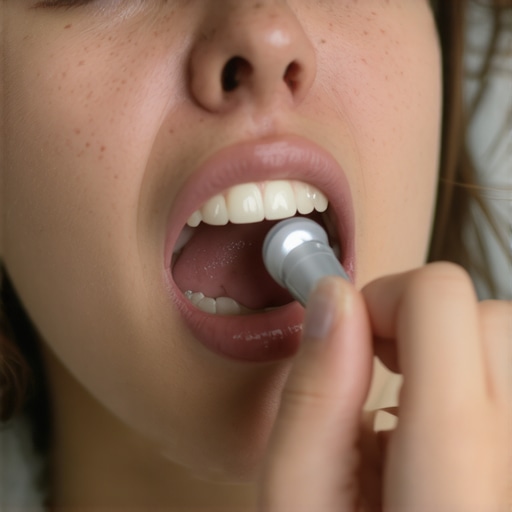
I still remember the moment vividly—an innocuous bite into my apple turned into a mini disaster. A sharp crack echoed through my jaw, and suddenly, I was staring at a jagged edge where my tooth once proudly stood. That sinking feeling hit me hard—what on earth am I supposed to do now, especially on a Saturday night?
Dealing with a chipped tooth can be unsettling, especially when it happens over the weekend when most dental offices are closed. I’ve been there, and I know how overwhelming it feels. But here’s the thing—despite the panic, there are effective strategies to handle this situation until you can get professional dental care. Today, we’re going to walk through the essential steps to manage a chipped tooth on the weekend, ensuring you’re protected from further damage and discomfort.
Why Acting Fast Matters When Your Tooth Chips
A chipped tooth might seem like a minor annoyance at first, but the risks of delaying action are real. The exposed dentin or pulp can become inflamed or infected, leading to pain, sensitivity, or even more serious complications. Plus, the sharp edges can cut your tongue or cheeks, making eating and speaking uncomfortable.
Early management can mean the difference between a quick fix at the dentist and a long, painful recovery. I learned this the hard way early in my dental journey—initially, I ignored a small chip, thinking it was no big deal. That mistake cost me more pain and money later. Don’t make the same error; timely care can save you headaches and money down the line.
For example, applying temporary dental cement from a pharmacy can protect the area and prevent further damage. This simple step is a crucial first line of defense and will give you peace of mind until you see a professional.
Are you worried about whether your chipped tooth is serious enough to require immediate attention? Well, it’s a common concern, and the good news is that many weekend mishaps can be managed with the right know-how. In the following sections, I’ll share my tried-and-true tips, backed by dental expert advice, to help you navigate this stressful situation.
And if you’re unsure whether your problem warrants an urgent visit, don’t hesitate to reach out to your dentist through [Smile Gum Care](https://smilegumcare.com/contact-us). Getting the right advice can make all the difference.
Now, let’s dive into practical, step-by-step instructions on what you should do right now to protect your smile and stay comfortable until your next dental appointment.
Secure the Area Immediately
First, rinse your mouth gently with warm water to clean any debris. Use a clean cloth or gauze to apply gentle pressure on bleeding gums if bleeding occurs. If the chipped edge is sharp, carefully cover it with orthodontic wax or a clean piece of sugarless gum to prevent further injury or irritation.
Apply a Temporary Cover
If the chip exposes the pulp or dentin, protect it with over-the-counter dental cement, which you can find at pharmacies. This acts as a barrier against bacteria and reduces sensitivity. To do this, carefully follow the package instructions—usually involving molding the cement to fit over the damaged area and softening it with your finger or a tool.
Manage Pain and Discomfort
Take an over-the-counter pain reliever like ibuprofen or acetaminophen to alleviate soreness. Using a cold compress on your cheek near the affected tooth can reduce swelling and numb the pain temporarily. Remember, this is only a stopgap—aim to see a dentist as soon as possible.
Limit Food and Drink Intake
Avoid eating hard, sticky, or hot foods that might worsen the damage or cause discomfort. Opt for soft, cool foods like yogurt or mashed potatoes, which won’t strain your tooth. Be cautious with temperature extremes, as sensitive exposed dentin can make hot or cold food painful.
Control Swelling and Infection
If signs of infection appear—such as swelling, pus, or severe pain—consider visiting an urgent dental care facility. Antibiotics may be necessary but only under professional guidance, so do not self-prescribe.
Plan Your Next Move
Contact your dentist promptly for an examination. They can assess the damage and recommend appropriate treatment—whether bonding, filling, veneer, or more advanced procedures. If you’re considering smile enhancements like teeth whitening or veneers, understanding their roles and differences can help you make informed decisions during your recovery process. For now, focus on protecting your tooth and managing discomfort until professional care is available.
When it comes to family dentistry and cosmetic procedures like teeth whitening, Invisalign, or veneers, many people hold onto misconceptions that can hinder their understanding and decision-making. Let’s dig deeper into some of these illusions, unravel the truths, and highlight what veteran dental professionals know but few discuss openly.
Is Teeth Whitening Just About Bleaching? Not Quite
Many believe that teeth whitening is solely about applying a bleaching agent for quick results. While bleaching is a popular method, advanced strategies involve understanding the underlying causes of discoloration, such as staining from diet or enamel fluorosis, and choosing tailored treatments like professional laser whitening or enamel microabrasion for optimal results. Relying solely on over-the-counter strips often leads to uneven or short-lived outcomes, which can be frustrating and costly over time. For insights into effective whitening techniques, check out top teeth whitening strategies.
Veneers: They’re Not Just Cosmetic Fixes
Many think veneers are only for vanity, but they serve functional purposes too, such as correcting minor misalignments, sealing fractures, or closing gaps, all while enhancing smiles. Moreover, modern veneers use ultra-thin porcelain that preserves more of your original tooth structure, making them less invasive than traditional crowns. However, a common mistake is considering veneers as permanent or unchangeable; in reality, proper maintenance and realistic expectations are crucial. Learn more about veneers and their true capabilities at veneers made simple.
Invisalign Is Only for Mild Corrections? Think Again
Contrary to popular belief, Invisalign and other clear aligners can address a wide range of orthodontic issues, including moderate and even some complex cases. The myth stems from misconceptions about limited efficiency or suitability, but advancements in alignment technology have expanded their capabilities significantly. With discreet treatment, patients avoid the metal brackets and wires, making it appealing for adults who don’t want to compromise their appearance. Want to understand the nuances? Dive into Invisalign innovations.
The Real Nuance: Family Dental Care Extends Beyond Checkups
While many prioritize cosmetic treatments, the often-overlooked nuance is that foundational dental health for every family member is essential for overall well-being. This includes early interventions, habit counseling, and recognizing signs of dental emergencies. A common trap is neglecting pediatric dental care until issues become urgent, risking long-term damage. Building a proactive approach through regular visits ensures healthier smiles for generations. For more, explore family dental care essentials.Maintaining a bright, healthy smile over the years requires more than just good brushing habits; it demands investing in the right tools that support your dental wellness journey. One essential device I personally rely on is a high-quality electric toothbrush, such as the Philips Sonicare DiamondClean. Its oscillating-rotating technology effectively removes plaque more than manual brushing, especially when used with the appropriate head for sensitive areas. I also recommend a cordless water flosser, like the Waterpik Aquarius, which makes flossing between teeth and along the gumline effortless and gentle, ensuring you clean thoroughly without irritating gums. For whitening treatments, I swear by professional-grade trays with customized gel provided by a dentist, as they offer consistent and predictable results—far superior to over-the-counter options. Using an LED whitening light, in combination with custom trays, can accelerate whitening and sustain your smile’s brilliance longer, based on recent studies like those from the American Academy of Cosmetic Dentistry. For long-term results with orthodontics like Invisalign, consistent wear and tracking your progress with a smartphone app, such as Invisalign’s own virtual monitoring tool, make all the difference. This allows your dentist to oversee your treatment remotely, ensuring optimal alignment and preventing setbacks. To stay on top of maintenance, I also suggest scheduling regular professional cleanings every six months, which help prevent cavities and gum disease before they become serious issues. Over time, your dental team can also assess the site-specific wear or deterioration, guiding you toward tailored interventions like veneers or bonding to protect compromised teeth. Thinking ahead about scaling your dental care? Technological advances, like intraoral scanners, are making customizations faster and more precise, while 3D imaging helps in planning complex restorative procedures with accuracy. Investing in these tools and habits is not just about immediate aesthetics; it’s about preserving your smile’s functionality for decades to come. How do I maintain my dental tools over time? Regular cleaning of your electric toothbrush head with vinegar or special brush sterilizers keeps it bacteria-free. Replacing flossers every three months prevents bacteria buildup, and storing whitening gels in a cool, dry place preserves their effectiveness. Embracing these routines ensures consistent performance and long-lasting results. Want to dive deeper into advanced whitening methods? Check out top teeth whitening strategies to elevate your smile game. Remember, a well-maintained toolkit can drastically reduce future dental visits and costs—so prioritize these tools today and enjoy a confident, radiant smile for years to come.
The Hidden Lessons I Never Expected to Learn about Family Dentistry and Smile Makeovers
One of the most profound realizations I’ve had is that dental care isn’t just about quick fixes or cosmetic improvements; it’s about understanding the deeper connection between proper habits and long-term confidence. I once thought that a bright smile was solely about whitening products, but after navigating emergencies and treatment plans, I learned that foundational care and personalized approaches make all the difference. Moreover, I discovered that many myths around veneers and Invisalign diminish when you seek expert guidance, emphasizing the importance of consulting professionals rather than relying solely on online advice. Lastly, the importance of proactive family dental visits became crystal clear—preventive care saves both discomfort and money in the long run, reinforcing that a healthy smile is a continuous journey, not a one-time fix.
Tools and Resources That Shaped My Smile Confidence
Having explored various dental treatments and care routines, I now rely on trusted tools that truly make a difference. The Philips Sonicare DiamondClean electric toothbrush, for example, has transformed my daily brushing, ensuring thorough plaque removal and healthier gums. For at-home whitening, I trust custom trays paired with professional gels, offering consistent results without the sensitivity often caused by over-the-counter options, and for staying on top of orthodontic progress, Invisalign’s virtual monitoring app has been invaluable. Books like “The Ultimate Guide to Teeth Whitening Options in 2025” broaden my understanding of new techniques, while resources from Smile Gum Care provide reliable, expert-backed advice on family dentistry and cosmetic enhancements. These tools and sources empower me to maintain a confident, radiant smile every day.
Let Your Smile Be the First Step Toward a Brighter Future
Embracing your dental health journey, whether it’s managing a weekend chip or exploring smile enhancements, is a powerful act of self-care. Remember, taking small, consistent steps now can lead to decades of confidence and well-being. Your smile is more than just an aesthetic asset—it’s your natural way of expressing warmth, trust, and happiness. So, I encourage you to prioritize regular check-ups, seek expert guidance when considering treatments like veneers or teeth whitening, and trust your commitment to health and beauty. Your future self will thank you for the effort you invest today in cultivating that perfect smile that opens doors and brightens lives.
What has been your biggest challenge or realization in maintaining your family’s dental health? Share your story below—I’d love to hear how you’re making smiles brighter and healthier every day.
.