
Why Your Gums Are Swollen in One Specific Spot
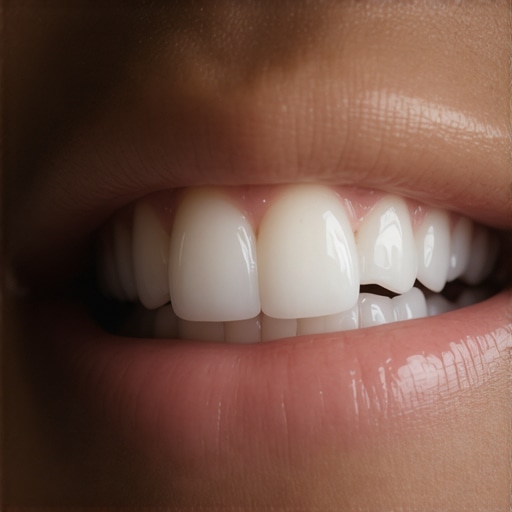
I remember the exact moment I first noticed that unsettling puffiness on my gums. I was brushing my teeth fiercely, trying to tackle stubborn plaque, when I glimpsed a small, swollen bump in a particular spot. It wasn’t painful at first, but it was enough to make me pause. Days went by, and suddenly, that tiny swelling turned into something I couldn’t ignore. Every time I ate or even smiled, it felt uncomfortable, almost like an uninvited guest had taken residence right there. That realization—”Why is this happening?”—prompted a journey into the mysteries of gum health.
When That One Spot Won’t Go Away, You Know It’s Time to Act
Dealing with swollen gums may seem minor at first, but believe me, ignoring it can lead to bigger problems down the line. I found myself constantly wondering, “What if this is something serious?” It’s easy to brush off that swelling as just a minor irritant, especially when it’s not hurting much. But in reality, that tiny bump could be a sign of various underlying issues—from minor gum inflammation to more complex infections or even early signs of periodontal disease.
Today, I want to share what I learned—and what I wish I’d known earlier—about diagnosing and addressing swelling in one specific spot on your gums. The good news? Quite often, this isn’t as scary as it seems, and with the right approach, you can get back to a healthy, comfortable smile. We’ll explore simple steps to identify the cause and when to seek professional help—because, trust me, that little swelling needs more than just a swish of mouthwash.
Is Swollen Gums in One Spot Actually Worth the Hype?
Initially, I thought it was just because I ate too much sugar or forgot to floss. But a mistake I made early on? Ignoring the warning signs and assuming it would go away on its own. According to experts, localized gum swelling can be an early indicator of something more serious, like an abscess or gum infection, which requires prompt treatment. So, my advice? Don’t wait too long. If you’ve noticed that one spot on your gum is swollen for more than a couple of days, it’s worth investigating further. Sometimes, what seems like a small issue can escalate rapidly if left unattended.
Now, let’s dive into what causes these little gum bumps, how to spot the warning signs, and, most importantly, what steps you should take to keep your smile healthy and pain-free. It’s easier than you think to address, but the key is understanding when professional intervention is needed—something I’ve learned through personal experience and lots of research. Are you ready to get to the root of that swollen gum and reclaim your comfort? Let’s explore.
Identify the Cause Quickly and Accurately
First, examine whether the swelling is accompanied by pain, pus, or bleeding. I noticed a small bump on my gum that didn’t hurt initially, but I still took it seriously. Use a mirror to check if the swelling is localized or spreading. This helps determine if it’s an abscess, irritation, or something else. To be more precise, consider timing—has it persisted for more than two days? Sometimes, a small, persistent bump can be a sign of early infection.
Maintain Outstanding Oral Hygiene
Next, focus on keeping your mouth as clean as possible. Brush twice daily with a fluoride toothpaste, making sure to gently clean the affected area. Floss carefully around that spot to remove trapped debris. I remember a time when I noticed swelling after a weekend of indulgent eating; after thorough cleaning, the bump reduced noticeably within 24 hours. This highlights the importance of removing plaque and bacteria that cause inflammation.
Apply Gentle Home Remedies
For mild swelling, rinsing with warm saltwater can reduce inflammation. Dissolve half a teaspoon of salt in a cup of warm water and rinse for 30 seconds. I did this before bed during one flare-up, which noticeably eased discomfort. Avoid using harsh chemicals or alcohol-based rinses, as these can irritate the tissue further. Be cautious not to overdo home remedies—if symptoms worsen, professional help is essential.
Monitor the Symptoms Carefully
Keep track of any changes. Is the swelling enlarging or becoming painful? Are you experiencing fever or general malaise? I learned that persistent or worsening symptoms require prompt dental evaluation. Ignoring ongoing swelling can lead to abscess formation or deeper infections, complicating treatment. Use a simple diary or photo log to compare daily changes, aiding you in decision-making about seeking professional care.
Seek Professional Dental Assistance When Necessary
If the swelling lingers beyond 48 hours, becomes painful, or if pus appears, schedule an appointment promptly. When I ignored early signs, I ended up with an abscess that needed antibiotics and drainage. A dentist will examine the area, possibly perform X-rays, and determine if you need antibiotics, a root canal, or other procedures. Don’t hesitate—early intervention can save you discomfort and expense later. Visit our contact page for assistance or to schedule an exam. Remember, tackling the issue early ensures your gums return to health faster and more comfortably.While many people jump into treatments like Invisalign, teeth whitening, veneers, or family dentistry with high expectations, several misconceptions persist that can trip up the unwary. Let’s dig deeper into some of the most overlooked aspects and misconceptions that even regular patients often miss.
Are All Invisalign Aligners Invisibly Perfect? Think Again
Many believe Invisalign trays are completely invisible and hassle-free. However, advanced patients and practitioners know that the transparency of aligners can diminish over time due to plaque buildup and staining, especially if hygiene isn’t top-notch. Additionally, some neglect to consider the importance of attachment placement—those small buttons glued to teeth are crucial for effective movement but often misunderstood by laypeople. For precise guidance on achieving that flawless smile discreetly, explore the latest Invisalign innovations.
#IMAGE_PLACEHOLDER_C#
Unveil the true nature of Invisalign with an expert’s eye—this image depicts the different stages of aligner wear and attachment placement, emphasizing what you need to know beyond just discreetness.
What You Might Be Missing About Family Dentistry Beyond Routine Checks
Often, people view family dentistry as a simple ‘check-up and clean’ service. But seasoned practitioners recognize it as a vital opportunity for early detection of complex systemic health issues. For example, persistent gum inflammation in children might hint at nutritional deficiencies or immune system problems—something brief cleanings won’t catch. Building a comprehensive relationship with your dentist ensures holistic health care, not just dental repairs. For practical tips tailored for every generation, visit family dentistry essentials.
Are Your Teeth Whitening Results Fully Realized or Just Illusions?
Many assume over-the-counter whitening products give consistent, long-lasting results. However, professionals warn that incorrect application, choosing the wrong bleaching agents, or neglecting enamel health can backfire, leading to sensitivity or uneven whitening. Advanced data shows that customizing whitening treatments while considering enamel integrity produces more natural, durable brightness. For insider secrets, see the ultimate whitening guide.
#IMAGE_PLACEHOLDER_C#
This visual demonstrates the differences between professional and DIY whitening results, highlighting the importance of professional assessment before treatment.
Do Veneers Really Last Forever? The Hidden Lifespan
Veneers are marketed as a permanent fix, but seasoned dentists acknowledge that they do have a finite lifespan—typically 10-15 years. Many patients are surprised to learn that veneer longevity depends heavily on oral habits, material quality, and dense enamel preservation. Neglecting minor chips or not adopting tailored oral hygiene routines can shorten their lifespan significantly. Dive into comprehensive veneer insights to make informed decisions and maximize their lifespan.
Have you ever fallen into this trap? Let me know in the comments—understanding these nuances can save you money and pain down the road. Remember, the key to truly effective cosmetic dentistry is not just the procedure but knowing what really goes on behind the scenes.
Maintaining a radiant smile requires more than just good habits; it depends on the right tools and a solid routine. As someone deeply invested in optimal dental health, I’ve found that leveraging specific equipment and software can make a significant difference in preserving treatments like Invisalign, veneers, and teeth whitening results over time.
Invest in a Quality Oral Scanner for Precise Monitoring
I personally use a 3D intraoral scanner such as the iTero Element to track changes in alignment and oral structure with exceptional accuracy. This device allows me to see subtle shifts or early signs of wear in veneers and detect potential issues before they become significant problems. Its high-resolution imaging is essential for tailoring long-term maintenance, especially when managing complex cases involving veneers or post-orthodontic stabilization. The future of dentistry points toward integrating AI-driven diagnostics with intraoral scans, enabling even more precise home monitoring and early intervention.
Use a Sonic Toothbrush for Effective Plaque Control
I’ve found that a sonic toothbrush like the Philips Sonicare DiamondClean provides superior plaque removal, which is vital for preserving dental whitening effects and extending the lifespan of veneers. Its gentle yet powerful vibrations help clean hard-to-reach areas, reducing the risk of stain buildup or gum irritation around orthodontic attachments. Incorporating this tool into daily routine ensures that professional results last longer, minimizing touch-up visits.
Implement a User-Friendly, Dental-Grade App for Routine Checks
Managing oral health doesn’t have to be solely manual. I recommend using apps like Dental Monitoring or Oral-B’s Bluetooth-enabled devices to log daily habits, set reminders, and share real-time updates with your dentist. These technologies facilitate ongoing supervision, enabling professionals to advise on adjustments or preventative care proactively. Embracing such digital tools aligns well with the evolving landscape of personalized dentistry and reduces the need for frequent clinic visits.
Choose Software for Smile Visualization and Future Planning
Technologies like SmileView or Clinicians’ desktop software help visualize potential outcomes before treatment. This predictive planning is invaluable for maintaining motivation and understanding how your smile may evolve over years. Seeing a realistic simulation encourages adherence to maintenance protocols, like wearing retainers correctly and following oral hygiene routines diligently.
Prepare for Tomorrow’s Trends Today
Looking ahead, the integration of augmented reality (AR) and artificial intelligence (AI) will revolutionize dental maintenance, offering real-time guidance and virtual checkups. Staying updated with emerging tools ensures your dental health remains one step ahead, maximizing the longevity of your investment in treatments like Invisalign or veneers.
How Can I Maintain My Dental Appliances Perfectly Over Time?
Consistent care begins with the right tools. Regularly cleaning aligners with specialized tablets like Retainer Brite, changing toothbrush heads every three months, and scheduling routine scans or checkups can dramatically extend treatment longevity. Remember, the best tools are only effective if used consistently and correctly. To optimize your maintenance routine, consider trying high-precision intraoral scanners or digital monitoring apps mentioned above. For detailed strategies tailored to your specific case, chat with your dental professional or visit our contact page to learn more about integrating advanced tools into your ongoing care plan.
What I Wish I Knew Before Ignoring That Small Swell
Discovering that tiny bump on my gums was a wake-up call about the importance of listening to my body. I learned that even minor signs can signify more serious issues if ignored, and catching problems early makes all the difference in preserving oral health and avoiding costly treatments later.
Trust Your Gut: When to Stop Waiting
Seeing that swollen spot lingered made me realize that patience isn’t always a virtue in dental health. Prompt action—like scheduling a professional exam—can save you from infections or abscesses that are much harder to treat once they advance. Don’t dismiss persistent symptoms; they often have stories to tell.
Small Signs, Big Lessons: The Power of Routine Checks
Every visit to the dentist is an opportunity to catch the tiny issues before they escalate. I now make it a point to check my gums regularly and listen carefully to any unusual sensations. Preventive care isn’t just about cleaning—it’s about understanding your unique signs and acting swiftly.
Embracing the Right Tools for Long-Term Success
Investing in a high-quality oral scanner and maintaining excellent oral hygiene tools has transformed the way I care for my smile. These tools allow for precise monitoring and early detection of issues, empowering me to take control over my dental health and avoid surprises.
Resources That Elevate Your Dental Routine
Since my experience, I’ve found that combining professional advice with trusted resources makes a real difference. For comprehensive guidance on Invisalign, teeth whitening, or veneers, I rely on expert-backed sites like this innovative Invisalign overview and the ultimate teeth whitening secrets. These sources keep me informed about the latest advancements and help me make smarter choices.
Your Turn to Take Charge of Your Gum Health
Remember, that small swelling was a sign that needed attention. Your body often whispers before it screams—are you listening? Taking proactive steps today will pave the way for a healthier tomorrow. Are you ready to give your gums the attention they deserve and prevent minor issues from becoming major problems?