
The Secret to Painless Flossing with a Permanent Retainer
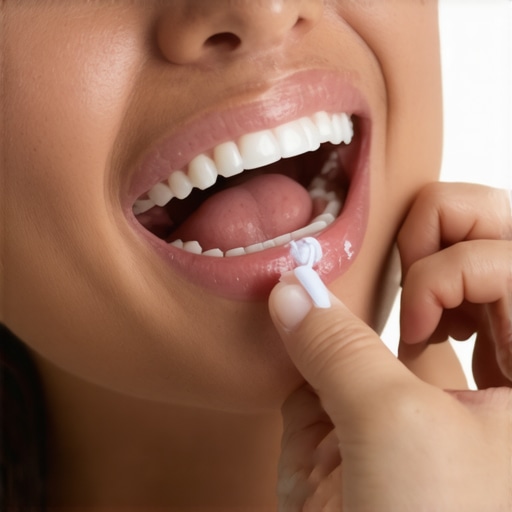
I still remember the moment vividly—my reflection in the mirror after a routine flossing session, realizing I had somehow managed to gouge my gum line with my floss. It was a tiny tear, but the pain felt like a badge of honor at the time. Turns out, that mishap was my wake-up call. Having a permanent retainer isn’t just a clever orthodontic trick; it adds a layer of complexity to oral hygiene that many overlook. And trust me, I learned the hard way how painful flossing can become if you’re not careful.
Why Flossing with a Permanent Retainer Can Feel Impossible—and How I Finally Made It Painless
For months, I dreaded every flossing session. My gums bled, I felt frustrated, and worst of all, I thought I was doing something wrong. Sound familiar? If you’re like I was, you might be questioning whether maintaining oral health with a permanent retainer is even worth the effort. Well, here’s the truth: it is. And it turns out, there’s a way to make it painless—something I discovered after lots of trial and error.
Is Flossing with a Retainer Actually Worth the Hype?
Let me be honest: I made a critical mistake early on—I used regular floss without considering a different technique or tools. This led to unnecessary discomfort and sometimes even damage. The good news? Once I understood the importance of specialized flossing methods, my experience improved drastically. Studies show that proper flossing reduces plaque accumulation and prevents gum disease even with a retainer in place (American Dental Association). So, not only does it matter, but doing it correctly makes all the difference.
In this post, I’m going to share the practical steps that transformed my flossing routine from painful to painless. Ready to enjoy this part of your oral care again? Let’s get started—your gums will thank you.
Choose the Right Flossing Tool
Start by selecting a flossing device designed for braces or retainers, such as floss picks with stiffened ends or interdental brushes. I remember the first time I tried traditional floss and struggled; switching to a floss pick made maneuvering around my retainer much easier and less painful.
Learn the Proper Flossing Technique
Gently slide the floss between your teeth, hugging the gum line at a 45-degree angle. Stringing the floss carefully through the tight contact points prevents gum irritation and damage. I once tried forcing floss into difficult spots, which caused bleeding—be gentle and patient.
Use the ‘C’ Shape Method
Wrap the floss around your tooth in a ‘C’ shape and glide it beneath the gum line. This method ensures thorough cleaning without irritating the gums. I practiced this technique in front of a mirror, taking slow, deliberate strokes, which drastically reduced bleeding and discomfort.
Address Flossing Challenges with Tools
For tight spaces or caught areas, employ interdental brushes or water flossers. I experimented with a water flosser after reading [this article](https://smilegumcare.com/the-ultimate-guide-to-teeth-whitening-options-in-2025) and found it effortless to clean around my retainer without risking injury.
Incorporate Flossing into Your Routine
Consistency is key. Make it a daily habit, ideally at night, to remove debris accumulated throughout the day. I set a reminder on my phone, and over a week, it became second nature, significantly improving my gum health.
Maintain Proper Post-Flossing Care
After flossing, rinse your mouth thoroughly with water or mouthwash. Avoid aggressive brushing immediately after flossing to prevent gum irritation. I use a gentle, fluoride toothpaste to reinforce my enamel and protect my gums.
Remember, patience and proper technique are essential. Don’t rush; each session should take about two minutes. Using the right tools and methods, I transformed my painful flossing sessions into a comfortable part of my oral hygiene routine, ensuring my gums stay healthy despite the challenges of a permanent retainer.
Many people believe they fully understand cosmetic and family dental procedures, but there are subtle nuances and common myths that can lead to costly mistakes. For instance, a widespread misconception about veneers is that they’re purely cosmetic and unchangeable; in reality, modern porcelain veneers are durable and can be customized extensively to match natural teeth when applied by an experienced dentist. However, overestimating their resilience or underestimating the importance of proper preparation can lead to premature damage, so always consult with specialists like those at this expert guide for informed decisions.
Another common myth surrounds Invisalign—that it might not be effective for complex bite issues. While it’s true that traditional braces handle severe malocclusions better, advancements in clear aligner technology now allow for a broader range of corrections. Yet, many overlook the critical aspect of compliance; aligners require discipline to be effective, and neglecting wear time can undermine results. Advanced practitioners recommend combining aligner therapy with occasional check-ins for optimal outcomes—a nuanced approach often missed by casual users.
When it comes to teeth whitening, the belief that all whitening agents work equally is flawed. Over-the-counter options may seem convenient, but professional whitening treatments utilize stronger, controlled agents with proven efficacy, such as those discussed in this comprehensive resource. An overlooked risk is the sensitivity caused by improper application or choosing the wrong product—patients with porous enamel or sensitivity issues need tailored solutions, emphasizing the importance of dental supervision.
Family dentistry is often viewed narrowly, focusing on routine check-ups for kids and adults. However, the real value lies in a holistic approach that considers genetic predispositions, lifestyle factors, and life-stage specific needs. For example, early consultation about wisdom teeth or orthodontic interventions can prevent future complications, as outlined in this detailed overview. Many underestimate the importance of personalized preventive care, which can save both money and discomfort over a lifetime.
A hidden nuance that many miss is how procedural choices impact long-term oral health. For example, opting for crowns over veneers for damaged teeth might offer more durability but requires more extensive reshaping. Similarly, selecting the right cosmetic procedure depends on individual enamel health, bite function, and aesthetic goals—factors best evaluated during a comprehensive examination.
In summary, possessing superficial knowledge about veneers, Invisalign, teeth whitening, and family dentistry can lead to unrealistic expectations and subpar results. To truly benefit from modern dental innovations, understanding these subtleties and consulting with experienced professionals is essential. Have you ever fallen into this trap? Let me know in the comments, and share your experiences or questions about navigating dental choices.
Maintaining a Brilliant Smile Over Time with Effective Tools
Achieving a beautiful smile is just the beginning; the real challenge lies in maintaining it. With the right tools and consistent routines, you can ensure your veneers, Invisalign aligners, or whitening results last for years. Personally, I swear by a combination of high-quality interdental brushes, electric toothbrushes with pressure sensors, and professional-grade whitening kits—each playing a vital role in my ongoing dental care routine.
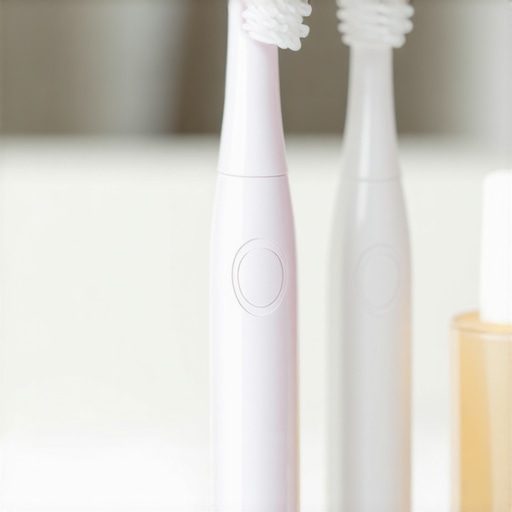
For interdental cleaning, I recommend the AirFloss Lite. Its pulsating water jets effectively reach those tricky spots around braces or veneers, reducing plaque buildup without damaging delicate enamel. Unlike traditional floss, it simplifies daily maintenance, saving time while boosting cleanliness. For brushing, I opt for the Oral-B Genius X with a built-in pressure sensor that alerts me when I brush too hard—important for preserving veneers and crowns from unnecessary wear.
When it comes to whitening, I personally use custom in-office bleaching paired with take-home kits from my dentist. This combo ensures even, long-lasting results. But don’t forget, choosing the right whitening product depends on your specific enamel sensitivity; consult your dentist for tailored advice. To keep your smile bright, I also incorporate a fluoride rinse post-treatment to protect against decay and sensitivity, helping my whitening results maintain their brilliance over time.
What’s on the horizon for long-term dental care?
The future is promising, with emerging technologies like AI-driven diagnostic tools and smart toothbrushes capable of tracking your oral health in real-time. Companies are developing devices that monitor plaque levels and suggest tailored brushing techniques via smartphone apps, taking personal care to the next level. By integrating these advancements into your routine now, you’re setting the stage for a healthier, more radiant smile decades ahead.
If you’re serious about keeping your dental work pristine, I encourage you to try using a pressure-sensing electric toothbrush combined with a good interdental cleaner. These tools can significantly reduce damage and decay, preserving your investments in veneers, Invisalign, or whitening. Remember, consistent use beats sporadic effort—think about how regular maintenance saved my smile from costly repairs.
How do I maintain my dental enhancements over time?
Proper maintenance involves not only the right tools but also careful habits. Schedule regular dental check-ups to catch issues early and get professional cleanings that reach areas even the best tools might miss. Also, be mindful of your diet; minimizing staining foods and beverages helps keep whitening work looking fresh. Incorporate these principles into your routine, and your smile will reward you with long-lasting confidence.
Stay ahead in your dental wellness journey and explore expert tips on this comprehensive guide. Remember, investing in the right tools now saves time, money, and discomfort in the future. So, why not start today by trying out a smart, pressure-sensitive toothbrush and a quality interdental cleaner? Your future self will thank you for it!
The Hardest Lesson I Learned About veneers, invisalign, teeth whitening, family dentistry
One of my most eye-opening realizations came after a small mishap with flossing—deliberately or not, I would tear my gums, thinking I was doing enough. It taught me that oral care is not one-size-fits-all, especially when dealing with veneers, Invisalign, or other enhancements. Patience, technique, and the right tools are paramount to truly safeguard your investment in a radiant smile.
3 Myths About veneers, invisalign, teeth whitening, family dentistry That Held Me Back
First, believing that all teeth whitening is the same meant I overlooked the importance of professional solutions tailored to sensitive enamel. Second, thinking Invisalign is only for minor corrections discouraged me from considering it for complex cases—recent advancements prove otherwise. And third, assuming family dentistry is only basic check-ups dismissed the role of preventive care in avoiding costly repairs later, as explained in this guide.
What Experts Won’t Tell You About veneers, invisalign, teeth whitening, family dentistry
The true secret is that personalized care, from selecting the right tools—like interdental brushes or water flossers—to understanding your unique oral anatomy, makes all the difference. Moreover, ongoing education and staying updated on emerging technologies ensure your smile remains stunning and healthy through the years.
My Essential Toolkit for Maintaining a Perfect Smile
My arsenal includes high-quality interdental brushes, an electric toothbrush with pressure sensors like this recommended model, and professional whitening kits suggested by my dentist. These tools not only streamline daily routines but also protect the longevity of veneers and Invisalign aligners, giving me confidence in my oral health.
A Final Charge: Take the Next Step
Embarking on your journey with veneers, Invisalign, or teeth whitening can feel daunting, but arming yourself with knowledge and the right resources will set you apart. Remember, an informed choice leads to durable, beautiful results that stand the test of time. So, are you ready to transform your smile with confidence and smart habits? Let me know your biggest concern below!
Feel free to explore more at this detailed guide on veneers.