
How to Handle a Sharp Wire on Your Braces at Home
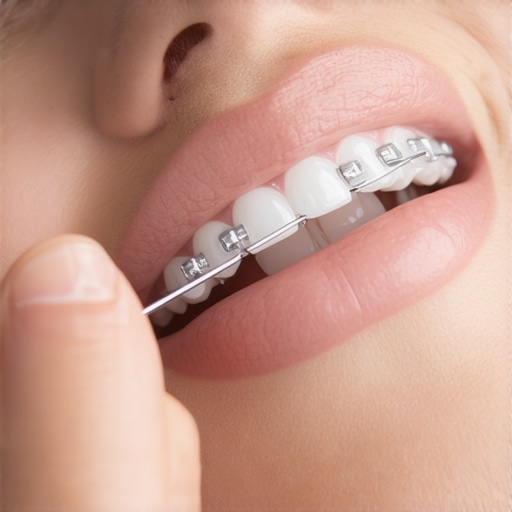
I remember the moment vividly—rushing to finish my morning coffee, only to feel that sudden, sharp jab inside my mouth. Turns out, a tiny wire from my braces had snapped free and was now poking at my cheek like a stubborn thorn. Up until that point, I thought braces were just a minor inconvenience, but that sensation was a wake-up call. It was uncomfortable, a little frightening, and it made me wonder—what’s the best way to handle a sharp wire on my braces without rushing to the dentist every time?
Why This Small Problem Can Become a Big Deal
In the world of orthodontics, tiny emergencies happen more often than most realize. That sharp wire isn’t just annoying; it can cause sores, cuts, or even lead to a minor infection if not addressed promptly. I learned the hard way early on that DIY fixes can sometimes do more harm than good. The key is knowing how to manage these little mishaps safely until you can get professional help.
Are you tired of feeling that zing every time your braces shift or wires pop loose? Believe me, I’ve been there. Today, I’ll share my personal strategies along with expert tips to help you handle these moments smoothly and safely right from your home.
Is Putting Off the Fix Worth the Risk?
One mistake I made in my initial days of braces was ignoring the issue, thinking it would resolve itself. But that tiny wire caused abrasions, making eating uncomfortable and my cheeks sore. A study in dental health underscores that untreated wire pokes can lead to infections or prolonged soreness—definitely not something you want to ignore. The good news? Simple, cautious home remedies can buy you the time needed until you see your orthodontist.
If you’ve ever felt that sudden stab of pain from a loose wire or wondered if you’re doing the right thing, you’re not alone. In the next sections, I’ll guide you through safe techniques to tame that troublesome wire and protect your smile until your next dental appointment.
Secure the Wire Using Orthodontic Wax
Early in my braces journey, I faced a rogue wire poking my cheek during a busy day. To manage this, I gently dried the area, then rolled a small piece of orthodontic wax into a ball, pressing it over the offending wire. This quick fix acted like a shield, reducing irritation instantly. Keep a small supply of wax handy; it’s like a bandaid for your braces, providing immediate relief until your next appointment.
Use a Cotton Swab and Tweezers to Reposition or Remove
When a wire protrudes dangerously, carefully grip it with sterilized tweezers. Gently guide the wire back into its slot or, if it’s broken, gently lift it away from your cheek. As I did one time, I used a clean toothpick to nudge a loose wire without applying excessive force. For a more delicate touch, a cotton swab can help reposition or push wires out of the way without injury. Always sterilize your tools to prevent infection.
Tip: Never Cut the Wire Yourself
I learned this the hard way—trying to snip a wire with scissors often results in jagged edges that can cause more harm. Instead, consult your orthodontist or a dental professional for proper trimming or adjustment. They have the right tools and expertise to handle this safely, ensuring no additional discomfort or damage.
Apply Over-the-Counter Anesthetics for Instant Pain Relief
If a sharp edge continues to hurt, consider using an oral numbing gel, like Orajel. I applied a small dab on the affected area, which dulled the pain quickly. This trick is especially useful before eating or talking, making everyday activities more comfortable. However, avoid overuse and follow product instructions carefully.
Maintain Oral Hygiene to Prevent Infection
After fixing or managing a wire, rinse your mouth with warm salt water to soothe irritations and reduce bacteria. During my own incident, rinsing helped keep the area clean and sped up healing. Regular brushing and flossing become even more vital after adjustments to prevent sores from turning into infections. Remember, keeping your mouth clean is like watering a garden—necessary for healthy healing.
Know When to Seek Professional Help
While these DIY steps can temporarily ease discomfort, they aren’t substitutes for professional care. If a wire remains painfully poking or if you notice swelling, bleeding, or persistent soreness, schedule an appointment immediately. Prompt expert intervention prevents complications and ensures your treatment stays on track.
Handling these little emergencies confidently minimizes discomfort and keeps your braces journey smooth. Remember, every step you take to manage minor issues at home is like being the captain of your oral health ship—skillful, cautious, and ready for the next challenge.
While many believe procedures like Invisalign, teeth whitening, and veneers are straightforward solutions, there are nuanced misconceptions that can lead to disappointment or even harm. For instance, a common myth is that teeth whitening is completely safe and临无风险, but overuse or improper application can cause serious enamel sensitivity and damage, as highlighted in recent studies. Similarly, veneers are often thought to be reversible; in reality, they require removal of a thin layer of enamel, making them a permanent alteration. When it comes to family dentistry, many assume that dental health is solely about cavities, overlooking the importance of preventive care tailored for all ages, from children to seniors; proper family oral health requires a comprehensive strategy, as discussed in our detailed guide on building healthy smiles for every generation. One advanced mistake people make is underestimating the value of professional guidance in selecting cosmetic treatments. For example, opting for DIY whitening kits without professional supervision can damage gums and cause uneven results, a trap many fall into. To make informed choices, consult with an experienced dentist who can assess your unique oral structure and recommend suitable procedures.
How can I tell if my cosmetic dental treatment is truly suitable for my needs?
This question is critical because superficial solutions may overlook underlying issues, and inappropriate treatments can exacerbate problems down the line. According to leading experts, personalized dental assessments ensure longevity and safety of cosmetic results. Remember, the goal is not just an aesthetic improvement but a healthier, more functional smile that lasts. Before proceeding, investigate credible sources and seek second opinions—your smile’s health depends on it. Have you ever fallen into this trap? Let me know in the comments.Maintaining your dental enhancements and orthodontic devices requires the right tools and consistent care. One of the most reliable accessories I personally use is a **power toothbrush with a sonic vibration mechanism**. Unlike manual brushes, sonic toothbrushes, such as the Philips Sonicare **DiamondClean Series**, produce thousands of brush strokes per minute, effectively removing plaque from hard-to-reach areas and preventing build-up around appliances like braces or veneers. I find that their gentle yet powerful cleaning action significantly extends the lifespan of my dental work, keeping everything looking and feeling fresh. For areas difficult to reach, I recommend using **interproximal brushes** — small, cone-shaped tools designed to clean between teeth and around brackets or veneers. I regularly incorporate **air polishing devices** during professional cleanings, which utilize a fine baking soda compound to gently remove stains and tartar without damaging delicate surfaces. Looking ahead, the industry is trending toward **smart dental devices** integrated with wireless technology, allowing for real-time monitoring of oral health and personalized feedback that can help catch issues early before they escalate.
How do I maintain my dental work over time?
Regular maintenance involves more than just brushing — it’s about using the appropriate tools consistently. Incorporate **dental floss with a waxed coating** to glide easily around brackets, and consider supplementing your routine with **antimicrobial mouth rinses** that reduce bacterial growth. I personally favor brands with **xylitol** content, which helps inhibit cavity-causing bacteria and boosts remineralization. Scheduling bi-annual professional cleanings ensures your devices and natural teeth stay in prime condition. Additionally, using **software like YouTube tutorials** from trusted dental professionals can reinforce proper brushing and flossing techniques, especially when new devices or treatments are introduced. Looking to the future, **AI-powered diagnostic apps** could soon provide instant feedback on your technique, guiding you toward optimal oral hygiene behaviors. Don’t overlook the value of reliable tools — they are your best allies in ensuring long-lasting results for any cosmetic or orthodontic procedure. To get started, try integrating a high-quality sonic toothbrush into your daily routine and observe the difference it makes in your long-term dental health.
Lessons Only Experience Taught Me About Perfecting Your Smile
One of the toughest truths I faced was realizing that even the most advanced dental procedures can’t replace diligent self-care. I used to think that just visiting the dentist was enough, but I learned that consistent at-home maintenance is the secret sauce for lasting results.
Another lightbulb moment was understanding that not all cosmetic treatments suit everyone. Personalized assessments, like those discussed in our comprehensive family dentistry guide, are crucial before jumping into procedures like veneers or whitening.
Overconfidence in DIY fixes can be tempting, but I discovered firsthand that professional intervention always ensures safety and optimal outcomes. Never underestimate the power of expert guidance, especially for treatments that alter your natural smile.
Lastly, balancing aesthetic desires with functional health is essential. A beautiful smile isn’t just about appearances; it’s about maintaining overall oral health, which can be complex but manageable with the right knowledge and support.