
How to Fix a Small Crack in Your Front Tooth
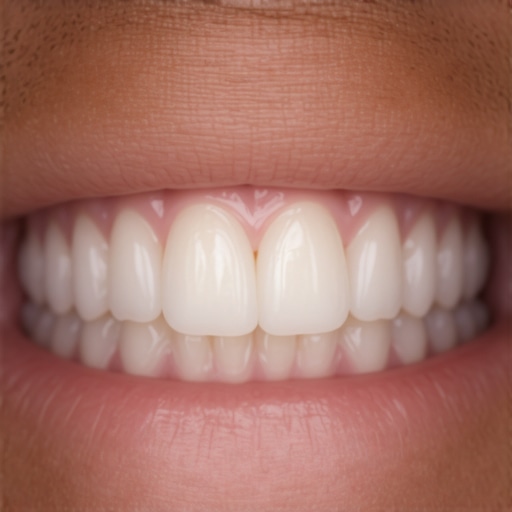
It was one of those mornings—coffee in hand, standing in front of the mirror, when I noticed it. A tiny, almost imperceptible crack in my front tooth. At first, I thought it was just a scratch, but as days went on, it nagged at me like a tiny ticking clock. I suddenly felt a little panicked. Would this tiny line turn into a big problem? Could I fix it myself, or was I headed straight for the dentist’s chair? I know I wasn’t alone in this—many folks find themselves staring at a small crack, unsure whether to ignore it or seek professional help.
Why a Tiny Crack Can Turn Into a Big Headache
There’s a reason why even a small crack in your front tooth deserves attention. That tiny fissure can be a gateway for bacteria, leading to decay or an unpleasant situation later on. If I had left mine untreated, I might have ended up facing root canals or extractions—not exactly something anyone wants. Plus, a crack can weaken your tooth’s structure, making it more vulnerable to breaking completely. The good news? You might be surprised at how simple it can be to fix a minor crack—without rushing to the dental office if you catch it early. I learned this first-hand, and now I want to share what I discovered so you don’t have to go through the same frantic moments I did. And if you’re unsure, I recommend checking out trusted sources like [Smile Gum Care](https://smilegumcare.com/family-dentistry-building-healthy-smiles-for-every-generation) for comprehensive family dental tips.
Is Trying to Fix a Tooth Crack at Home Actually Safe?
That was the biggest question I wrestled with early on. I was tempted to grab some superglue or DIY kit, but I knew those could do more harm than good. A mistake I made at first was attempting to cover the crack with a temporary filling I bought online—thinking it was a quick fix. It wasn’t. Instead of protecting my tooth, I risked trapping bacteria inside or making the crack worse. Trust me, I’ve been there. That’s why I urge you to understand the risks and options before jumping in. There are safe, effective ways to address minor cracks, and I’ll walk you through those—so stick around. For now, let’s explore what actually causes these cracks and if yours needs immediate attention.
Clean and Assess the Damage
Begin by rinsing your mouth gently with warm water to remove debris around the crack. Inspect the tooth in front of a mirror to determine the severity. If the crack is superficial and doesn’t cause pain, you might proceed cautiously. I once noticed a tiny crack after a snack and carefully examined it with a mirror and good lighting, which helped me decide my next move.
Temporary Protection with Over-the-Counter Solutions
Use Dental Wax or Gel
Apply dental wax or an over-the-counter tooth repair kit—like temporary filling material—to shield the crack. This step acts like a barrier, preventing bacteria from entering and avoiding further damage. I used a small amount of dental wax I found at the pharmacy, pressing it gently over the crack, which temporarily alleviated sensitivity during my workday.
Manage Discomfort and Avoid Stress on the Tooth
Adopt a soft diet and avoid chewing on the side with the crack. Use a cold compress to reduce any swelling or pain. For example, I placed a cold pack on my cheek, which minimized discomfort when eating or talking, giving me crucial time until professional care could be obtained.
Seek Professional Dental Advice Promptly
While DIY steps can provide temporary relief, a dentist’s assessment ensures appropriate permanent treatment. Schedule an appointment with a family dentist who can evaluate whether you need a bonding, veneer, or more extensive procedures. I called my trusted family dentist, referencing their practices at Family Dentistry, and got an early appointment that clarified my options.
Understanding When Home Fixes Aren’t Enough
If the crack is deep, causes persistent pain, or involves the pulp, professional intervention is necessary. Attempting to DIY repair such serious cracks can worsen the damage. My experience taught me that timing and proper treatment are key to preserving the tooth — delaying can lead to root canals or implants later. Trusting a professional ensures results that last, rather than risking further harm.
Consider Cosmetic Solutions After Repair
Once your tooth is securely repaired, you might choose cosmetic treatments like veneers or whitening to restore your smile’s appearance. For example, I explored options on Veneers and found that they can give a natural look if the damage affects aesthetics. Be sure to discuss these options with your dentist to tailor a plan suited to your needs.
Maintain Your Tooth’s Health to Prevent Future Cracks
Regular checkups in family dentistry clinics, like those recommended at this link, will catch early signs of wear. Also, avoid habits like nail-biting or chewing hard objects. I started using a mouthguard during sports, which significantly reduced the risk of future cracks, especially during vigorous activities.
Be Prepared for Minor Emergencies
Keep a dental emergency kit at home with gauze, pain relievers, and temporary filling materials. Knowing how to use these can buy valuable time until professional care. My kit included an emergency wax, which I used in a pinch after realizing the crack needed protection before my appointment—saving me from discomfort and further damage.
Many people approach cosmetic and general dental treatments with preconceived notions that can hinder effective decision-making. Let’s explore some of the most common misconceptions and the nuanced truths behind veneers, family dentistry, Invisalign, and teeth whitening. Understanding these details can save you from costly mistakes and set realistic expectations for your smile makeovers.
Why Believing All Veneers Are the Same Could Harm Your Smile
It’s widely believed that veneers are a one-size-fits-all solution for improving aesthetics. In reality, there are different types—porcelain, composite, and minimal prep veneers—each suited for specific cases. Overlooking these differences may lead to choosing an unsuitable option that doesn’t match your natural teeth or long-term goals. For example, porcelain veneers are durable and stain-resistant but require more preparation, whereas composite veneers are less invasive but may stain over time. Proper assessment by a skilled cosmetic dentist ensures you select the right veneer type, which is crucial for lasting results. For detailed insights, professionals recommend consulting reputable sources like this comprehensive guide.
Myth: Family Dentistry Is Just About Cleaning Teeth
Many assume family dentistry focuses solely on routine cleanings for children and adults. However, modern family dental practices offer preventive care, cosmetic procedures, and treatment for complex issues like TMJ or sleep apnea. They also emphasize education tailored to each family member’s needs—something that generic dental clinics might overlook. An advanced misconception is thinking that visits can be skipped until a problem becomes painful. In reality, proactive visits can detect issues early, saving you money and discomfort. As emphasized in expert recommendations, regular family checkups at trusted clinics, like this resource, promote lifelong oral health.
Invisalign Is Only for Minor Corrections
A common misunderstanding is that Invisalign is limited to simple cases, such as minor crowding or spacing. However, advancements in clear aligner technology now enable treatment of complex malocclusions, including significant rotations and bite issues. The key is working with an experienced orthodontist or dentist who understands the latest Invisalign innovations. This approach can often eliminate the need for traditional braces, providing a discreet and comfortable alternative. Still, some patients expect instant results—when, in fact, treatment duration varies, and compliance is critical. To dive deeper into sophisticated Invisalign options, check out this detailed overview.
Are Teeth Whitening Products Really Safe for Sensitive Teeth?
Many believe that over-the-counter whitening products are safe because they’re widely available. In truth, misuse or overuse can lead to increased tooth sensitivity and even damage the enamel. People with existing sensitive teeth should be especially cautious. Professional whitening treatments, administered under supervision, use tailored concentrations that minimize discomfort while maximizing efficacy. Furthermore, the myth that whitening is purely cosmetic ignores underlying issues like decay or demineralization, which can worsen if not addressed first. For expert advice, refer to comprehensive guides like this resource.
Understanding these nuanced truths helps you make informed choices that align with your oral health goals. Have you ever fallen into this trap? Let me know in the comments. Staying educated ensures you give your smile the best possible care while avoiding common pitfalls that could compromise your results.
Discover my go-to tools for maintaining your dental health
Keeping your smile sparkling over time isn’t just about regular brushing and flossing; it hinges on using the right tools and techniques. Personally, I swear by certain devices and software that streamline my dental routine, making it more effective and less time-consuming. In this section, I’ll share exactly what I use daily, and why these tools have become essential in my dental regimen.
The Electric Toothbrush: Precision and Efficiency
I’ve replaced my standard manual brush with a high-quality electric toothbrush, like the Sonicare DiamondClean. Its oscillating brush heads reach places manual brushes often miss, and the built-in timers ensure I brush for the recommended two minutes. Not only does this improve plaque removal, but it also reduces the risk of gum disease. The gentle yet powerful vibrations give me confidence that I’m giving my teeth the best clean every day. Plus, I appreciate the smart features that sync with apps—allowing me to track my brushing habits and progress.
Smart Flossing Devices
Regular flossing is crucial, but I find it much easier with an ultrasonic flosser like Waterpik Sonic-Fusion. It combines the power of water jets with traditional flossing, dislodging debris from between teeth effortlessly. This device is especially helpful for those with braces or dental work, ensuring thorough cleaning without frustration. I use it after meals and before bed, and it’s become a vital part of my routine, preventing cavities and gum issues.
Whitening at Home: LED Light Kits
Maintaining a bright smile is easier with an at-home whitening kit that uses LED technology, such as the Boost by Opalescence system. I prefer these over generic strips because they allow me to customize the treatment and achieve more consistent results. The LED accelerates the whitening agents’ effectiveness, providing noticeable results in just a few days. For sustained brightness, I use it weekly. Remember, for intense whitening jobs, consulting your dentist is always best— you can find trusted strategies at this resource.
An App for Dental Care Tracking
Beyond physical tools, I rely on dental health apps like Dental Monitoring. This app syncs with my dentist’s office, sending automatic updates of my progress and reminding me of routines. This way, I stay accountable and catch potential issues early. Having a digital assistant for my dental care has empowered me to maintain consistent habits, preventing small problems from escalating. As technology advances, I believe more monitoring tools will become standard, making dental care proactive and personalized.
How do I maintain my tools over time?
Regular cleaning and calibration are key. I rinse my electric toothbrush heads thoroughly after each use, replace them every three months, and keep the device’s firmware up-to-date. For water flossers, I descale the water reservoir monthly to prevent mineral build-up. When it comes to whitening kits, I follow the manufacturer’s instructions precisely to avoid damaging my enamel. Staying diligent about maintenance extends the lifespan of these tools and ensures optimal performance. Experts advise consulting your device’s manual or official websites, like family dentistry tips, to maximize your investment.
Gazing into the future—what’s next for dental tools?
Emerging innovations, such as AI-driven diagnostics and smart wearable devices, promise to revolutionize preventive care. Imagine a mouthguard that monitors bruxism or sensors embedded in dental appliances that alert your dentist about wear and tear in real-time. Incorporating such cutting-edge technology will make maintaining your smile even more seamless and personalized.
If you’re eager to elevate your routine, I suggest trying a high-end electric toothbrush combined with a smart app for tracking. These tools help keep your dental health on point and can prevent minor issues from becoming major problems. Remember, investing in quality tools now pays dividends in your long-term smile — a goal that’s well worth the effort. For more insights into maintaining a healthy smile, visit family dentistry resources.
The Hidden Lessons Behind Every Smile Makeover
One of the most eye-opening realizations I had was that veneers, family dentistry, Invisalign, and teeth whitening are not just procedures—they’re stories of trust, patience, and understanding. I learned that rushing into a treatment often leads to compromises I didn’t anticipate. For example, selecting the wrong veneer type without proper assessment can leave you disappointed, which is why consulting a specialist is crucial. This journey revealed that a holistic approach—considering function, aesthetics, and long-term health—yields the most satisfying results. Embracing continuous learning, like exploring trusted resources such as this detailed guide, can transform your dental experiences from reactive to proactive.
My Composition of a Personal Smile Arsenal
Over time, I curated a collection of tools that revolutionized my oral health routine. An electric toothbrush with smart tracking keeps plaque at bay, while a Waterpik water flosser ensures no debris hides in hard-to-reach spots. For whitening, I trust a LED-enhanced at-home kit backed by professional oversight, ensuring safety and effectiveness. Additionally, I incorporate a dental monitoring app to stay ahead of potential issues. These tools aren’t just gadgets—they reflect a commitment to my smile’s health, reminding me that proactive care is a form of self-respect. If you’re curious about integrating these tech-savvy tips, explore this resource for expert-approved advice.
Your Journey to a Confident Smile Begins Now
Remember, your smile is a reflection of your inner confidence and health. Every small step—be it choosing the right family dentist, understanding the nuances of Invisalign, or picking a suitable whitening method—is a stride toward embracing your best self. Don’t let uncertainty hold you back; instead, view each decision as an opportunity to learn and grow. The future of smile enhancement is evolving rapidly, with innovations making treatments more effective and less invasive than ever before. Take charge today, and let your smile be a beacon of your vibrant, authentic self.
What’s one aspect of your dental routine you’d like to elevate? Share your thoughts below—I’d love to hear your story!